Episodios

  • S4 – EP7 – Finding the Funny in Grief: Comedian Sam Morrison on Losing His Partner to COVID 19
    Mar 9 2026

    This week on Widowed AF, Rosie is joined by LA-based comedian Sam Morrison, whose life changed forever when his partner Jonathan died from Covid in 2021.

    Sam is currently in London performing his critically acclaimed show Sugar Daddy, a wildly funny, deeply personal comedy about love, loss and everything that comes after. What started as grief eventually found its way onto the stage, proving that sometimes you can’t make sense of tragedy… but you can make jokes about it.

    Rosie and Sam talk about meeting their partners, navigating loss at a young age, and the strange club nobody wants to join. They also get into dark humour, grief counselling, dating after loss, audience reactions to comedy about death, and why sometimes laughter is the only way through.

    Expect conversations about gay bear festivals, cruise ship comedy gigs, grief guilt, autoimmune diagnoses after trauma, and the awkward reality of trying to explain “my partner who died” in everyday conversation.

    It’s a thoughtful, funny and refreshingly honest chat about grief, resilience and carrying the people we love forward with us.

    Sam’s show Sugar Daddy is running at the Underbelly in Soho, London from 5 March to 4 April.

    Find tickets and tour dates at samuelhmorrison.com @samuelhmorrison

    If you enjoyed this episode, please follow, rate and review the podcast. It really helps other widowed people find us.

    You can also find Rosie on Instagram @widowedaf or at widowedaf.com.

    As always… take care of yourselves, and each other.


    0:02 Meet Sam Morrison + ‘Sugar Daddy’ arrives in London

    3:04 The love story: meeting Jonathan and falling in fast

    7:17 The rupture: losing Jonathan to COVID (and surviving the pandemic)

    9:57 Finding language, finding help: support networks + queer widowhood

    18:22 Building ‘Sugar Daddy’: turning grief into a show (and taking the hits)

    28:03 Grief in the body + love after loss

    35:37 Living with the long tail: time, milestones, sobriety, success-guilt

    41:41 Spirituality, signs, and the wish for one more conversation

    45:50 Final plugs + goodbye: dates, links, community


    #widowedaf #griefandloss #covidgrief #queergrief #griefhumor #darkhumor #bereavement #griefsupport #sugardaddyshow #standupcomedy

    Más Menos
    52 m
  • S4 – EP6 – Five Weeks in Limbo: Natalie Dodds on Trauma, ICU Vigil and Fighting for Answers
    Mar 2 2026

    In this episode, Rosie Moss speaks with Natalie Dodds.


    Natalie is a mum of two who lost her partner, Dave, following a workplace crane collapse. She speaks with clear eyed honesty about parenting through shock, bureaucracy and the long tail of grief, while still finding ways to keep Dave’s humour and presence alive at the family dinner table.


    We begin with life before. How Natalie and Dave met, built a home and became parents. Alongside that joy came an earlier rupture, the stillbirth of their daughter, Emily Daisy, at just over 38 weeks. Natalie shares the visceral reality of delivering on a main ward while hearing other babies cry, and the complex coexistence of grief and love that followed. In time, she volunteered with SANDS and welcomed two more children, carrying both loss and hope.


    At the heart of this conversation is the day of the accident. The unexpected paramedic call. The 126 mile drive. The 7pm news report confirming a crane collapse in Crewe. The moment “alive” became the only word that mattered.


    What followed was five weeks of ICU limbo. Sedation, ventilation, internal bleeding and sepsis. Dark humour. Small kindnesses from staff. Impossible choices about protecting children from trauma. Then the call no one survives hearing. There is absolutely nothing we can do. The kindest thing is to switch the machines off and let him die.


    Natalie speaks about what comes after the headline moment. The secondary losses that keep arriving. Mortgage threats. Next of kin complications. Institutions insisting on speaking to the person who has died. An 8.5 year wait for an inquest. The exhaustion of fighting systems that do not bend.


    She shares how she chose not to take her children into ICU, how she refused false promises, and how she found the words to tell them their dad was not coming home, while still getting them up for school the next morning.


    Eight and a half years later, the inquest brought answers about training failures and a wrong method statement, followed by the additional blow of hearing “not guilty.” Natalie reflects on the strange mixture of validation and devastation that comes with official findings that change nothing.


    This is a conversation about compounded grief. About loving someone who has died without freezing them in sainthood. About keeping Dave the man present through stories, laughter and everyday references. About maintaining a close bond with his family. About integrating a new partner into a home where Dave is still spoken about with love.


    It is also about resilience that does not look shiny. About coping strategies that sound small but keep you upright. Work routines. Blood pressure bingo. Cherries to stay awake on the motorway.


    Above all, it is about a woman doing the unthinkable and still showing up for her children.


    A powerful, unfiltered episode about loss, responsibility, anger, love and the long road towards something that resembles stability.

    Más Menos
    1 h y 41 m
  • S4- EP5 - A Widow’s Fight: How Caroline Booth Is Challenging a Broken System
    Feb 9 2026

    In this episode the host Rosie Moss speaks with Caroline Booth. Caroline is a widowed mother of two and the driving force behind a powerful grassroots campaign to reform bereavement support in the UK, born from her own experience of sudden loss and systemic failure.

    Caroline’s story begins with the unexpected loss of her husband Steve to aggressive bowel cancer. As she navigated the raw terrain of grief while raising two teenage sons, she quickly found herself caught in a bureaucratic maze—unable to access funds, unaware of her entitlements, and confronted by the limitations of a system that seemed designed to overlook her. Through candid reflection and honest frustration, Caroline details her journey from devastation to advocacy, sharing the real-life impacts of outdated policies, insufficient support, and public misperceptions. This conversation sheds light on how bereaved families are consistently let down, how contributory systems ignore lived complexity, and how a campaign powered by grief and solidarity is shifting the narrative. As Rosie notes, Caroline’s strength is not just in surviving, but in using her voice so others don’t face the same silence. “You look at your kids and you think, shit, actually, would I—how long could I pay my mortgage for if my husband died?”—a reflection many will carry forward.

    • Caroline recounts her husband Steve’s swift decline from bowel cancer and the shock of widowhood after 30 years together—and how that grief became a catalyst for action.
    • She shares the disorienting reality of navigating bereavement support systems, where help is hard to access and few are told it exists—especially in the critical first three months.
    • The conversation reveals how policy decisions, such as freezing the Bereavement Support Payment since 2017, have left families adrift in the face of rising living costs and funeral expenses.
    • Public misconceptions—like seeing bereavement support as “taxpayer handouts”—block meaningful dialogue and spotlight society’s discomfort with grief and dependency.
    • Caroline’s campaign draws attention to solo parents navigating Universal Credit and how flawed benefit structures penalize them further, often creating enduring disadvantage.
    • The discussion explores the limits of life insurance and how caregiving roles disrupt financial security—reminding listeners that bereavement is rarely something one can fully prepare for.
    • A grassroots petition, powerful community solidarity, and even a song release (“Warrior”) are all part of Caroline’s effort to push for systemic change, one letter to Parliament at a time.
    Más Menos
    32 m
  • S4 – EP4 – When Cancer Carries Trauma: Christine Fader on Love, Caregiving and Complex Grief
    Jan 26 2026

    In this deeply moving episode, host Rosie Moss speaks with Christine Fader, an educator and advocate who became the primary caregiver to her husband, Michael, through his cancer journey.

    Christine and Michael met in 1997, an instant yet thoughtful connection that led to marriage within months. Long before cancer entered their lives, they were already navigating complexity, including Christine’s own chronic health condition.

    When Michael was diagnosed with cancer, the illness arrived layered with trauma. Treatment did not just cause physical pain. It resurfaced deep childhood wounds. Radiation masks triggered memories of abuse. Medical environments felt unsafe. Pain became inseparable from memory.


    Drawing on her background in medical education, Christine stepped into the dual role of caregiver and advocate, working to ensure Michael’s trauma was recognised and accommodated in a system that often overlooks it. Their story is not linear or neat. It moves through extraordinary love, startling pain, fierce advocacy, and profound tenderness. In his final days, Michael remained lucid and in excruciating pain, choosing to stay as long as he could. As he once told Christine, giving in to the cancer felt like giving in to the bad guys.


    Christine speaks openly about complex grief, including what it means to lose a long-term partner without children, and how she now channels that pain into education, advocacy, and storytelling. This is a conversation about love under pressure, trauma-informed care, and the quiet bravery of staying.


    In this episode, we explore:

    • How Michael’s childhood trauma shaped his pain tolerance and mistrust of medical systems, and how Christine advocated for trauma-informed accommodations during treatment

    • The emotional and ethical realities of caregiving through terminal illness, including assisted dying conversations and holding hope alongside hopelessness

    • How Christine used her medical education background to design a student workshop on trauma-informed cancer care

    • The complexity of grief after losing a partner when there are no children, and how Christine built resilience through advocacy and storytelling

    • Why consent, slowing down, and assuming trauma may be present can radically improve medical care

    • The power of small rituals and personal notes during crisis, and Christine’s hope to one day shape these into a book honouring Michael’s story


    Content warning: terminal illness, trauma, death


    #griefjourney #traumainformedcare #chronicillnesssupport #cancerstories #endoflifecare #caregiverlife #medicalconsent #partnerloss #mentalhealthawareness #resilientrelationships

    Más Menos
    1 h y 1 m
  • S4 - EP3 - Grieving with Dignity: Betsy Ronel on Love, Loss and the Long Road Back
    Jan 19 2026

    In this episode of Widowed AF, Rosie Moss is joined by Betsy Ronel, a widow of 15 years, mother, New York real estate agent, and host of the podcast Heavens to Betsy.


    Betsy shares the story of her marriage to Daniel, a gifted plastic surgeon known for his integrity and deep ethical conviction. From early online dating to raising young children within a small-town medical community, their life together was shaped by love, ambition, and complexity. Daniel’s sudden death in a car accident shattered that world overnight, leaving Betsy to navigate shock, public scrutiny, parenting through trauma, and the long, slow work of survival.


    With striking honesty, Betsy reflects on the realities of widowhood that rarely get spoken about: the corrosive myths around “moving on,” the stigma attached to grief-related coping behaviours, and the way loss reshapes identity over years rather than months. She speaks candidly about mental health, financial instability, therapy, and rebuilding a life that still makes room for love and memory.


    Rosie and Betsy also explore the concept of what they call “pure grief”, mourning without betrayal or anger.Threaded throughout the conversation is humour, tenderness, and a deep respect for the person who died, alongside the hard truth that grief does not disappear. As Betsy puts it, “There’s no way around the grief, it will be waiting for you when you come back to Earth.”

    This is an episode about enduring love, dignity in grief, and finding ways to keep going without pretending the pain ever fully leaves.


    Key themes:

    • Sudden loss and long-term widowhood

    • Parenting children after the death of a parent

    • “Pure grief” and mourning without betrayal

    • Mental health, stigma, and coping behaviours

    • Public scrutiny and navigating loss in small communities

    • Rebuilding identity and life after loss


    Chapters

    0:02 Introducing Betsy Ronel and Shared Widowhood Experience

    5:08 Love After Loss: The Beginning of a New Chapter

    9:52 Building Family and Life Transitions

    17:24 Professional Challenges and Sudden Loss

    27:11 The Day Daniel Died and Immediate Aftermath

    43:40 Facing Grief, Public Scrutiny, and Legal Battles

    57:43 Navigating Grief and Single Parenthood

    64:31 Supporting Grieving Children and Parenting Challenges

    69:09 Financial Struggles, Rebuilding, and New Beginnings

    78:20 Reflections on Healing, Self-Compassion, and Endurance


    #widowhoodjourney #griefsupport #emotionalresilience #childbereavement #suddenloss #mentalhealthafterloss #parentingthroughgrief #careeraftertragedy #griefandhealing #traumaticloss

    Más Menos
    1 h y 24 m
  • S4 - EP2 - A Love Cut Short: Hannah Ramsey on Childhood Sweethearts, Sudden Loss and Grief
    Jan 12 2026

    In this episode of Widowed AF, Rosie Moss sits down with Hannah Ramsey to tell a love story that began in childhood and ended far too soon.

    Hannah and her husband, Blue, met in primary school and spent 35 years building a life together. They raised four children, ran a business from home, renovated houses, travelled, laughed, and lived with a deep sense of partnership and mutual respect. Blue was thoughtful, practical, endlessly capable, and deeply present as both a husband and a father.

    Everything changed after a cycling accident on what should have been an ordinary ride. Hannah takes us into the disorienting world that followed: hospital corridors, neurological terminology, impossible waiting, and the unbearable moment of being told that survival would mean a life without consciousness. With honesty and quiet strength, she shares what it was like to sit with those realities, to honour long-held conversations about quality of life, and to say goodbye while still holding his hand.

    This conversation doesn’t shy away from the hardest parts of loss. Hannah speaks openly about the withdrawal of life support, the strange rituals of the hospital, the logistics that follow death, and the emotional weight of decisions no one ever expects to make. She also reflects on what helped her survive those early days: community, routine, gardening, friendship, and the permission to simply be “good enough” when perfection was impossible.

    Together, Rosie and Hannah explore the long tail of grief, the complexities of anger and compassion, the limits of traditional support spaces, and the quiet comfort found in shared stories and connection. It’s a tender, devastating, and deeply human episode about love, loss, and learning how to keep living when the person you built your world with is gone.

    Key themes:

    • Childhood sweethearts and lifelong partnership

    • Sudden loss and catastrophic injury

    • Making end-of-life decisions

    • Parenting after the death of a partner

    • Community, ritual, and surviving the early days of grief

    • Learning to be “good enough” after loss

    Más Menos
    1 h y 32 m
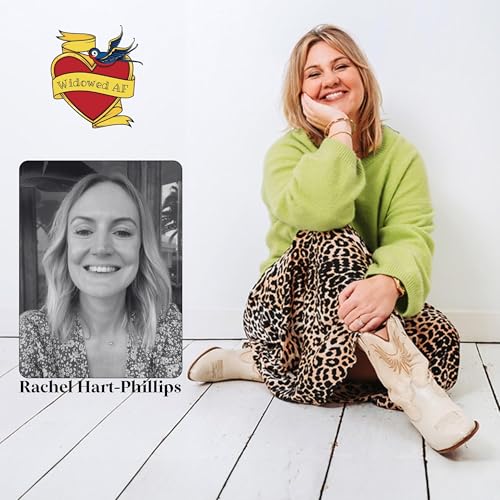
  • S4 - EP1 - Love Loss and Disco balls, with Rachel Hart-Phillips
    Jan 5 2026

    Rachel Hart-Phillips is back.

    You might remember her from season three, when she told the story of losing her husband to suicide while she was pregnant. Six years on, she’s raising their little boy, navigating the bits of grief that don’t come with a map, and building a life that holds both love and loss without trying to cancel either out.

    We talk about the strange reality of parenting a child who never met their dad, and the constant question of when to tell the full truth, and how. Rachel shares what helped her survive those first darkest months, why pregnancy became an anchor rather than an extra weight, and what it’s like to carry joy while still carrying grief.

    Since we last spoke, Rachel’s remarried, created a brilliantly bold card brand called Love Loss Disco Balls (because not everyone wants feathers and doves), and trained as a grief coach. We chat about the difference between counselling and coaching, the practical tools that can help when you feel stuck, and why talking about the hard stuff can take the sting out of it.

    It’s honest, funny in places, tender in others, and one of those episodes that leaves you feeling a little less alone.

    Links to Rachel’s work:

    https://www.instagram.com/afterglowthroughgrief/

    https://www.lovelossdiscoballs.co.uk/?srsltid=AfmBOoq5Vh5X_klW7AIYi32G22-bJ2QF_DNLLQ2WSpIIBNZp2fZNn3DQ


    #suicideloss #griefjourney #widowedparent #mentalhealthawareness #griefcoaching #blendedfamilies #grievingwhilepregnant #onlinedatingafterloss #smallbusinesssupport #holidaysafterloss

    Más Menos
    37 m
  • S3 - EP39 - Season Three Finale: Grief, Solo Parenting, Burnout and Starting Again
    Dec 30 2025

    In this episode, it’s just me.

    I recorded this on Christmas Eve to mark the end of season three and to say thank you. There’s no script and no guest. Just a chance to talk honestly about the year that’s been.

    I reflect on winning Gold at the podcast awards and why it still feels surreal. I talk about my marriage ending, going back to solo parenting, and supporting my neurodivergent daughter through school burnout and anxiety. I share how close I came to burning out myself, and what it’s really like trying to hold everything together as the only parent.

    I also talk about the Soul Sisters retreat I hosted at my home and how unexpectedly joyful and healing it was. There’s an update on the book, losing a publisher, starting again, and why launching it on the anniversary of Ben’s death feels right.

    There’s some laughter, some honesty, and a bit about Christmas and the pressure we put on ourselves to get it right.

    If you’ve listened this season, shared an episode, or sent a message, thank you. This podcast exists because of you.

    Season four starts in January.


    #widowedparent #neurodivergentkids #griefcommunity #healingafterloss #homeschoolinglife #selfpublishingjourney #christmasgrief #podcastawardwinner #griefandresilience #widowedaf

    Más Menos
    29 m