Episodios

  • The Hidden Pain Behind Every Breakup: Rejective Sensitive Dysphoria (RSD) (AUDIO)
    Mar 20 2026
    The Hidden Pain Behind Every Breakup
    Rejective Sensitive Dysphoria (RSD)

    Positive Connections Radio (Podcast) Episode 140
    HALT and Call for Backup
    Coast to Coast with Mike Koch and Jim McLintock

    Summary
    This episode dives into Rejection Sensitive Dysphoria (RSD)-an intense emotional response to rejection often linked to ADHD, trauma, and early life experiences.Jim and Mike unpack why some people feel devastated by breakups, criticism, or abandonment, and how this pain can lead to people-pleasing, toxic relationships, and self-sabotage.They connect the dots between childhood wounds, fear of being alone, and adult relationship patterns, while offering practical tools like emotional awareness, self-talk, and the “28-day reset” to rebuild self-worth.At its core, this episode is about turning emotional pain into self-awareness-and finally breaking the cycle.

    “Be Strong, Stand Up, Speak Your Truth, and Break the Stigma.”

    Music by;Rod Kim-Let’s Play-Soundtrack
    Más Menos
    47 m
  • COPS are Conditioned to Stay Silent (AUDIO)
    Mar 15 2026
    COPS ARE CONDITIONED TO STAY SILENT

    For years, cops and first responders have been conditioned to believe that asking for help means you’re weak. The truth is, the things we see and carry from this job don’t just disappear. We bury them, we ignore them, or we try to numb them, until eventually the bucket overflows.

    I know because it happened to me. After 19 years in law enforcement, I stayed silent out of fear of the stigma and nearly lost everything before I finally asked for help. This video is for the first responders out there who are still carrying it alone. You’re not weak for speaking up; you’re human.

    “Be Strong, Stand Up, Speak Your Truth, and Break the Stigma.”

    Music by;
    Rod Kim-Let’s Play-Soundtrack
    Dan Lebowitz-Open and Closed

    Firstresponderwellness.com
    MentalHealthNewsRadionetwork.com
    Positiveconnectionsradio.com
    McLintockcounseling.com
    http://www.youtube.com/@HALTandCallforBackup
    Más Menos
    6 m
  • Don’t Fake the Badge (When “Trauma-Informed” Isn’t Enough) AUDIO ONLY
    Jan 19 2026
    Don’t Fake the Badge
    (When “Trauma-Informed” Isn’t Enough)
    With Dennis Carradin Jr. LPCMH, NCC, BCETS

    HALT and Call for Backup
    Episode 138

    Coast to Coast with Mike Koch and Jim McLintock

    Summary
    Being “trauma-informed” isn’t the same as being trauma-experienced-and first responders know the difference immediately.

    In this episode of Positive Connections Radio / Halt and Call for Backup, we sit down with licensed trauma therapist and former first responder Dennis Carradin to talk about what actually works in trauma care for police, fire, EMS, and healthcare professionals.

    We break down the critical difference between trauma-informed, trauma-experienced, and trauma-practiced clinicians, why credibility can’t be faked, and how underqualified therapy can do real harm.

    Dennis shares hard truths about cumulative trauma, trust, stigma, and what first responders need from mental health professionals-not theory, not buzzwords, but real-world understanding.If you work in a high-stress profession, or support those who do, this conversation cuts through the noise and gets honest about trauma, resilience, and staying human in the job.

    Takeaways

    • "It's about not feeling terrible."
    • "You have to gain that experience."
    • "I'm here to carry the weight until you're ready to carry the weight."
    • "We need to talk to the younger ones."
    • "You can actually cost someone's life because of your ineptness."
    • "The average age of therapists is in the high 50s, low 60s."
    • "You have to understand the hardship that somebody is going through."
    • "I always tell folks, look, I'm your humble life guide."
    • "You have to ask the hard questions."
    • "It's about connection-based type of thing."

    Chapters00:00 Introduction to Dennis Carradin: Trauma and Resilience

    04:14 Dennis Carradin's Background and Experience
    08:40 The Importance of Mental Health in High-Stress Environments
    13:03 Building Connections and Humor in Therapy
    17:52 The Role of Support Systems in Trauma Recovery
    19:37Dennis's Journey: From Firefighter to Therapist
    21:45 The Importance of Trauma Work for First Responders
    28:35Building Trust: The Therapist-Client Relationship
    30:24 The Challenge of Inexperienced Therapists in Trauma Work
    36:35 Understanding Trauma Therapy for First Responders
    40:51 Vetting Trauma Therapists: Key Questions to Ask
    47:54 The Importance of Experience in Therapy
    50:40 Carrying the Weight: Supporting First Responders
    55:23 Beyond the Call: Writing and Sharing Experiences
    01:01:15 Connection and Understanding in Mental Health
    01:06:23 Future of Mental Wellness for First Responders

    “Be Strong, Stand Up, Speak Your Truth, and Break the Stigma.”

    Music by Rod Kim-Let’s Play-Soundtrack

    denniscarradin.com
    traumasurvivorsfoundation.org
    Firstresponderwellness.com
    MentalHealthNewsRadionetwork.com
    Positiveconnectionsradio.com
    McLintockcounseling.com
    http://www.youtube.com/@HALTandCallforBackup


    Más Menos
    1 h y 9 m
  • Episode 137 Step-8 "Revised" Laying the Groundwork for Amends
    Jan 11 2026
    Summary

    In this 12-Step Podcast Series, Mike Koch and Jim McLintock dive into the emotional complexities surrounding the concept of making amends. They encourage listeners to reflect on the feelings associated with unmade amends and the impact of holding onto resentment. The discussion emphasizes the importance of recognizing these feelings and exploring the paths they lead us down, ultimately guiding towards emotional healing and personal growth. This step involves making a list of those we have harmed and having the willingness to make amends.

    Takeaways
    • Reflecting on unmade amends can evoke strong emotions.
    • Holding onto resentment can affect our life paths.
    • It's important to recognize feelings associated with harm.
    • Not everyone will make amends, and that's okay.
    • Letting go of negative feelings is a crucial step.
    • Understanding the damage caused by unresolved issues is vital.
    • Exploring these feelings can lead to personal growth.
    • Emotional healing often requires confronting painful memories.
    • The journey of forgiveness is personal and unique.
    • Recognizing where these feelings manifest in our lives is essential.

    “Be Strong, Stand Up, Speak Your Truth, and Break the Stigma.”

    Music by Rod Kim-Let’s Play-Soundtrack
    Firstresponderwellness.com
    MentalHealthNewsRadionetwork.com
    Positiveconnectionsradio.com
    McLintockcounseling.com
    http://www.youtube.com/@HALTandCallforBackup


    Más Menos
    27 m
  • Your Inner Critic Is Lying to You-and It’s Been Controlling Your Life
    Dec 28 2025
    Your Inner Critic Is Lying to You-and It’s Been Controlling Your Life

    Positive Connections Radio (Podcast)

    Summary
    Former police officer Mike Koch discusses the challenges of dealing with the inner critic, the importance of self-compassion, and the journey of recovery. He emphasizes the need for vulnerability in relationships, the significance of patience and change, and the value of building a supportive community. Throughout the discussion, he shares personal insights and practical advice for navigating life's struggles and fostering emotional well-being.

    Takeaways
    • Acknowledge and confront your inner critic.
    • Practice self-compassion and kindness towards yourself.
    • Vulnerability is essential for meaningful relationships.
    • Recovery is a personal journey that varies for everyone.
    • Change requires stepping out of your comfort zone.
    • Patience is key in the recovery process.
    • Building a supportive community can aid in recovery.
    • Expectations can lead to disappointment; focus on progress instead.
    • Taking small actions can lead to significant changes over time.
    • Reaching out for help is a crucial first step.


    Chapters00:00
    Confronting the Inner
    Critic02:32 The Importance of Self-Compassion
    05:45 Navigating Vulnerability and Relationships
    08:28 The Journey of Recovery
    11:20 Embracing Change and Patience
    14:12 Building a Supportive Community
    16:55 Taking Action and Making Changes

    “Be Strong, Stand Up, Speak Your Truth, and Break the Stigma.”


    Music by Rod Kim-Let’s Play-Soundtrack

    Firstresponderwellness.com
    MentalHealthNewsRadionetwork.com
    Positiveconnectionsradio.com
    McLintockcounseling.com
    http://www.youtube.com/@HALTandCallforBackup
    Más Menos
    19 m
  • Episode 135 Breaking the Chains Part-2
    Dec 15 2025
    Episode 135 Breaking the Chains Part-2
    Positive Connections Radio (Podcast)
    HALT and Call for Backup
    Coast to Coast with Mike Koch and Jim McLintock

    Summary
    In this episode, Jim McLintock and Mike Koch discuss the struggles of first responders dealing with alcohol addiction and its impact on their relationships. They emphasize the importance of communication, setting boundaries, and taking responsibility for one's actions. The conversation highlights the fear and shame associated with addiction, the need for immediate action, and the significance of finding support within the community. The hosts encourage listeners to confront their issues and seek help, reminding them that recovery is possible and necessary for a healthier life.


    Takeaways
    • Alcohol is often used as a coping mechanism by first responders.
    • Fear of losing loved ones is a common concern for those affected by addiction.
    • Setting boundaries is crucial for both the person struggling with addiction and their loved ones.
    • Communication is key in relationships impacted by addiction.
    • Immediate action is necessary to address addiction issues.
    • Support from peers and the community can aid in recovery.
    • Trust is difficult to rebuild after addiction-related issues.
    • The journey to recovery requires personal responsibility and effort.
    • Recognizing the signs of addiction early can prevent further issues.
    • It's important to figure out solutions together or individually.

    Chapters

    00:00 The Importance of Recovery and Personal Responsibility
    11:13 Mental Health Challenges in Emergency Services
    15:19 The Impact of Alcohol on Relationships
    17:32 Consequences of Addiction and Regret
    20:29 The Importance of Honesty and Accountability
    22:59 Finding Purpose and Community in Recovery
    24:24 Taking Ownership and Moving Forward

    “Be Strong, Stand Up, Speak Your Truth, and Break the Stigma.”

    Music by Rod Kim-Let’s Play-Soundtrack

    Firstresponderwellness.com
    MentalHealthNewsRadionetwork.com
    Positiveconnectionsradio.com
    McLintockcounseling.com
    http://www.youtube.com/@HALTandCallforBackup

    Más Menos
    26 m
  • Episode 134 Breaking the Chains Part-1
    Dec 15 2025
    Episode 134 Breaking the Chains Part-1
    Positive Connections Radio (Podcast)
    HALT and Call for Backup
    Coast to Coast with Mike Koch and Jim McLintock

    Summary
    In this episode, Jim McLintock and Mike Koch discuss the struggles of first responders dealing with alcohol addiction and its impact on their relationships. They emphasize the importance of communication, setting boundaries, and taking responsibility for one's actions. The conversation highlights the fear and shame associated with addiction, the need for immediate action, and the significance of finding support within the community. The hosts encourage listeners to confront their issues and seek help, reminding them that recovery is possible and necessary for a healthier life.


    Takeaways
    • Alcohol is often used as a coping mechanism by first responders.
    • Fear of losing loved ones is a common concern for those affected by addiction.
    • Setting boundaries is crucial for both the person struggling with addiction and their loved ones.
    • Communication is key in relationships impacted by addiction.
    • Immediate action is necessary to address addiction issues.
    • Support from peers and the community can aid in recovery.
    • Trust is difficult to rebuild after addiction-related issues.
    • The journey to recovery requires personal responsibility and effort.
    • Recognizing the signs of addiction early can prevent further issues.
    • It's important to figure out solutions together or individually.

    Chapters

    00:00 Introduction to Alcohol Struggles in Emergency Responders
    04:40 The Impact of Alcohol on Relationships
    09:48 Understanding Codependency and Boundaries
    15:07 The Consequences of Alcohol Dependency
    20:36 The Bad Moon Rising: Trends in Substance Abuse
    25:41 The Importance of Recovery and Personal Responsibility
    “Be Strong, Stand Up, Speak Your Truth, and Break the Stigma.

    Music by Rod Kim-Let’s Play Soundtrack

    Firstresponderwellness.com
    MentalHealthNewsRadionetwork.com
    Positiveconnectionsradio.com
    McLintockcounseling.com
    http://www.youtube.com/@HALTandCallforBackup


    Más Menos
    30 m
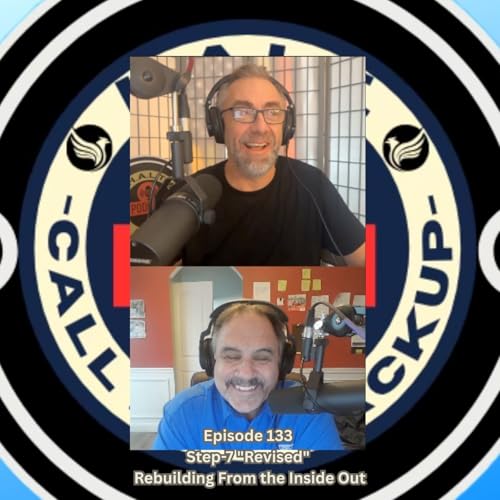
  • Episode 133 Step-7 "Revised" Rebuilding From the Inside Out
    Dec 8 2025
    Episode 133 Step-7 "Revised" Rebuilding From the Inside Out

    Positive Connections Radio (Podcast)
    HALT and Call for Backup

    (Video) https://youtu.be/mX3zkYWJ2sg

    Coast to Coast with Mike Koch and Jim McLintock

    Summary

    In this 12-Step Podcast Series, Jim McLintock and Mike Koch dive into Step Seven of the recovery process, focusing on the themes of humility, letting go of harmful patterns, and the importance of self-awareness.

    They discuss both the traditional and secular interpretations of the step, emphasizing the need for action and community support in the journey of personal growth. The conversation highlights the significance of recognizing and addressing character defects, the challenges of change, and the empowerment that comes from choosing to surrender to a higher power or the process itself.

    Ultimately, the episode serves as a motivational guide for those seeking to transform their lives through recovery.

    Takeaways

    • Step seven is about humility, not humiliation.
    • Letting go of harmful patterns creates space for growth.
    • It's important to recognize what no longer serves us.
    • Change starts with self-awareness and willingness.
    • You don't have to fix everything alone; community support is vital.
    • Progress is more important than perfection in recovery.
    • Life is an inside job; real change comes from within.
    • Letting go of the past is essential for moving forward.
    • Choosing to change is more empowering than feeling forced to change.
    • Building new habits takes time and patience.

    Chapters00:00 Introduction to Step Seven

    02:46 The Secular Perspective on Step Seven
    05:23 Encouragement and Support in Recovery
    08:04 The Importance of Self-Awareness
    10:49 Transformation Through Humility
    13:25 Building New Patterns
    15:57 The Inside Job of Recovery
    19:00 Choosing Change Over Comfort
    21:30 Conclusion and Call to Action

    “Be Strong, Stand Up, Speak Your Truth, and Break the Stigma.”


    Music by Rod Kim-Let’s Play-Soundtrack

    Firstresponderwellness.com
    MentalHealthNewsRadionetwork.com
    Positiveconnectionsradio.com
    McLintockcounseling.com
    http://www.youtube.com/@HALTandCallforBackup


    Más Menos
    23 m