Episodios

  • Ep 141: Mercer University Launches Comprehensive Health Center to Advance Care for Adults with IDD
    Mar 30 2026

    This interview features Dr. Jonathan Smith, who discusses the launch of a new, mission‑driven health center under Mercer University focused on providing comprehensive, integrated care for adults with intellectual and developmental disabilities (IDD) in Georgia. Dr. Smith explains that the center aims to address longstanding health disparities through coordinated, under‑one‑roof services—including primary care, behavioral health, therapies, dentistry, pharmacy, and diagnostics—while also serving as an educational hub to better train medical students and community clinicians in IDD care. Influenced by both his medical background and his personal experience as a parent of a child with Down syndrome, Dr. Smith emphasizes three key priorities for improving outcomes for people with IDD: stronger coordination of care across systems, reducing barriers within insurance and waiver programs, and reforming medical education to include IDD care earlier and more meaningfully, with the ultimate goal of improving health equity, patient experience, and long‑term outcomes.

    Más Menos
    14 m
  • EP 140: Tennessee Leads with Innovative, Person‑Centered Support for People with IDD
    Mar 23 2026

    Brad Turner, Commissioner of the Tennessee Department of Disabilities and Aging, discusses how his personal experience as a parent of a daughter with cerebral palsy shapes his leadership and commitment to improving supports for people with intellectual and developmental disabilities (IDD). He highlights Tennessee's innovations, including extending early intervention services to age five, the Medicaid Alternative Pathways (MAPs) program promoting independence through technology, and the development of statewide Innovation Centers to expand assistive and enabling technologies. Turner emphasizes the need for inclusive, person‑centered systems, better mental health support for people with IDD, and addressing workforce and housing challenges. He also stresses the importance of broader advocacy, community integration, and ensuring people with disabilities have not only a seat and a voice at the table, but true belonging where their voices are genuinely heard.

    Más Menos
    32 m
  • EP 139: From Misdiagnosis to Advocacy: Jacqueline Cuevas Finds Her Voice
    Mar 15 2026

    Jacqueline Cuevas shares her journey as a self‑advocate living with Functional Neurological Disorder (previously known as psychogenic non‑epileptic seizures), a condition triggered by trauma and often misunderstood by medical professionals. Beginning with unexplained episodes at age 16, she spent years being dismissed and misdiagnosed, accumulating medical debt and emotional exhaustion before finally receiving an accurate diagnosis while pregnant with her first child. The condition has profoundly affected her life—causing mobility issues, memory loss, and the need for extensive support—but it also inspired her path into self‑advocacy. As the chair of Self‑Advocates of Michigan, she now speaks publicly, works with legislators, and pushes for greater awareness of hidden disabilities, cultural acceptance within communities of color, and more compassionate, person‑centered care. She emphasizes inclusion, open conversations about disability, and the importance of medical professionals treating patients with respect and an open mind.

    Más Menos
    16 m
  • EP 138: Josh Muñoz on Supporting Independent Living for People with IDD
    Mar 9 2026

    Associate Director of Public Policy at First Place AZ, Josh Muñoz discusses his work supporting people with intellectual and developmental disabilities (IDD) through independent living, tailored supports, and intentional community integration. He shares his journey from studying psychology to working in applied behavior analysis (ABA), supporting individuals with high support needs, and eventually moving into systems-level policy work focused on improving outcomes for people with IDD. Josh emphasizes the importance of consumer‑controlled housing, employment support, community life, early inclusion of neurotypical and neurodiverse children, and addressing social determinants of health—such as housing, transportation, and community connection—to reduce health disparities. He highlights concerns about future Medicaid cuts, the need for accessible voting, and the critical role of friendship and community in reducing isolation and improving quality of life for people with IDD.

    Más Menos
    19 m
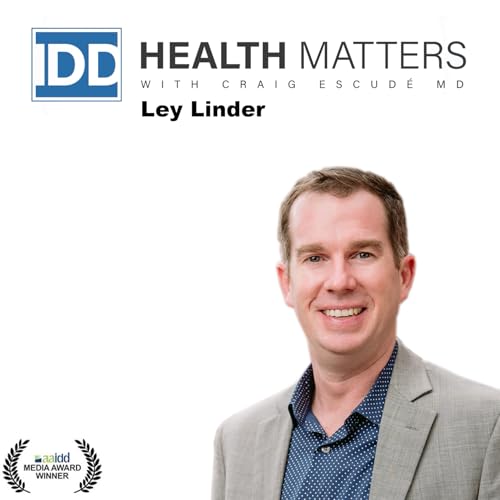
  • EP 137: Ley Linder on Medical, Environmental, and Emotional Roots of Behavior
    Mar 2 2026

    In this episode Ley Linder discusses his work supporting people with intellectual and developmental disabilities (IDD). Linder emphasizes that challenging behaviors are often rooted in medical issues, environmental stressors, lack of choice, or learned patterns—not simply characteristics of disability. He describes a holistic, interdisciplinary approach to behavior analysis that considers medical, psychological, and social factors, especially the importance of identifying untreated health conditions and avoiding diagnostic overshadowing. The conversation highlights how living environments, limited autonomy, and unmet sensory or emotional needs influence behavior, and how respectful human connection—including appropriate touch—can improve outcomes. Linder and the host also reflect on the meaningful, continually evolving nature of their work and share "three things in three minutes" to improve health equity for people with IDD: fighting diagnostic overshadowing, using a biopsychosocial model, and valuing the power of touch.

    Más Menos
    20 m
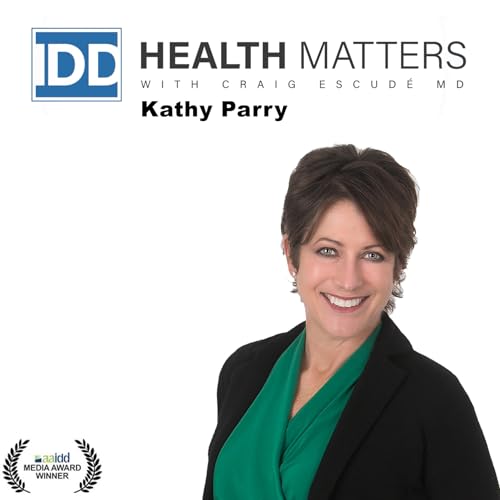
  • EP 136: Finding Joy and Purpose in Caregiving: Kathy Parry's Story
    Feb 23 2026

    Kathy Parry shares her journey as a mother of four whose youngest daughter, Merritt, was born with a severe mitochondrial disorder and ultimately lived 20 years despite an initial two‑year prognosis. She describes navigating an uncertain medical landscape, advocating persistently for her child, and developing a specialized diet that significantly improved Merritt's quality of life. Kathy reflects on the emotional and practical impact on her family—highlighting the deep empathy developed by her other children, the strain on her first marriage, and the joy Merritt brought into their lives. Her experiences led her into speaking, teaching resilience, and encouraging caregivers and professionals to reframe challenges, use empowering language, prioritize wellness, and practice self‑compassion. She emphasizes the importance of competent, compassionate health care and expresses gratitude for caregivers who make profound differences in the lives of people with intellectual and developmental disabilities.

    Más Menos
    16 m
  • EP 135: Auburn Nursing Leaders Transform IDD Care Training With Innovative Education
    Feb 16 2026

    Dr. Rachael Sweeney and Dr. Amy Curtis from Auburn University's College of Nursing, discuss their work improving health care education for people with intellectual and developmental disabilities (IDD). They describe the lack of training nurses typically receive in communicating with and caring for individuals with IDD, sharing personal experiences that motivated their advocacy. To address this gap, they integrated IDD‑focused curriculum across undergraduate through doctoral nursing programs and partnered with community organizations for hands‑on clinical exposure. They also introduced "Gwen," a highly realistic pediatric simulation mannequin with Down syndrome, to help students practice communication, assessment, and compassionate care. Their efforts aim to reduce stigma, improve patient outcomes, promote interdisciplinary understanding, and inspire future providers to treat people with IDD with empathy, dignity, and individualized care.

    Más Menos
    29 m
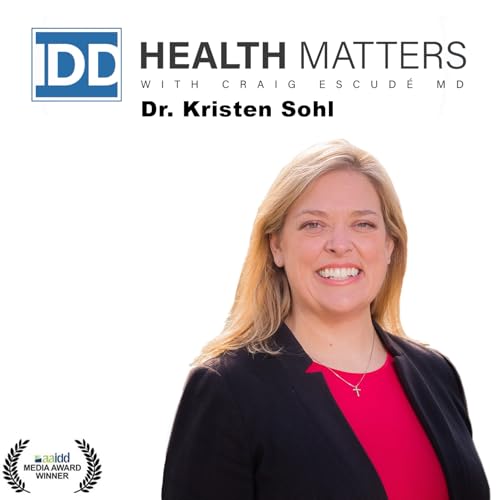
  • EP 134: Expanding Autism Understanding and Equity in Healthcare
    Feb 9 2026

    Dr. Kristen Sohl, a pediatrician and founder of Echo Autism Communities, discusses Project ECHO—a model that connects specialists with generalists via virtual sessions to improve care for people in rural and underserved areas—and explains how it has expanded in Missouri to support fields like autism, HIV, chronic pain, and developmental disabilities. She describes the structure of an ECHO session, emphasizing community learning through case presentations and short "knowledge bursts." The conversation shifts to the evolution of autism understanding, noting increased prevalence largely due to improved screening, better diagnostic criteria, and broader awareness, while also addressing misinformation, the complexity of autism, and the lack of definitive causes. Dr. Sohl stresses the importance of trust with families, evidence‑based care, and caution with unsupported treatments. She concludes with three priorities for improving outcomes: better supports for people with profound autism, greater societal appreciation of autistic strengths, and stronger disability training in healthcare education, advocating for equitable, human‑centered care for all.

    Más Menos
    26 m