Episodios

  • 21: GP+ Child Health with Dr Amina Al-Yassin
    Jan 16 2026
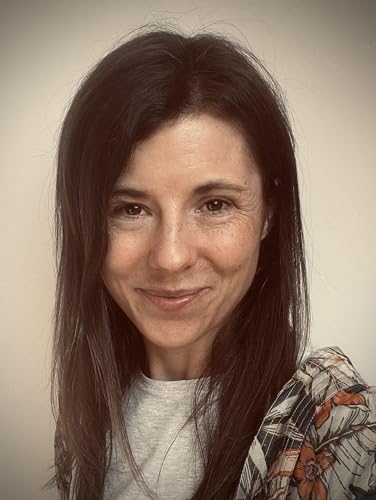
    This episode of the GP+ Careers podcast features Dr Amina Al-Yassin, a First5 GP who has built a dynamic portfolio focused on child health. Dr Al-Yassin details her experience balancing clinical sessions with strategic leadership roles at Barnardo’s and as a Clinical Lead for local children’s services. Listeners will discover how to navigate spin fellowships, engage with community Child Health Hubs, and leverage their unique GP skills in specialist settings like CAMHS. Top Tips Leverage spin Fellowships for protected time - If you are early in your career, look into spin fellowships. These schemes are designed to improve GP retention by providing protected time (usually one or two sessions a week) to develop a special interest or an extended role. Dr Al-Yassin used this to work within a Child and Adolescent Mental Health Service (CAMHS), gaining frontline experience in neurodevelopmental assessments and medication management. This protected headspace is helpful when first developing a new area of expertise.Prioritise practical experience over formal certificates - While additional qualifications like the Diploma in Child Health or the Diploma in Child and Adolescent Mental Health are available, they are not always prerequisites for extended roles. Dr Al-Yassin emphasizes that the skills you already possess as a GP i.e. being well-versed in both physical and mental health across all ages, are unique and highly valuable. Learning on the job, showing enthusiasm, and maintaining a holistic perspective often count for more than a certificate. Engage with local Child Health hubs - Investigate whether your local area or Integrated Care Board (ICB) has established child health hubs. These are community-based clinics where paediatricians and GPs work together in the same room to provide specialist input for families. If you cannot work in one immediately, ask to sit in on clinics or participate in their virtual Multi-Disciplinary Team (MDT) meetings, which often include health visitors, school nurses, and therapists. Connect through Special Interest Groups (SIGs) - Networking is essential for discovering opportunities that may not be widely advertised. Joining RCGP Special Interest Groups, such as the Adolescent Health SIG, connects you with like-minded colleagues who share insights on vacancies, projects, and educational opportunities. Other helpful networks include groups focused on health inequalities or neurodiversity. Blend strategic leadership with Clinical Practice - A portfolio career allows you to balance "big picture" strategic work with direct patient care. Roles in organisations like Barnardo’s or as a Clinical Lead for a borough involve looking at population health needs and designing systemic solutions, such as asthma care pathways. Maintaining some clinical GP sessions is beneficial because it keeps you connected to the realities and hardships of patients, which in turn informs and improves your leadership decisions. Establish firm professional boundaries - One of the challenges of a portfolio career is "overspill," where work from one role leaks into another or into your personal time. Strategic and leadership roles often require more time than the paid sessions suggest. To avoid burnout, it is important to be self-aware and block out time for downtime and family, ensuring that your varied interests do not encroach on your personal life. Further reading RCGP Adolescent health Special Interest Group: www.rcgp.org.uk/about/communities-groups/adolescent-group RCGP Mentoring: www.rcgp.org.uk/your-career/gp-mentoring RCGP One Day Essentials: www.rcgp.org.uk/learning-resources/courses-and-events/one-day-essentials RCGP GPwER in child and adolescent mental health (CAMH): www.rcgp.org.uk/your-career/gp-extended-roles/child-adolescent-mental-health-introduction Child and Adolescent Mental Health services (CAMHS): www.mind.org.uk/for-young-people/camhs/understanding-camhs/ RCPCH Diploma in Child Health: www.rcpch.ac.uk/education-careers/examinations/about-diploma-child-health Dr Amina Al-Yassin is a GP working in the NHS and with Barnardo’s, and the Clinical Lead for Children’s Services in the London Borough of Brent. She trained in paediatrics (MRCPCH) and general practice (MRCGP), with a post-CCT fellowship in child and adolescent mental health (CAMHS) and is the RCGP Children and Young People’s Mental Health Representative and a member of the RCGP Special Interest Group on Adolescent Health.As Strategic Clinical Lead, she supports improved outcomes across CAMHS, Special Educational Needs and Disabilities (SEND), safeguarding, childhood obesity, oral health, and long-term conditions. With Barnardo’s, she develops family support models in primary care. She holds an MSc in Medical Education, is a WHO FIDES Health Influencer, and an accredited trainer.Tell us what you thought!We'd love to hear your valuable feedback. Please take 2 minutes to complete the form.
    Más Menos
    31 m
  • 20: GP+ NHSE Clinical Advisor with Dr Maria Mastrantonio
    Dec 19 2025
    In this episode of the GP+ Careers podcast, host Dr Sophie Lumley is joined by Dr Maria Mastrantonio, a Clinical Advisor to NHS England's regional team in the south west. Maria explains her specific role overseeing a team of GP reviewers who handle patient complaints made directly to NHS England about primary care services. The episode also covers Maria's career path to this leadership role, the flexible nature of the reviewing work for other GPs, and advice for those interested in similar portfolio careers and leadership positions within NHS England.

    Top Tips

    • Just say yes to opportunities: Maria strongly recommends adopting the mindset to "just say yes" when an opportunity arises, even if you doubt your ability to do it. Saying yes allows you to build up a body of experience that will help you move into new roles. Her own role as Clinical Reviewer began with a chance email that was sent to GP appraisers, and she thought "why not" go for the opportunity.

    • Actively hunt for opportunities: Be aware of your emails and bulletins because job opportunities frequently appear in them. For formal NHS England roles, Maria advises checking NHS jobs. You can also use word of mouth to find people working for NHS England or the Integrated Care Board (ICB).

    • Gain practical experience in leadership and complaints: Acquire relevant experience under your belt first. For those interested in review roles, Maria suggests a great starting point is getting involved in complaints within your own practice to learn how medical defence organisations suggest responding. Additionally, seeking out any leadership roles (within or outside the practice) or becoming an appraiser can provide helpful supportive skills.

    • Leverage existing skills and education: Recognise that you bring all your prior experiences into new roles. For example, having an educational background can help frame clinical reviews around learning needs rather than just right or wrong answers. Even if a new venture (like a medical school role) doesn't work out, the failures become your best learning experiences and are great to discuss in an interview.

    • Network regionally and seek mentorship: Find out who the Clinical Advisors are in your region because processes and roles differ regionally and ask them for mentorship or for details on how they entered their positions. If finding clinicians proves difficult on websites, look for programme managers within the regional offices, as they are excellent contacts who can signpost you or provide clinician contact details.

    • Be flexible and try new things: Nothing in career diversification is "set in stone". If a new role isn't what you expected, you can step down and try something else. Start by trying roles like medical school teaching or offering a session at VTS (Vocational Training Scheme), as these can be stepping stones to leadership roles.

    Further reading

    · RCGP Mentoring: https://www.rcgp.org.uk/your-career/gp-mentoring

    · NHS Jobs: https://www.jobs.nhs.uk/candidate

    · NICE guidelines: https://www.nice.org.uk/guidance

    · NHSE regional teams: https://www.england.nhs.uk/about/regional-area-teams/


    Maria Mastrantonio is a GP of over 20 years experience, practicing in Devon with a strong coaching and educational background. She has a MSc in Clinical Education. She has previously also been a Training Programme Director and Trainer. She is currently also GP appraiser and is Clinical Advisor for NHSE South West. In addition, she is an ILM 7 level qualified coach, a LMC Devon coach and a GP Fellowship mentor.

    Tell us what you thought!
    We'd love to hear your valuable feedback. Please take 2 minutes to complete the form.

    Más Menos
    25 m
  • 19: GP+ Health Inequalities with Dr Rachel Steen
    Nov 21 2025
    This month, podcast host Dr Sophie Lumley interviews Dr Rachel Steen, a GP focused on health inequalities. Dr Steen discusses her work running the National Trailblazer scheme, a post-certification fellowship offering professional development and project time for GPs working in areas of deprivation. The episode covers Dr Steen's career journey, the value of leadership fellowships and professional coaching in developing her interest, and practical advice for other GPs interested in tackling health inequalities, emphasising peer support, local project involvement, and networking. Top Tips Seek opportunities that offer protected development time Fellowships and funded programmes can create the space needed to explore new interests, build skills and step into leadership roles. Rachel highlights the Trailblazer fellowship as one example and encourages interested GPs to look at what is available locally through training hubs, academic units of primary care, Primary Care Network (PCNs) or Integrated Care Boards (ICBs), as well as national programmes. Make use of coaching to clarify your direction Coaching provided a space for Rachel to reflect, challenge unhelpful assumptions and explore her personal values that guide her work e.g. fairness, integrity and inclusivity. Understanding what matters most to you can guide career decisions and help you recognise when something feels aligned or not. Build and maintain supportive networks Post-CCT, the support networks of training often fall away. Rachel recommends actively rebuilding this through joining peer groups and leadership programmes e.g. Next Generation GP leadership programme. Staying connected with colleagues can spark new ideas, provide motivation and create a sense of belonging, especially for those exploring emerging or less traditional roles. Reach out to people who inspire you Rachel emphasises that many opportunities start with a simple conversation or reaching out via email. Contacting clinicians or leaders whose work interests you can open doors to new ideas, collaborations or mentoring relationships. Don't be afraid to ask, as most people are happy to share their experiences and give you advice. Start with local projects and apply a health-equity lens Inclusion health doesn’t require formal accreditation. Rachel recommends beginning with what's happening in your own practice or PCN and considering how interventions can better reach the people who are most in need. Small, thoughtful changes can be the foundation of a meaningful and sustainable interest. Further reading GPwER in Population Health and Health Inequalities Framework: www.rcgp.org.uk/your-career/gp-extended-roles/population-health-inequalities-introduction RCGP Health equity special interest group: www.rcgp.org.uk/about/communities-groups/health-inequalities RCGP Health Inequalities Hub: elearning.rcgp.org.uk/course/view.php?id=459 RCGP Mentoring: www.rcgp.org.uk/your-career/gp-mentoring Trailblazer scheme/fellowship: www.fairhealth.org.uk/trailblazer The Faculty for Homeless and Inclusion Health: www.pathway.org.uk/the-faculty/ Next Generation GP leadership programme: https://nextgenerationgp.co.uk/ Future leaders programme: www.yorksandhumberdeanery.nhs.uk/education/future_leaders_programme Dr Rachel Steen is a GP working in Sheffield. She is National Director of the Trailblazer scheme supporting GPs working in areas of deprivation across the England. Rachel has an interest in inclusive leadership and how we support our primary care workforce working in areas of deprivation and with inclusion health groups. Rachel sits on the Health Equity Special Interest Group at the RCGP. Tell us what you thought! We'd love to hear your valuable feedback. Please take 2 minutes to complete the form.
    Más Menos
    30 m
  • 18: GP+ Career Coaching with Dr Sarah Goulding
    Oct 24 2025
    In this episode of the GP+ Careers podcast, host Dr Sophie Lumley is joined by Dr Sarah Goulding, a portfolio GP and career coach for medical professionals. Sarah shares her journey to becoming a coach, which was fuelled by her own experience with burnout and a desire to support others, and details how her coaching work fits into her flexible portfolio GP career. Furthermore, the episode addresses practical considerations for aspiring coaches, such as the value of obtaining a coaching diploma, the importance of supervision for self-care and professional development, and the entrepreneurial challenges of setting up a private coaching business. Top Tips Experience coaching yourself first If you are considering becoming a coach, the single most important initial tip is to have some coaching yourself so that you understand what it actually is. It is important to know what you are getting yourself in for, as there is a very diverse range of coaching available. Training and Development A qualification is not mandatory, but learning the basic coaching techniques is highly recommended. Coaching is not a regulated industry, which can be uncomfortable for medics who often like a piece of paper to validate their skills.Personally, Sarah recommends training, noting that it provides a wider range of tools, a more academic approach, and helps with disciplines like knowing how to ask useful questions and how to leave space.When choosing a course, look for one that "speaks to you" and fits how you learn best, such as an experiential course in Sarah's case. Coaching training at the diploma level often costs between £2,000 and £6,000 or more, so it is a significant investment.Explore funding options, potentially through a limited company as a form of CPD (Continuing Professional Development). You might also access funds through local resilience funding if you can pitch how using coaching skills will benefit your local workplace. Find your niche and community Find your "tribe" - either an aligned organisation or group where you can ask questions, get advice, and speak to experienced people. Consider working out who you are really passionate about working with; this passion often dictates how you form your business. Look into the three main accredited organisations, such as the International Coaching Federation (ICF), which offers links to various training providers. Listen to podcasts and immerse yourself in the coaching space to see if it is something you would enjoy. Prepare for the business and entrepreneurial side If you plan to work independently rather than for an organisation, you must be prepared to set yourself up as a business entirely from scratch.This involves learning new entrepreneurial skills, such as: - Creating your own website and developing branding. - Being very organised (e.g. using tools like Calendarly) - Working out how much to charge and how to send an invoice. - Getting comfortable with charging people money, which is often difficult for those used to the NHS model. Prioritize self-care through supervision Engaging in supervision is strongly recommended once you begin coaching.Supervision is a safe space (unlike appraisal) to address issues concerning your skills, worries you may have about clients, or techniques you want to practice. It is a necessary practice because coaching involves working very intimately with people, and you need to look after yourself as part of it. Further reading RCGP mentoring: www.rcgp.org.uk/your-career/gp-mentoring Dr Sarah Goulding's website: www.drsarahgoulding.com The Joyful Doctor: https://www.joyfuldoctor.com Coaching accreditation organisations: https://www.associationforcoaching.com https://www.emccglobal.org https://coachingfederation.org Coaching podcast: https://yourcoachingjourney.com/podcast-for-doctors-about-coaching/ Dr Sarah Goulding is a GP TPD in Coventry and Warwickshire and a Portfolio GP, with 7 roles in total currently. She is a Career coach for doctors, passionate about living in a way that fits your values and helps you find joy, both in and out of work. She is a doctor wellbeing specialist, and Head of Development for The Joyful Doctor.
    Más Menos
    32 m
  • 17: GP+ Palliative Care with Dr Tarana Hafiz
    Sep 26 2025
    In this episode of the GP+ Careers podcast, Sophie interviews Dr Tarana Hafiz, a GP with an extended role in Palliative Care. The interview explores the practicalities of her split week between general practice and specialty work, the benefits of pursuing a special interest, and advice for other GPs on how to develop a similar career, emphasizing the importance of mentorship and hands-on experience over formal qualifications like diplomas. Top tips Prioritize finding mentors and building your network: Finding mentors is considered essential. Look for someone who is willing to invest in you, take the time to train you, and be part of your career journey, informing you of opportunities.Engage with Consultants: Tarana states that Palliative care consultants are notoriously friendly and very approachable. Don’t hesitate to reach out to them, especially during your GP training, to spend some time with them and build relationships. Gain direct clinical experience before investing in qualifications: Tarana emphasises that gaining experience is key. Instead of immediately investing time and money in expensive diplomas or courses, focus on practical exposure first.Shadowing and short contracts: Tarana suggests speaking to your local team, having shadowing days, or taking on a short-term contract with the local hospice to determine if the specialty is truly for you.Attend clinics: Ask local community or hospital teams if you can go to clinics to see if this is an area where you want to invest more time. Start locally with enthusiasm and Quality Improvement: The most important requirement is having enthusiasm and interest to be part of the specialty. You can begin developing your interest right within your current general practice setting.Utilize Daffodil Standards: A great place to start is by looking at the Daffodil Standards. This is a framework/toolkit that GPs can use for a quality improvement project within their own practice, focusing on areas like early identification, bereavement, and care after death for patients with advanced serious illness and end-of-life care.Join projects: Reach out to local teams and ask them to be part of quality improvement projects. Engage in diverse learning opportunities: There are a variety of ways to build your knowledge in the area such as: E-learning: Spend time doing e-learning to understand what palliative care is about. Resources include e-learning available through the RCGP website.Workshops and courses: Attend local training and courses available from organisations like the Royal Society of Medicine (RSM) or Royal College of Physicians (RCP) on topics such as symptom control, advanced communication skills, and advanced care planning. Also, some local hospices nationwide sometimes run affordable communication workshops.Reading: Spend time reading around the subject, including insightful books from authors like Kathryn Mannix, who writes about terminal illness from a patient's perspective. Be open to varied job titles and focus on the opportunity: When looking for paid roles, remember that opportunities may not always be advertised specifically as "GP with a special interest". Look broadly: The role Tarana obtained was not a GP with a special interest position initially; she took it on as a Clinical Fellow, which later developed into a speciality doctor role.Satisfy your cravings: Focus on finding an opportunity that allows you to manage more complexities and satisfy the craving for a more varied work week. Job titles are secondary: Tarana stressed that the job title was not the primary concern; the opportunity to embark on a different venture and manage medical complexities is more important. Further reading RCGP Mentoring platform Daffodil Standards RCGP E-learning end of life and palliative care toolkit GPwER in palliative and end of life care framework Tell us what you thought! We'd love to hear your valuable feedback. Please take 2 minutes to complete the form.
    Más Menos
    22 m
  • 16: GP+ Gambling Harms with Dr Emma Ryan
    Aug 29 2025
    In this episode of the GP+ Careers podcast, Sophie interviews Dr Emma Ryan, a GP partner and Clinical Director, and also serves as the lead GP at the UK's first national primary care gambling harms service, established in 2019. She discusses her dual role, the holistic mental health assessments offered by her service for individuals experiencing gambling harm, and the service's evolution from self-referrals to increasing GP referrals. The episode also covers Dr Ryan's journey into this specialised field, the importance of raising awareness among healthcare professionals, and advice for GPs interested in diversifying their careers into similar areas of special interest. Top tips Educate yourself thoroughly: Begin by reading the latest NICE guidelines on gambling harms (2025), which recommend GPs ask about gambling harms in certain consultations, especially mental health consultations. You can also attend a free RCGP Gambling Harms webinar, which provides an overview of the NICE guideline Gambling-related harms and its relevance to CQC, practical interventions to use during consultations such as the Very Brief Advice (VBA), signposting to local support, and insights from lived experience. Attendance at a webinar will enable full accreditation under the RCGP Gambling Harms Scheme, unlocking access to valuable resources, patient-facing posters, and recognition for your practice. Also make use of the RCGP Gambling Harms Hub, which offers additional learning resources such as e-Learning modules and podcasts. Connect with established services and networks: Reach out to the Primary Care Gambling Service, as they are keen to expand their network of interested GPs and have links across all regions. Also, explore the National Gambling Support Network, commissioned by Gamble Aware, to find information about services available in different areas. It's also beneficial to visit existing voluntary (third) sector treatment and support services to understand their long-standing work. Leverage your existing GP skills and embrace opportunities: Your core GP skills, such as being interested in patients and their stories, are highly valuable, and you shouldn't let imposter syndrome hold you back. Your role primarily involves identifying patients and conducting initial holistic mental health assessments, not necessarily providing the specific therapies like Cognitive Behavioural Therapy (CBT). Be open to saying "yes" to new experiences, as an initial interest can lead to significant career development and opportunities. Understand the evolving landscape and funding: Be aware that increased funding is now being directed towards the NHS for gambling harm treatment and support, making this a timely opportunity for GPs to get involved. Recognising gambling harm as a "hidden addiction" that patients often suffer from for many years before seeking help highlights the crucial need for easy referral pathways and GP awareness. Develop strong organisational and leadership skills: If you balance multiple roles, you must be highly organised and excellent at time management. Clearly separate your "gambling harms days" from "GP days" to ensure focus in each role and prioritize your main tasks over checking emails first to prevent getting sidetracked. Leadership experience can be very valuable in setting up or developing services. Further reading RCGP Gambling Harms Hub: https://elearning.rcgp.org.uk/course/view.php?id=734 Primary Care Gambling Service: https://www.primarycaregamblingservice.co.uk/ NICE guidelines (2025): https://www.nice.org.uk/guidance/ng248 Emma qualified from King’s College London in 1999 and began her career in General Practice in 2005. She is a GP Partner and PCN Clinical Director. She has been part of the team that has established the Primary Care Gambling Service. A national service that provides free, confidential, NHS treatment for those experiencing gambling harms. She is a GP trainer, and educational supervisor and has worked with the Royal College of General Practitioners to develop a specific Gambling Learning Hub on the college’s website. This is an educational resource for the whole primary care team. In parallel to this includes an accreditation scheme developed for GP practices to enlist to. This is for practices to highlight to their patients that they are knowledgeable in gambling harms. She is the co-author of a Primary Care Gambling Competency Framework endorsed by the RCGP and was a committee member of the NICE Guideline Gambling: identification, diagnosis and management committee that was published in January 2025. Tell us what you thought! We'd love to hear your valuable feedback. Please take 2 minutes to complete the form.
    Más Menos
    35 m
  • 15: GP+ Minor Ops with Dr Pim Dhahan
    Jul 18 2025
    This month, we hear from Dr Pim Dhahan, a GP in Birmingham with a special interest in minor surgery. He shares his journey into minor operations, emphasising the importance of accredited courses and hands on experience gained through observation and supervised practice. He also outlines a number of benefits of the role such as providing a practical and engaging alternative to GP work and reducing hospital wait times.

    Top Tips

    • Observe and get involved in your local area - If your practice already offers minor surgery, Pim suggests that you go and attend a session to see what is involved. If your practice does not perform minor operations, find out who does within your local Primary Care Network (PCN) and see if you can observe them. Observing others will help you determine if you truly have an interest and will enjoy this type of work.

    • Complete an accredited course - To carry out minor procedures in practice, you must first complete an accredited course. Look for courses run by the RCGP or through the Association of Surgeons in Primary Care. Pim, for instance, used his study budget to do the RCGP minor surgery course. These courses may include a small assessment, potentially involving practical elements like removing a paintball pellet from pig skin or assessing your suturing skills.

    • Gain hands-on experience with supervision - After completing an accredited course, do not immediately start performing procedures on your own. Pim advises you sit in with or assist someone who already performs minor surgery so they can observe you and ensure you are comfortable. Start by performing small procedures with a supervisor to build your confidence, then gradually move to doing them independently. It is important to build up your portfolio of accreditation and experience.

    • Explore funding opportunities - If you are a GP trainee and interested in minor ops, consider using your study budget to attend RCGP-accredited courses. However, if you are an established salaried doctor or partner, present a case to your practice. Highlight that minor surgery is beneficial for patients and can bring in funding that will surpass the cost of the course itself.

    • Commit to regular practice and continuous auditing - Minor surgery is a skill that needs to be performed regularly to maintain proficiency. Continuously audit your work, checking for complications like infections, and assessing the accuracy of your diagnoses. Pim noted that he gets about 70% of his differentials correct, which is acceptable as long as no cancers are accidentally removed.
    Further reading

    RCGP Minor Surgery courses: www.rcgp.org.uk/learning-resources/courses-and-events/minor-surgery

    Association of Surgeons of Primary Care (ASPC): www.aspc-uk.net/

    Dr Pim Dhahan is a Birmingham based GP Partner, Trainer and TPD with a special interest in Minor Surgery and interest that started as a GP Trainee in Dermatology. His main focus of work is as a grass-roots GP based in North Birmingham.

    Tell us what you thought!
    We'd love to hear your valuable feedback. Please take 2 minutes to complete the form.

    Más Menos
    17 m
  • 14: GP+ Academic with Dr Tom Purchase
    Jun 16 2025
    In this episode, Sophie speaks with Dr Tom Purchase, a First5 GP and a Health and Care Research Wales NIHR Doctoral Fellow at Cardiff University. Tom describes his career journey into his doctoral fellowship, where to look and how to secure some funding opportunities, and the benefits of the role. Top tips Be Curious and ask questions - Tom’s journey began by simply asking a GP colleague what she was doing in her academic GP role. Don’t underestimate the power of curiosity and conversation, as most people are happy to share their experiences and may connect you with others or current projects. Seek early opportunities even without prior research experience - You don’t need formal research qualifications to start. Tom didn’t have any before his postgraduate certificate. He built experience by joining projects, showing interest, and asking how he could get involved. Take initiative and look for small roles on existing studies. Apply for small-scale research funding early on - Start small and go from there. Tom received a grant from the RCGP Scientific Foundation Board which is perfect for early-career GPs wanting to trial an idea. These short-term grants help you develop a track record and build your portfolio for larger funding later (e.g. NIHR , Health and Care Research Wales etc). Be Aware of the Challenges - The role is not without some challenges such as: Job security: Early academic roles are often fixed termFinancial hit (initially): Academic salaries may be lower than full-time clinical GP work.Juggling roles: You need flexibility and resilience to balance deadlines with clinical responsibilities and personal life. Appreciate the benefits – variety, impact and autonomy - Academic GP work brings a number of benefits such as: Variety: Every week can be different, for example, teaching, research, and conferences.Autonomy: You can shape your projects and personal development based on your interests.Wider impact: Your research can change policy or clinical practice nationally or globally. Tom’s experiences even led him to the WHO in Geneva—a unique opportunity to contribute to global health initiatives. Master organisation and time management -Academic work can involve different demands to clinical work, including project planning, literature reviews, participant recruitment, writing, and meeting deadlines.. Being organised and managing your own time becomes a crucial skill. Further reading: How RCGP support your research (including information on the Scientific Foundation Board): rcgp.org.uk/representing-you/research-at-rcgp/how-rcgp-support-your-research National Institute for Health and Care Research: nihr.ac.uk The Society for Academic Primary Care (SAPC): sapc.ac.uk Primary Care Academic Collaborative (PACT): gppact.org Tom's fellowship project IncorporAting parental health aDVOcaCy when mAnaging unwell Children in primarY care (ADVOCACY): a multi-methods systems approach to co-develop a complex intervention | Health Care Research Wales Dr Tom Purchase is a General Practitioner and a Health and Care Research Wales NIHR Doctoral Fellow at Cardiff University. Tom works with the Patient Safety team at the Division of Population Medicine where his research has focussed on exploring patient safety data to generate recommendations to improve healthcare safety for vulnerable groups. Tom has an interest in applying systems-thinking through the principles of Human Factors and Ergonomics to patient safety research to better understand system complexity within healthcare. Tom’s current fellowship aims to understand how and where parental advocacy takes place within primary care. The project will explore how parents speaking up for their child can be better supported and incorporated into the management of unwell children. This will inform the co-development of system changes to help parents and healthcare staff work together to reduce healthcare-associated harms. Tell us what you thought! We'd love to hear your valuable feedback. Please take 2 minutes to complete the form.
    Más Menos
    28 m
adbl_web_global_use_to_activate_DT_webcro_1694_expandible_banner_T1