

Coming of Age
Coming of age stories follow characters as they navigate the messy, transformative journey from youth to adulthood. These tales capture pivotal moments of self-discovery, first loves, identity struggles, and the hard-won lessons that shape who we become. Whether set in high school hallways, summer camps, or entirely different worlds, they explore universal experiences like finding your voice, questioning authority, and figuring out where you belong. The genre resonates because it reminds us of our own formative years while offering insight into the challenges each generation faces as they grow up.
- Perfect fit if you enjoy stories about self-discovery, first love, and navigating the transition to adulthood.
- Especially satisfying if you appreciate emotional depth, flawed characters learning from mistakes, and bittersweet moments.
- You may want to skip if you prefer fast-paced plots over introspective character development and relationships.
Most popular titles in the genre

-
The Book Thief
- De: Markus Zusak
- Narrado por: Allan Corduner
- Duración: 13 h y 56 m
- Versión completa
-
General34,820
-
Narración:30,117
-
Historia30,093
DON’T MISS BRIDGE OF CLAY, MARKUS ZUSAK’S FIRST NOVEL SINCE THE BOOK THIEF. The extraordinary #1 New York Times bestseller that is now a major motion picture, Markus Zusak's unforgettable story is about the ability of books to feed the soul. Nominated as one of America's best-loved novels by...
-
-
Glad I took a chance.
- De Robert en 20-08-11
De: Markus Zusak

-
A Separate Peace
- De: John Knowles
- Narrado por: Matthew Modine
- Duración: 2 h y 17 m
- Versión resumida
-
General100
-
Narración:48
-
Historia48
Gene was a lonely, introverted intellectual. Phineas was a handsome, taunting, daredevil athlete. What happened between them at school one summer during the early years of World War II is the subject of A Separate Peace. A great bestseller for over thirty years--one of the most...
-
-
Old Verison
- De Tani en 28-09-05
De: John Knowles

-
The Fault in Our Stars
- De: John Green
- Narrado por: Kate Rudd, John Green, Laura Grafton
- Duración: 7 h y 11 m
- Versión completa
-
General781
-
Narración:664
-
Historia663
The beloved, #1 global bestseller by John Green, author of The Anthropocene Reviewed and Turtles All the Way Down “John Green is one of the best writers alive.” –E. Lockhart, #1 bestselling author of We Were Liars “The greatest romance story of this decade.″ –Entertainment...
-
-
Probably in the top 5 books you will ever read.
- De Mel en 10-02-24
De: John Green

-
Lord of the Flies
- De: William Golding
- Narrado por: William Golding
- Duración: 6 h y 35 m
- Versión completa
-
General11,009
-
Narración:9,206
-
Historia9,183
William Golding's classic novel of primitive savagery and survival is one of the most vividly realized and riveting works in modern fiction. The tale begins after a plane wreck deposits a group of English school boys, aged six to twelve on an isolated tropical island. Their struggle to survive...
-
-
Great story - bad narration
- De A Mom en 05-03-08
De: William Golding

-
The Absolutely True Diary of a Part-Time Indian (10th Anniversary Edition)
- De: Sherman Alexie
- Narrado por: Sherman Alexie
- Duración: 7 h y 50 m
- Versión completa
-
General694
-
Narración:518
-
Historia518
Bestselling author Sherman Alexie tells the story of Junior, a budding cartoonist growing up on the Spokane Indian Reservation. Determined to take his future into his own hands, Junior leaves his troubled school on the rez to attend an all-white farm town high school where the only other Indian...
-
-
Beautiful novel - but wait and think before extra content
- De Shannon Ellison en 10-09-20
De: Sherman Alexie

-
Eleanor & Park
- De: Rainbow Rowell
- Narrado por: Rebecca Lowman, Sunil Malhotra
- Duración: 9 h
- Versión completa
-
General216
-
Narración:190
-
Historia191
Eleanor is the new girl in town, and she's never felt more alone. All mismatched clothes, mad red hair and chaotic home life, she couldn't stick out more if she tried. Then she takes the seat on the bus next to Park. Quiet, careful and - in Eleanor's eyes - impossibly cool, Park's worked out that flying under the radar is the best way to get by. Slowly, steadily, through late-night conversations and an ever-growing stack of mix tapes, Eleanor and Park fall in love. They fall in love the way you do the first time, when you're 16, and you have nothing and everything to lose.
-
-
Sorry John Green
- De Anónimo en 22-11-18
De: Rainbow Rowell
-
The Book Thief
- De: Markus Zusak
- Narrado por: Allan Corduner
- Duración: 13 h y 56 m
- Versión completa
-
General34,820
-
Narración:30,117
-
Historia30,093
DON’T MISS BRIDGE OF CLAY, MARKUS ZUSAK’S FIRST NOVEL SINCE THE BOOK THIEF. The extraordinary #1 New York Times bestseller that is now a major motion picture, Markus Zusak's unforgettable story is about the ability of books to feed the soul. Nominated as one of America's best-loved novels by...
-
-
Glad I took a chance.
- De Robert en 20-08-11
De: Markus Zusak
-
A Separate Peace
- De: John Knowles
- Narrado por: Matthew Modine
- Duración: 2 h y 17 m
- Versión resumida
-
General100
-
Narración:48
-
Historia48
Gene was a lonely, introverted intellectual. Phineas was a handsome, taunting, daredevil athlete. What happened between them at school one summer during the early years of World War II is the subject of A Separate Peace. A great bestseller for over thirty years--one of the most...
-
-
Old Verison
- De Tani en 28-09-05
De: John Knowles
-
The Fault in Our Stars
- De: John Green
- Narrado por: Kate Rudd, John Green, Laura Grafton
- Duración: 7 h y 11 m
- Versión completa
-
General781
-
Narración:664
-
Historia663
The beloved, #1 global bestseller by John Green, author of The Anthropocene Reviewed and Turtles All the Way Down “John Green is one of the best writers alive.” –E. Lockhart, #1 bestselling author of We Were Liars “The greatest romance story of this decade.″ –Entertainment...
-
-
Probably in the top 5 books you will ever read.
- De Mel en 10-02-24
De: John Green
-
Lord of the Flies
- De: William Golding
- Narrado por: William Golding
- Duración: 6 h y 35 m
- Versión completa
-
General11,009
-
Narración:9,206
-
Historia9,183
William Golding's classic novel of primitive savagery and survival is one of the most vividly realized and riveting works in modern fiction. The tale begins after a plane wreck deposits a group of English school boys, aged six to twelve on an isolated tropical island. Their struggle to survive...
-
-
Great story - bad narration
- De A Mom en 05-03-08
De: William Golding
-
The Absolutely True Diary of a Part-Time Indian (10th Anniversary Edition)
- De: Sherman Alexie
- Narrado por: Sherman Alexie
- Duración: 7 h y 50 m
- Versión completa
-
General694
-
Narración:518
-
Historia518
Bestselling author Sherman Alexie tells the story of Junior, a budding cartoonist growing up on the Spokane Indian Reservation. Determined to take his future into his own hands, Junior leaves his troubled school on the rez to attend an all-white farm town high school where the only other Indian...
-
-
Beautiful novel - but wait and think before extra content
- De Shannon Ellison en 10-09-20
De: Sherman Alexie
-
Eleanor & Park
- De: Rainbow Rowell
- Narrado por: Rebecca Lowman, Sunil Malhotra
- Duración: 9 h
- Versión completa
-
General216
-
Narración:190
-
Historia191
Eleanor is the new girl in town, and she's never felt more alone. All mismatched clothes, mad red hair and chaotic home life, she couldn't stick out more if she tried. Then she takes the seat on the bus next to Park. Quiet, careful and - in Eleanor's eyes - impossibly cool, Park's worked out that flying under the radar is the best way to get by. Slowly, steadily, through late-night conversations and an ever-growing stack of mix tapes, Eleanor and Park fall in love. They fall in love the way you do the first time, when you're 16, and you have nothing and everything to lose.
-
-
Sorry John Green
- De Anónimo en 22-11-18
De: Rainbow Rowell

-
The Giver
- De: Lois Lowry
- Narrado por: Ron Rifkin
- Duración: 4 h y 47 m
- Versión completa
-
General15,389
-
Narración:12,649
-
Historia12,710
Lois Lowry’s The Giver is the quintessential dystopian novel, followed by its remarkable companions, Gathering Blue, Messenger, and Son. Jonas's world is perfect. Everything is under control. There is no war or fear of pain. There are no choices. Every person is assigned a role in the...
-
-
This guy's mouth makes some serious noises...
- De Nikki Cole en 09-07-12
De: Lois Lowry

-
Thirteen Reasons Why
- De: Jay Asher
- Narrado por: Debra Wiseman, Joel Johnstone
- Duración: 6 h y 24 m
- Versión completa
-
General8,450
-
Narración:7,447
-
Historia7,463
THE #1 NEW YORK TIMES AND INTERNATIONAL BESTSELLER **SOON TO BE A NETFLIX ORIGINAL SERIES** “Eerie, beautiful, and devastating.” —Chicago Tribune “A stealthy hit with staying power. . . . thriller-like pacing.” —The New York Times “Thirteen Reasons Why will leave you with chills...
-
-
An Ideal Audio Book
- De Diana en 10-01-11
De: Jay Asher

-
Paper Towns
- De: John Green
- Narrado por: Dan John Miller
- Duración: 8 h
- Versión completa
-
General736
-
Narración:597
-
Historia595
From the #1 bestselling author of Turtles All the Way Down and The Fault in Our Stars Winner of the Edgar Award for Best Young Adult Mystery #1 New York Times Bestseller USA Today Bestseller Publishers Weekly Bestseller Now a major motion picture When Margo Roth Spiegelman beckons Quentin...
-
-
Problems with the audio recording
- De Mario en 06-04-20
De: John Green
-
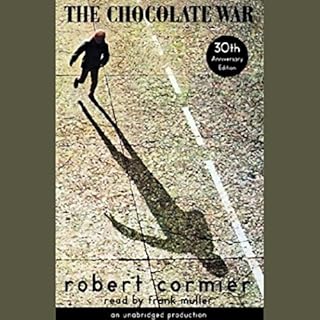
The Chocolate War
- De: Robert Cormier
- Narrado por: Frank Muller
- Duración: 5 h y 42 m
- Versión completa
-
General379
-
Narración:283
-
Historia280
One of the most controversial YA novels of all time, The Chocolate War is a modern masterpiece that speaks to fans of S. E. Hinton’s The Outsiders and John Knowles’s A Separate Peace. After suffering rejection from seven major publishers, The Chocolate War made its debut in 1974...
-
-
Been a long time since I saw this book...
- De Graham en 26-02-05
De: Robert Cormier

-
It's Kind of a Funny Story
- De: Ned Vizzini
- Narrado por: Robert Fass
- Duración: 8 h y 35 m
- Versión completa
-
General917
-
Narración:800
-
Historia797
Ambitious New York City teenager Craig Gilner is determined to succeed at life-which means getting into the right high school to get into the right college to get the right job. But once Craig aces his way into Manhattan's Executive Pre-Professional High School, the pressure becomes unbearable. He stops eating and sleeping until, one night, he nearly kills himself.
-
-
Really bad story
- De Nora en 20-08-18
De: Ned Vizzini

-
Aristotle and Dante Discover the Secrets of the Universe
- De: Benjamin Alire Sáenz
- Narrado por: Lin-Manuel Miranda
- Duración: 7 h y 29 m
- Versión completa
-
General10,050
-
Narración:9,164
-
Historia9,151
Now a major motion picture starring Max Pelayo, Reese Gonzales, and Eva Longoria! A Time Best YA Book of All Time (2021) The award-winning, internationally renowned book that is a “tender, honest exploration of identity” (Publishers Weekly) and distills lyrical truths about family and...
-
-
One of the best novels I've listened to in years.
- De Nyx en 27-10-13
- Markus Zusak - The Book Thief
- John Knowles - A Separate Peace
- John Green - The Fault in Our Stars
- William Golding - Lord of the Flies
- Sherman Alexie - The Absolutely True Diary of a Part-Time Indian
- Rainbow Rowell - Eleanor & Park
- Lois Lowry - The Giver
- Jay Asher - Thirteen Reasons Why
- John Green - Paper Towns
- Robert Cormier - The Chocolate War
- Ned Vizzini - It's Kind of a Funny Story
- Benjamin Alire Sáenz - Aristotle and Dante Discover the Secrets of the Universe
- Paul Zindel - The Pigman
- Louis Sachar - Holes
- Betty Smith - A Tree Grows in Brooklyn
- Sylvia Plath - The Bell Jar
How coming of age stories evolved
The roots of coming of age storytelling stretch back centuries, but the genre gained real momentum in the mid-20th century as writers began centering the adolescent perspective itself rather than treating youth as a prelude to more important adult concerns. What emerged was a space for stories that took teenage emotion, confusion, and rebellion seriously. Over time, the genre has expanded far beyond its literary origins to encompass everything from gritty realism to fantasy epics, all united by their focus on characters in transition.
Today, coming of age stories show up in many forms. Some lean into the rawness of adolescence, exploring trauma, family dysfunction, or social alienation with unflinching honesty. Others take a lighter touch, following characters through friendship drama, creative awakenings, or the bittersweet final days of summer. The genre also thrives in speculative settings, where magical powers or dystopian societies become metaphors for the very real experience of growing into yourself. Across all these variations, the emotional stakes remain high because the characters are figuring out who they are for the first time.
Coming of age stories often unfold over a single transformative period, whether that's one intense school year, a life-changing summer, or the span between childhood and leaving home. They tend to be character driven, with internal growth mattering as much as external plot. The intimacy of the listening experience suits these stories well, especially when told in first person, drawing you close to a character's inner world as they stumble toward adulthood.
Essential coming of age stories to start with

-
To Kill a Mockingbird
- De: Harper Lee
- Narrado por: Sissy Spacek
- Duración: 12 h y 17 m
- Versión completa
-
General49,102
-
Narración:43,634
-
Historia43,488
READ BY SISSY SPACEK Harper Lee's beloved Pulitzer Prize-winning classic of honor and injustice in the deep South—and the heroism of one man in the face of blind and violent hatred One of the most cherished stories of all time, To Kill a Mockingbird has earned many distinctions since its...
-
-
A gift to be treasured
- De David Shear en 09-07-14
De: Harper Lee

-
The Perks of Being a Wallflower
- De: Stephen Chbosky
- Narrado por: Noah Galvin
- Duración: 6 h y 23 m
- Versión completa
-
General4,322
-
Narración:3,786
-
Historia3,773
“A timeless story for every young person who needs to understand that they are not alone.” —Judy Blume “Once in a while, a novel comes along that becomes a generational touchstone. The Perks of Being a Wallflower is one of those books.” —R. J. Palacio, #1 New York Times bestselling...
-
-
You're Not Too Old To Read This
- De Anónimo en 06-08-18
De: Stephen Chbosky

-
The Outsiders
- De: S. E. Hinton
- Narrado por: Jim Fyfe
- Duración: 5 h y 9 m
- Versión completa
-
General10,413
-
Narración:8,520
-
Historia8,539
THE ICONIC INTERNATIONAL BESTSELLER WITH OVER 25 MILLION COPIES SOLD The inspiration for the Tony Award–winning Broadway musical! A heroic coming-of-age novel revolving around friendship, belonging, and brotherhood that has touched the hearts of readers for generations. “The Outsiders...
-
-
The Outsiders
- De Carol en 25-01-06
De: S. E. Hinton

-
Looking for Alaska
- De: John Green
- Narrado por: Wil Wheaton
- Duración: 6 h y 40 m
- Versión completa
-
General2,431
-
Narración:2,094
-
Historia2,088
NOW A HULU LIMITED SERIES! The award-winning, genre-defining debut from John Green, the #1 bestselling author of Turtles All the Way Down and The Fault in Our Stars Winner of the Michael L. Printz Award A Los Angeles Times Book Prize Finalist A New York...
-
-
I am concussed dot-dot-dot
- De Bren McKenna en 01-10-19
De: John Green
-
To Kill a Mockingbird
- De: Harper Lee
- Narrado por: Sissy Spacek
- Duración: 12 h y 17 m
- Versión completa
-
General49,102
-
Narración:43,634
-
Historia43,488
READ BY SISSY SPACEK Harper Lee's beloved Pulitzer Prize-winning classic of honor and injustice in the deep South—and the heroism of one man in the face of blind and violent hatred One of the most cherished stories of all time, To Kill a Mockingbird has earned many distinctions since its...
-
-
A gift to be treasured
- De David Shear en 09-07-14
De: Harper Lee
-
The Perks of Being a Wallflower
- De: Stephen Chbosky
- Narrado por: Noah Galvin
- Duración: 6 h y 23 m
- Versión completa
-
General4,322
-
Narración:3,786
-
Historia3,773
“A timeless story for every young person who needs to understand that they are not alone.” —Judy Blume “Once in a while, a novel comes along that becomes a generational touchstone. The Perks of Being a Wallflower is one of those books.” —R. J. Palacio, #1 New York Times bestselling...
-
-
You're Not Too Old To Read This
- De Anónimo en 06-08-18
De: Stephen Chbosky
-
The Outsiders
- De: S. E. Hinton
- Narrado por: Jim Fyfe
- Duración: 5 h y 9 m
- Versión completa
-
General10,413
-
Narración:8,520
-
Historia8,539
THE ICONIC INTERNATIONAL BESTSELLER WITH OVER 25 MILLION COPIES SOLD The inspiration for the Tony Award–winning Broadway musical! A heroic coming-of-age novel revolving around friendship, belonging, and brotherhood that has touched the hearts of readers for generations. “The Outsiders...
-
-
The Outsiders
- De Carol en 25-01-06
De: S. E. Hinton
-
Looking for Alaska
- De: John Green
- Narrado por: Wil Wheaton
- Duración: 6 h y 40 m
- Versión completa
-
General2,431
-
Narración:2,094
-
Historia2,088
NOW A HULU LIMITED SERIES! The award-winning, genre-defining debut from John Green, the #1 bestselling author of Turtles All the Way Down and The Fault in Our Stars Winner of the Michael L. Printz Award A Los Angeles Times Book Prize Finalist A New York...
-
-
I am concussed dot-dot-dot
- De Bren McKenna en 01-10-19
De: John Green
To Kill a Mockingbird by Harper Lee follows Scout Finch as she grows up in 1930s Alabama, witnessing her father defend a Black man falsely accused of assault. Through Scout's eyes, readers experience how childhood innocence confronts prejudice and injustice. The novel explores moral courage and empathy through events that force Scout to see her community differently. Lee's portrayal of a child grappling with complex social issues makes this an essential introduction to stories about moral awakening.
The Perks of Being a Wallflower by Stephen Chbosky unfolds through letters written by Charlie, a high school freshman navigating friendship, trauma, and identity. Charlie's observations capture the intensity of teenage emotions as he connects with two seniors who introduce him to new experiences. The story addresses mental health, abuse, and belonging with honesty and compassion. Chbosky creates an intimate portrait of adolescence that resonates with anyone who has felt like an outsider looking in.
The Outsiders by S.E. Hinton centers on Ponyboy Curtis, a 14-year-old caught between rival gangs in 1960s Oklahoma. The conflict between the working-class Greasers and wealthy Socs escalates into violence that changes Ponyboy's understanding of loyalty and class divisions. Hinton wrote this novel as a teenager herself, bringing authenticity to the struggles of young people seeking identity and acceptance. The story examines how circumstances shape who we become and the bonds that define us.
Looking for Alaska by John Green follows Miles Halter as he leaves for boarding school seeking what the poet François Rabelais called the Great Perhaps. There he meets Alaska Young, whose charisma and mystery draw him into a world of pranks, philosophy, and first love. A pivotal event midway through transforms the story into an exploration of grief, guilt, and finding meaning. Green captures the intellectual and emotional intensity of teenage life with humor and depth.
Stories of growth with earned optimism

-
Anne Of Green Gables
- De: L.M. Montgomery
- Narrado por: Barbara Barnes, Full Cast, Sean Baker, y otros
- Duración: 2 h y 23 m
- Versión completa
-
General36
-
Narración:27
-
Historia26
Matthew and Marilla Cuthbert have sent to the orphanage for a boy. So when a skinny, red-haired girl turns up, she is not quite what they had in mind. Anne Shirley soon sets the quiet island community of Avonlea talking of little else. With her incessant chatter and intense imagination, things...
-
-
Best Ever
- De Amazon Customer en 02-05-20
De: L.M. Montgomery

-
Little Women
- De: Louisa May Alcott
- Narrado por: Barbara Caruso
- Duración: 19 h y 37 m
- Versión completa
-
General3,600
-
Narración:3,044
-
Historia3,039
Little Women by Louisa May Alcott is a classic novel originally published in 1868. It tells the story of four sisters, Meg, Jo, Beth, and Amy March, and their coming of age during the American Civil War. With the help of their beloved mother and their beloved neighbor, Mr. Laurence, the girls learn valuable lessons about love, family, and the importance of giving back to the community. Along the way, they learn the importance of resilience and self-determination, as they face various hardships and struggles.
-
-
Head's Up #3!
- De Dr. Daniel Chapman en 07-09-14

-
The Secret Life of Bees
- De: Sue Monk Kidd
- Narrado por: Jenna Lamia
- Duración: 9 h y 54 m
- Versión completa
-
General8,344
-
Narración:7,105
-
Historia7,072
An intoxicating debut novel of "one motherless daughter's discovery of...the strange and wonderful places we find love" —The Washington PostSue Monk Kidd's ravishing debut novel has stolen the hearts of reviewers and readers alike with its strong, assured voice. Set in...
-
-
Awesome narrator
- De Joey en 17-05-10
De: Sue Monk Kidd

-
Wonder
- De: R. J. Palacio
- Narrado por: Kaya McLean, Lila Sage Bromley, Dariana Alvarez, y otros
- Duración: 7 h y 10 m
- Versión completa
-
General919
-
Narración:724
-
Historia724
THE ICONIC #1 NEW YORK TIMES BESTSELLER WITH MORE THAN 16 MILLION COPIES SOLD “A crackling page-turner filled with characters you can’t help but root for.”—Entertainment Weekly Meet Auggie Pullman, an ordinary kid with an extraordinary face—who shows us that kindness brings us together...
-
-
Must-read for kids!
- De Diane GP en 10-01-23
De: R. J. Palacio
-
Anne Of Green Gables
- De: L.M. Montgomery
- Narrado por: Barbara Barnes, Full Cast, Sean Baker, y otros
- Duración: 2 h y 23 m
- Versión completa
-
General36
-
Narración:27
-
Historia26
Matthew and Marilla Cuthbert have sent to the orphanage for a boy. So when a skinny, red-haired girl turns up, she is not quite what they had in mind. Anne Shirley soon sets the quiet island community of Avonlea talking of little else. With her incessant chatter and intense imagination, things...
-
-
Best Ever
- De Amazon Customer en 02-05-20
De: L.M. Montgomery
-
Little Women
- De: Louisa May Alcott
- Narrado por: Barbara Caruso
- Duración: 19 h y 37 m
- Versión completa
-
General3,600
-
Narración:3,044
-
Historia3,039
Little Women by Louisa May Alcott is a classic novel originally published in 1868. It tells the story of four sisters, Meg, Jo, Beth, and Amy March, and their coming of age during the American Civil War. With the help of their beloved mother and their beloved neighbor, Mr. Laurence, the girls learn valuable lessons about love, family, and the importance of giving back to the community. Along the way, they learn the importance of resilience and self-determination, as they face various hardships and struggles.
-
-
Head's Up #3!
- De Dr. Daniel Chapman en 07-09-14
-
The Secret Life of Bees
- De: Sue Monk Kidd
- Narrado por: Jenna Lamia
- Duración: 9 h y 54 m
- Versión completa
-
General8,344
-
Narración:7,105
-
Historia7,072
An intoxicating debut novel of "one motherless daughter's discovery of...the strange and wonderful places we find love" —The Washington PostSue Monk Kidd's ravishing debut novel has stolen the hearts of reviewers and readers alike with its strong, assured voice. Set in...
-
-
Awesome narrator
- De Joey en 17-05-10
De: Sue Monk Kidd
-
Wonder
- De: R. J. Palacio
- Narrado por: Kaya McLean, Lila Sage Bromley, Dariana Alvarez, y otros
- Duración: 7 h y 10 m
- Versión completa
-
General919
-
Narración:724
-
Historia724
THE ICONIC #1 NEW YORK TIMES BESTSELLER WITH MORE THAN 16 MILLION COPIES SOLD “A crackling page-turner filled with characters you can’t help but root for.”—Entertainment Weekly Meet Auggie Pullman, an ordinary kid with an extraordinary face—who shows us that kindness brings us together...
-
-
Must-read for kids!
- De Diane GP en 10-01-23
De: R. J. Palacio
Anne of Green Gables by L.M. Montgomery follows an orphaned girl whose imagination and fierce spirit help her find belonging in rural Prince Edward Island. Anne Shirley arrives at Green Gables by mistake, unwanted by the siblings who requested a boy to help with farm work. Her journey through rejection, academic rivalry, and social missteps feels authentic because Montgomery never pretends acceptance comes easily. By the story's end, Anne has transformed her community as much as it has shaped her, proving that determination and kindness can carve out a place to call home.
Little Women by Louisa May Alcott chronicles the March sisters as they navigate poverty, ambition, and loss during the Civil War era. Jo, Meg, Beth, and Amy each face distinct challenges that test their childhood dreams against adult realities. Alcott doesn't shy away from heartbreak or compromise, yet the novel closes with each sister having forged a meaningful life on her own terms. The ending affirms that growing up means adapting your dreams rather than abandoning them, and that family bonds can stretch without breaking.
The Secret Life of Bees by Sue Monk Kidd follows fourteen year old Lily Owens as she escapes her abusive father in 1960s South Carolina, searching for answers about her deceased mother. Lily finds refuge with three beekeeping sisters whose strength and warmth offer her a new vision of family. Kidd weaves racial tension and personal trauma throughout, never minimizing the weight of either. The resolution brings Lily clarity about her past and a hard won sense of peace, showing that healing requires both truth and community.
Wonder by R.J. Palacio tells the story of August Pullman, a fifth grader with severe facial differences attending school for the first time. Auggie endures bullying, isolation, and the exhausting work of helping others see past his appearance. Palacio shifts perspectives to show how Auggie's presence challenges everyone around him to become braver and kinder. The book ends with recognition and acceptance, but only after Auggie and his peers have done the difficult emotional labor that real change demands.
Coming of age beyond Western settings

-
The Kite Runner
- De: Khaled Hosseini
- Narrado por: Khaled Hosseini
- Duración: 12 h y 1 m
- Versión completa
-
General21,105
-
Narración:14,869
-
Historia14,875
A Stunning Novel of Hope and Redemption Taking us from Afghanistan in the final days of the monarchy to the present, The Kite Runner is the unforgettable and beautifully told story of the friendship between two boys growing up in Kabul. Raised in the same household and sharing the same wet nurse...
-
-
A Worhty Read
- De P. C..S. en 17-08-03
De: Khaled Hosseini

-
Purple Hibiscus
- De: Chimamanda Ngozi Adichie
- Narrado por: Lisette Lecat
- Duración: 10 h y 53 m
- Versión completa
-
General2,205
-
Narración:1,945
-
Historia1,943
In Purple Hibiscus, she recounts the story of a young Nigerian girl searching for freedom. Although her father is greatly respected within their community, 15-year-old Kambili knows a frighteningly strict and abusive side to this man. In many ways, she and her family lead a privileged life, but Kambili and her brother, Jaja, are often punished for failing to meet their father’s expectations. After visiting her aunt and cousins, Kambili dreams of being part of a loving family.
-
-
Could improve sound quality
- De Brisa A. en 14-03-15

-
The God of Small Things
- De: Arundhati Roy
- Narrado por: Sneha Mathan
- Duración: 11 h y 45 m
- Versión completa
-
General2,839
-
Narración:2,527
-
Historia2,523
Likened to the works of Faulkner and Dickens when it was first published 20 years ago, this extraordinarily accomplished debut novel is a brilliantly plotted story of forbidden love and piercing political drama, centered on the tragic decline of an Indian family in the state of Kerala, on the southernmost tip of India. Armed only with the invincible innocence of children, the twins Rahel and Esthappen fashion a childhood for themselves in the shade of the wreck that is their family.
-
-
Worthy Booker winner!
- De Saman en 10-08-17
De: Arundhati Roy

-
Persepolis
- The History and Legacy of the Ancient Persian Empire's Capital City
- De: Charles River Editors
- Narrado por: Scott Clem
- Duración: 1 h y 3 m
- Versión completa
-
General6
-
Narración:6
-
Historia6
Lying in the middle of a plain in modern-day Iran is a forgotten ancient city, Persepolis. Built two and a half thousand years ago, it was known in its day as the richest city under the sun. Persepolis was the capital of Persia, the largest empire the world had ever seen, but after its destruction, it was largely forgotten for nearly 2,000 years, and the lives and achievements of those who built it were almost entirely erased from history.
-
The Kite Runner
- De: Khaled Hosseini
- Narrado por: Khaled Hosseini
- Duración: 12 h y 1 m
- Versión completa
-
General21,105
-
Narración:14,869
-
Historia14,875
A Stunning Novel of Hope and Redemption Taking us from Afghanistan in the final days of the monarchy to the present, The Kite Runner is the unforgettable and beautifully told story of the friendship between two boys growing up in Kabul. Raised in the same household and sharing the same wet nurse...
-
-
A Worhty Read
- De P. C..S. en 17-08-03
De: Khaled Hosseini
-
Purple Hibiscus
- De: Chimamanda Ngozi Adichie
- Narrado por: Lisette Lecat
- Duración: 10 h y 53 m
- Versión completa
-
General2,205
-
Narración:1,945
-
Historia1,943
In Purple Hibiscus, she recounts the story of a young Nigerian girl searching for freedom. Although her father is greatly respected within their community, 15-year-old Kambili knows a frighteningly strict and abusive side to this man. In many ways, she and her family lead a privileged life, but Kambili and her brother, Jaja, are often punished for failing to meet their father’s expectations. After visiting her aunt and cousins, Kambili dreams of being part of a loving family.
-
-
Could improve sound quality
- De Brisa A. en 14-03-15
-
The God of Small Things
- De: Arundhati Roy
- Narrado por: Sneha Mathan
- Duración: 11 h y 45 m
- Versión completa
-
General2,839
-
Narración:2,527
-
Historia2,523
Likened to the works of Faulkner and Dickens when it was first published 20 years ago, this extraordinarily accomplished debut novel is a brilliantly plotted story of forbidden love and piercing political drama, centered on the tragic decline of an Indian family in the state of Kerala, on the southernmost tip of India. Armed only with the invincible innocence of children, the twins Rahel and Esthappen fashion a childhood for themselves in the shade of the wreck that is their family.
-
-
Worthy Booker winner!
- De Saman en 10-08-17
De: Arundhati Roy
-
Persepolis
- The History and Legacy of the Ancient Persian Empire's Capital City
- De: Charles River Editors
- Narrado por: Scott Clem
- Duración: 1 h y 3 m
- Versión completa
-
General6
-
Narración:6
-
Historia6
Lying in the middle of a plain in modern-day Iran is a forgotten ancient city, Persepolis. Built two and a half thousand years ago, it was known in its day as the richest city under the sun. Persepolis was the capital of Persia, the largest empire the world had ever seen, but after its destruction, it was largely forgotten for nearly 2,000 years, and the lives and achievements of those who built it were almost entirely erased from history.
The Kite Runner by Khaled Hosseini follows Amir, a privileged boy in 1970s Kabul, as he navigates friendship, betrayal, and the weight of guilt against the backdrop of Afghanistan's tumultuous history. The story examines how class divisions and ethnic tensions shape childhood bonds, and how one moment of cowardice can echo across decades. Amir's journey from boyhood in a peaceful Kabul to exile and eventual reckoning reveals how personal failures intertwine with a nation's tragedy.
Purple Hibiscus by Chimamanda Ngozi Adichie centers on fifteen-year-old Kambili, whose sheltered life in Nigeria is governed by her father's strict Catholic faith and violent perfectionism. When she visits her aunt's home, Kambili discovers warmth, laughter, and a different way of living that awakens her voice and sense of self. Set during Nigeria's political upheaval, the novel explores how authoritarian control within a family mirrors the oppression of a military regime, and how love can create space for transformation.
The God of Small Things by Arundhati Roy tells the story of fraternal twins Rahel and Estha growing up in Kerala, India, where rigid caste systems and social conventions dictate every aspect of life. The novel moves between their childhood in the 1960s and their reunion as adults, revealing how a single forbidden relationship shattered their family. Roy examines how India's "Love Laws" determine who should be loved and how much, showing the devastating cost of transgressing boundaries in a society built on hierarchy.
Persepolis by Marjane Satrapi is a graphic memoir that chronicles the author's childhood and adolescence in Iran during and after the Islamic Revolution. Marjane grows up caught between her progressive family's values and the increasingly restrictive regime that reshapes daily life, from mandatory veils to the horrors of war with Iraq. Her journey from a rebellious girl in Tehran to a lonely teenager in Vienna captures the particular challenges of coming of age between two worlds, belonging fully to neither.
Classics that defined the genre

-
A Portrait of the Artist as a Young Man
- De: James Joyce
- Narrado por: Colin Farrell
- Duración: 8 h y 17 m
- Versión completa
-
General1,786
-
Narración:1,568
-
Historia1,558
This quintessential coming-of-age novel describes the early life of Stephen Dedalus. It is set in Ireland during the 19th century, which was a time of emerging Irish nationalism and conservative Catholicism. Highly autobiographical in nature, the work is also notable for its being the first one in which Joyce uses innovative “stream of consciousness” writing style. A Portrait... follows Stephen Dedalus from his babyhood into early adulthood.
-
-
Bitterly disappointed
- De James en 29-01-19
De: James Joyce

-
Great Expectations
- De: Charles Dickens
- Narrado por: Simon Prebble
- Duración: 18 h y 32 m
- Versión completa
-
General5,949
-
Narración:5,308
-
Historia5,296
One of the most revered works in English literature, Great Expectations traces the coming of age of a young orphan, Pip, from a boy of shallow aspirations into a man of maturity. From the chilling opening confrontation with an escaped convict to the grand but eerily disheveled estate of bitter old Miss Havisham, all is not what it seems in Dickens’ dark tale of false illusions and thwarted desire.
-
-
The narrator!!
- De Dana en 13-06-13
De: Charles Dickens

-
Jane Eyre
- De: Charlotte Brontë
- Narrado por: Thandiwe Newton
- Duración: 19 h y 10 m
- Versión completa
-
General21,901
-
Narración:20,055
-
Historia19,976
Following Jane from her childhood as an orphan in Northern England through her experience as a governess at Thornfield Hall, Charlotte Brontë's Gothic classic is an early exploration of women's independence in the mid-19th century and the pervasive societal challenges women had to endure. At Thornfield, Jane meets the complex and mysterious Mr. Rochester, with whom she shares a complicated relationship that ultimately forces her to reconcile the conflicting passions of romantic love and religious piety.
-
-
Perfect!!
- De Amazon Customer en 21-04-16
De: Charlotte Brontë

-
Adventures of Huckleberry Finn: A Signature Performance by Elijah Wood
- De: Mark Twain
- Narrado por: Elijah Wood
- Duración: 10 h y 10 m
- Versión completa
-
General15,492
-
Narración:13,730
-
Historia13,675
Ernest Hemingway said, “All modern American literature comes from one book by Mark Twain called Huckleberry Finn". One hundred years after its author’s death, this classic remains remarkably modern and poignantly relevant. In this new edition, Elijah Wood reads Huck in a youthful voice that may be the closest interpretation to Twain’s original intent. His performance captures the excitement and confusion of adolescence and adventure.
-
-
Masterful Narration
- De Michael Balzoa en 11-03-11
De: Mark Twain
-
A Portrait of the Artist as a Young Man
- De: James Joyce
- Narrado por: Colin Farrell
- Duración: 8 h y 17 m
- Versión completa
-
General1,786
-
Narración:1,568
-
Historia1,558
This quintessential coming-of-age novel describes the early life of Stephen Dedalus. It is set in Ireland during the 19th century, which was a time of emerging Irish nationalism and conservative Catholicism. Highly autobiographical in nature, the work is also notable for its being the first one in which Joyce uses innovative “stream of consciousness” writing style. A Portrait... follows Stephen Dedalus from his babyhood into early adulthood.
-
-
Bitterly disappointed
- De James en 29-01-19
De: James Joyce
-
Great Expectations
- De: Charles Dickens
- Narrado por: Simon Prebble
- Duración: 18 h y 32 m
- Versión completa
-
General5,949
-
Narración:5,308
-
Historia5,296
One of the most revered works in English literature, Great Expectations traces the coming of age of a young orphan, Pip, from a boy of shallow aspirations into a man of maturity. From the chilling opening confrontation with an escaped convict to the grand but eerily disheveled estate of bitter old Miss Havisham, all is not what it seems in Dickens’ dark tale of false illusions and thwarted desire.
-
-
The narrator!!
- De Dana en 13-06-13
De: Charles Dickens
-
Jane Eyre
- De: Charlotte Brontë
- Narrado por: Thandiwe Newton
- Duración: 19 h y 10 m
- Versión completa
-
General21,901
-
Narración:20,055
-
Historia19,976
Following Jane from her childhood as an orphan in Northern England through her experience as a governess at Thornfield Hall, Charlotte Brontë's Gothic classic is an early exploration of women's independence in the mid-19th century and the pervasive societal challenges women had to endure. At Thornfield, Jane meets the complex and mysterious Mr. Rochester, with whom she shares a complicated relationship that ultimately forces her to reconcile the conflicting passions of romantic love and religious piety.
-
-
Perfect!!
- De Amazon Customer en 21-04-16
De: Charlotte Brontë
-
Adventures of Huckleberry Finn: A Signature Performance by Elijah Wood
- De: Mark Twain
- Narrado por: Elijah Wood
- Duración: 10 h y 10 m
- Versión completa
-
General15,492
-
Narración:13,730
-
Historia13,675
Ernest Hemingway said, “All modern American literature comes from one book by Mark Twain called Huckleberry Finn". One hundred years after its author’s death, this classic remains remarkably modern and poignantly relevant. In this new edition, Elijah Wood reads Huck in a youthful voice that may be the closest interpretation to Twain’s original intent. His performance captures the excitement and confusion of adolescence and adventure.
-
-
Masterful Narration
- De Michael Balzoa en 11-03-11
De: Mark Twain
A Portrait of the Artist as a Young Man by James Joyce follows Stephen Dedalus from childhood through university as he wrestles with religion, nationality, and family expectations in early 20th century Ireland. Joyce maps the interior landscape of a young mind with startling precision, showing how Stephen gradually sheds the constraints of his upbringing to pursue his calling as an artist. The novel captures that pivotal moment when you realize the life others planned for you isn't the one you need to live.
Great Expectations by Charles Dickens traces the journey of Pip, an orphan who dreams of becoming a gentleman after a mysterious benefactor promises him a fortune. Dickens explores how ambition and shame can warp a young person's values, and how Pip must unlearn the false lessons of class and status to discover what truly matters. The story endures because it asks whether we can outgrow our mistakes and find our way back to the people who loved us before we knew to want more.
Jane Eyre by Charlotte Brontë follows a plain, penniless orphan who refuses to accept the limitations society places on her. From a cruel boarding school to her position as governess at Thornfield Hall, Jane insists on her own dignity and worth even when the world tells her she has none. Brontë created a character who chooses integrity over security, showing that growing up sometimes means walking away from what you want most to preserve who you are.
The Adventures of Huckleberry Finn by Mark Twain sends a boy and an escaped slave down the Mississippi River, where Huck must choose between the racist society that raised him and his own sense of right and wrong. Twain captures the moral awakening of a child who learns to trust his conscience over the corrupt values of adults. The novel remains powerful because it shows that growing up can mean recognizing that everything you were taught might be wrong.