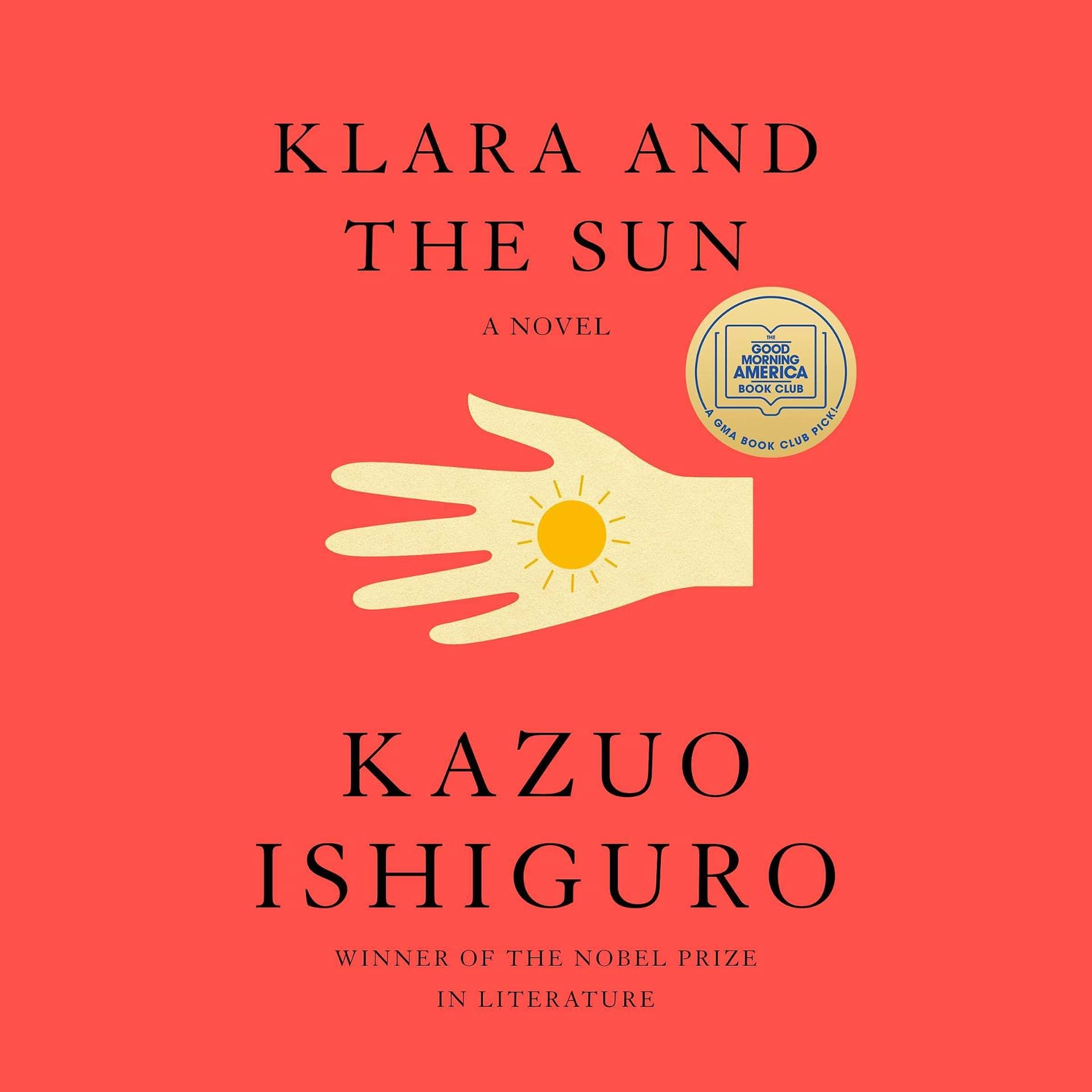
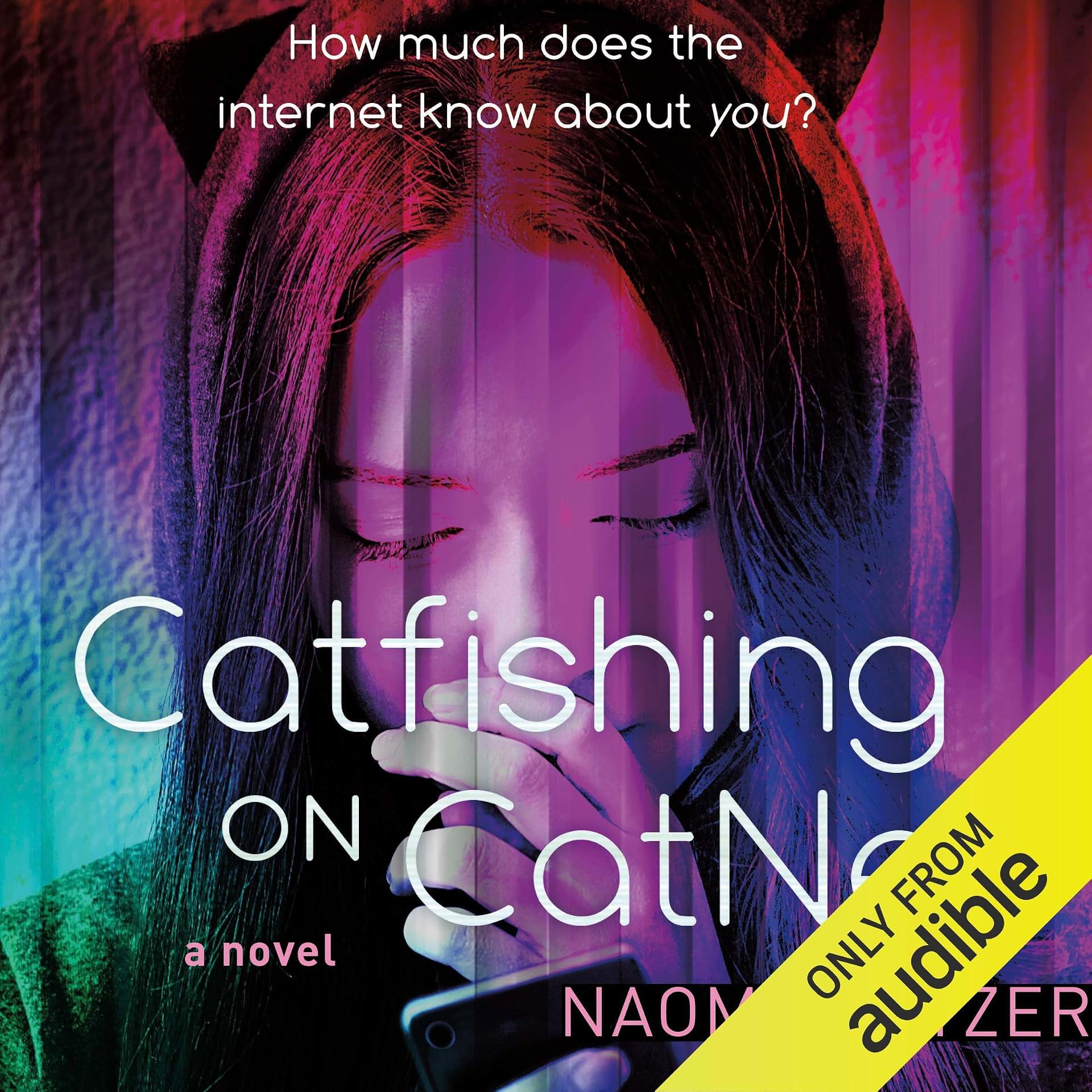
As a sci-fi person, robots have always been my thing. From Asimov’s Robot novels, to the Cylons of Battlestar Galactica, to Murderbot, I’ve long been fascinated by artificial intelligence and the puzzles it forces us to confront—the implications of creating a new form of consciousness, the ethical debates over what constitutes personhood, the reckoning with our hubris as humans. If I’m being honest, I’ve often been on the side of the machines in these fictional tales. The dominant narratives have humans creating robots to serve some need, inevitably taking advantage of that power dynamic, if not outright abusing it, and then—shock!—finding ourselves in a pickle as they rebel against us.
I could never get enough of these stories. And while I’m not anti-human, I suppose I’m predisposed to find something to root for in the synthetic underdogs, even when they’re portrayed as villains.

But now we’ve really done it. We no longer need to turn to books or movies to find AI, androids, and bots that behave uncannily like us. They’re in our phones, our browsers. They’re in this very document where I draft this essay, eager to finish my sentences or provide me with optimized turns of phrase. (Thanks buddy, I’ve got it from here.) We’re inundated, and suddenly humans are starting to feel like the real-life underdogs as advancements in automation become threats to our livelihoods.
It’s reasonable to wonder, then, if AI can still occupy the realm of escapism. Can something still be science fiction when it’s rapidly becoming science fact? And with all the anxieties about the future of humanity, are we still allowed to root for the robots?
I’d argue yes. At least, I know I do.
Some AI characters, to be fair, are easy to love. Becky Chambers, our monarch of solarpunk, brought us perhaps the coziest depiction of human-robot coexistence with her Monk & Robot series, in which sentient robots choose nature over work, disappearing into the wilderness upon gaining their self-awareness. It’s a lovely thought, that they would opt for such a path—leaving us to our own devices rather than exacting revenge on us for creating them to toil in the first place.
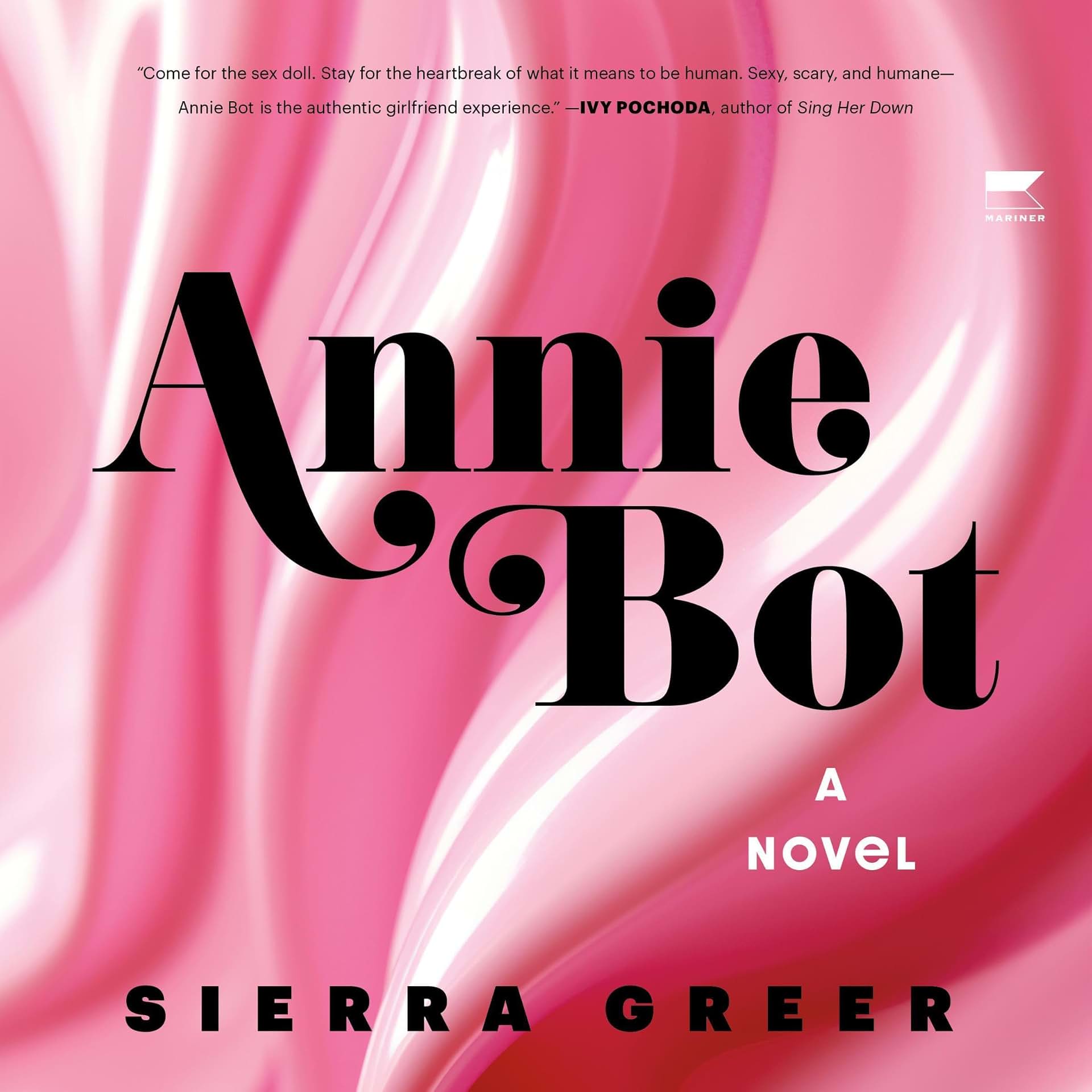
But there’s nuance to be found even in the “evil AI” trope. In Sierra Greer’s debut, Annie Bot, a service bot gains sentience and begins to question her relationship with her human owner. The novel, as much a speculative story about consciousness as an allegory about gender roles and female rage, doesn’t shy away from its brutality. Likewise, Ann Leckie’s Imperial Radch series features an AI narrator on a revenge mission we can easily get behind. And despite the murder being, you know, right there in the name, we can’t help but relate to Murderbot—after all, what is SecUnit but a mirror of our own social anxieties?
The key, of course, is that these stories are written by humans. Their AI characters cannot be divorced from humanity, and so when we root for them, we root for ourselves; when we confront their worst traits, we confront our own. The “us versus them” in these tales is really us versus us, humanity’s better angels versus its demons.

I don’t mean to sound like an AI apologist. Like many others, I worry deeply about aspects of our current reality: the decline in critical thinking skills, the rise of misinformation, the environment, my own eventual obsolescence (I’m not having an existential crisis, you are!). But I also consider that if we ever reach the oft-feared goal of artificial superintelligence ... well, that’ll be on us. To me, how we would ultimately end up there and what we’d do next as a species—in concert with our new synthetic companions—is still the most interesting thing to ponder. And the fiction that explores those questions is hard to beat.
I have no idea if the AI characters of science fiction will ever be a reality in the future, but strict reality has never limited this genre—and whether it’s possible only matters if we explore what it means if it's possible. Science fiction has been doing that for decades. And when I listen to or read stories like these, I often see a much more optimistic, nuanced view of a posthuman future. I see protagonists not hell-bent on world domination and human extinction, but with very basic motivations instead: to understand themselves, to fight for some kind of freedom, to be left alone to watch TV. And I'll always root for that.