Episodios

  • Episode 561: Healing Chronic Lyme Through Terrain, Stress Physiology & Liquid Intelligence | Frédéric Roscop
    Apr 4 2026
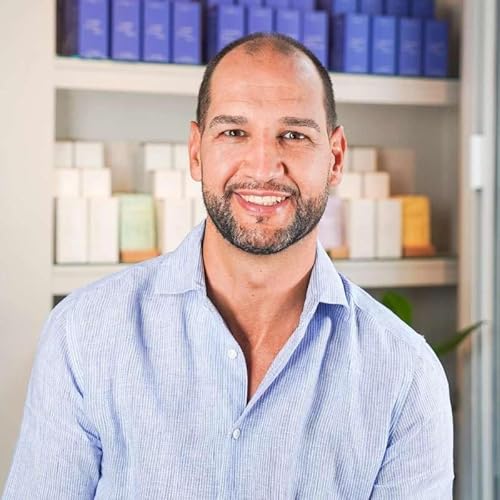
    Frédéric Roscop, French-born osteopath and founder of AEQUIL, joins the Tick Boot Camp Podcast as our first-ever in-studio international guest, flying in from London to Long Island to share his personal battle with chronic Lyme disease—and the breakthrough that reshaped his life and career. After decades of unexplained symptoms, misdiagnoses, heart inflammation, neurological dysfunction, and failed treatment attempts across multiple countries, Frédéric discovered that killing microbes alone wasn’t enough. His recovery began when he shifted focus from chasing pathogens to restoring the body’s foundational terrain—supporting immune regulation, detoxification, cellular function, stress physiology, and energetic balance. In this deeply reflective and technical conversation, Frédéric shares how childhood tick exposure in rural France, years of undiagnosed Borrelia and Bartonella infection, and repeated medical dead-ends ultimately led him to develop a patented biotech system designed to help others reset their foundational wellbeing. What You’ll Learn in This Episode Growing Up in Tick Territory Frédéric describes growing up in rural France, frequently covered in ticks as a child—long before Lyme disease was widely recognized in Europe. Early symptoms included: Chronic insomnia and hyperactivityDigestive dysfunction and blood sugar instabilityVisual disturbances and light sensitivityEmotional instability and neurological symptomsRecurrent inflammation At 16, following general anesthesia for a broken nose, he experienced what he now recognizes as a major Lyme “crash,” leading to cognitive decline, emotional dysregulation, and worsening physical inflammation. Heart Inflammation & Athletic Collapse By age 17–18, Frédéric’s promising volleyball career ended due to inflammatory joint disease and recurring pericarditis (heart inflammation)—which would return six times over the next 15 years. Antibiotics temporarily improved symptoms, but the root cause remained unidentified. “I Didn’t Even Know What Lyme Disease Was” As a young osteopath in practice, Frédéric recalls a patient asking whether her symptoms could be Lyme disease. At the time, he had never been trained on it. Years later, another patient was hospitalized with Lyme-related encephalitis—triggering Frédéric’s realization that Lyme might explain both his patients’ suffering and his own. This episode includes an honest discussion about: Medical training gapsDiagnostic limitationsThe importance of humility in healthcareWhy the doctor–patient relationship must be a partnership Diagnosis: Borrelia, Bartonella & More Specialty testing eventually revealed: BorreliaBartonellaViral findings including Epstein-Barr Virus (EBV)Heavy metal burden (notably elevated mercury) Frédéric began aggressive antibiotic and detox protocols—but experienced severe gut collapse and worsening terrain. Despite trying treatments across Europe, the U.S., China, India, and Switzerland—including antimicrobial, herbal, and integrative approaches—he improved only marginally. The Turning Point: It’s Not Just the Bug — It’s the Terrain Frédéric revisited the foundational debate in medicine: Louis Pasteur: It’s the germ.Claude Bernard: It’s the terrain. His breakthrough came when he shifted focus to rebuilding: Gut functionCellular membranesDetox pathwaysNervous system regulationEmotional and energetic resilience Rather than focusing exclusively on killing microbes, he asked: Does the body have the capacity to self-regulate and self-repair? From that question, AEQUIL was born. What Is AEQUIL? AEQUIL is a biotech wellness system built around a patented technology Frédéric calls Liquid Intelligence — a formulation combining: Structured/dynamised waterBotanicalsVitamins and electrolytesBiochemical and biophysical support The system supports: Brain, heart, gut, liver, and immune foundationsDetoxification and lymphatic flowStress physiologyEmotional and energetic regulation The AEQUIL Deep Reset System Maintain (Foundational Support) A daily liquid formula designed to nourish the body’s core systems and support cellular regulation. Suggested use: ½ teaspoon morning½ teaspoon evening Reset (Deep Reset Protocol) A structured approach to support: Microorganisms (bacteria, viruses, fungi, parasites)Micro-toxins (detox pathways)Micro-traumas (stress and emotional stagnation) The protocol is phased to reduce Herx reactions and build resilience gradually, with many users reporting a noticeable physiological shift around weeks 8–10. Everyday Support Wearable patches and digital wellness tools (affirmations, breathwork) designed to support mood, sleep, energy, and immune balance during recovery. Core Message of This Episode Chronic Lyme recovery is rarely about one silver bullet. It requires: Restoring foundational systemsSupporting detox and immune functionAddressing nervous system and stress patternsRecognizing both ...
    Más Menos
    1 h y 41 m
  • Episode 560: MCAS, Chronic Lyme Disease, GLP-1 Agonists, Biofilms, and the Future of Precision Medicine — Dr. Tania Dempsey, MD
    Mar 28 2026
    GLP-1 Agonists, MCAS, Lyme Disease, and the Future of Precision Medicine In this powerful Tick Boot Camp Podcast interview, Matt Sabatello sits down with Dr. Tania Dempsey, MD, a board-certified internal medicine physician and internationally recognized expert in Mast Cell Activation Syndrome (MCAS), Lyme disease, autoimmune conditions, and complex chronic illness. In this comprehensive conversation, Dr. Dempsey delivers one of the most forward-thinking and in-depth discussions ever featured on the podcast — connecting the dots between persistent symptoms after Lyme, immune dysregulation, biofilms, nervous system dysfunction, and groundbreaking research on GLP-1 receptor agonists as mast-cell stabilizers. This episode offers science, clinical insight, and — most importantly — hope for patients who have tried everything and are still struggling. Lyme Disease, MCAS, and Why Patients Stay Sick Why Treating Lyme Alone Is Often Not Enough Dr. Dempsey explains why many patients continue to experience inflammation, pain, neurological symptoms, and relapses even after treating Lyme disease and co-infections. According to her clinical experience, this is most often due to primary Mast Cell Activation Syndrome, not persistent infection alone. Key insight: > Lyme disease frequently acts as the trigger, but MCAS is often the driver of ongoing symptoms. Dr. Dempsey clarifies the critical difference between: Primary MCAS (pre-existing immune dysfunction worsened by infections)Secondary MCAS (rare; resolves completely once infection is treated) She notes that in decades of clinical practice, she has never seen true secondary MCAS fully resolve without ongoing mast-cell management. SOT Therapy: When, Why, and How It Works Best Dr. Dempsey provides a nuanced and experience-based explanation of Supportive Oligonucleotide Technique (SOT) for Lyme and co-infections. She addresses common criticism: One-time SOT treatments are rarely sufficientChronic Lyme often involves multiple strains of Borrelia , Babesia , and Bartonella Her most successful cases involve: Repeated testingSequential SOT treatments targeting specific strainsImmune system support between roundsAdjunctive therapies such as herbs, antiparasitics, and mast-cell stabilization She shares a remarkable case of a young woman with severe neuropsychiatric symptoms who — after years of persistent SOT treatment combined with MCAS management — is now thriving, off psychiatric medications, and successfully completing college. Biofilms: Why They Matter in Chronic Infection Dr. Dempsey firmly states that biofilms are a critical barrier to recovery in chronically ill patients. Key points: Biofilms exist in the gut, sinuses, blood, and tissuesThey protect microbes from antibiotics, herbs, and immune attackResistant biofilms may involve extracellular DNA (Z-DNA), discussed at ILADS Therapies discussed: Enzymes such as lumbrokinase and nattokinaseOzone therapyTherapeutic Plasma Exchange (TPE) for severe cases Her message is clear: if you cannot reach microbial reservoirs hidden in biofilms, infections cannot be fully controlled. GLP-1 Agonists, Immune Modulation, and Breakthrough MCAS Research GLP-1 Receptor Agonists as Mast-Cell Stabilizers Dr. Dempsey presents groundbreaking findings from her published case series: “The Utility of GLP-1 Receptor Agonists in Mast Cell Activation Syndrome” Key details: 47-patient case seriesMicro-dosing of GLP-1 agonistsPrimary medications used: tirzepatide (Mounjaro / Zepbound) and semaglutide (Ozempic / Wegovy) Unlike weight-loss protocols, Dr. Dempsey uses very low doses to target immune modulation — not appetite suppression. What GLP-1 Therapy Improved in MCAS & Lyme Patients Reported improvements included: Cognitive clarity and brain fogChronic painNeuropsychiatric symptomsAnxiety and depressionGastrointestinal symptomsSystemic inflammationHormonal dysregulation In some cases, patients experienced improvement within one or two doses. Dr. Dempsey explains that mast cells express GLP-1 receptors, and activation sends a signal of safety, reducing inflammatory mediator release. Unexpected Findings: Muscle Mass and Antibody Reduction Contrary to common concerns, Dr. Dempsey observed: Preserved or increased muscle mass in the majority of patientsImproved mitochondrial function and exercise toleranceReduction in chronic antibody production (including Lyme Western Blot bands) She shares a striking case where a patient with long-standing positive Lyme antibodies saw antibody levels decline for the first time in over a decade after GLP-1 therapy — despite infection already being treated. This supports her hypothesis: > MCAS can drive persistent immune activation even when infection is no longer present. Side Effects, Screening & Who Should Not Use GLP-1s Potential side effects (usually mild): NauseaDelayed gastric emptyingOccasional vomiting in sensitive patients Important clinical notes: Some patients respond better to ...
    Más Menos
    2 h y 1 m
  • Episode 559: Restoring and Rebuilding Your Identity: Healing Lyme Disease Beyond the Physical | Live Webinar
    Mar 21 2026
    In this special Tick Boot Camp Podcast conversation recorded for Dr. Bill Rawls’ Vital Plan Network as part of the Cellular Healing Boot Camp Series, Tick Boot Camp co-hosts Matt Sabatello and Rich Johannesen join Liza Blas (Vital Plan Network Community Manager) to unpack one of the most overlooked—but most transformative—parts of chronic illness recovery: rebuilding identity. This episode serves as a follow-up to Lesson 16 in the Boot Camp (watch full lesson) and expands the framework Rich introduced in the lesson—showing how chronic Lyme disease and complex chronic illness can dysregulate not only the body, but also the mind, nervous system, and sense of meaning and connection. Together, they explore the “patterns” they’ve observed through 650+ Tick Boot Camp interviews with patients, doctors, and researchers—and how those patterns point toward a more complete roadmap for healing.https://community.vitalplan.com/ What You’ll Learn in This Episode Why healing from chronic Lyme disease is rarely “just physical”The key recovery patterns observed across 650+ patient interviewsHow identity gets disrupted by chronic illness—and how to rebuild itThe difference between faith vs. doubt as forms of beliefThe “Big Three Lies” that shape a harmful Lyme identityHow the nervous system, stress hormones, and immune dysfunction feed each otherWhy “it’s never just one thing” when it comes to recoveryPractical tools for hard days: breathwork, gratitude, pacing, and nervous system supportA step-by-step “path forward” that includes physical, psychological, and spiritual healing Key Themes and Takeaways 1) The Tick Boot Camp Origin Story (and Why Patterns Matter) Rich shares the moment Tick Boot Camp was born: seeing Matt go from a healthy, high-performing young man to being severely disabled by chronic illness—then watching him fight his way back. That personal crisis, combined with Rich’s own tick bite and lack of competent medical guidance, revealed a hard truth: The real experts are the people who’ve lived the journey. Tick Boot Camp became a platform to capture what actually works in real life—through deep, long-form interviews that expose patterns you don’t see in short appointments or isolated protocols. 2) The Biggest Pattern: Recovery Requires More Than Medicine Matt explains one of the most important—and most triggering—lessons he had to accept: Chronic Lyme is not only a physical illness. It impacts your nervous system, psychology, relationships, and identity. He also highlights two massive recovery truths seen again and again: Believing you can heal matters, because hopelessness prevents action.It’s never one thing. Healing is cumulative—built through layered interventions over time. This isn’t “it’s all in your head.” It’s acknowledging that infection changes brain chemistry, stress responses, and perception—and that those changes must be addressed as part of recovery. 3) Tick Boot Camp's Framework: Three “Immune Systems” That Can Break Down Rich expands the “immune system must win the day” concept from Dr. Bill Rawls’ book Unlocking Lyme, and explains how it applies beyond the body. He argues many people experience a breakdown across three interconnected systems: Physical immune system: fatigue, pain, inflammation, mitochondrial dysfunctionPsychological immune system: stress response, nervous system dysregulation, belief filteringSpiritual immune system: purpose, meaning, connection, and “place in the world” The more systems involved, the more complex and longer the recovery journey can be. 4) Belief: A Two-Sided Coin (Faith vs. Doubt) Rich explains why his early messaging triggered Matt—and what finally clarified it: Belief isn’t something you either “have” or “don’t have”Belief is always presentIt comes in two forms:Faith: belief you’re more likely than not to get the outcome you wantDoubt: belief you’re more likely than not to get the outcome you don’t want People enter the chronic illness journey carrying belief—but often it has been converted into doubt through repeated invalidation, medical dismissal, and prolonged suffering. 5) The Big Three Lies That Create “Lyme Identity” Across hundreds of interviews, Rich says the same three narratives appear repeatedly: “You don’t look sick.”“It’s all in your head.”“You can’t get better.” These lies—coming from doctors, family, society, and even internal self-talk—can form what Rich calls a “lie-dentity”: a false identity built from invalidation and survival-mode thinking. 6) Matt’s Personal Breakdown Across All Three Systems Matt describes how, in hindsight, he was dysregulated in all three systems: Spiritual/meaning: loss of connection, loneliness, relationships collapsing due to cognitive disabilityPsychological: new anxiety, doom, depression, fear, hyper-control while having no controlPhysical: severe neurological symptoms ...
    Más Menos
    1 h
  • Episode 558: Persistent Infection, Molecular Mimicry, and the Future of Chronic Lyme | Amy Proal, PhD
    Mar 14 2026
    In this powerful and science-forward episode of the Tick Boot Camp Podcast, host Matt Sabatello sits down with Amy Proal, PhD, a leading microbiologist whose work is reshaping how the medical community understands chronic Lyme disease, post-treatment Lyme disease (PTLD), ME/CFS, and Long COVID. Dr. Proal brings a rare combination of deep scientific expertise, lived experience with chronic illness, and real-world clinical integration, offering listeners clarity on why so many patients remain sick long after standard treatment ends — and what science is finally doing about it. 👩‍🔬 About Amy Proal, PhD Amy Proal, PhD, is an internationally recognized microbiologist specializing in the molecular mechanisms by which persistent pathogens alter human immunity, metabolism, and gene expression. She currently serves in two major leadership roles: President & Research Director, PolyBio Research Foundation Scientific Director, Cohen Center for Recovery from Complex Chronic Illness (CORE) at Mount Sinai Her work focuses on infection-associated chronic illness, including: Chronic Lyme disease & tick-borne co-infections Post-treatment Lyme disease syndrome (PTLD) ME/CFS Long COVID Dr. Proal is widely known for helping shift the scientific narrative away from psychosomatic explanations and toward biological root causes driven by persistent infection and immune dysregulation. 🧬 PolyBio Research Foundation: Rewriting the Science of Chronic Illness Dr. Proal co-founded PolyBio Research Foundation in 2018 alongside neuroscientist Dr. Michael VanElzakker, after recognizing that most chronic illness research ignored root cause biology, particularly infection. What Makes PolyBio Different Led by scientists, not administrators Focused on tissue-based research, not just blood tests Actively recruits researchers from HIV, tuberculosis, and virology fields to study Lyme and ME/CFS Designs research programs before fundraising, ensuring scientific rigor PolyBio has played a major role in advancing research on: Pathogen persistence in human tissue Hidden reservoirs of infection Why standard diagnostics often fail 🏥 Cohen Center for Recovery from Complex Chronic Illness (CORE) Dr. Proal also serves as Scientific Director of the Cohen Center for Recovery from Complex Chronic Illness (CORE) at Mount Sinai in New York City. CORE’s Mission Treat patients with Long COVID and chronic tick-borne illness within an insurance-based system Integrate clinical care with active research and clinical trials Establish new standards of care for infection-associated chronic disease At CORE, Dr. Proal helps design studies that leverage real patient visits — asking critical questions such as: Where is the pathogen hiding? What tissues are affected? What immune pathways are disrupted? 🧠 Persistent Infection & Why Blood Tests Fail A central theme of the episode is that chronic infection is often a tissue-based disease, not a blood-based one. Dr. Proal explains: Pathogens like Borrelia (Lyme) and SARS-CoV-2 actively avoid the bloodstream Blood is heavily patrolled by immune cells — tissue offers protection Absence of evidence in blood ≠ absence of infection This helps explain why: Lyme disease often goes undetected by standard serology Patients remain symptomatic despite “negative tests” Tissue biopsies and advanced imaging are essential for progress 🧬 Molecular Mimicry: How Infection Triggers Autoimmune Symptoms Dr. Proal provides a clear explanation of molecular mimicry, a key mechanism linking infection and autoimmunity. What Is Molecular Mimicry? Pathogens produce proteins that closely resemble human proteins The immune system attacks the pathogen — and accidentally attacks the body This creates autoimmune-like disease, even though infection is the trigger This mechanism helps explain: Why immune suppression may reduce symptoms but worsen disease Why many autoimmune diagnoses may actually be infection-driven Why treating the pathogen matters, not just calming the immune system 🔁 Successive Infection: Why Some Patients Get Sicker Than Others A major insight from this episode is Dr. Proal’s concept of successive infection. Rather than genetics alone, she suggests severity is often driven by: Prior infections (Lyme, Bartonella, Babesia, viruses) Environmental exposures (mold, toxins) Physical trauma (concussions, brain injury) Each “hit” dysregulates the immune system, making the next infection harder to clear — a cumulative burden that explains why: Some people become severely ill from Lyme Others remain asymptomatic despite repeated tick exposure 🧠 Neurological Lyme, the Brain & the Vagus Nerve Dr. Proal discusses multiple ways Lyme and infections affect the nervous system: Direct CNS Infection Pathogens crossing the blood–brain barrier Microglial activation causing neuroinflammation Indirect Neurological Signaling Infection in the gut, heart, or ...
    Más Menos
    1 h y 33 m
  • Episode 557: The Stanford Scientist Rewriting the Future of Lyme Disease Treatment — Dr. Jayakumar Rajadas | Tick Boot Camp
    Mar 7 2026
    In this groundbreaking episode of the Tick Boot Camp Podcast, we interview Dr. Jayakumar Rajadas, a Stanford Medicine researcher who has discovered multiple breakthrough therapeutic candidates for Lyme disease, Babesia, and Bartonella. His work includes the discovery of Disulfiram’s effectiveness against Lyme and Babesia, Azlocillin’s potent activity against Lyme and Bartonella, and advanced targeted drug-delivery systems designed to preserve the gut microbiome. Dr. Jay's research has been featured in TIME Magazine (Azlocillin) and Forbes (Disulfiram), and connects deeply with the work of leading Lyme researchers, including Dr. Monica Embers (Tulane), Dr. Kim Lewis (Northeastern), Dr. Kenneth Liegner, and Dr. Brian Fallon (Columbia University). This interview delivers hope, science, and unprecedented detail on what may become the next generation of Lyme disease treatments. Key Topics Covered 1. How the Stanford Tick Initiative Sparked a New Era of Drug Discovery In 2012, Stanford launched a major initiative in response to community demand for better Lyme treatments. Dr. Rajadas was selected to lead drug development, focusing specifically on persistent/chronic Lyme disease, where few researchers were working. 2. Understanding Borrelia: Active vs. Stationary Forms & Why Chronic Lyme Persists Dr. J explains the three key survival modes of Borrelia burgdorferi: Active Phase The bacteria are replicating and metabolically active. Easier to kill with standard antibiotics. Stationary Phase Bacteria reach population limits and slow down growth. Represents early persistence mechanisms. Persister Forms Triggered by stressors like antibiotics (e.g., doxycycline). Bacteria fold into round bodies, spiral forms, or compact “cement-like” protective balls. These forms: Shut down metabolic pathways Resist penetration Survive antibiotic exposure Why Doxycycline Can Fail Doxycycline can induce persisters, causing Borrelia to form impenetrable protective shells rather than die. This is why many patients initially feel better, then relapse. 3. Disulfiram (Antabuse): Lyme + Babesia Breakthrough Featured in Forbes One of the biggest scientific shocks of the last decade: Discovery Through Stanford’s high-throughput screening of FDA-approved drugs, Disulfiram emerged as a top hit. Clears Borrelia (including persistent forms) Clears Babesia — a major advantage over standard antibiotics Does NOT harm the gut microbiome Is already FDA-approved and widely used for alcohol aversion therapy Highly potent but requires careful dosing due to side effects in inflamed patients. Why Some Patients Improve, and Others Suffer Chronic Lyme patients already have heightened inflammation. Disulfiram is a powerful molecule whose polymorphic forms behave differently in different people. His lab developed: Less toxic formulations Buccal & sublingual delivery systems Rectal delivery options These may reduce neuropsychiatric side effects reported by some patients. Clinical Connections Dr. Kenneth Liegner pioneered clinical use and published cases Dr. Brian Fallon conducted NIH-listed clinical trials. Many clinicians now use Liegner’s protocols. Real-world example: Matt shares the story of Brooke Stoddard (Generation Lyme), who regained his life after Disulfiram treatment under Dr. Liegner. 4. Azlocillin: The Antibiotic That TIME Magazine Called a Gamechanger If Disulfiram is the Lyme and Babesia weapon, Azlocillin may be the frontline tool for Lyme and Bartonella. Why Azlocillin Is Revolutionary Eradicates both active and persister forms of Borrelia. Destroys doxycycline-induced “cement ball” persisters by drilling into their vulnerable cell-wall synthesis pathways. Proven effective against Bartonella when paired with azithromycin, based on research by Dr. Monica Embers (Tulane) . The Cell-Wall Vulnerability Breakthrough Persisters STILL must maintain minimal cell-wall synthesis to survive. Azlocillin exploits this tiny vulnerability: It penetrates the protective sphere Breaks the “cement wall” Forces the bacteria out of hibernation Kills them rapidly This discovery is one of the biggest scientific leaps in Lyme research in a decade. The Delivery System That Protects the Gut Microbiome Azlocillin is extremely hydrophilic, making absorption difficult.Dr. Jay fixed this by creating: A magnesium-lipid nanoparticle formulation Designed to release in the upper intestine Avoiding the colon (where most microbiome lives) This allows: High bloodstream absorption Minimal microbiome damage Oral availability of a drug previously only available via IV Why Azlocillin May Be Better Than Disulfiram Hits Borrelia + Bartonella Stronger anti-inflammatory effects No polymorphism issues Fewer side effects Potent against persisters A company is preparing to bring his oral formulation to clinical trials by next year. 5. Loratadine (Claritin): The First Clue from 2012 Before Disulfiram and ...
    Más Menos
    1 h y 30 m
  • Episode 556: Solving Lyme Diagnostics and Discovering New Tick-Borne Pathogens with Dr. Bobbi S. Pritt
    Feb 28 2026

    Dr. Bobbi S. Pritt joins Tick Boot Camp Podcast for a scientific deep dive into Lyme disease diagnostics, co-infections, and emerging tick-borne pathogens. Dr. Pritt is Professor and Chair of Laboratory Medicine and Pathology at Mayo Clinic and Director of the Clinical Parasitology Laboratory in Rochester, Minnesota. An internationally recognized expert in vector-borne diseases, she is globally known for discovering new tick-borne pathogens—including Borrelia mayonii and Ehrlichia muris eauclairensis—and for advancing cutting-edge molecular and metagenomic diagnostic testing used nationwide.

    This episode offers essential clarity for anyone navigating Lyme disease, unexplained symptoms, or confusing test results. Dr. Pritt explains why standard tests often miss early Lyme, how PCR and molecular tools can detect active infection, and what metagenomic sequencing may offer for more accurate and comprehensive diagnostics in the future.

    Episode Summary

    Dr. Pritt breaks down how Lyme and other tick-borne diseases are detected through antibody testing, PCR, tissue analysis, and cutting-edge molecular methods. She explains how her lab discovered multiple new pathogens in the upper Midwest, the role of tick species in disease transmission, and why co-infections complicate diagnosis. This conversation also explores geographic spread, climate change, tick behavior, and the strengths and limitations of today’s test algorithms.

    Key Topics

    • Discovery of Borrelia mayonii as a second cause of Lyme disease in the U.S.

    • Identification and characterization of Ehrlichia muris eauclairensis

    • Geographic hotspots and why the upper Midwest produces unique pathogens

    • Tick species differences: blacklegged vs. lone star ticks and their hunting strategies

    • Co-feeding in ticks and its role in pathogen evolution

    • Why early Lyme tests often return false-negative results

    • The science behind false positives and cross-reactivity

    • PCR advantages and limitations for detecting Borrelia

    • When skin biopsies can outperform blood tests

    • Differentiating Lyme, B. miyamotoi, Anaplasma, Babesia, and Powassan virus

    • When clinicians should order a full tick-borne disease panel

    • How climate and ecological changes drive new tick-borne threats

    • The promise of metagenomics and immune-signature diagnostics

    What You’ll Learn

    • Why current Lyme testing algorithms struggle in early infection

    • How new tick-borne pathogens are discovered and validated

    • Why lone star ticks are more aggressive and changing regional risk

    • When and why molecular testing is more effective

    • What symptoms point to co-infections needing additional testing

    • Why doxycycline is not effective for certain pathogens like Babesia

    • How metagenomic sequencing could identify every pathogen in a single sample

    • Where diagnostic innovation is heading and what patients can expect

    Más Menos
    Aún no se conoce
  • Episode 555: The Science of Why Some People Don’t Recover from Lyme Disease — Inside the Largest Clinical Study at MIT – with Dr. Michal (Mikki) Tal
    Feb 21 2026
    What makes Lyme disease resolve quickly in some people but turn into a life-altering chronic illness in others? In this episode, world-leading immunologist Dr. Michal “Mikki” Tal, Principal Scientist at MIT, explains what her team is discovering through the MAESTRO Study — the largest clinical research project in MIT’s history and the first of its kind to include real Lyme patients in a multi-system biological analysis. Dr. Tal’s work sits at the intersection of immunology, bioengineering, and women’s health, uncovering how infections like Lyme and COVID can cause persistent inflammation, immune miscommunication, and hormonal imbalance. Through MAESTRO, she’s mapping how recovery breaks down — and what can be done to predict, prevent, and ultimately reverse chronic illness. 👩‍🔬 About Dr. Tal Dr. Michal “Mikki” Caspi Tal, PhD Principal Scientist, MIT Department of Biological EngineeringAssociate Scientific Director, MIT Center for Gynepathology ResearchHead, Tal Research Group A Yale-trained immunologist (PhD under Dr. Akiko Iwasaki) and former Stanford researcher in Dr. Irving Weissman’s lab, Dr. Tal specializes in infection-associated chronic illnesses. She has received NIH NIAID fellowships and the Bay Area Lyme Foundation Emerging Leader Award for her pioneering research on the immune mechanisms linking Lyme disease, Long COVID, and chronic inflammation. 🧬 What You’ll Learn 1. Why 10% of People Don’t Recover from Lyme Roughly 90% of Lyme patients recover after antibiotic treatment — but 10% continue to experience long-term symptoms. Dr. Tal explains that this is not psychological; it’s biological. In these individuals, the immune system’s “off switch” fails, leading to chronic inflammation, tissue injury, and immune exhaustion — a state she calls catastrophic recovery failure. 2. The MAESTRO Study: Measuring Absolutely Everything MAESTRO (Mucosal And systEmic Signatures Triggered by Responses to infectious Organisms) integrates advanced biology, neuroscience, and patient experience. Participants provide: Blood, saliva, urine, and swab samples for immune and microbiome profilingEEG brainwave tests (WAVi), eye-tracking (RightEye), and cognitive testing (BrainCheck)NASA Lean Test for autonomic dysfunction (POTS) and capillaroscopy to visualize microvascular flowEvie Ring wearable tracking sleep, heart rate, and oxygen Plainly: MAESTRO maps the connection between what patients feel and what’s happening biologically inside their brains, blood, and immune systems. 3. Sex-Based Immunity and Hormonal Differences Every immune cell carries receptors for estrogen, progesterone, and testosterone. These hormones literally change how the immune system responds. Men: more severe acute infections.Women: more likely to survive but develop chronic post-infectious illness. This isn’t “in their heads” — it’s a biological trade-off built into human evolution. 4. Lyme and Reproductive Health Dr. Tal’s group uncovered Borrelia (Lyme bacteria) in the uterus and bladder of infected animal models, and population studies show a twofold increase in gynecologic conditions (like endometriosis and PCOS) after Lyme infection, even post-treatment. This challenges the old view of Lyme as a joint or nerve disease — revealing it as a whole-body infection that can affect reproductive and hormonal health. 5. Immune Checkpoints: How Borrelia Hits the Brakes The immune system uses checkpoint molecules as brakes to avoid self-destruction. Dr. Tal found that Borrelia’s P66 protein can engage SIRP-alpha, a human “stop signal,” effectively telling the immune system to stand down too soon. This immune hijacking may explain persistent infection and the biological differences in recovery between men and women. 6. Collagen, Mast Cells, and Hypermobility Many chronic Lyme patients report joint laxity or Ehlers-Danlos-like symptoms. Dr. Tal’s research shows Borrelia can reside within collagen-rich tissues, provoking mast cells (inflammatory immune cells) to attack both the bacteria and the body’s connective tissue — weakening ligaments, causing pain, and perpetuating inflammation. 7. Allergy-Type Immune Reactions to Bacteria Around one-third of chronic Lyme patients produce IgE antibodies (normally linked to allergies) against Borrelia and oral spirochetes such as Treponema denticola. In simple terms: the immune system becomes “allergic” to its own bacteria, keeping inflammation alive even after infection clears. 8. Brain Biomarkers: Reaction Time and Neuroinflammation By using EEG and eye-tracking technology, the MAESTRO study reveals that people with chronic Lyme and Long COVID have measurably slower reaction times — a neurological signature of inflammation that validates patient-reported “brain fog.” The data prove that cognitive slowdown is not subjective — it’s an objective biomarker of neuroinflammatory illness. 9. Predicting Chronic Illness Before It ...
    Más Menos
    1 h y 56 m
  • Episode 554: How MIT Is Redefining Chronic Lyme Disease: Inside the MAESTRO Study with Yuri Kim
    Feb 14 2026
    In this episode of the Tick Boot Camp Podcast, Matt Sabatello sits down with Yuri Kim, the lead clinical research nurse for MIT’s MAESTRO study, described as one of the largest studies in MIT history focused on Lyme disease and Infection-Associated Chronic Illnesses (IACI). Yuri explains how MAESTRO is collecting deep symptom histories and objective measurements—from eye tracking and EEG/P300 auditory testing to NASA Lean dysautonomia testing, capillaroscopy, and multi-sample biological collection—to identify patterns that validate patient experiences and accelerate real-world clinical understanding. Yuri’s story is equally compelling: she began as an ER nurse in a Level 1 trauma center, transitioned into research nursing (including neurodegenerative and traumatic brain injury work), moved to South Korea during the pandemic, and ultimately joined MIT after a conversation with Dr. Mikki Tal changed the course of her career. Throughout the conversation, Yuri shares what she’s learned from MAESTRO participants: a community often exhausted and dismissed, yet profoundly motivated to help others and drive scientific progress forward. Key Takeaways (Fast Scan) MAESTRO is nearing ~200 participants enrolled, with the chronic Lyme cohort full and enrollment closing soon. The study aims to objectively measure symptoms often dismissed as “anxiety” or “depression,” especially brain fog and dysautonomia. MAESTRO uses multiple cognitive and neurologic measures, including RightEye eye tracking, EEG + P300 auditory “oddball” testing, and remote cognitive battery tests. The team added capillaroscopy (nailfold and toe microvascular imaging) to explore vascular patterns and hemorrhages in chronic illness cohorts. Dysautonomia testing includes NASA Lean Test plus an earpiece device to estimate proxy cerebral blood flow, sometimes showing abnormalities even when vitals look “normal.” Extensive biological sampling (oral, blood, vaginal/rectal) supports proteomics/immune profiling and deeper molecular analysis. Yuri emphasizes: patients’ willingness to participate—despite severe symptoms—is the engine of progress and future change. Detailed Chapter-by-Chapter Show Notes 1) Meet Yuri Kim: The Human Side of Cutting-Edge Lyme Research Matt introduces Yuri as the clinical research nurse leading day-to-day operations of MIT’s MAESTRO study—positioning her as a rare bridge between lab science, clinicians, and patients. Yuri shares that the study is approaching enrollment completion and that the team is eager to analyze a large dataset to “speak up” for participants who have suffered without clear explanations. Highlights: MAESTRO is one of MIT’s largest studies, with enrollment nearing completion. The mission is to transform patient suffering into measurable signals, data, and insight. 2) Yuri’s Background: Pharma, ER Nursing, Research, and Why This Work Became Personal Yuri explains her path: early work as a medical information specialist in pharma (including literature searches and clinician guidance, often involving off-label questions), then an intense period as a Level 1 ER nurse where she witnessed both acute crises and chronic illness desperation. Key insight:Yuri notes that in pharma and ER settings, she repeatedly saw the same reality—patients searching for answers, clinicians constrained by time, and chronic illness voices falling through the cracks. 3) From the ER to Neuro Research: Brain Inflammation, TBI, and the Gap in Chronic Illness Care Yuri left ER work largely due to the physical toll of night shifts and moved into academic research at Boston University. She worked on complex studies involving Alzheimer’s, amyloidosis, and traumatic brain injury. Matt asks whether Lyme came up in those neuro settings. Yuri says no—but now she views neurodegenerative symptoms differently and believes clinicians should consider underlying root causes, including infection. Listener connection:This segment reinforces how often Lyme-related cognitive decline can be misinterpreted or missed when viewed through siloed specialties. 4) Lyme Awareness Outside the U.S.: South Korea, Tick-Borne Illness, and Global Blind Spots During the pandemic, Yuri relocated to South Korea. She shares that Lyme isn’t commonly discussed there, though other tick-borne illnesses exist. Yuri underscores a global concern: agricultural and rural communities face tick exposure without awareness of the chronic implications. 5) How Yuri Joined Dr. Mikki Tal and MAESTRO (And Why She Changed Her Mind) One of the most memorable segments: Yuri reveals she had already accepted another MIT nursing role—but after speaking with Dr. Tal, she pivoted immediately, calling it the best career decision she’s ever made. Why it matters: It shows how MAESTRO is not just a study; it’s a mission-driven effort that attracts top clinical talent. 6) Day One at MAESTRO: Meeting the Severely Ill and the Community’s ...
    Más Menos
    1 h y 35 m