Episodios

  • How Pregnancy Rewires the Brain for Motherhood
    Mar 15 2026
    Pregnancy is a period of profound transformation, not just for a woman's body but also for her brain. Recent scientific findings reveal that the female brain undergoes significant structural remodeling during this time, specifically through a reduction in grey matter volume. On average, this reduction amounts to nearly 5% and is concentrated in areas responsible for social cognition, empathy, and altruism.
    While the term "baby brain" or "pregnesia" is often used to describe forgetfulness or cognitive fog during pregnancy, these structural changes suggest a much more positive and functional purpose. Rather than indicating a decline in intelligence, the reduction in grey matter is viewed as a process of "synaptic pruning"—similar to the neurological maturation that occurs during adolescence. Just as a tree is pruned to allow its strongest branches to grow more effectively, the brain appears to streamline its neural networks to prepare for the specific demands of motherhood.
    One of the most significantly affected regions is the default mode network. This area is crucial for self-perception and the ability to understand and relate to others' emotions. The degree of change in these regions is closely linked to the quality of the bond between a mother and her newborn. Essentially, the brain is "reprogramming" itself to prioritize the needs of the infant and to enhance the mother’s capacity for caregiving and empathy.
    These neurological shifts are largely driven by the massive hormonal fluctuations associated with pregnancy, particularly the rise in estrogen levels. This biological process is so specialized that the brain remains altered long after birth; while some grey matter is partially regained within six months postpartum, the structural signature of the transition to motherhood can remain.
    Furthermore, the experience of motherhood brings about the development of entirely new skill sets. While some women may experience temporary memory lapses regarding non-essential information—often due to high metabolic demands, lack of sleep, and decreased alertness—many report increased emotional resilience. The brain's shift in priorities often allows new mothers to handle stress differently, focusing on what is most vital for their child's well-being and placing the infant's needs at the forefront of their cognitive processing.
    In summary, pregnancy should be understood as a major developmental milestone. It is a period where the brain adapts and specializes, facilitating a biological metamorphosis. This transition ensures that a mother is neurologically equipped to meet the challenges of raising a child, fostering the deep, empathetic connection essential for the infant's development. This process is a natural and beneficial adaptation, reflecting the brain's remarkable ability to "fine-tune" itself for a new and critical role in life.


    Become a supporter of this podcast: https://www.spreaker.com/podcast/whole-life-studio--6886552/support.
    Más Menos
    32 m
  • Walking for Health: The Ultimate Natural Medicine
    Mar 14 2026
    Walking is one of the most effective and accessible natural remedies available to everyone. In a world where a sedentary lifestyle is increasingly compared to the harmful effects of smoking, regular physical activity is essential to prevent chronic diseases and premature death. Unlike strenuous gym workouts or expensive equipment, walking offers a simple way to significantly improve overall health.
    Cardiovascular and Metabolic Benefits Regular walking serves as a powerful tool for regulating blood pressure. Engaging in a brisk walk for approximately 30 minutes a day, three to five times a week, can significantly lower both systolic and diastolic blood pressure within just a few weeks. For individuals with high blood pressure, this practice can be as effective as some natural medications because it reduces the activity of the sympathetic nervous system and lowers stress-related hormones like noradrenaline.
    Furthermore, walking is a cornerstone of cardiovascular health. Walking just 20 minutes a day can reduce the risk of heart disease by up to 30%, while maintaining a fast pace (around 5–6 km/h) can lower the risk of stroke by as much as 44%. For those managing type II diabetes or insulin resistance, walking is invaluable; it helps lower blood sugar levels, improves insulin sensitivity, and reduces inflammation.
    Brain Health and Mental Well-being Beyond the physical, walking has a profound impact on the mind. It is a proven method for reducing symptoms of anxiety and depression by increasing blood circulation in the brain and balancing hormones. Spending at least two hours a week in nature while walking further enhances mental health and mood.
    Walking also keeps the brain "young." Research indicates that regular walkers can increase the size of their hippocampus, the part of the brain responsible for memory. This is particularly important because the hippocampus naturally shrinks as we age. In fact, the brain of a regular walker can appear up to two years younger than that of a sedentary peer. Additionally, walking boosts creativity by an average of 60%, an effect that lasts even after the walk has ended.
    Immunity, Sleep, and Longevity The immune system benefits greatly from this activity. Walking increases the effectiveness of cells responsible for destroying virus-infected cells, leading to fewer respiratory infections and milder symptoms if an illness does occur. It is also an excellent aid for better sleep, as more steps during the day correlate with easier falling asleep and longer sleep duration at night.
    For long-term health, walking is linked to a 10–15% reduction in breast cancer risk and a 30% reduction in endometrial cancer risk. It also supports bone density, particularly in the hip area, and can alleviate chronic back and knee pain. By stimulating the thyroid, metabolism, and lymphatic circulation, walking acts as a natural detoxification process, helping the body eliminate toxins. Overall, regular walking can reduce the risk of mortality by 11–21%.
    Practical Tips for Maximum Benefit To reap these rewards, the following guidelines are recommended:
    • Duration: Aim for at least 30 minutes of daily activity. If 30 minutes at once is too much, it can be split into three 10-minute sessions.
    • Step Count: While 30 minutes is a great start, the "gold standard" for optimal health is 10,000 steps a day, which usually takes about 1.5 hours.
    • Pace: While a standard walk is beneficial, a brisk or fast-paced march provides even greater health advantages.
    • Posture: Maintain a straight silhouette without slouching. Keep the chin parallel to the ground and shoulders relaxed and slightly pulled back.
    • Technique: When stepping, ensure the heel hits the ground first, followed by the toes, to protect the joints and back.
    By incorporating these simple habits, walking becomes a life-extending practice that enhances physical fitness, mental clarity, and overall resistance to disease.


    Become a supporter of this podcast: https://www.spreaker.com/podcast/whole-life-studio--6886552/support.
    Más Menos
    39 m
  • Natural Solutions and Dietary Strategies for Gout Management
    Mar 13 2026
    Gout is an inflammatory joint disease caused by a condition known as hyperuricemia, which is characterized by high levels of uric acid in the blood. This excess occurs because the body either produces too much uric acid or has difficulty excreting it through the kidneys. As the acid accumulates, it forms sharp crystals that deposit in the joints, cartilage, and kidneys. These deposits trigger severe inflammation, leading to intense pain and the eventual destruction of joint tissues.
    The primary strategy for managing the condition is a low-purine diet. Purines are substances found in food that the body converts into uric acid. To control the disease, it is necessary to significantly limit or eliminate meat, particularly offal such as liver, kidneys, and heart. Other problematic foods include processed meats, fatty fish like herring and sardines, and yeast-based products. While some plants contain purines, legumes do not appear to harm patients, and most fruits and vegetables are encouraged due to their alkalizing properties. In contrast to meat, dairy products like yogurt, kefir, and cheese are highly beneficial as they promote the removal of uric acid from the body and help reduce inflammation.
    Patients should also strictly limit fructose intake from sugar, sodas, and various syrups, as it increases uric acid production and promotes insulin resistance. Alcohol, especially beer, must be avoided because it is rich in purines and causes the kidneys to reabsorb uric acid back into the bloodstream instead of excreting it. Maintaining proper hydration by drinking 2.5 to 3 liters of water daily is essential for assisting the kidneys in flushing out the acid. For those who are overweight, weight reduction is a key step, as losing excess kilograms is directly linked to lowering uric acid concentrations.
    Several natural supplements and remedies can further alleviate symptoms. Cherry juice or extract contains antioxidants that can reduce both uric acid levels and inflammation. Daily consumption of lemon water helps alkalize the blood and urine, which neutralizes uric acid and improves kidney function. An herbal infusion made from goutweed (Podagrycznik) is a traditional remedy used to soothe joint pain and inflammation. High doses of Vitamin C and the antioxidant Quercetin may also help inhibit the enzyme responsible for producing uric acid. Additionally, the topical application of DMSO is sometimes used for its analgesic properties, though scientific evidence for its effectiveness in gout remains limited.
    The disease typically progresses through four stages, beginning with an asymptomatic stage where high acid levels are often detected only by chance. This is followed by acute attacks of sudden, excruciating pain, swelling, and redness, most commonly affecting the big toe. These attacks often occur at night or in the early morning and may be accompanied by fever and chills. While symptoms disappear during the remission phase, the attacks will become more frequent and severe without proper dietary and medical intervention. Ultimately, chronic gout can lead to permanent joint deformation and the formation of visible nodules known as tophi.


    Become a supporter of this podcast: https://www.spreaker.com/podcast/whole-life-studio--6886552/support.
    Más Menos

    42 m
  • Anatomy of Anemia: Early Symptoms and Diagnostic Insights
    Mar 12 2026
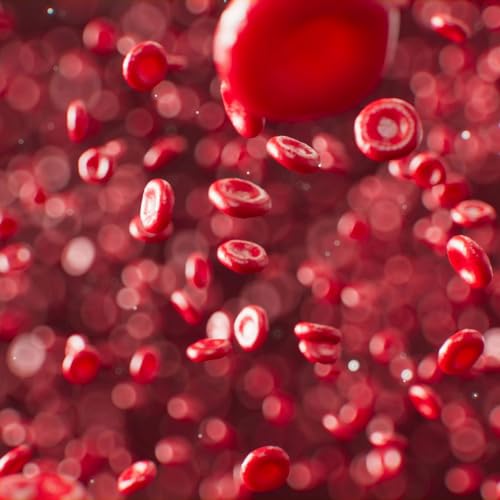
    Anemia is a medical condition characterized by a significant decrease in hemoglobin levels and the number of red blood cells, also known as erythrocytes. This disorder is a global health concern, affecting approximately one-quarter of the world's population. While there are various forms of anemia—including those caused by nutrient deficiencies, chronic diseases, or the premature destruction of red blood cells—iron deficiency is the most prevalent type, impacting over one billion people.
    The most common symptom of anemia is chronic fatigue and weakness. This occurs because the body cannot supply enough oxygen to the cells, leading to a slowdown in energy production. This type of exhaustion is distinct from normal tiredness as it often does not improve with rest or sleep. Individuals may also experience frequent dizziness, particularly when standing up, and persistent headaches or migraines due to oxygen deprivation in the brain.
    Physical changes are often visible indicators of the condition. Because hemoglobin gives blood its color, its deficiency can lead to pale skin, which is most noticeable in the mouth, lips, and conjunctiva of the eyes. Other physical signs include a smooth tongue caused by the loss of surface papillae, and brittle or spoon-shaped nails, a condition known as koilonychia. Many people with anemia also struggle with a constant feeling of cold, particularly in their hands and feet, because their metabolism slows down and their body's ability to regulate temperature is impaired.
    Anemia significantly affects the cardiovascular and respiratory systems. Shortness of breath and a reduced tolerance for physical activity occur because the muscles are not receiving adequate oxygen. To compensate for the lack of oxygen in the blood, the heart often beats faster (tachycardia). If this state continues over a long period, it can lead to a pathological enlargement of the heart and eventually heart failure. Additionally, low iron levels can impact the nervous system, potentially leading to restless leg syndrome, memory issues, and impaired concentration.
    Several factors contribute to the development of iron deficiency anemia. A diet lacking in iron-rich foods, particularly red meat, is a primary cause. Some individuals may suffer from malabsorption issues due to conditions like celiac disease or the long-term use of medications like proton pump inhibitors. Anemia can also result from blood loss caused by heavy menstruation, gastrointestinal issues like ulcers or inflammatory bowel diseases, and parasitic infections. Certain groups, such as pregnant women, athletes, and growing children, are at higher risk because their bodies have an increased demand for iron.
    Blood morphology and biochemistry tests are essential for a definitive diagnosis. Medical professionals look for hemoglobin levels below 12 g/dl in women and 13.5 g/dl in men, as well as a low red blood cell count. Other critical markers include low ferritin levels (which indicate iron stores), decreased mean corpuscular volume (MCV), and high total iron-binding capacity (TIBC). Identifying these signs early is vital, as it is much easier to treat the initial stages of anemia through dietary and lifestyle changes than to manage the condition once it has become severe.


    Become a supporter of this podcast: https://www.spreaker.com/podcast/whole-life-studio--6886552/support.
    Más Menos
    1 h y 1 m
  • Signs and Symptoms of Hypothyroidism
    Mar 11 2026
    The thyroid is a small gland weighing between 20 and 30 grams, yet its influence on the human body is immense. It produces vital hormones, specifically triiodothyronine (T3) and thyroxine (T4), which regulate the metabolism, body temperature, heart activity, bone mineralization, and the nervous system. When the thyroid produces an insufficient amount of these hormones, the body enters a state of hypothyroidism. This condition affects approximately 5-10% of the general population, with a significantly higher prevalence among women and older adults.
    A primary symptom of hypothyroidism is chronic and debilitating fatigue. Unlike standard tiredness, this exhaustion makes it difficult to function daily or even wake up in the morning despite a full night's sleep. Because thyroid hormones control metabolic rates, their deficiency leads to a significant slowdown in metabolism. This results in unexpected weight gain and water retention, even if the person's diet remains unchanged. Furthermore, since the body lacks the energy to produce heat, individuals often suffer from cold intolerance and lower body temperatures.
    Physical changes are widespread and can affect the skin, hair, and voice. The skin often becomes dry, scaly, and sensitive due to reduced secretion from sweat glands. Hair thinning is common across the entire scalp, and eyebrows may also become sparse. Fluid accumulation in the body can lead to swelling (edema) in the legs, face, and eyes. This same fluid buildup can affect the vocal folds, causing a gradually hoarse voice. Additionally, the thyroid gland itself may enlarge, creating a visible swelling in the neck known as a goiter, which can cause difficulty swallowing or a feeling of pressure in the throat.
    The condition also impacts muscles, nerves, and cognitive functions. Patients frequently report muscle weakness, pain, or cramps, particularly in the thighs and arms. Damage to peripheral nerves can cause numbness or a tingling sensation in the limbs, sometimes manifesting as carpal tunnel syndrome. Mentally, hypothyroidism often leads to "brain fog," characterized by memory lapses and a significant decrease in concentration. These cognitive shifts are linked to reduced blood flow in specific brain regions and changes in the hippocampus, the area of the brain responsible for memory.
    Internal systems are equally affected. Hypothyroidism can cause constipation due to slowed digestive motility. It impacts the cardiovascular system by slowing the heart rate—often by 10 to 20 beats per minute—and potentially increasing diastolic blood pressure. Reproductive health is also compromised; women may experience irregular or heavy periods, while men may face erectile dysfunction or delayed ejaculation due to hormonal imbalances.
    The causes of this condition include autoimmune diseases like Hashimoto’s, iodine deficiency, or even the excessive consumption of iodine. It can also result from certain medications, radiation therapy, or surgical removal of the gland. Diagnosis typically involves testing levels of Thyroid-Stimulating Hormone (TSH) and free thyroxine (FT4). Fortunately, many symptoms, including sensory changes like altered taste or smell, are largely reversible once proper treatment is established.


    Become a supporter of this podcast: https://www.spreaker.com/podcast/whole-life-studio--6886552/support.
    Más Menos
    52 m
  • Natural Methods to Lower Blood Sugar and Insulin Resistance
    Mar 10 2026
    Managing high blood sugar and insulin resistance requires a comprehensive approach involving lifestyle changes, dietary adjustments, and natural supplementation. Insulin resistance occurs when body cells lose sensitivity to insulin, preventing the efficient transport of glucose from the bloodstream into the cells. In response, the pancreas produces excessive insulin, leading to hyperinsulinemia, which can cause metabolic disorders like obesity, atherosclerosis, and hypertension.
    Lifestyle and Physical Activity
    Regular physical activity is one of the most effective ways to lower blood sugar and improve insulin sensitivity. When the body moves, muscles utilize glucose for energy, naturally reducing its concentration in the blood. Engaging in 30 minutes of moderate activity—such as brisk walking, swimming, cycling, or yoga—each day can have significant therapeutic effects. For the best results, this activity should ideally take place one to two hours after a meal, potentially lowering blood sugar levels by 30-40 mg/dl. Daily movement, including household chores or choosing stairs over elevators, also contributes; aiming for 10,000 steps a day is highly beneficial.
    Adequate sleep is equally vital, as poor sleep quality or deprivation increases cortisol levels and inflammation, which exacerbates insulin resistance. Furthermore, weight reduction is essential for those with excess body fat, particularly abdominal fat. Losing just 5-7% of body weight can reduce the risk of developing type 2 diabetes by over 50%. Stress management is another critical factor, as stress hormones trigger glucose spikes. Techniques such as aromatic baths, nature walks, or specialized relaxation exercises like Schultz autogenic training can help mitigate these effects.
    Dietary Foundations
    Proper hydration is a simple yet effective tool; drinking 2 to 2.5 liters of water daily prevents the elevation of vasopressin, a hormone that can stimulate the liver to produce more sugar. From a dietary perspective, the primary goal is to limit processed carbohydrates and simple sugars found in white bread, sweets, and sweetened beverages. Instead, the diet should focus on:
    • Whole Grains: Brown rice, buckwheat, oatmeal, and whole-wheat pasta provide steady energy.
    • Soluble Fiber: Found in raw vegetables, legumes, and nuts, fiber slows glucose absorption and improves insulin sensitivity.
    • Low Glycemic Index (GI) Foods: Diets rich in protein, healthy fats, and fiber help prevent sharp insulin spikes.
    • Cooking Methods: To keep the GI low, foods like pasta and rice should be served al dente rather than overcooked.
    Natural Remedies and Supplements
    Several natural substances have documented effects on glucose regulation:
    • White Mulberry: Its active compound, DNJ, helps reduce glucose absorption.
    • Apple Cider Vinegar: Consuming 20ml daily can improve insulin sensitivity and lower blood sugar.
    • Spices: Ceylon cinnamon (1-3g daily), ginger (4-5g fresh or 1g dried), and crushed garlic are all effective in lowering blood glucose and improving metabolic health.
    • Berberine: High-quality extracts can be a valuable element in stabilizing sugar levels when taken at around 1000mg per day.
    • Psyllium Husk: This high-fiber supplement aids in regulation but must be taken with plenty of water to ensure safety.
    • Vitamins and Minerals: Alpha-lipoic acid (ALA) helps reduce insulin resistance markers. Magnesium, found in nuts and leafy greens, and Zinc, found in meat and beans, are both essential for glucose control. Finally, Vitamin D supplementation is crucial for those with deficiencies to maintain healthy carbohydrate metabolism.


    Become a supporter of this podcast: https://www.spreaker.com/podcast/whole-life-studio--6886552/support.
    Más Menos
    37 m
  • Sweet Alternatives: A Guide to Sugar Substitutes and Health
    Mar 9 2026
    Finding the right alternative to traditional sugar is a common challenge for those looking to maintain a healthy diet without giving up sweet flavors. While the best approach is often to simply reduce overall sugar consumption, several substitutes offer different benefits and drawbacks depending on their chemical composition and how the body processes them.
    Xylitol and Erythritol Known as sugar alcohols or polyols, these are popular choices for replacing table sugar. Xylitol, often called birch sugar, has a sweetness level similar to sucrose but contains about half the calories. It is highly valued for its dental benefits, as it helps reduce the bacteria responsible for cavities. It also has a low glycemic index, making it suitable for diabetics. However, it can cause digestive issues like bloating or a laxative effect if consumed in large quantities, and it is highly toxic to dogs.
    Erythritol is similar to xylitol but provides almost zero calories. It is slightly less sweet than sugar, requiring a larger amount to achieve the same taste. Its main advantage is that it is generally better tolerated by the digestive system than other polyols. Like xylitol, it does not cause tooth decay or spikes in blood glucose and is heat-stable, making it suitable for baking.
    Stevia Derived from the leaves of a South American plant, stevia is an intensely sweet, calorie-free substitute. It is roughly 200 times sweeter than sugar, meaning only tiny amounts are needed. Because it is so concentrated, it is often sold mixed with fillers like erythritol to make it easier to measure. While safe and beneficial for blood sugar and blood pressure management, some people find it has a slightly bitter or licorice-like aftertaste.
    Inulin Inulin is a type of fiber found in plants like chicory. It is much less sweet than sugar—about five to ten times less—but it serves as a prebiotic, feeding beneficial gut bacteria. It can improve the lipid profile and help regulate insulin levels. However, because it ferments in the gut, it may cause digestive discomfort in sensitive individuals.
    The Misconception of "Natural" Sugars Many people turn to honey, maple syrup, or agave syrup thinking they are significantly healthier than white sugar. While honey has antibacterial properties, it remains very high in calories and simple sugars (fructose and glucose). Similarly, syrups are essentially liquid sugar. Agave syrup is often highlighted for its low glycemic index, but this is due to its high fructose content. Excessive fructose consumption is linked to health issues such as increased uric acid, fatty liver, and insulin resistance.
    Furthermore, switching to brown, cane, or coconut sugar provides almost no health benefit. Brown sugar is often just white sugar with added molasses or caramel for color, and the mineral content in cane or coconut sugar is too low to be nutritionally significant.
    Synthetic Sweeteners: Aspartame Aspartame is a common artificial sweetener found in many diet products. It is 200 times sweeter than sugar and contains no calories. However, it is not heat-stable and cannot be used for baking. While officially cleared for use by many health agencies, its long-term safety is a subject of ongoing debate among researchers. Some studies suggest it may contribute to oxidative stress or inflammation, leading many experts to recommend other alternatives over aspartame when possible.
    In conclusion, while substitutes like erythritol, xylitol, and stevia are effective tools for sugar reduction, they should be used mindfully. The ideal strategy remains a balanced diet focused on whole foods, using these alternatives to bridge the gap toward a less sugar-dependent lifestyle.


    Become a supporter of this podcast: https://www.spreaker.com/podcast/whole-life-studio--6886552/support.
    Más Menos
    1 h
  • Seasonal Patterns in Male Fertility and Sperm Motility
    Mar 8 2026
    Recent scientific findings have revealed that male fertility is subject to significant seasonal fluctuations, with sperm quality reaching its peak during the summer months. A large-scale study involving 15,581 men between the ages of 18 and 45 across diverse geographical locations found that sperm motility—the ability of sperm to move effectively—is at its highest in June and July. Conversely, the lowest levels of motility were recorded during the winter months of December and January.
    The research indicates that these seasonal changes occur regardless of the local climate. For instance, the same patterns were observed in both Denmark and Florida, despite Florida maintaining high temperatures throughout the year. This suggests that while the optimal temperature for sperm storage is two to four degrees lower than the average body temperature, ambient environmental temperature alone does not explain the seasonal decline in motility.
    Importantly, the study found that while the ability of sperm to move changes with the seasons, other factors remain constant. There was no evidence of seasonal variation in the total concentration of sperm or the overall volume of semen produced. This means that the body produces a consistent amount of sperm year-round, but the effectiveness of their movement varies.
    These findings have significant implications for reproductive health and the treatment of infertility. By accounting for these seasonal patterns, medical professionals can more accurately schedule diagnostic tests and fertility therapies. Understanding these fluctuations provides couples with more precise information when trying to conceive and may ultimately improve the success rates of fertility treatments.


    Become a supporter of this podcast: https://www.spreaker.com/podcast/whole-life-studio--6886552/support.
    Más Menos
    25 m