Episodios

  • Beyond Dopamine: How Buntanetap Could Change Parkinson's Treatment
    Apr 15 2026

    In this episode (watch on YouTube), we take a closer look at Buntanetap, an investigational therapy that is gaining attention for its potential to target the underlying biology of Parkinson's disease—not just the symptoms.

    Unlike traditional treatments that focus on dopamine replacement, Buntanetap works upstream by regulating the production of proteins like alpha-synuclein, which are believed to play a central role in neurodegeneration. This represents a fundamentally different approach that could, in theory, slow disease progression.

    We'll break down:

    -How Buntanetap works at the cellular level

    -Why targeting protein production may matter

    -What early clinical trial data suggests

    -How it compares to other emerging therapies

    -What patients and clinicians should realistically take away right now

    While early findings are promising, it's important to emphasize that Buntanetap is still under investigation and not yet approved for clinical use. As with many emerging therapies in Parkinson's disease, cautious optimism is key. If you're interested in the future of Parkinson's treatment and how research is evolving beyond dopamine, this is a conversation worth understanding.

    Help to support this channel and our efforts to educate the world about Parkinson's Disease and get access to personalized content:

    https://www.youtube.com/channel/UC0g3abv8hkaqZbGD8y1dfYQ/join

    https://www.patreon.com/pdeducation

    Please be sure to give support to our channel sponsors:

    Comfort Linen: https://comfortlinen.com/PARKINSONSDISEASEEDUCATION(15% off entire order when applying the code PARKINSONSDISEASEEDUCATION at checkout)

    Kizik Shoes: https://kizik.sjv.io/pdeducation

    Cure Hydration: https://lvnta.com/lv_XG06Rho8SSlXEq3qlV

    If you have products that you would like for me to review on the channel please send them here:

    Parkinson's Disease Education

    P.O. Box 1678

    Broken Arrow, OK 74013

    Medical Disclaimer All information, content, and material of this video is for informational purposes only and not intended to serve as a substitute for the consultation, diagnosis, and/or medical treatment of a qualified physician or healthcare provider.

    Affiliate disclaimer: Keep in mind that links used for recommended products may earn me a commission when you make purchases. However, this does not impact what products I recommend. If I recommend a specific product it is because it has been vetted by myself or based on personal use

    #parkinson #parkinsonsawareness #parkinsonsdisease #parkinsons #buntanetap #movementdisorder

    Más Menos
    15 m
  • FGF-1 for Parkinson's Disease: Breakthrough or Hype?
    Apr 1 2026

    Fibroblast Growth Factor-1 (FGF-1) is being discussed as a potential regenerative therapy for Parkinson's disease. Some claim it may protect or even restore dopamine-producing neurons. But what does the science actually say?

    In this episode, we break down:

    • What FGF-1 is and how it works

    • Why growth factors are being explored in Parkinson's disease

    • How FGF-1 compares to decades of research on Glial cell line-derived neurotrophic factor (GDNF)

    • What animal studies show — and what human trials do not yet show

    • The risks, unknowns, and delivery challenges

    • How to think critically about regenerative claims Parkinson's disease urgently needs disease-modifying therapies.

    Growth factors are biologically plausible and scientifically interesting — but promising is not the same as proven. This video is an evidence-based look at where FGF-1 stands today. If you're living with Parkinson's, caring for someone who is, or simply trying to understand the science behind emerging therapies, this episode is for you.

    This episode is for educational purposes only and does not constitute medical advice.

    Head here to learn more about the FGF-1 work being done at Zhittya Genesis Medicine: https://www.pd-studies.org/

    Help to support this channel and our efforts to educate the world about Parkinson's Disease and get access to personalized content:

    https://www.youtube.com/channel/UC0g3abv8hkaqZbGD8y1dfYQ/join

    https://www.patreon.com/pdeducation

    Please be sure to give support to our channel sponsors:

    Comfort Linen: https://comfortlinen.com/PARKINSONSDISEASEEDUCATION(15% off entire order when applying the code PARKINSONSDISEASEEDUCATION at checkout)

    Kizik Shoes: https://kizik.sjv.io/pdeducation

    Cure Hydration: https://lvnta.com/lv_XG06Rho8SSlXEq3qlV

    If you have products that you would like for me to review on the channel please send them here:

    Parkinson's Disease Education

    P.O. Box 1678

    Broken Arrow, OK 74013

    Medical Disclaimer: All information, content, and material of this video is for informational purposes only and not intended to serve as a substitute for the consultation, diagnosis, and/or medical treatment of a qualified physician or healthcare provider.

    Affiliate disclaimer: Keep in mind that links used for recommended products may earn me a commission when you make purchases. However, this does not impact what products I recommend. If I recommend a specific product it is because it has been vetted by myself or based on personal use

    #parkinsonsawareness #FGF1#Neuroprotection #ParkinsonsResearch #DiseaseModifyingTherapy #MovementDisorders

    Más Menos
    16 m
  • A Non-Invasive Brain Procedure for Parkinson's Tremor? Here's the Evidence
    Mar 18 2026

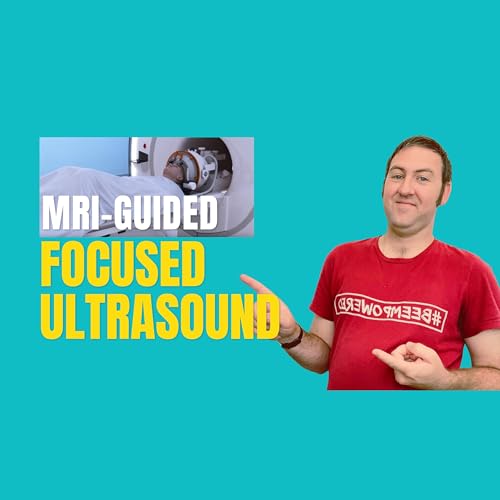
    MRI-guided Focused Ultrasound (FUS) is an FDA-approved treatment option for certain motor symptoms of Parkinson's Disease — particularly medication-refractory tremor and levodopa-induced dyskinesia. But what exactly does it do? And just as importantly — what does it not do?

    In this episode, I break down:

    • How MRI-guided Focused Ultrasound works

    • What part of the brain is targeted

    • Who may be an appropriate candidate

    • How it compares to Deep Brain Stimulation (DBS)

    • The risks, limitations, and realistic expectations

    Focused ultrasound is not a cure for Parkinson's. It does not slow disease progression. But for carefully selected patients, it can meaningfully reduce specific motor symptoms. As always, this episode is for educational purposes only and is not individual medical advice. Treatment decisions should be made with your neurologist and care team.

    If you find this helpful, consider subscribing for more evidence-based discussions on Parkinson's treatment options.

    Help to support this channel and out efforts to educate the world about Parkinson's Disease and get access to personalized content:

    https://www.youtube.com/channel/UC0g3abv8hkaqZbGD8y1dfYQ/join

    https://www.patreon.com/pdeducation

    Please be sure to give support to our channel sponsors:

    Comfort Linen: https://comfortlinen.com/PARKINSONSDISEASEEDUCATION (15% off entire order when applying the code PARKINSONSDISEASEEDUCATION at checkout)

    Kizik Shoes: https://kizik.sjv.io/pdeducation

    Cure Hydration: https://lvnta.com/lv_XG06Rho8SSlXEq3qlV

    If you have products that you would like for me to review on the channel please send them here:

    Parkinson's Disease Education

    P.O. Box 1678

    Broken Arrow, OK 74013

    Medical Disclaimer All information, content, and material of this video is for informational purposes only and not intended to serve as a substitute for the consultation, diagnosis, and/or medical treatment of a qualified physician or healthcare provider.

    Affiliate disclaimer: Keep in mind that links used for recommended products may earn me a commission when you make purchases. However, this does not impact what products I recommend. If I recommend a specific product it is because it has been vetted by myself or based on personal use.

    #parkinson #parkinsonsawareness #parkinsonsdisease #parkinsons #focusedultrasound #fus

    Más Menos
    15 m
  • BeechBand for Parkinson's: What It Is and What We Actually Know
    Mar 4 2026

    Parkinson's disease management is constantly evolving, and new tools are always emerging. One device getting attention in the Parkinson's community is the BeechBand — a wrist-worn wearable that provides gentle rhythmic vibrations as a form of sensory cueing. See https://www.beechband.com

    In this episode (watch on YouTube), we break down:

    • What the BeechBand is

    • How it's thought to work

    • What users are reporting

    • What the science currently does — and does not — show

    • Important limitations to understand before trying it

    While some people with Parkinson's say the device helps with relaxation, speech rhythm, or movement cueing, it's important to know that the Beech Band is considered a wellness device, not a medical treatment, and large clinical trials are still lacking. The goal of this episode is to give you a balanced, evidence-aware overview so you can make informed decisions and have productive conversations with your healthcare team. If you've tried the BeechBand, feel free to share your experience in the comments — your perspective may help others in the Parkinson's community.

    Help to support this channel and out efforts to educate the world about Parkinson's Disease and get access to personalized content: https://www.youtube.com/channel/UC0g3abv8hkaqZbGD8y1dfYQ/join

    https://www.patreon.com/pdeducation

    Please be sure to give support to our channel sponsors:

    Comfort Linen: https://comfortlinen.com/PARKINSONSDISEASEEDUCATION (15% off entire order when applying the code PARKINSONSDISEASEEDUCATION at checkout)

    Kizik Shoes: https://kizik.sjv.io/pdeducation

    Cure Hydration: https://lvnta.com/lv_XG06Rho8SSlXEq3qlV

    If you have products that you would like for me to review on the channel please send them here:

    Parkinson's Disease Education

    P.O. Box 1678

    Broken Arrow, OK 74013

    Medical Disclaimer All information, content, and material of this video is for informational purposes only and not intended to serve as a substitute for the consultation, diagnosis, and/or medical treatment of a qualified physician or healthcare provider.

    Affiliate disclaimer: Keep in mind that links used for recommended products may earn me a commission when you make purchases. However, this does not impact what products I recommend. If I recommend a specific product it is because it has been vetted by myself or based on personal use

    #ParkinsonsDisease #ParkinsonsSupport #ParkinsonsAwareness #BeechBand #Neurorehab #LivingWithParkinsons

    Más Menos
    8 m
  • Tavapadon and Parkinson's: A New Way to Stimulate Dopamine
    Feb 18 2026

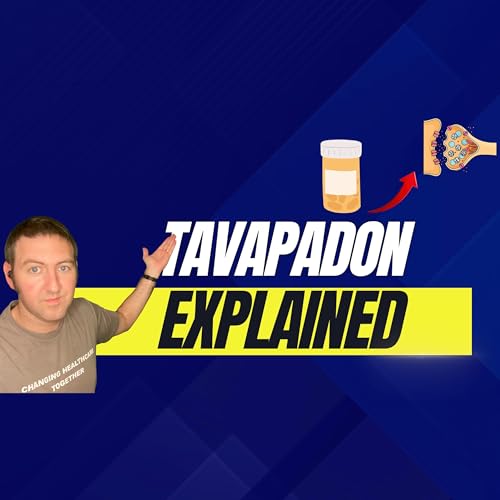
    Tavapadon is a new investigational medication for Parkinson's disease that works very differently from traditional dopamine agonists. Instead of broadly stimulating dopamine receptors, tavapadon selectively targets D1 receptors—the brain's primary "go" signal for movement—and does so as a partial agonist.

    In this episode (watch on YouTube), I explain:

    -How dopamine pathways actually work in Parkinson's disease

    -Why most current dopamine agonists target D2 and D3 receptors

    -What makes tavapadon's D1-selective mechanism unique

    -How partial agonism may reduce receptor burnout and side effects

    -Why researchers are excited about restoring the brain's direct motor pathway

    This is not medical advice. The goal of this video is education—breaking down the science behind emerging Parkinson's treatments so patients, caregivers, and clinicians can better understand what's coming and what questions still remain.

    Help to support this channel and out efforts to educate the world about Parkinson's Disease and get access to personalized content: https://www.youtube.com/channel/UC0g3abv8hkaqZbGD8y1dfYQ/join

    https://www.patreon.com/pdeducation

    Please be sure to give support to our channel sponsors:

    Comfort Linen: https://comfortlinen.com/PARKINSONSDISEASEEDUCATION (15% off entire order when applying the code PARKINSONSDISEASEEDUCATION at checkout)

    Kizik Shoes: https://kizik.sjv.io/pdeducation

    Cure Hydration: https://lvnta.com/lv_XG06Rho8SSlXEq3qlV

    If you have products that you would like for me to review on the channel please send them here:

    Parkinson's Disease Education

    P.O. Box 1678

    Broken Arrow, OK 74013

    Medical Disclaimer All information, content, and material of this video is for informational purposes only and not intended to serve as a substitute for the consultation, diagnosis, and/or medical treatment of a qualified physician or healthcare provider.

    Affiliate disclaimer: Keep in mind that links used for recommended products may earn me a commission when you make purchases. However, this does not impact what products I recommend. If I recommend a specific product it is because it has been vetted by myself or based on personal use

    #parkinsonsdisease #tavapadon #dopamine #parkinsonsresearch #movementdisorders #neurology #parkinson #parkinsonsawarenes #parkinsons

    Más Menos
    9 m
  • From Lab Bench to Brain: The Truth About Ivermectin and Parkinson's
    Feb 4 2026

    In this episode (watch on YouTube) we examine recent lab and animal research suggesting ivermectin — a widely used antiparasitic — can alter striatal circuits and enhance L-DOPA responses in preclinical Parkinson's models.

    We'll explain the likely mechanisms (ion-channel modulation at P2X4 and nicotinic receptors), review safety concerns (blood-brain-barrier and neurotoxicity risks), and explain why there are no human trials yet proving efficacy in Parkinson's.

    Sources and further reading are here:

    1. Ivermectin increases striatal cholinergic activity to facilitate dopamine terminal function https://pubmed.ncbi.nlm.nih.gov/38632622/

    2. Serious Neurological Adverse Events after Ivermectin https://pmc.ncbi.nlm.nih.gov/articles/PMC5929173/

    Help to support this channel and our efforts to educate the world about Parkinson's Disease and get access to personalized content: https://www.youtube.com/channel/UC0g3abv8hkaqZbGD8y1dfYQ/join

    https://www.patreon.com/pdeducation

    Please be sure to give support to our channel sponsors:

    Comfort Linen: https://comfortlinen.com/PARKINSONSDISEASEEDUCATION(15% off entire order when applying the code PARKINSONSDISEASEEDUCATION at checkout)

    Kizik Shoes: https://kizik.sjv.io/pdeducation

    Cure Hydration: https://lvnta.com/lv_XG06Rho8SSlXEq3qlV

    If you have products that you would like for me to review on the channel please send them here:

    Parkinson's Disease Education

    P.O. Box 1678

    Broken Arrow, OK 74013

    Medical Disclaimer All information, content, and material of this video is for informational purposes only and not intended to serve as a substitute for the consultation, diagnosis, and/or medical treatment of a qualified physician or healthcare provider.

    Affiliate disclaimer: Keep in mind that links used for recommended products may earn me a commission when you make purchases. However, this does not impact what products I recommend. If I recommend a specific product it is because it has been vetted by myself or based on personal use.

    #parkinson #parkinsonsawareness #parkinsonsdisease #parkinsons #Neuroscience#MedicalResearch #Ivermectin #movementdisorders

    Más Menos
    10 m
  • Prasinezumab Moves to Phase III — What That Means for Parkinson's Patients
    Jan 21 2026

    Roche/Genentech announced on June 15–16, 2025 that prasinezumab — an anti-α-synuclein monoclonal antibody — will enter Phase III trials for early Parkinson's disease after mixed but encouraging Phase II signals.

    In this episode (watch on YouTube) we explain the biology behind α-synuclein targeting, summarize the PASADENA and PADOVA findings (what was missed and what looked promising), discuss safety issues and trial design challenges, and speak with experts/patients about realistic timelines and hopes for disease-modifying therapies

    To follow trials like this and to have customized information and results delivered to you directly, consider signing up to try Turnto and the AI sidekick Turny. Sign up here and use the promo code PDEDUCATION for a 10% discount: https://www.turnto.ai/sidekick?fpr=pdeducation

    Help to support this channel and out efforts to educate the world about Parkinson's Disease and get access to personalized content: https://www.youtube.com/channel/UC0g3abv8hkaqZbGD8y1dfYQ/join

    https://www.patreon.com/pdeducation

    Please be sure to give support to our channel sponsors: Comfort Linen: https://comfortlinen.com/PARKINSONSDISEASEEDUCATION(15% off entire order when applying the code PARKINSONSDISEASEEDUCATION at checkout)

    Kizik Shoes: https://kizik.sjv.io/pdeducation

    Cure Hydration: https://lvnta.com/lv_XG06Rho8SSlXEq3qlV

    If you have products that you would like for me to review on the channel please send them here:

    Parkinson's Disease Education

    P.O. Box 1678

    Broken Arrow, OK 74013

    Medical Disclaimer All information, content, and material of this video is for informational purposes only and not intended to serve as a substitute for the consultation, diagnosis, and/or medical treatment of a qualified physician or healthcare provider.

    Affiliate disclaimer: Keep in mind that links used for recommended products may earn me a commission when you make purchases. However, this does not impact what products I recommend. If I recommend a specific product it is because it has been vetted by myself or based on personal use.

    #parkinson #parkinsonsawareness #parkinsonsdisease #parkinsons #prasinezumab #monoclonalantibodies #alphasynuclein

    Más Menos
    13 m
  • GLP-1 Agonists: A New Frontier in Parkinson's Treatment?
    Jan 7 2026

    In this episode (watch here on YouTube), we dive into one of the most talked-about areas of emerging Parkinson's research: GLP-1 receptor agonists. Originally developed for diabetes and, more recently, widely used for weight management, GLP-1 medications like semaglutide and liraglutide are now being investigated for their potential neuroprotective effects.

    We explore:

    -What GLP-1 receptor agonists are and how they work

    -Why these medications might have benefits beyond blood sugar control

    -The current research examining GLP-1s in Parkinson's disease

    -Possible mechanisms, including inflammation reduction, mitochondrial support, and improved cellular signaling

    -What early clinical trials suggest—and what we still need to learn

    -Considerations, cautions, and why these medications are not yet approved for Parkinson's treatment

    Whether you're a person living with Parkinson's, a care partner, a clinician, or someone curious about the future of neurodegenerative disease research, this episode offers a clear and balanced look at an exciting and evolving topic.

    Help to support this channel and out efforts to educate the world about Parkinson's Disease and get access to personalized content:

    https://www.youtube.com/channel/UC0g3abv8hkaqZbGD8y1dfYQ/join

    https://www.patreon.com/pdeducation

    Please be sure to give support to our channel sponsors:

    Comfort Linen: https://comfortlinen.com/PARKINSONSDISEASEEDUCATION(15% off entire order when applying the code PARKINSONSDISEASEEDUCATION at checkout)

    Kizik Shoes: https://kizik.sjv.io/pdeducation

    Cure Hydration: https://lvnta.com/lv_XG06Rho8SSlXEq3qlV

    If you have products that you would like for me to review on the channel please send them here:

    Parkinson's Disease Education

    P.O. Box 1678

    Broken Arrow, OK 74013

    Medical Disclaimer All information, content, and material of this video is for informational purposes only and not intended to serve as a substitute for the consultation, diagnosis, and/or medical treatment of a qualified physician or healthcare provider.

    Affiliate disclaimer: Keep in mind that links used for recommended products may earn me a commission when you make purchases. However, this does not impact what products I recommend. If I recommend a specific product it is because it has been vetted by myself or based on personal use.

    #parkinson #parkinsonsawareness #parkinsonsdisease #parkinsons #glp1 #glp1medication #research

    Más Menos
    9 m