Episodios

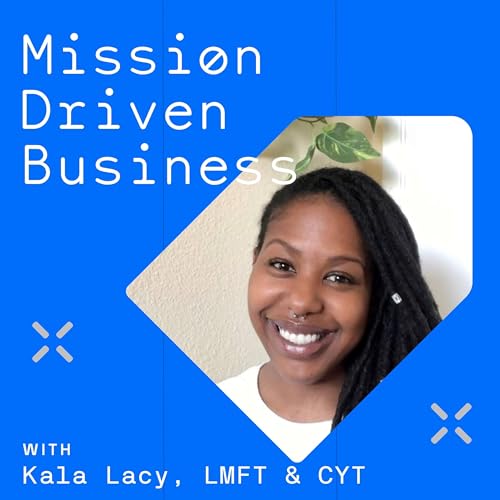
  • Building a Profitable Practice with Authenticity and Heart
    Mar 10 2026
    Rooted in identity, community, and purpose is what it truly means to build a business with heart. Brian Thompson sits down with Kala Lacy, an EMDR-trained yoga psychotherapist and founder of The Well Healing, a holistic wellness practice centered on Black and queer people of color. Kala shares how she turned her own healing journey into a thriving private practice, why niching down with radical specificity was the key to her success, and what inspired her newest venture: the Wellspring Care Collective, a mentorship community for Black, queer, and trans clinicians building aligned private practices. A Business With Heart Kala defines a mission-driven business as a business with heart. One that is striving to create a positive impact and isn't solely focused on profit. Her path into mental health began with her own early experiences and a curiosity about what healing could look like if it were created with someone like her in mind. She entered the field through yoga, which she found integrated naturally and powerfully with therapy, and The Well Healing grew from there, shaped by what her community asked of her. The Power of Showing Up Authentically Kala's journey wasn't without self-doubt. In graduate school, she felt pressure to whitewash who she was in order to be taken seriously as a clinician. It was a professor who openly claimed a Black feminist lens in her work that gave Kala the permission she needed to believe there was space for her in this field. Brian connects this deeply to his own story, reflecting on how seeing a Black gay CFP early in his career gave him the confidence to pursue his own path. Representation, they agree, changes everything. Niching Down and Finding Your People Kala is intentional about naming Black, queer, and trans clinicians as the specific community she serves, even when she had reservations. The result? Nine out of ten people who reach out to her are already aligned. Her private practice went from part-time to where she wanted to be in about a year and a half. As Brian puts it, the more specific you get, the easier it is to find your people and for your people to find you. Introducing the Wellspring Care Collective Kala's newest endeavor is The Wellspring Care Collective, a monthly mentorship group for Black, queer, and trans mental health clinicians building private practices. The collective offers weekly connection, learning on topics specific to private practice, guest speakers, community support, and space to show up as their full selves. Kala is candid about why this matters: grad school teaches you how to be a therapist, not how to run a business. The collective bridges that gap by offering both practical entrepreneurial skills and an affirming community. Resources + Links Newsletter Sign Up The Wellspring Care Collective Connect with Kala Lacy: Website, Instagram, Facebook, LinkedIn, TikTok Follow Brian Thompson Online: Instagram, Facebook, LinkedIn, X, Forbes Follow & review the podcast: on Spotify and Apple Podcasts About Brian and the Mission Driven Business Podcast Brian Thompson, JD/CFP®, is a tax attorney and Certified Financial Planner® who specializes in providing comprehensive financial planning to LGBTQ+ entrepreneurs who run mission-driven businesses. The Mission Driven Business podcast was born out of his passion for helping social entrepreneurs create businesses with purpose and profit. On the podcast, Brian talks with diverse entrepreneurs and the people who support them. Listeners hear stories of experiences, strength, and hope and get practical advice to help them build businesses that might just change the world, too.
    Más Menos
    37 m
  • Budgeting Series #2: A Guide to Money Mindset Shifts
    Mar 3 2026
    Money isn't just math and for most entrepreneurs, it never has been. In this episode, Brian Thompson continues the budgeting series with part two: acceptance. Building on the awareness foundation laid in the first episode, Brian explores the emotional side of budgeting and why looking at your numbers without shame or judgment is just as important as looking at them at all. Why Financial Acceptance Is the Missing Piece Once you have your numbers, you're naturally going to have feelings about them. Money is tied to your upbringing, your fears, your identity, and your sense of security. Brian sees it constantly in his client work: people come to meetings with shame, and leave relieved when they don't get one. So many entrepreneurs carry money baggage — internalized messages from family, society, and past financial mistakes. The inner critic says you should have started sooner, charged more, or be further along by now. Acceptance means pausing that voice and recognizing that wherever you're starting from is exactly the right place to begin. Five Money Mindset Shifts to Practice Brian outlines five concrete shifts to help entrepreneurs face their finances with curiosity and compassion instead of guilt and defensiveness. Replace judgment with curiosity. Instead of shaming yourself for a spending decision, ask what was going on in your life or business that made it feel necessary at the time. Recognize your defensiveness. Money touches on security and identity, so defensiveness is normal, but it can keep you from learning. When you notice it, pause and breathe. Know your money story. What did you learn about money growing up? What beliefs are you still carrying that may no longer serve you? Bringing them into the light is the first step to releasing them. Practice self-compassion. Would you talk to a friend the way you talk to yourself about money? Probably not. Give yourself the same grace. Remember that facing it doesn't require shame, just courage and kindness. You can't change what you don't face, but you don't have to face it harshly. The Power of Finally Exhaling Some of Brian's most meaningful client moments happen in budget sessions. Not because the numbers are great, but because clients finally feel seen and understood. Some have broken down in tears, not from devastation, but from relief. The fear and avoidance they'd been carrying for years turns out to be heavier than the numbers themselves. As Brian puts it, you can't build something beautiful on a foundation of shame. But when you accept where you are, you give yourself a place to stand. Your Action Step This week, set aside time to journal on one or more of these questions: What emotions come up when I look at my finances? What messages about money did I carry growing up? What would it feel like to release judgment? You don't have to have all the answers, you just need to be honest. If you want to share a reflection, Brian welcomes DMs on Instagram at @BTFinancial. Next episode, the series moves into action: taking your awareness and acceptance and turning them into intentional, strategic decisions. Resources + Links Episode 110: Budgeting Series #1: A Guide to Financial Awareness Newsletter Sign Up Follow Brian Thompson Online: Instagram, Facebook, LinkedIn, X, Forbes Follow & review the podcast: on Spotify and Apple Podcasts About Brian and the Mission Driven Business Podcast Brian Thompson, JD/CFP®, is a tax attorney and Certified Financial Planner® who specializes in providing comprehensive financial planning to LGBTQ+ entrepreneurs who run mission-driven businesses. The Mission Driven Business podcast was born out of his passion for helping social entrepreneurs create businesses with purpose and profit. On the podcast, Brian talks with diverse entrepreneurs and the people who support them. Listeners hear stories of experiences, strength, and hope and get practical advice to help them build businesses that might just change the world, too.
    Más Menos
    5 m
  • Budgeting Series #1: A Guide to Financial Awareness
    Feb 24 2026
    Budgeting doesn't have to be intimidating, but it does have to be intentional. In this episode, Brian Thompson kicks off a brand new solo series on budgeting for entrepreneurs, approaching the topic through three lenses: awareness, acceptance, and action. The episode is the first and most foundational step: Awareness. Whether you're a new business owner or a seasoned mission-driven entrepreneur, understanding where your money is actually going is the starting point for everything else. Why Financial Awareness Comes First Every January, Brian's inbox fills up with clients asking to connect about their budgets. It's a ritual he takes seriously in his own life too. This time of year offers a rare advantage: a full year of real data and a fresh set of goals. Before you can make smart decisions about where you're headed, you need an honest look at where you've been. A Three-Step Framework for Financial Awareness To get there, Brian walks through three concrete steps: tracking your income, reviewing your expenses, and understanding your cash flow. Track Your Income The foundation of financial awareness is tracking. You can't manage what you don't measure. Start by understanding exactly where your money is coming from. Break down income by client, look at the consistency of your monthly revenue, and identify any seasonal patterns. That data doesn't just inform your budget; it shapes your marketing, hiring, and service delivery decisions too. Review Your Expenses Next, take a deep dive into your expenses to gain clarity. Ask yourself which expenses align with your values, which help you grow, which are essential to serving clients, and which could be eliminated or renegotiated. Understand Your Cash Flow Cash flow keeps your business alive. Ask yourself: Are you regularly dipping into savings or credit cards to cover operations? Do you have a cash reserve for emergencies? Are you paying yourself a regular profit distribution? If cash flow feels tight, it may be time to revisit your pricing, your payment terms, or the consistency of your revenue streams. Tools to Make Financial Awareness Easier QuickBooks, Xero, or Wave are great for automated tracking and categorization, or Excel and Google Sheets for a more hands-on approach. Tune in as Brian previews the Profit First Framework — a method of allocating funds into key buckets like profit, taxes, and owner's pay — which will get a deeper treatment in the action episode. His biggest tip? Hire a bookkeeper. Bookkeeping is too important to keep pushing to the back burner, and editing someone else's work is always easier than starting from scratch. Your action step Set aside 60 minutes this week to review your income and expenses from last year. Use whatever tool works for you, and look for patterns, surprises, and opportunities. If you're feeling brave, share one insight with Brian on Instagram at @BTFinancial. In the next episode, the series continues with acceptance — letting go of shame and judgment around money so you can focus on what you can actually control. Resources + Links QuickBooks, Xero, WaveNewsletter Sign UpFollow Brian Thompson Online: Instagram, Facebook, LinkedIn, X, ForbesFollow & review the podcast: on Spotify and Apple Podcasts About Brian and the Mission Driven Business Podcast Brian Thompson, JD/CFP®, is a tax attorney and Certified Financial Planner® who specializes in providing comprehensive financial planning to LGBTQ+ entrepreneurs who run mission-driven businesses. The Mission Driven Business podcast was born out of his passion for helping social entrepreneurs create businesses with purpose and profit. On the podcast, Brian talks with diverse entrepreneurs and the people who support them. Listeners hear stories of experiences, strength, and hope and get practical advice to help them build businesses that might just change the world, too.
    Más Menos
    6 m
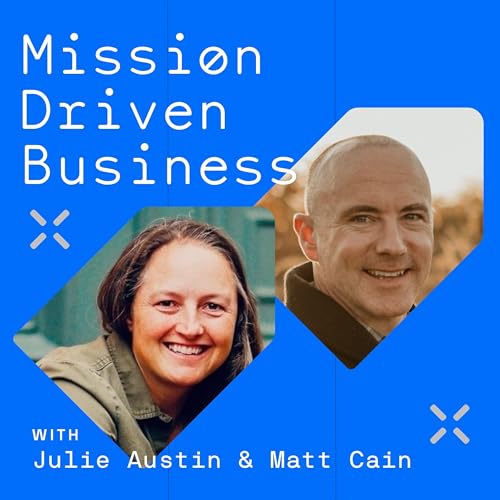
  • How Veterans Are Transforming Into Mission-Driven Entrepreneurs
    Feb 17 2026
    Julie Austin and Matthew Cain share their journey in leveraging their military backgrounds to assist veterans in transitioning to entrepreneurship through their podcast Dogtags to Ownership. We explore the definition of mission-driven businesses, the importance of community & networking, and the personal experiences that shaped their call to service. The discussion also touches on the significance of identity, the challenges faced during the Don't Ask, Don't Tell era and how their backgrounds influence their current endeavors. The episode concludes with insights on partnership dynamics and key takeaways for aspiring entrepreneurs. The Essence of a Mission-Driven Business Julie defines a mission-driven business as one that embodies a deep sense of purpose and passion. It's not just about making profits; it's about waking up every day with a drive to make a difference. Both Julie and Matt share a commitment to helping veterans transition into fulfilling careers, which their podcast serves a vital role in. They help veterans find meaningful work instead of merely passing time in jobs that don't inspire them. A mission-driven business must not only fulfill its owner's passion but also create a positive impact in the community. Lessons from Military Service Julie and Matt share their experiences in the military, which have profoundly influenced their understanding of leadership and community service. In this episode they discuss how the skills and values learned during their service translate effectively into the business environment. For instance, the ability to lead diverse teams and navigate complex situations is invaluable for entrepreneurs looking to make a difference. Finding Purpose Through Adversity The discussion also touches on the challenges veterans face during their transitions. Julie candidly shares her experience with the military's 'Don't Ask, Don't Tell' policy, which was a significant barrier for many LGBTQ service members. She reflects on the internal struggle of being true to oneself while serving in the military. However, the repeal of this policy allowed for greater openness and inclusion, fostering a more supportive environment for veterans today. This change parallels the mission-driven ethos of creating spaces where individuals can be authentic and contribute their best selves. The Importance of Community and Connection Emphasis on the importance of community was a big theme in our discussion. Their mission is to connect veterans with valuable resources and mentorship opportunities that can help them thrive in the civilian world. By sharing experiences and knowledge, they create a supportive network that empowers veterans to pursue their passions and make meaningful contributions. Resources + Links Newsletter Sign Up DogTags to Ownership: Website, Instagram, Facebook, TikTok Follow Brian Thompson Online: Instagram, Facebook, LinkedIn, X, Forbes Follow & review the podcast: on Spotify and Apple Podcasts About Brian and the Mission Driven Business Podcast Brian Thompson, JD/CFP®, is a tax attorney and Certified Financial Planner® who specializes in providing comprehensive financial planning to LGBTQ+ entrepreneurs who run mission-driven businesses. The Mission Driven Business podcast was born out of his passion for helping social entrepreneurs create businesses with purpose and profit. On the podcast, Brian talks with diverse entrepreneurs and the people who support them. Listeners hear stories of experiences, strength, and hope and get practical advice to help them build businesses that might just change the world, too.
    Más Menos
    45 m
  • Transform Your Business with an Annual Client Audit
    Feb 10 2026
    Understanding your client relationships is more crucial than ever in today's fast-paced business environment. The Annual Client Audit is a powerful tool that can help you gain clarity on your client base, enhance your business relationships, and ultimately drive growth. In this episode, Brian Thompson focuses on how a thoughtful client audit can transform your business. He emphasizes that this process is not about hastily cutting ties with clients but rather about thoughtfully evaluating client relationships to enhance business growth and personal well-being with a simple three-step process. The Importance of a Client Audit The concept of an Annual Client Audit may seem uncomfortable at first, but it can lead to significant positive changes in your business. Brian shares a compelling story about a client who went from burnout to a newfound clarity and joy in his work, and even an increase in revenue through higher charges to those valuable clients. Not all revenue is created equal. Some clients energize you, while others leave you questioning your business decisions. Identifying your Ideal Clients Every client interaction teaches you something valuable. Brian encourages business owners to reflect on their client relationships by asking key questions: Who energizes you? Who pays on time? Who respects your boundaries? Conversely, who causes anxiety when they reach out? This reflection is crucial for defining your ideal client and shaping your marketing strategy. A Simple Three-Step Process for Your Client Audit To conduct an effective Annual Client Audit, Brian outlines a straightforward three-step process: Make a List: Document every client you've worked with over the past year. Score: Rate each client on a scale from one to five based on criteria such as revenue, energy drain, alignment with your mission, ease of communication, enjoyment of the work, and whether they are worth the effort. Categorize: Group clients into three categories - Core Clients (those you would clone), Neutral Clients (acceptable but not ideal), and Drain Clients (high maintenance and misaligned). This structured approach allows you to make informed decisions about which clients to keep, develop, or let go, ultimately leading to a more fulfilling business. Your action step to understanding your client base Set aside 30-60 minutes and go through the Annual Client Audit process. Use it to reset your client relationships and start the year with clarity and confidence. If you've already done your year-end financial review, this is your next step to align your time and energy with your vision. Resources + Links Free Client Audit Spreadsheet template Newsletter Sign Up Follow Brian Thompson Online: Instagram, Facebook, LinkedIn, X, Forbes Follow & review the podcast: on Spotify and Apple Podcasts About Brian and the Mission Driven Business Podcast Brian Thompson, JD/CFP®, is a tax attorney and Certified Financial Planner® who specializes in providing comprehensive financial planning to LGBTQ+ entrepreneurs who run mission-driven businesses. The Mission Driven Business podcast was born out of his passion for helping social entrepreneurs create businesses with purpose and profit. On the podcast, Brian talks with diverse entrepreneurs and the people who support them. Listeners hear stories of experiences, strength, and hope and get practical advice to help them build businesses that might just change the world, too.
    Más Menos
    5 m
  • Reclaiming Your Time with Boundary-setting
    Feb 3 2026
    In this solo episode, Brian Thompson outlines practical steps for business owners to take back their time, including auditing their calendars, defining a 'hell yes' filter for opportunities, using scripts to say no gracefully, and starting small with boundary-setting. He stresses that reclaiming time is an ongoing practice that requires accountability, energy tracking, and celebrating small wins. By protecting their time, entrepreneurs can create space for joy, clarity, and purpose in their lives and businesses. Why do boundaries around time management matter Time is your most valuable resource. You can always make more money, but you can't make more time. And when you waste your time or give it away without thinking, you're robbing yourself of energy, creativity, and alignment. Also, busy does not equal productive. Entrepreneurs often confuse packed schedules with being effective, but being intentional with your time is what leads to real impact. In addition, burnout is real. When you say yes to everything, you eventually hit a wall. Your body knows, your creativity dries up, and your business suffers. Intentional time equals aligned action. When you reclaim your time, you make space for work that lights you up, moves your mission, and actually grows your business. 4 ways to take back your time as a business owner Here are four ways to start taking your time back, starting this week. Audit your calendar. Pull up last month's calendar and look at every meeting, task, or obligation. Highlight what you want more of and flag what needs to go. Define your hell yes filter. Hell yes may be easy to define in some circumstances, but with most things in life, there's a lot of gray. When a new opportunity comes in, check: does it support one of my values or goals? If not, it's a no, or at least a not right now. Use scripts to say no. You don't have to ghost people or be rude. You don't owe anyone an explanation, justification, or apology. Not wanting to is reason enough. You're allowed to protect your time because it matters to you, period. Scripts can be helpful training wheels, but over time, your no will stand on its own. Start small. If saying no feels scary, start with something low stakes, decline in casual coffee, shorten a meeting by 15 minutes, or block one morning a week to focus on work. Small wins build your boundary-setting muscle. How to stay on track with protecting your time Making this commitment is nothing without accountability. Reclaiming your time isn't a one-and-done move. It's a practice. Do a weekly time check. What drained me this week? What felt aligned and energizing? What do I want to do differently next week? Journaling or voice noting works wonders here. Track energy, not just time. Rate how you feel after each meeting or task. Patterns will emerge and they'll guide your decisions. Get an accountability buddy. Whether it's a business coach, friend, or mastermind group, share your hell yes commitment with somebody. Have them check in with you monthly. Celebrate every win. Each time you say no to something that's not aligned, pause and celebrate. You protected your time and your peace. I'll leave you with this. You are the steward of your time, not your clients, not your email box, not your calendar, you. The more you protect your time, the more space you create for joy, clarity, and purpose. Your mission deserves that, and you deserve that. Your action step to setting boundaries and taking back your time Schedule a 30-minute calendar audit this week. Look at what's a hell yes and what's not, then make one change. That's all it takes to begin. Resources + Links Newsletter Sign Up Follow Brian Thompson Online: Instagram, Facebook, LinkedIn, X, Forbes Follow & review the podcast: on Spotify and Apple Podcasts About Brian and the Mission Driven Business Podcast Brian Thompson, JD/CFP®, is a tax attorney and Certified Financial Planner® who specializes in providing comprehensive financial planning to LGBTQ+ entrepreneurs who run mission-driven businesses. The Mission Driven Business podcast was born out of his passion for helping social entrepreneurs create businesses with purpose and profit. On the podcast, Brian talks with diverse entrepreneurs and the people who support them. Listeners hear stories of experiences, strength, and hope and get practical advice to help them build businesses that might just change the world, too.
    Más Menos
    6 m
  • Close The Books, Open The New Year
    Dec 23 2025

    In this solo episode, Brian breaks down one of the most overlooked but essential parts of running a mission-driven business: year-end bookkeeping. You'll learn a simple, practical framework for cleaning up your books, organizing your finances, and setting up systems that actually support you and your business. If you've ever felt overwhelmed by accounting software, unclear categories, or messy receipts, this episode will help you start the new year with clarity and confidence.

    Episode Highlights Why year-end bookkeeping is a big deal

    The way you close this year directly affects how you start the next one. Clean books make tax season easier, help you avoid missed deductions, and give you a real-time view into how your business is doing.

    3 steps to get your books in order

    There are three, key steps to get your books in order before the end of the year:

    1. Clean up the basics: Dig deeper into the fundamentals, including double checking your business and personal expenses are separate, removing overwhelm from your chart of accounts, reconciling your accounts, organizing your receipts and documentation, removing old or inactive accounts, and making payroll corrections.

    2. Review your financial reports: Analyze your Profit & Loss (Income Statement) report, Balance Sheet, and Reconciliation report for accuracy, red flags, and wins.

    3. Prep for tax season and next year: Review your accounting method, confirm expense categories, talk to your tax professional, plan upgrades, and schedule monthly processes.

    Take action now

    Don't delay on getting your books in order. If you manage your own books, block 60-minutes on your calendar this week for a year-end bookkeeping session to work through the 3-step process, and if you work with a professional, schedule time for a year-end review. Even if you only complete one task, that's progress.

    Resources + Links
    • Accounting Software: QuickBooks, Xero, Wave

    • Newsletter Sign Up

    • Follow Brian Thompson Online: Instagram, Facebook, LinkedIn, X, Forbes

    About Brian and the Mission Driven Business Podcast

    Brian Thompson, JD/CFP®, is a tax attorney and Certified Financial Planner® who specializes in providing comprehensive financial planning to LGBTQ+ entrepreneurs who run mission-driven businesses. The Mission Driven Business podcast was born out of his passion for helping social entrepreneurs create businesses with purpose and profit.

    On the podcast, Brian talks with diverse entrepreneurs and the people who support them. Listeners hear stories of experiences, strength, and hope and get practical advice to help them build businesses that might just change the world, too.

    Más Menos
    8 m
  • How To Define Your Niche with Theresa Pablos
    Dec 9 2025
    Brian Thompson chats with Theresa Pablos, CFP®, about the early-stage realities of building a business. A former journalist and freelance marketer, Theresa transitioned careers to financial planning in 2023 and ultimately earned the CFP® certification mark in 2025. She recently joined Equalis Financial as an Associate Financial Advisor and is just starting to build her client base. In this episode, Theresa and Brian discuss the excitement, fear, and the uncomfortable but necessary work of defining a niche. You'll get practical tips for finding your target audience, learn how to provide real value, and get reflection tools to help you grow and scale your own business. Episode Highlights Defining your niche starts with understanding your "why." Choosing a niche allows business owners to serve clients more deeply, efficiently, and sustainably. Before you figure out who you want to serve, you need to identify why you want to build a business and what you like to do. Theresa knew she wanted a people-oriented career that made complex data easy to understand and improved people's lives. After some deep reflection, she discovered values-based financial planning as a career that could help her and others use their resources to create more freedom in their lives. "I want to build my book of business because I want freedom and because I want to be an expert on a topic," Theresa said. Identify your target customers and provide them with value. Once you've defined your why, you need to identify the type of person that you want to serve. While Theresa is still figuring it out, she's thinking about focusing on being a financial planner for creative solopreneurs or a financial planner for tech employees and other professionals who earn equity compensation. However, knowing who you want to serve is only half of the equation. It's equally important to ensure the services you offer solve a real pain point for your target audience. "A lot of my clients seems to fall into this creative solopreneur category, and something I've been reflecting on is that if you're a creative solopreneur, you have a need for financial planning in a way that justifies you going out and actually hiring me or someone else," Theresa said. "While I enjoy working with stock options, a lot of tech employees are DIYers and aren't actively seeking advice unless something big happens to trigger the need." Don't let fear of making the wrong decision stop you. After you know how you want to serve your target customers, it's time to test out your solutions. One way to do that is by having 100 conversations, as recommended by LeSean Smith in Episode 69. And if you're nervous, like Theresa, then you just have to do it scared. "My takeaway is that I just need to trust myself and that being nervous is part of the process," she said. "Fortunately, my journalism background very well prepared me to get a lot of 'Nos' from people, and that's okay because you have to get the 'Nos' to get the 'Yeses.'" Resources + Links Episode 69: Building A Business For Financial Independence with LaSean Smith Why Choose a CFP® Professional Equalis Financial: Website, Instagram, Facebook Theresa Pablos, CFP®: Website, LinkedIn, Instagram Follow Brian Thompson Online: Instagram, Facebook, LinkedIn, X, Forbes About Brian and the Mission Driven Business Podcast Brian Thompson, JD/CFP®, is a tax attorney and Certified Financial Planner® who specializes in providing comprehensive financial planning to LGBTQ+ entrepreneurs who run mission-driven businesses. The Mission Driven Business podcast was born out of his passion for helping social entrepreneurs create businesses with purpose and profit. On the podcast, Brian talks with diverse entrepreneurs and the people who support them. Listeners hear stories of experiences, strength, and hope and get practical advice to help them build businesses that might just change the world, too.
    Más Menos
    40 m