Episodios

  • Dave Bragg on Turning Honey into a Business
    Feb 26 2026
    I talk with Dave Bragg, owner of Wandering Wind Meadery, Charleston’s first and only meadery. I ask what mead is, and he explains it as honey wine with traditions across many cultures, not just Viking pop culture. I dig into how he starts the business, and he traces it back to a life in performance and medieval re-enactment, where mead is common. He opened on a small budget with no big investors, and he admits his biggest mistake is starting too small, which slows growth until he upgraded equipment about a year to a year and a half in. We break down how mead differs from beer and wine, and he ties it to where the sugars come from, with beer needing grain and extra steps, while honey and fruit wines ferment without that boil. When I ask about his current hurdles, he points to staffing because bigger batches and events need more people. He encourages venue owners to lean on local performers to build community and spread the word.
    Más Menos
    5 m
  • Crisis Management for Businesses
    Feb 24 2026
    In this episode of the Kanawha Valley Hustlers podcast I talk with Bob Bliss to talk about crisis management and how it applies to any business, from a cyber security breach to a recall to a key client getting ready to walk. Bob frames a crisis as something that builds over time, with signs that people notice but fail to surface, so strong internal communication matters and employees need to speak up when they see flaws in a procedure. He ties it to flying and crash investigations, where the cause is almost never the final moment but a chain of earlier events, decisions, and failures, which is why routine “maintenance” in a business looks like tracking quality, improving processes, and keeping training current as technology changes. He shares how assigning one employee ownership of an engine repair from start to finish improves accountability and results. When the problem becomes public, Bob starts with clarity—what happened, why it happened, when it was first noticed, and who noticed it—then recommends communicating with honesty and a forward plan, focusing on what you are changing without lying or inflaming fear.
    Más Menos
    Menos de 1 minuto
  • What Jeremy Learned From Scaling Too Fast
    Feb 19 2026
    I talk with Jeremy Myers from Charleston Pressure Washing Services. He runs a roof-first cleaning service that also covers gutters, soffits, fascia, siding, and flat work like entryways. He gets into this business after seeing how many homes in our area have buildup that owners need help handling. He’s in his second year and shares a key lesson from early on: he tries to do too many things at once, moving from mobile detailing into window cleaning, pressure washing, and even thinking about lawn care, and it turns into a mess. He learns to focus, specialize, and dial back scaling. Jeremy tells me funding is a challenge, and so is writing a business plan, understanding websites, and learning how SEO affects how people find you on Google, Facebook, and Instagram. He also clears up misconceptions about damage in this industry and explains why process and standards matter, especially with soft washing and chemical ratios. He’s building better relationships, improving SEO, and invites people to find him online or call if they need help.
    Más Menos
    Menos de 1 minuto
  • Charleston Nano Brewery From Kitchen Brew to Business
    Feb 17 2026
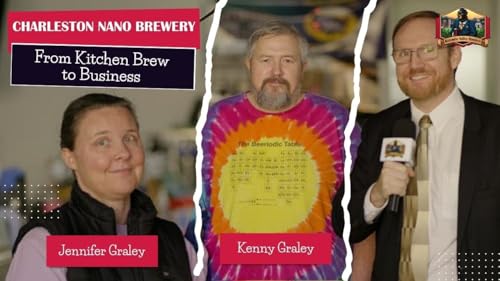
    I’m at Charleston Nano Brewery with Kenny and Jennifer Graley, and I ask them how their hustle started and what keeps it going. They explain that it begins as home brewing in their kitchen, moves to the garage, and grows into a full business once they commit to a building and start seeing people return after the first anniversary. They tell me their goal is a welcoming, family friendly place, and they notice travelers often seek out breweries while passing through. Kenny points to an early mistake: not advertising enough, and they describe the shift about a year and a half in toward doing more to build awareness, especially since they want people to find them in Elk City. We talk about misconceptions, like expecting a microbrewery to taste like macro beer, and Kenny explains how small batch brewing lets him rotate taps and keep variety. They share the day to day challenge of keeping operations running and getting the word out. They advise new owners to do homework on regulations and location, and they stand by one rule: put out a product you can back.
    Más Menos
    Menos de 1 minuto
  • Stop Waiting for One Perfect Ad and Start Building a Real Marketing System
    Feb 12 2026
    I explain what I mean when I say “Mad Men is over.” People think I am talking about the TV show, but I am talking about the old model of advertising that came out of Madison Avenue: big top down pitches, huge budgets, and campaigns pushed through broadcast, radio, print, and billboards. I argue that model is dead, and I point to the Super Bowl in 2026 as proof. Early numbers show a drop in viewership, and a sizable group watches an alternative halftime show instead of the main one, which signals that mass attention no longer moves as a monolith. I also notice that nobody is talking about the commercials, even though Super Bowl ads used to drive culture and dominate conversations the next day. I connect this shift to my own history in video production, when brands paid tens of thousands for one 30 second spot and ran it for years. Now attention is scattered across phones, tablets, streaming, and feeds. My message is simple: stop chasing one magic ad and start reaching people on digital platforms over time, adjusting your message as you learn.
    Más Menos
    Menos de 1 minuto
  • The 25% You See and the 75% You Do Not with Bob Bliss
    Feb 10 2026
    I talk with Bob Bliss about how first impressions hide most of who a person is. He explains his iceberg inversion idea: when you meet someone, you only see about 25%, and the other 75% sits below the surface. He shares how a friend calls him “lucky,” but that view ignores the setbacks he has pushed through, from being told he would never achieve certain roles to surviving major hardships. He also shows how perception shifts fast, like when people judge a limp handshake until they learn there is a broken hand behind it. We get into how to learn that hidden 75% by asking simple questions and letting people talk about their work, interests, and story. We also talk about the difference between acquaintances and real friends, and how golf can reveal character under pressure, from patience to how someone treats others.
    Más Menos
    Menos de 1 minuto
  • Jamon Schmidt Explains the Bin Store Outlet Experience
    Feb 5 2026
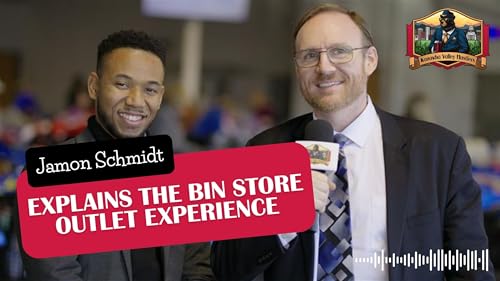
    I’m at the grand opening of Goodwill’s new outlet bin store in Charleston with Jamon Schmidt. He runs marketing and communications for Goodwill and explains why they shifted this location from a traditional store to a bin store, a concept that hasn’t been common in West Virginia. Instead of racks with price tags, the floor is lined with bins, and staff rotates rows about every 15 minutes, so the shopping moves fast and feels like a hunt. You pay by the pound, not by the tag, and he tells people to jump in, grab a cart, and start digging. We talk marketing lessons too, and he comes back to the idea of acting early and pulling the trigger when you think something will work, then reviewing results after. We also address what people miss about Goodwill: the mission is employment, and the retail side supports services that help people get into jobs and careers.
    Más Menos
    6 m
  • Tony Brown and Lee Ayers on the 2600 Cybersecurity Meetup in Charleston
    Feb 3 2026
    I’m at the 2600 meetup at KDE Technology in downtown Charleston. Tony Brown explains it’s a cybersecurity and tech community meet that happens the first Friday of every month from 5 to 7 or 8, and it connects to an international 2600 network that started in 1984, with meetups happening around the world the same night. Lee Ayers frames it as a place to bring the community together, including people who are not in cybersecurity but want to learn. The room covers everything from lock picking to Active Directory, and we talk about hacking history that starts with phone phreaking before personal computers. Tony breaks down what people misunderstand about security: the best defense is basic habits like long passwords, password management, not reusing or sharing passwords, and using two factor authentication. When I ask Lee for a principle he stands on, he lands on zero trust, which means giving only the permissions needed and treating security as a concept, not just code. Tony closes by sharing how to visit at 111 Hale Street and follow the KDE Technology Facebook page for monthly event posts.
    Más Menos
    5 m