Episodios

  • Traditional Persian Medicine as Grief Care with Sahar Kaur
    Feb 17 2026
    In this episode, I sit down with Sahar Kaur, a decolonial womb educator whose work lives at the intersection of menstrual health, ancestral memory, and identity.We talk about how her path into womb education grew from a desire to return to grounded, lived wisdom, not spiritual trends or aesthetics, but knowledge rooted in lineage, culture, and survival. Sahar shares how Traditional Persian Medicine informs her work, and what it actually means to decolonize menstrual care: making it accessible, culturally relevant, and responsive to real lived conditions.We explore herbal support for menstrual cycles and grief, including gol-e gāv-zabān (borage), traditionally used to calm the nervous system and tend heartbreak. Sahar reflects on her work with displaced and refugee women, and how womb education shifts when survival, migration, and instability are part of someone’s reality.We close with a powerful conversation about the Kurdish serpent goddess Shahmaran (the protector, healer, and symbol of feminine wisdom) and how her mythology connects to womb space, surrender, and ancestral remembering.About SaharSahar is a decolonized womb health educator working at the intersection of cyclicity, identity, and ancestral memory. A daughter of ancient Elam and Bactria (early cradle civilizations of what is now Iran and Afghanistan) her work honors the womb as a site where memory, lineage, and truth are held.Through independent research in traditional Persian medicine, she is reviving ancestral menstrual wisdom and womb rituals erased by colonial history. Her work invites women — especially those from the SWANA region — to reconnect with womb health as cultural inheritance rather than aesthetic spirituality.In this episode, we explore...Decolonizing menstrual educationWomb memory and ancestral identityHerbal support for grief and menstrual cyclesCultural reclamation in healing spacesWorking with displaced and refugee womenKurdish Shahmaran mythology and serpent wisdomFeminine surrender and embodied knowledgeMentioned in this episode:🎧 Episode: Celebrating Yalda with Shahmaran🎧 Episode: Knitting as Ancestral Memory📖 Shahmaran: A Wintering Spent with the Queen of Serpents (zine)📺 Shahmaran teleision series🤝 Nisaba: the refugee women’s organization Sahar mentions📚 There Are Rivers in the Sky by Elif ShafakA note on language & inclusivityIn this episode, we sometimes use the word “women” when talking about womb health and menstrual cycles. However, the wisdom we discuss is expansive: it applies to anyone who identifies as a womxn or femme, as well as anyone who has or has had a menstrual cycle.Even if that’s not your experience, traditional Persian teachings about cycles, rest, and grief offer healing insights that can support anyone. This conversation is meant to be inclusive, honoring the many ways people relate to their bodies and to this knowledge.Connect with SaharYou can find Sahar on Instagram and join her Diasp'AURA Telegram communityHoliday Guidebooks & Community AccessI create seasonal Iranian holiday guidebooks that explore ritual, remembrance, and ancestral practice. The Esfandegan guidebook focuses on devotion to the earth and to womxn & femmes, and honoring the Mother Earth goddess Spenta Armaiti through Iranian tradition.If you are a member of Dard-e Del, an online Iranian grief circle and community space I facilitate 3x a month, you receive access to all of these guidebooks free as part of your membership. The intention is to make cultural and ritual knowledge communal, as something we return to together, not practice alone.If you'd like to share what this episode brought up for you...Leave me a 90 second voice noteMessage me on InstagramSend me an emailLearn more about my work at my website www.hafezdeathcare.comSubscribe to my weekly newsletter🎵 Theme song: 'Lullaby' by Iranian oud player Negâr Boubân
    Más Menos
    1 h y 14 m
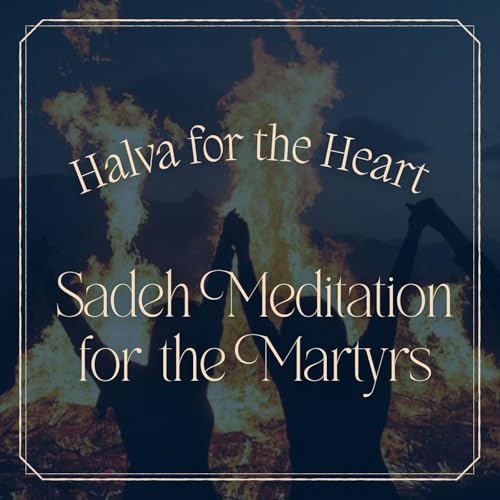
  • Sadeh Meditation for the Martyrs: Holding Grief for Iran in the Darkest Days of Winter
    Jan 28 2026
    In this special episode of Halva for the Heart, I share a recorded grief ritual meditation offered during our recent Dard-e Del gathering for the Iranian diaspora.

    This meditation is rooted in Sadeh, the ancient midwinter fire festival that takes place on January 30, at the end of the darkest stretch of winter known as Chelleh-ye Bozorg. Traditionally, Sadeh is a night when our ancestors gathered around a great bonfire for warmth, protection, and hope during the coldest, hardest days of the year.

    This year, that darkness has felt especially heavy.

    During this meditation, we will gently and somatically honor the thousands of martyrs recently killed in Iran. We will work with flame as ancestor, witness, and companion, offering our grief to the fire and receiving strength, resilience, and warmth in return.

    This practice is created specifically for Iranians living in diaspora, who are carrying not only grief for lives lost, but also the pain of distance, disconnection, and witnessing from afar. If you are not Iranian, you are still welcome to sit with us in solidarity and remembrance.

    Please find a quiet place to rest. If you can, bring a candle. This meditation is meant to be experienced with flame 🔥


    Links:
    📘 Download the Sadeh Guidebook (sliding scale $3-33)
    ❤️‍🩹 Join us in Dard-e Del, our Iranian diaspora grief space

    If you'd like to share what this episode brought up for you...
    • Leave me a 90 second voice note
    • Message me on Instagram
    • Send me an email
    Learn more about my work at my website www.hafezdeathcare.com
    Subscribe to my weekly newsletter

    🎵 Theme song: 'Lullaby' by Iranian oud player Negâr Boubân
    Más Menos
    26 m
  • Carrying Iranian Grief with Pauline Yeghnazar: Ancestral Sorrow, Diaspora Grief, and Intergenerational Healing
    Jan 17 2026
    In this intimate conversation, I sit down with Iranian-Armenian psychologist and therapist Pauline Yeghnazar, whose work centers the emotional lives of daughters and children of immigrants. Together, we explore what happens when grief has no homeland to land in. When sorrow is inherited, rituals feel fractured, and loss lives in the body across generations.Pauline brings both clinical depth and lived experience to a dialogue about diaspora grief that stretches beyond individual death into land, exile, identity, culture, and the losses our parents never had the privilege to mourn.In this episode, we explore:Watching Iran from afar and how grief lives somatically in the bodyThe terror of disconnection during the current internet shutdown in IranAncestral longing for a homeland never fully knownHow immigrant elders often didn’t have space or permission to grieveWestern grief timelines and the pathologizing of sorrowHow cooking and cultural practices metabolize grief through the bodyInviting ancestors into everyday acts of remembranceGrief as something that includes laughter, presence, and connectionPrevious Halva for the Heart episodes mentioned:Episode 19: Knitting as Ancestral MemoryEpisode 3: Healing with My SisterPauline shares powerful frameworks for daughters of immigrants navigating identity, guilt, family obligation, and inherited emotional survival patterns.Pauline’s offerings and resources:Free Translation Guide for Communicating with Your Immigrant ParentsFree Book Club for the Children of ImmigrantsRoots & Fruits: A Group Program for Daughters of ImmigrantsNoor Therapy & Wellness (for folks in California and New York)Email Pauline for 1-hour long $99 coaching calls if you're outside of CA or NYAll these offerings and more can be found on Pauline's websiteAnd follow Pauline on InstagramIf you're Iranian and looking for a culturally specific community space (since Pauline’s offerings serve all diasporas), you’re warmly invited to join us in Dard-e Del, our Iranian grief gathering that meets three times a month on Zoom, to be in community, witness each other, and hold what can’t be held alone.If you'd like to share what this episode brought up for you...Leave me a 90 second voice noteMessage me on InstagramSend me an emailLearn more about my work at my website www.hafezdeathcare.comSubscribe to my weekly newsletter🎵 Theme song: 'Lullaby' by Iranian oud player Negâr Boubân
    Más Menos
    1 h y 10 m
  • Knitting as Ancestral Memory: Grief, Yarn, and Hands That Remember
    Jan 2 2026
    In this intimate episode of Halva for the Heart, I share a raw voice memo I recorded two years ago, just moments after I had the experience of my hands had been taken over by my ancestors ✨

    It happened when I had sat down to start a knitting project, but I couldn't remember how to cast on. After struggling for awhile and almost getting frustrated, something unexpected happened: my hands just knew what to do. It felt like my grandmother was moving through me, guiding me through a cast-on method I didn't remember learning. It got me thinking about yarn as memory, knitting as something our ancestors pass down, and how grief can actually live in your hands.

    This episode is about communing with your ancestors through fiber work, how your body remembers things your mind doesn't, and why knitting and stitching got written off as "just hobbies" when they're actually powerful spiritual practices.

    This episode is an invitation tp grieve through fiber, to let your ancestors teach you through your hands, and to trust that the wisdom is already there.

    In this episode, I explore:
    • Knitting as ancestral memory and embodied wisdom
    • Fiber, yarn, and cloth as grief companions
    • Why slow crafts are sites of resistance and care
    • Handwork as a way to grieve what was never taught
    • Passing down love through making, not perfection
    Invitation
    If this episode speaks to you, you’re invited to join our Fibers of Grief circle, a monthly online gathering exploring grief through slow stitching, yarn work, and visible mending as care practices.

    🧶 January’s circle focuses on working with yarn
    🪡 February’s circle will explore visible mending

    Sign up ➡️ here

    If you'd like to share what this episode brought up for you...
    • Leave me a 90 second voice note
    • Message me on Instagram
    • Send me an email
    Learn more about my work at my website www.hafezdeathcare.com
    Subscribe to my weekly newsletter

    🎵 Theme song: 'Lullaby' by Iranian oud player Negâr Boubân
    Más Menos
    32 m
  • Celebrating Yalda with Shahmaran: Winter Solstice, Grief, and Liberation in the Iranian Diaspora
    Dec 18 2025
    In this episode of Halva for the Heart, I turn toward Shab-e Yalda, the ancient Iranian winter solstice holiday, and reflect on what it offers us as people living, grieving, and resisting in diaspora. I explore Yalda as a collective vigil through the longest night of the year, and how it initiates Chelleh-ye Bozorg: the 40 coldest, darkest days that mirror grief cycles, mourning traditions, and the necessity of communal care. Through the mythology of Shahmaran, the Kurdish queen of serpents, I reflect on winter as a sacred time for collapse, inner death work, and transformation personally, collectively, and politically.

    In this episode, you’ll hear:
    • what Shab-e Yalda and Chelleh-ye Bozorg teach us about grief and survival
    • how Yalda functions as a vigil and a form of ancestral death work
    • why Shahmaran’s underground cavern mirrors the womb/tomb space of grief
    • how Iranian mourning traditions align with seasonal cycles
    • why rest, collapse, and community care are essential for sustainable liberation
    • how Yalda invites solidarity, hope, and resistance in dark times


    🌑 This episode is an invitation to soften into the darkness, gather in community, and trust that the sun—and liberation—will return.

    Links:
    📘 Shab-e Yalda Guidebook
    🐍 The Omi Collective’s Shahmaran Azadi Zine & Talisman
    ❤️‍🩹 Join us in Dard-e Del
    🗝️ Narinder Bazen's concept of Inner-Facing Death Work

    If you'd like to share what this episode brought up for you...
    • Leave me a 90 second voice note
    • Message me on Instagram
    • Send me an email
    Learn more about my work at my website www.hafezdeathcare.com
    Subscribe to my weekly newsletter

    🎵 Theme song: 'Lullaby' by Iranian oud player Negâr Boubân
    Más Menos
    35 m
  • What is a Death Doula & Why might you work with one?
    Dec 3 2025
    In this episode of Halva for the Heart, I talk through a question I’m asked all the time: What exactly does a death doula do?

    I share how death work isn’t only for people at the very end of life, it’s for anyone navigating mortality, grief, fear, or the desire to meet death with more intention and clarity. I walk through the many roles a death doula can hold: educator, advocate, companion, household support, vigil-sitter, home funeral guide, advance directive facilitator, and someone who brings ancestral, community-rooted care back to the bedside. I also speak about the long history of this work, how it existed for millennia before the medical system claimed the dying process, and why reclaiming these roles matters.

    Throughout the conversation, I keep returning to one truth: death doulas are an ancient role with a modern title.

    In this episode, I cover:
    • What a death doula is and the many roles we hold
    • Why death care is for everyone, not just the actively dying
    • The ancient history of community death care
    • How death doulas can advocate for your wishes at the end of life
    • Options like home funerals, body care, and spending time with loved ones after death


    If you'd like to share what this episode brought up for you...
    • Leave me a 90 second voice note
    • Message me on Instagram
    • Send me an email
    Learn more about my work at my website www.hafezdeathcare.com
    Subscribe to my weekly newsletter

    🎵 Theme song: 'Lullaby' by Iranian oud player Negâr Boubân
    Más Menos
    34 m
  • The Loneliness of Diaspora Grief: Remembering Bloody Aban
    Nov 20 2025
    In this episode of Halva for the Heart, I reflect on Bloody Aban - the brutal massacre that killed over 1500 Iranian protestors in November of 2019 - and what it means to grieve this atrocity from diaspora six years later. I revisit the fear and confusion of those five days in 2019 when Iran’s internet was shut down, hundreds were killed, and many of us outside the country were feeling utterly alone in our grief. I also share the stories of five martyrs in particular, honoring their lives and the unbearable cost of state violence.

    In this episode, you’ll hear:
    • what made Bloody Aban feel so isolating for Iranians in diaspora
    • how Western media silence and orientalism shaped whose suffering was acknowledged and whose wasn’t
    • why the grief of Bloody Aban hardened in our bodies differently than other collective traumas
    • the privilege (and responsibility) of diaspora safety, and what it makes possible in our healing
    • why some grief (like that of Bloody Aban) may take years before we feel ready to face it
    🌹 This episode is an invitation to turn toward this grief gently with spaciousness, honesty, and compassion for where we each are in our process.

    Links:
    📘 Abangan Guidebook for Ancestral Reclamation
    🗺️ Abdorrahman Boroumand Center for Human Rights in Iran’s Map of Protestor Suppression
    ❤️‍🩹 Join us in Dard-e Del

    The five martyrs honored in this episode:
    🥀 Mohammad Dastankhah: Born in 2004, in Shiraz
    🥀 Mina Sheikhi: Born in Kurdistan, lived in Tehran
    🥀 Mohsen Mohammadpur: Born in 2002, in Khuzestan
    🥀 Puya Bakhtiari: Born in 1992, in Karaj
    🥀 Farzad Ansarifar: Born in 1992, in Khuzestan

    If you'd like to share what this episode brought up for you...
    • Leave me a 90 second voice note
    • Message me on Instagram
    • Send me an email
    Learn more about my work at my website www.hafezdeathcare.com
    Subscribe to my weekly newsletter

    🎵 Theme song: 'Lullaby' by Iranian oud player Negâr Boubân
    Más Menos
    45 m
  • Fibers of Grief: Knitting & Sewing as Grief Care
    Nov 4 2025
    In this solo episode of Halva for the Heart, I reflect on the ancient connection between fiber arts and grief care. From slow stitching and mending to knitting and quilting, I explore how our hands hold ancestral wisdom, how the rhythmic, tactile act of making with thread can help us process what our minds cannot.

    This episode weaves together:
    • reflections on fiber arts as embodied grief care, from quilting to visible mending
    • the story of Elizabeth Roseberry Mitchell’s Graveyard Quilt and other memorial textiles
    • how knitting, crochet, and yarn wrapping can become rituals of remembrance and release
    • my personal story about returning to knitting in grief, and the healing power of communal making
    ✨ Join the next Fibers of Grief gathering or download the free Slow Stitching with Grief guidebook


    Links:

    🧶 Fibers of Grief: online gathering every first Thursday of the month
    📘 Free Guidebook: Slow Stitching with Grief
    🧵 Melissa Word's Grief Threads
    🪦 Elizabeth Roseberry Mitchell’s Graveyard Quilt
    🏳️‍🌈 AIDS Memorial Quilt
    🕊️ Stitch Their Names Together: honoring Palestinians killed in Gaza
    🪡 Craftivist Collective

    If you'd like to share what this episode brought up for you...
    • Leave me a 90 second voice note
    • Message me on Instagram
    • Send me an email
    Learn more about my work at my website www.hafezdeathcare.com
    Subscribe to my weekly newsletter

    🎵 Theme song: 'Lullaby' by Iranian oud player Negâr Boubân
    Más Menos
    29 m