Episodios

  • From Field to Food Bank: Rethinking How America Feeds Itself
    Nov 7 2025

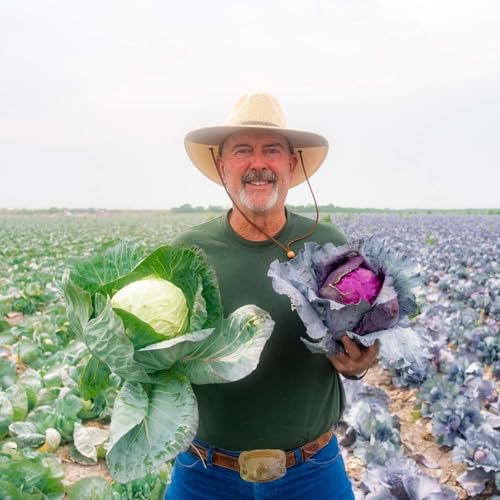
    In this episode of Shoresides, host Nicolas Magrino talks with Mike Meyer, Head of Farmer Advocacy for The FarmLink Project, about a growing effort to make sure nutritious food reaches every community — especially when traditional supply chains fall short.

    As food banks across the country stretch to meet rising demand, FarmLink is showing what can happen when farmers, state agriculture departments, the USDA, and hunger relief organizations work together. Meyer shares stories from North Carolina and beyond, where fresh apples, potatoes, and other produce are being delivered directly from farms to families in need — faster and at lower cost.

    It’s not about replacing existing programs, Meyer says, but about strengthening them. By connecting farmers and food banks more efficiently, FarmLink hopes to reduce waste, support growers, and help every household access healthy food with dignity.

    Shoresides explores how collaboration — from field to food bank — could transform the future of food security in America.

    Support Shoresides’ local storytelling. Your gift helps us amplify coastal voices: https://givebutter.com/to7as6


    Más Menos
    12 m
  • The Ocean Is Changing Color
    Nov 4 2025

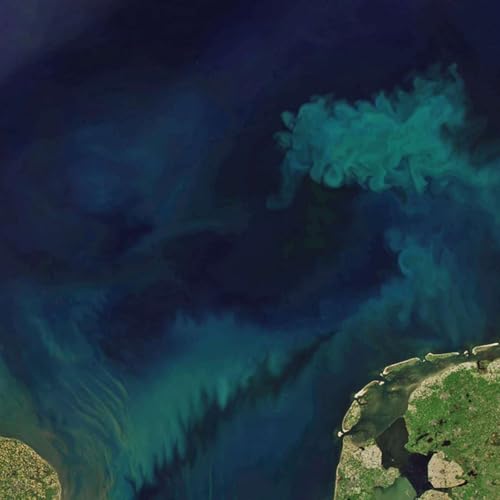
    The ocean is getting greener — and bluer. Scientists can see it from space. But what does it mean?

    In this episode of Shoresides, host Nicolas Magrino speaks with Philip Bresnahan, associate professor at the University of North Carolina Wilmington, about what’s driving subtle but measurable changes in ocean color around the world. From warming waters to shifting nutrient flows, the hues of the sea are telling a complex story — one that hints at the far-reaching effects of climate change, but also at the deep, dynamic rhythms of the ocean itself.

    Credits: Image: NASA and Joshua Stevens, using Landsat data from the U.S. Geological Survey and MODIS data from LANCE/EOSDIS Rapid Response.

    Support Shoresides’ local storytelling. Your gift helps us amplify coastal voices: https://givebutter.com/to7as6


    Más Menos
    10 m
  • Storms & Floods: The Lifeline of Neighborly Connections
    Aug 6 2024

    Join us in this episode as we interview Wallayce Todd of Community CPR to explore the vital role of community connections in the rural areas of Columbus County after storms. Learn how her organizing, Community CPR, and neighborly bonds transform lives, foster resilience, and strengthen the social fabric of our region's rural communities.

    Ten Things to Do to Prepare for a Storm and Flooding:

    1. Create an Emergency Plan: Develop a family emergency plan, including communication methods, evacuation routes, and meeting points.
    2. Assemble an Emergency Kit: Pack essentials like water, non-perishable food, medications, flashlights, batteries, a first aid kit, and important documents.
    3. Stay Informed: Monitor weather forecasts and sign up for local emergency alerts to stay updated on the storm's progress.
    4. Protect Your Home: Install storm shutters or board up windows, clear gutters and drains, and secure outdoor furniture and items that could become projectiles.
    5. Prepare for Power Outages: Have backup power sources like generators and stock up on extra batteries and power banks for electronic devices.
    6. Elevate Important Items: Move valuable items, electronics, and documents to higher ground or upper floors to protect them from potential flooding.
    7. Check Insurance Coverage: Review your home and flood insurance policies to ensure adequate coverage for storm and flood damage.
    8. Plan for Pets: Ensure you have supplies and a plan for your pets, including food, water, and carriers for evacuation.
    9. Know How to Turn Off Utilities: Learn how to safely turn off gas, electricity, and water in case of emergency.
    10. Stay Connected with Neighbors: Build a network with your neighbors to share resources, information, and support before, during, and after the storm.

    Never drive into flood water, as it can be deceptively deep and dangerous, risking your safety and the safety of others.

    Hosted & Produced by Akshay Gokul

    Support Shoresides’ local storytelling. Your gift helps us amplify coastal voices: https://givebutter.com/to7as6


    Más Menos
    9 m
  • Stormwater solutions positive for the Cape Fear River
    Aug 1 2024

    When it rains in coastal North Carolina stormwater pours off our plethora of parking lots into the neighborhoods, parks and eventually the Cape Fear River, and with the stream of water pollutants with it. Our increasing number of surfaces don’t allow the water to soak into the ground. Local groups are advancing public education which acknowledge the big public policy issues at play, but also offer solutions we can all take.

    The episode features staff from Heal Our Waterways and the Cape Fear River Watch.

    Here are ten things you can do about stormwater in Wilmington, North Carolina, New Hanover County, along with helpful links:

    1. Install Rain Barrels: Collect rainwater from your roof to use in your garden.
      • New Hanover County Rain Barrel Program
    2. Create a Rain Garden: Plant a garden designed to absorb rainwater runoff.
      • NC State Extension on Rain Gardens
    3. Use Permeable Pavements: Replace impermeable surfaces with materials that allow water to seep through.
      • EPA on Permeable Pavement
    4. Plant Native Vegetation: Native plants require less water and help reduce runoff.
      • NC Native Plant Society
    5. Reduce Lawn Fertilizer Use: Excess fertilizer can wash into storm drains and pollute waterways.
      • NC State Extension on Fertilizer Management
    6. Properly Dispose of Hazardous Waste: Prevent chemicals from entering storm drains.
      • New Hanover County Household Hazardous Waste Program
    7. Clean Up Pet Waste: Pet waste left on the ground can wash into storm drains.
      • EPA on Pet Waste Management
    8. Install Green Roofs: A green roof can absorb rainwater and reduce runoff.
      • NC State Extension on Green Roofs
    9. Participate in Community Clean-Ups: Join efforts to clean local waterways and reduce pollution.
      • Cape Fear River Watch
    10. Educate Your Community: Raise awareness about stormwater management practices.
      • NC Coastal Federation

    Implementing these actions can help manage stormwater and protect the environment in Wilmington and New Hanover County.

    Hosted & Produced by Akshay Gokul


    Support Shoresides’ local storytelling. Your gift helps us amplify coastal voices: https://givebutter.com/to7as6


    Más Menos
    9 m
  • Seeds of Healing: Advancing HIV Testing and Knowledge in Coastal North Carolina
    Jul 31 2024

    In this episode of Community Rising, we spotlight the vital work of Seeds of Healing, Inc. Join us as we speak with Bonetta Spratley, Christopher Marville, and Dr. LeShonda Wallace to learn how they are advancing HIV testing and awareness in coastal North Carolina. Discover the innovative approaches they use to combat stigma, provide support, and empower individuals living with HIV. Listen in to hear inspiring stories and learn how you can contribute to this essential cause.

    Learn more about the resources provided by visiting Seeds of Healing website.

    Support Shoresides’ local storytelling. Your gift helps us amplify coastal voices: https://givebutter.com/to7as6


    Más Menos
    37 m
  • CAFO’s & Communities: Hog Farming Impacts on Coastal Communities
    Jun 12 2024

    “We were just sitting on the porch like normal on a beautiful Saturday. And then we heard this tractor, and then all of a sudden this animal waste was coming everywhere and it was stinking like nothing we had ever experienced,” says Elsie Herring of Wallace, North Carolina.

    Herring is one of many eastern North Carolinians who have had negative health impacts and financial burdens as a result of nearby concentrated animal feeding operations (CAFO’s) over the last several decades. In this episode of CAFO’s & Communities, we explore how the hog industry’s hazardous waste redistribution has harmed neighboring communities and what they’re doing about it.

    Produced by Dedan Waciuri, Kayla Guilliams, and Laura Bratton in collaboration with Sherri White-Williamson, Elsie Herring, Jeff Currie, Larry Baldwin, and Naeema Muhammad. Special thanks to Larry Baldwin of Coastal Carolina Riverwatch.

    To learn more and get involved, visit North Carolina Environmental Justice Network, North Carolina Conservation Network, and Coastal Carolina Riverwatch‘s websites.

    Music: Pure Water by Medyn, Thoughts by ANBR, Aquarius by Spearfisher. Sounds by Badlands Sound via Artist and YouTube Audio Library. Photos by Laura Bratton. Bottom right photo by Jeremy Lange, taken from ProPublica.

    References:

    Environmental Working Group, “EXPOSING FIELDS OF FILTH: Locations of Concentrated Animal Feeding Operations in North Caroling by County,” EWG and Waterkeeper Alliance,
    https://www.ewg.org/interactive-maps/2016_north_carolina_animal_feeding_operations_bycounty.php.

    Kravchenko, J., “The Coming Storm 2019: Hog CAFOs, Human Health & Hurricanes in N.C,” Duke’s Nicholas School of the Environment (2019), https://www.youtube.com/watch?v=xHf22c_uwzc.

    Kravchenko et al., “Mortality and Health Outcomes in North Carolina Communities Located in Close Proximity to Hog Concentrated Animal Feeding Operations,” North Carolina MedicalJournal, 79 (5):278-288 (2018).

    Marks, R., “CESSPOOLS OF SHAME: How Factory Farm Lagoons and Sprayfields ThreatenEnvironmental and Public Health,” Natural Resources Defense Council and the Clean WaterNetwork (2001).

    Schiffman et al., “Potential Health Effects of Odor From Animal Operations, WastewaterTreatment, and Recycling of Byproducts,” Journal of Agromedicine, 7(1): 7-81 (2000); PolicyStatement Adopted by the House of Delegates, North Carolina Council of Churches (2000).

    Sobsey, M., McBride Health Conference, UNC Chapel Hill (1990), https://www.youtube.com/watch?v=BoTcCooC7AE.

    Thu, et al., “A Control Study of the Physical and Mental Health of Residents Living Near aLarge-Scale Swine Operation,” Journal of Agricultural Safety and Health 3(1): 13-26 (1997).

    Wing, S., “Community Health Impacts of Factory Farms,” TEDxTalks Manhattan (2013),https://www.youtube.com/watch?v=7ZW8-LQftnY.

    Support Shoresides’ local storytelling. Your gift helps us amplify coastal voices: https://givebutter.com/to7as6


    Más Menos
    14 m
  • Ghost forests in coastal North Carolina
    Sep 14 2023

    Coming soon on Community Rising.

    Climate change is reshaping coastal North Carolina in a myriad of ways, and one of the most striking is the emergence of ghost forests.

    As our climate warms, sea levels rise, and saltwater intrusion advances inland, the delicate balance of coastal ecosystems is disrupted.

    The result is the eerie transformation of lush, vibrant forests into skeletal remnants of their former selves, populated by dead and dying trees.

    Ghost forests serve as a stark testament to the urgency of addressing climate change, highlighting the pressing need for global action to mitigate its devastating effects and protect the fragile ecosystems that are falling victim to its relentless advance.


    Support Shoresides’ local storytelling. Your gift helps us amplify coastal voices: https://givebutter.com/to7as6


    Más Menos
    2 m
  • PSA: Early Voting Information For Coastal North Carolina
    Oct 26 2020

    Want to vote early in coastal North Carolina? Here's how.

    ¿Quieres votar temprano en la costa de Carolina del Norte? Escucha este anuncio.

    Más Menos
    3 m