Community Rising Podcast Por Shoresides arte de portada

Community Rising

Community Rising

De: Shoresides
Escúchala gratis

Obtén 3 meses por US$0.99 al mes

Community Rising examines environmental news in the coastal Carolina region. We focus on the environment, development, climate change, pollution, and public health.© 2025 Narrative Arts Arte
Episodios
  • From Field to Food Bank: Rethinking How America Feeds Itself
    Nov 7 2025

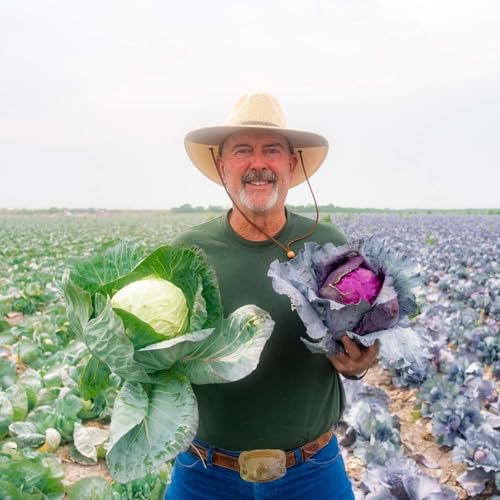
    In this episode of Shoresides, host Nicolas Magrino talks with Mike Meyer, Head of Farmer Advocacy for The FarmLink Project, about a growing effort to make sure nutritious food reaches every community — especially when traditional supply chains fall short.

    As food banks across the country stretch to meet rising demand, FarmLink is showing what can happen when farmers, state agriculture departments, the USDA, and hunger relief organizations work together. Meyer shares stories from North Carolina and beyond, where fresh apples, potatoes, and other produce are being delivered directly from farms to families in need — faster and at lower cost.

    It’s not about replacing existing programs, Meyer says, but about strengthening them. By connecting farmers and food banks more efficiently, FarmLink hopes to reduce waste, support growers, and help every household access healthy food with dignity.

    Shoresides explores how collaboration — from field to food bank — could transform the future of food security in America.

    Support Shoresides’ local storytelling. Your gift helps us amplify coastal voices: https://givebutter.com/to7as6


    Más Menos
    12 m
  • The Ocean Is Changing Color
    Nov 4 2025

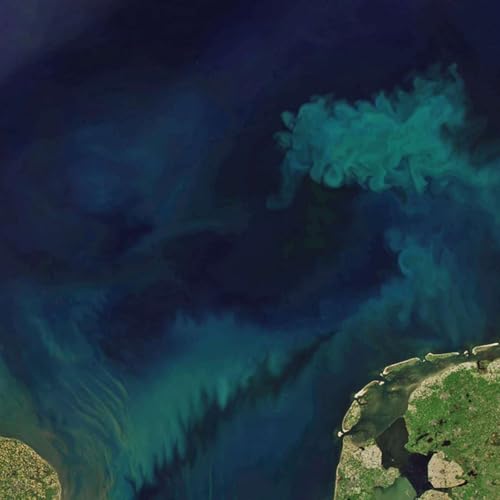
    The ocean is getting greener — and bluer. Scientists can see it from space. But what does it mean?

    In this episode of Shoresides, host Nicolas Magrino speaks with Philip Bresnahan, associate professor at the University of North Carolina Wilmington, about what’s driving subtle but measurable changes in ocean color around the world. From warming waters to shifting nutrient flows, the hues of the sea are telling a complex story — one that hints at the far-reaching effects of climate change, but also at the deep, dynamic rhythms of the ocean itself.

    Credits: Image: NASA and Joshua Stevens, using Landsat data from the U.S. Geological Survey and MODIS data from LANCE/EOSDIS Rapid Response.

    Support Shoresides’ local storytelling. Your gift helps us amplify coastal voices: https://givebutter.com/to7as6


    Más Menos
    10 m
  • Storms & Floods: The Lifeline of Neighborly Connections
    Aug 6 2024

    Join us in this episode as we interview Wallayce Todd of Community CPR to explore the vital role of community connections in the rural areas of Columbus County after storms. Learn how her organizing, Community CPR, and neighborly bonds transform lives, foster resilience, and strengthen the social fabric of our region's rural communities.

    Ten Things to Do to Prepare for a Storm and Flooding:

    1. Create an Emergency Plan: Develop a family emergency plan, including communication methods, evacuation routes, and meeting points.
    2. Assemble an Emergency Kit: Pack essentials like water, non-perishable food, medications, flashlights, batteries, a first aid kit, and important documents.
    3. Stay Informed: Monitor weather forecasts and sign up for local emergency alerts to stay updated on the storm's progress.
    4. Protect Your Home: Install storm shutters or board up windows, clear gutters and drains, and secure outdoor furniture and items that could become projectiles.
    5. Prepare for Power Outages: Have backup power sources like generators and stock up on extra batteries and power banks for electronic devices.
    6. Elevate Important Items: Move valuable items, electronics, and documents to higher ground or upper floors to protect them from potential flooding.
    7. Check Insurance Coverage: Review your home and flood insurance policies to ensure adequate coverage for storm and flood damage.
    8. Plan for Pets: Ensure you have supplies and a plan for your pets, including food, water, and carriers for evacuation.
    9. Know How to Turn Off Utilities: Learn how to safely turn off gas, electricity, and water in case of emergency.
    10. Stay Connected with Neighbors: Build a network with your neighbors to share resources, information, and support before, during, and after the storm.

    Never drive into flood water, as it can be deceptively deep and dangerous, risking your safety and the safety of others.

    Hosted & Produced by Akshay Gokul

    Support Shoresides’ local storytelling. Your gift helps us amplify coastal voices: https://givebutter.com/to7as6


    Más Menos
    9 m
Todavía no hay opiniones