

Fantasy
Fantasy takes you beyond the boundaries of the everyday world into realms where magic is real, mythical creatures roam, and the impossible becomes tangible. Whether set in entirely invented worlds or woven into our own reality, these stories follow heroes, outcasts, and adventurers as they face epic quests, ancient prophecies, and battles between good and evil. The genre offers escape and wonder, letting you explore richly imagined cultures, complex magic systems, and moral dilemmas that often mirror our own. From sword and sorcery to urban fantasy, the range is vast, but the core appeal remains the same: the chance to experience worlds where anything can happen and where courage, friendship, and imagination shape destiny.
- Perfect fit if you love magic systems, epic quests, and richly imagined worlds beyond our own.
- Especially satisfying if you enjoy chosen ones, dragons, sword and sorcery, or political intrigue in fantastical settings.
- You may want to skip if you prefer realistic contemporary stories grounded in the everyday world.
Most popular fantasy audiobooks right now

-
The Fellowship of the Ring
- Book One in The Lord of the Rings Trilogy
- De: J. R. R. Tolkien
- Narrado por: Rob Inglis
- Duración: 19 h y 7 m
- Versión completa
-
General67,292
-
Narración:59,628
-
Historia59,632
The Fellowship of the Ring, the first volume in the trilogy, tells of the fateful power of the One Ring. It begins a magnificent tale of adventure that will plunge the members of the Fellowship of the Ring into a perilous quest and set the stage for the ultimate clash between the powers of good and evil.
-
-
At last - The Definitive Recording!
- De L. N. en 10-10-12
De: J. R. R. Tolkien

-
A Game of Thrones
- A Song of Ice and Fire, Book 1
- De: George R. R. Martin
- Narrado por: Roy Dotrice
- Duración: 33 h y 46 m
- Versión completa
-
General148,722
-
Narración:129,124
-
Historia128,874
NOW THE ACCLAIMED HBO SERIES GAME OF THRONES—THE MASTERPIECE THAT BECAME A CULTURAL PHENOMENON Here is the first book in the landmark series that has redefined imaginative fiction and become a modern masterpiece. A GAME OF THRONES In a land where summers can last decades and winters a...
-
-
Terrible editing, though...
- De Kristie en 09-05-13

-
The Way of Kings
- The Stormlight Archive, Book 1
- De: Brandon Sanderson
- Narrado por: Kate Reading, Michael Kramer
- Duración: 45 h y 30 m
- Versión completa
-
General113,685
-
Narración:100,208
-
Historia100,123
Roshar is a world of stone and storms. Uncanny tempests of incredible power sweep across the rocky terrain so frequently that they have shaped ecology and civilization alike. Animals hide in shells, trees pull in branches, and grass retracts into the soilless ground. Cities are built only where the topography offers shelter. It has been centuries since the fall of the 10 consecrated orders known as the Knights Radiant, but their Shardblades and Shardplate remain: mystical swords and suits of armor.
-
-
It doesn't get any better than this!
- De Robert en 26-10-12

-
The Eye of the World
- Book One of The Wheel of Time
- De: Robert Jordan
- Narrado por: Kate Reading, Michael Kramer
- Duración: 29 h y 57 m
- Versión completa
-
General69,097
-
Narración:59,033
-
Historia58,945
When their village is attacked by trollocs, monsters thought to be only legends, three young men, Rand, Matt, and Perrin, flee in the company of the Lady Moiraine, a sinister visitor of unsuspected powers. Thus begins an epic adventure set in a world of wonders and horror, where what was, what will be, and what is, may yet fall under the Shadow.
-
-
Your first step down a very long and winding road.
- De Lore en 29-06-12
De: Robert Jordan

-
The Final Empire
- Mistborn Book 1
- De: Brandon Sanderson
- Narrado por: Michael Kramer
- Duración: 24 h y 39 m
- Versión completa
-
General97,929
-
Narración:86,139
-
Historia86,054
For a thousand years the ash fell and no flowers bloomed. For a thousand years the Skaa slaved in misery and lived in fear. For a thousand years the Lord Ruler, the "Sliver of Infinity," reigned with absolute power and ultimate terror, divinely invincible. Then, when hope was so long lost that not even its memory remained, a terribly scarred, heart-broken half-Skaa rediscovered it in the depths of the Lord Ruler's most hellish prison.
-
-
Prepare for sleepless nights
- De tercia en 21-10-18

-
The Colour of Magic
- Discworld, Book 1
- De: Terry Pratchett
- Narrado por: Colin Morgan, Peter Serafinowicz, Bill Nighy
- Duración: 7 h y 58 m
- Versión completa
-
General2,568
-
Narración:2,220
-
Historia2,211
Brought to you by Penguin. Over 1 million Discworld audiobooks sold – discover the extraordinary universe of Terry Pratchett’s Discworld like never before The audiobook of The Colour of Magic is read by Colin Morgan (Merlin; Testament of Youth; Belfast). BAFTA and Golden Globe award-winning...
-
-
TERRIBLE Narration!
- De Kayla I en 08-07-22
De: Terry Pratchett
-
The Fellowship of the Ring
- Book One in The Lord of the Rings Trilogy
- De: J. R. R. Tolkien
- Narrado por: Rob Inglis
- Duración: 19 h y 7 m
- Versión completa
-
General67,292
-
Narración:59,628
-
Historia59,632
The Fellowship of the Ring, the first volume in the trilogy, tells of the fateful power of the One Ring. It begins a magnificent tale of adventure that will plunge the members of the Fellowship of the Ring into a perilous quest and set the stage for the ultimate clash between the powers of good and evil.
-
-
At last - The Definitive Recording!
- De L. N. en 10-10-12
De: J. R. R. Tolkien
-
A Game of Thrones
- A Song of Ice and Fire, Book 1
- De: George R. R. Martin
- Narrado por: Roy Dotrice
- Duración: 33 h y 46 m
- Versión completa
-
General148,722
-
Narración:129,124
-
Historia128,874
NOW THE ACCLAIMED HBO SERIES GAME OF THRONES—THE MASTERPIECE THAT BECAME A CULTURAL PHENOMENON Here is the first book in the landmark series that has redefined imaginative fiction and become a modern masterpiece. A GAME OF THRONES In a land where summers can last decades and winters a...
-
-
Terrible editing, though...
- De Kristie en 09-05-13
-
The Way of Kings
- The Stormlight Archive, Book 1
- De: Brandon Sanderson
- Narrado por: Kate Reading, Michael Kramer
- Duración: 45 h y 30 m
- Versión completa
-
General113,685
-
Narración:100,208
-
Historia100,123
Roshar is a world of stone and storms. Uncanny tempests of incredible power sweep across the rocky terrain so frequently that they have shaped ecology and civilization alike. Animals hide in shells, trees pull in branches, and grass retracts into the soilless ground. Cities are built only where the topography offers shelter. It has been centuries since the fall of the 10 consecrated orders known as the Knights Radiant, but their Shardblades and Shardplate remain: mystical swords and suits of armor.
-
-
It doesn't get any better than this!
- De Robert en 26-10-12
-
The Eye of the World
- Book One of The Wheel of Time
- De: Robert Jordan
- Narrado por: Kate Reading, Michael Kramer
- Duración: 29 h y 57 m
- Versión completa
-
General69,097
-
Narración:59,033
-
Historia58,945
When their village is attacked by trollocs, monsters thought to be only legends, three young men, Rand, Matt, and Perrin, flee in the company of the Lady Moiraine, a sinister visitor of unsuspected powers. Thus begins an epic adventure set in a world of wonders and horror, where what was, what will be, and what is, may yet fall under the Shadow.
-
-
Your first step down a very long and winding road.
- De Lore en 29-06-12
De: Robert Jordan
-
The Final Empire
- Mistborn Book 1
- De: Brandon Sanderson
- Narrado por: Michael Kramer
- Duración: 24 h y 39 m
- Versión completa
-
General97,929
-
Narración:86,139
-
Historia86,054
For a thousand years the ash fell and no flowers bloomed. For a thousand years the Skaa slaved in misery and lived in fear. For a thousand years the Lord Ruler, the "Sliver of Infinity," reigned with absolute power and ultimate terror, divinely invincible. Then, when hope was so long lost that not even its memory remained, a terribly scarred, heart-broken half-Skaa rediscovered it in the depths of the Lord Ruler's most hellish prison.
-
-
Prepare for sleepless nights
- De tercia en 21-10-18
-
The Colour of Magic
- Discworld, Book 1
- De: Terry Pratchett
- Narrado por: Colin Morgan, Peter Serafinowicz, Bill Nighy
- Duración: 7 h y 58 m
- Versión completa
-
General2,568
-
Narración:2,220
-
Historia2,211
Brought to you by Penguin. Over 1 million Discworld audiobooks sold – discover the extraordinary universe of Terry Pratchett’s Discworld like never before The audiobook of The Colour of Magic is read by Colin Morgan (Merlin; Testament of Youth; Belfast). BAFTA and Golden Globe award-winning...
-
-
TERRIBLE Narration!
- De Kayla I en 08-07-22
De: Terry Pratchett

-
Harry Potter and the Chamber of Secrets, Book 2
- De: J.K. Rowling
- Narrado por: Jim Dale
- Duración: 9 h y 2 m
- Versión completa
-
General140,926
-
Narración:123,055
-
Historia122,632
Harry Potter's summer has included the worst birthday ever, doomy warnings from a house-elf called Dobby, and rescue from the Dursleys by his friend Ron Weasley in a magical flying car! Back at Hogwarts School of Witchcraft and Wizardry for his second year, Harry hears strange whispers echo through empty corridors - and then the attacks start. Students are found as though turned to stone... Dobby's sinister predictions seem to be coming true.
-
-
Jim Dale is wonderful!
- De Nannad2girls en 31-12-15
De: J.K. Rowling

-
A Wizard of Earthsea
- The Earthsea Cycle, Book 1
- De: Ursula K. Le Guin
- Narrado por: Rob Inglis
- Duración: 7 h y 17 m
- Versión completa
-
General7,988
-
Narración:6,925
-
Historia6,950
Ged was the greatest sorcerer in Earthsea, but in his youth he was the reckless Sparrowhawk. In his hunger for power and knowledge, he tampered with long held secrets and loosed a terrible shadow upon the world. This is the tumultuous tale of his testing, how he mastered the mighty words of power, tamed an ancient dragon, and crossed death's threshold to restore the balance.
-
-
A little gem, excellently narrated.
- De Marjorie en 14-05-12

-
The Blade Itself
- De: Joe Abercrombie
- Narrado por: Steven Pacey
- Duración: 22 h y 15 m
- Versión completa
-
General26,932
-
Narración:24,265
-
Historia24,205
The first novel in the First Law Trilogy from New York Times bestseller, Joe Abercrombie. Logen Ninefingers, infamous barbarian, has finally run out of luck. Caught in one feud too many, he's on the verge of becoming a dead barbarian—leaving nothing behind him but bad songs, dead friends, and...
-
-
Characters drive the story. The Narrator rocks!
- De Brian Alsobrook en 01-11-16
De: Joe Abercrombie
-
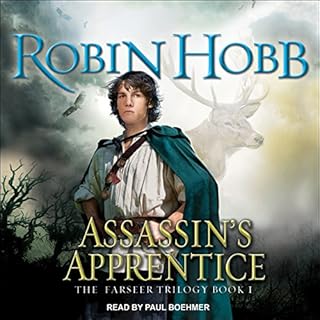
The Farseer: Assassin's Apprentice
- De: Robin Hobb
- Narrado por: Paul Boehmer
- Duración: 17 h y 18 m
- Versión completa
-
General16,516
-
Narración:14,387
-
Historia14,394
With unforgettable characters, a sweeping backdrop, and passionate storytelling, this is a fantasy debut to rival that of Robert Jordan. Filled with adventure and bloodshed, pageantry and piracy, mystery and menace, Assassin's Apprentice is the story of a royal house and the young man who is destined to chart its course through tempests of change.
-
-
Not a waste of 83 hours...just the 60 I spent.
- De Sean en 07-01-13
De: Robin Hobb

-
The Lies of Locke Lamora
- The deviously twisty fantasy adventure you will not want to put down
- De: Scott Lynch
- Narrado por: Michael Page
- Duración: 21 h y 59 m
- Versión completa
-
General2,160
-
Narración:1,970
-
Historia1,964
'One of my top ten books ever. Maybe top five. If you haven't read it, you should' Patrick Rothfuss, New York Times bestselling author of The Name of the Wind 'Fresh, original and engrossing' George R.R. Martin, the phenomenon behind A Game of Thrones They say that the Thorn of Camorr can beat...
-
-
Most entertaining listen!
- De Graham en 15-03-11
De: Scott Lynch

-
Prince of Thorns
- De: Mark Lawrence
- Narrado por: James Clamp
- Duración: 9 h y 19 m
- Versión completa
-
General5,421
-
Narración:4,897
-
Historia4,898
Author Mark Lawrence has won over audiences everywhere with Prince of Thorns, his exciting debut novel. Nine-year-old Prince Jorg is forced to watch as his mother and brother are slaughtered. Fleeing the palace, Jorg joins a bloodthirsty band of thugs. But he’s determined to take back what’s rightfully his, so he returns to the castle a few years later - unaware of the dark and powerful magic that awaits.
-
-
It sticks in your head.
- De Door en 07-09-13
De: Mark Lawrence
- J.R.R. Tolkien - The Fellowship of the Ring
- George R.R. Martin - A Game of Thrones
- Brandon Sanderson - The Way of Kings
- Robert Jordan - The Eye of the World
- Brandon Sanderson - Mistborn: The Final Empire
- Terry Pratchett - The Colour of Magic
- J.K. Rowling - Harry Potter and the Chamber of Secrets
- Ursula K. Le Guin - A Wizard of Earthsea
- Joe Abercrombie - The Blade Itself
- Robin Hobb - Assassin's Apprentice
- Scott Lynch - The Lies of Locke Lamora
- Mark Lawrence - Prince of Thorns
- Steven Erikson - Gardens of the Moon
- Terry Brooks - The Sword of Shannara
- Brent Weeks - The Black Prism
- N.K. Jemisin - The Fifth Season
How fantasy evolved into today's genre
Fantasy has deep roots in mythology, folklore, and fairy tales, but it emerged as a modern literary genre in the early twentieth century. Writers began building entire secondary worlds with their own histories, languages, and rules, establishing the template for what we now recognize as epic or high fantasy. Over the decades, the genre has expanded in every direction, embracing darker tones, morally complex characters, and settings that range from medieval inspired kingdoms to contemporary cities where magic hides in plain sight.
Today, fantasy encompasses a wide spectrum of styles and moods. Epic fantasy often follows large casts through multi-book sagas filled with political intrigue and world-changing stakes. Sword and sorcery tends to focus on individual adventurers in grittier, more personal tales. Urban fantasy brings supernatural elements into modern life, blending the familiar with the fantastical. Historical fantasy reimagines real periods and places with a magical twist, while romantic fantasy centers love stories within enchanted settings. These variations overlap and blend, giving you plenty of room to find the flavor that resonates.
Fantasy also intersects with other genres in ways that keep it evolving. You'll find mystery woven into magical investigations, horror lurking in cursed lands, and science fiction concepts appearing in worlds where technology and sorcery coexist. The genre's flexibility means tone can shift from lighthearted and whimsical to brutal and unforgiving, sometimes within the same series. Listening to fantasy often means settling in for richly detailed worldbuilding and character driven journeys that unfold across multiple installments, making it ideal for those who love immersive, long form storytelling.
Fantasy audiobooks perfect for new listeners

-
The Hobbit
- De: J. R. R. Tolkien
- Narrado por: Rob Inglis
- Duración: 11 h y 5 m
- Versión completa
-
General66,865
-
Narración:59,206
-
Historia59,335
Like every other hobbit, Bilbo Baggins likes nothing better than a quiet evening in his snug hole in the ground, dining on a sumptuous dinner in front of a fire. But when a wandering wizard captivates him with tales of the unknown, Bilbo becomes restless. Soon he joins the wizard’s band of homeless dwarves in search of giant spiders, savage wolves, and other dangers. Bilbo quickly tires of the quest for adventure and longs for the security of his familiar home. But before he can return to his life of comfort, he must face the greatest threat of all.
-
-
Finally! Thank you Audible!
- De Bryan J. Peterson en 20-10-12
De: J. R. R. Tolkien

-
Harry Potter and the Philosopher's Stone, Book 1
- De: J.K. Rowling
- Narrado por: Stephen Fry
- Duración: 8 h y 25 m
- Versión completa
-
General6,999
-
Narración:6,172
-
Historia6,145
Treat your ears to a performance so rich and captivating you'll imagine yourself in the halls of Hogwarts. Wherever you listen, the unmistakable voice of Stephen Fry is guaranteed to guide you ever more deeply into this magical story and transport you to the heart of the adventure.
-
-
Magical!
- De Marek en 25-12-15
De: J.K. Rowling

-
The Lion, the Witch, and the Wardrobe
- The Chronicles of Narnia
- De: C. S. Lewis
- Narrado por: Michael York
- Duración: 4 h y 21 m
- Versión completa
-
General17,376
-
Narración:12,789
-
Historia12,838
The Magician’s Nephew, from Academy Award–nominated filmmaker Greta Gerwig, will release in IMAX and wide globally in theaters on February 12, 2027, and on Netflix on April 2, 2027. Sneak previews only in IMAX will begin on February 10, 2027. Immerse yourself in the fantastical world of...
-
-
Suitable for children
- De Phebe en 09-01-12
De: C. S. Lewis

-
The Name of the Wind
- Kingkiller Chronicle, Book 1
- De: Patrick Rothfuss
- Narrado por: Nick Podehl
- Duración: 27 h y 55 m
- Versión completa
-
General109,218
-
Narración:98,471
-
Historia98,491
This is a tale of sorrow, a tale of survival, a tale of one man's search for meaning in his universe, and how that search, and the indomitable will that drove it, gave birth to a legend.
-
-
Not sure why the reviews are so polar opposite.
- De Aaron Altman en 28-06-09
De: Patrick Rothfuss
-
The Hobbit
- De: J. R. R. Tolkien
- Narrado por: Rob Inglis
- Duración: 11 h y 5 m
- Versión completa
-
General66,865
-
Narración:59,206
-
Historia59,335
Like every other hobbit, Bilbo Baggins likes nothing better than a quiet evening in his snug hole in the ground, dining on a sumptuous dinner in front of a fire. But when a wandering wizard captivates him with tales of the unknown, Bilbo becomes restless. Soon he joins the wizard’s band of homeless dwarves in search of giant spiders, savage wolves, and other dangers. Bilbo quickly tires of the quest for adventure and longs for the security of his familiar home. But before he can return to his life of comfort, he must face the greatest threat of all.
-
-
Finally! Thank you Audible!
- De Bryan J. Peterson en 20-10-12
De: J. R. R. Tolkien
-
Harry Potter and the Philosopher's Stone, Book 1
- De: J.K. Rowling
- Narrado por: Stephen Fry
- Duración: 8 h y 25 m
- Versión completa
-
General6,999
-
Narración:6,172
-
Historia6,145
Treat your ears to a performance so rich and captivating you'll imagine yourself in the halls of Hogwarts. Wherever you listen, the unmistakable voice of Stephen Fry is guaranteed to guide you ever more deeply into this magical story and transport you to the heart of the adventure.
-
-
Magical!
- De Marek en 25-12-15
De: J.K. Rowling
-
The Lion, the Witch, and the Wardrobe
- The Chronicles of Narnia
- De: C. S. Lewis
- Narrado por: Michael York
- Duración: 4 h y 21 m
- Versión completa
-
General17,376
-
Narración:12,789
-
Historia12,838
The Magician’s Nephew, from Academy Award–nominated filmmaker Greta Gerwig, will release in IMAX and wide globally in theaters on February 12, 2027, and on Netflix on April 2, 2027. Sneak previews only in IMAX will begin on February 10, 2027. Immerse yourself in the fantastical world of...
-
-
Suitable for children
- De Phebe en 09-01-12
De: C. S. Lewis
-
The Name of the Wind
- Kingkiller Chronicle, Book 1
- De: Patrick Rothfuss
- Narrado por: Nick Podehl
- Duración: 27 h y 55 m
- Versión completa
-
General109,218
-
Narración:98,471
-
Historia98,491
This is a tale of sorrow, a tale of survival, a tale of one man's search for meaning in his universe, and how that search, and the indomitable will that drove it, gave birth to a legend.
-
-
Not sure why the reviews are so polar opposite.
- De Aaron Altman en 28-06-09
De: Patrick Rothfuss
The Hobbit by J.R.R. Tolkien follows Bilbo Baggins, a comfort-loving hobbit who gets swept into an unexpected adventure with a group of dwarves seeking to reclaim their mountain home from a dragon. The story introduces Middle-earth through a single, self-contained quest that balances humor with danger. Tolkien's world-building feels lived-in rather than overwhelming, making it easy to follow Bilbo's transformation from reluctant participant to capable hero. The book stands alone while setting the stage for deeper exploration of this world.
Harry Potter and the Philosopher's Stone by J.K. Rowling begins when eleven-year-old Harry discovers he's a wizard and enters Hogwarts School of Witchcraft and Wizardry. The magical world unfolds alongside Harry's own discovery of it, so listeners learn the rules and customs as he does. Rowling grounds the fantasy in familiar school experiences like making friends, attending classes, and facing bullies. The mystery at the book's center keeps the plot focused while introducing the larger conflict that spans the series.
The Lion, the Witch and the Wardrobe by C.S. Lewis opens when four siblings step through a wardrobe into Narnia, a land trapped in eternal winter by an evil queen. The story moves quickly from the ordinary world into the magical one, making the transition feel natural and exciting. Lewis writes with straightforward prose that never gets bogged down in explanation, letting the adventure carry the story forward. The book works as a standalone tale while being the first entry into the Chronicles of Narnia series.
The Name of the Wind by Patrick Rothfuss introduces Kvothe, a legendary figure now living in hiding, who begins telling the true story of his life. The frame narrative creates intimacy as Kvothe recounts his childhood in a traveling troupe, his tragedy, and his struggles at a university for magic users. Rothfuss builds his magic system and world gradually through Kvothe's experiences rather than exposition dumps. The book combines coming-of-age elements with fantasy adventure, making it accessible while offering depth for those ready to commit to a longer series.
Fantasy stories that restore your faith

-
The Princess Bride
- S. Morgenstern's Classic Tale of True Love and High Adventure (The "Good Parts" Version)
- De: William Goldman
- Narrado por: Rob Reiner
- Duración: 2 h y 32 m
- Versión resumida
-
General4,859
-
Narración:4,147
-
Historia4,148
This adventure story has everything you could want: a handsome good guy, a pretty heroine, some bad guys, sword fighting, revenge, romance, and of course a happy ending, along with "rodents of unusual size." Join Westley (the plucky farm boy), Buttercup (the beautiful young maiden), Inigo Montoya (the driven, embittered swordsman), Prince Humperdinck (the scheming villain), and many other strange and unusual characters in this swashbuckling tale of good-natured silliness. Read by Rob Reiner, who directed the motion picture based on this fairy tale adventure.
-
-
Way Too Abridged
- De rachel en 19-07-10
De: William Goldman

-
Stardust
- De: Neil Gaiman
- Narrado por: Neil Gaiman
- Duración: 6 h y 23 m
- Versión completa
-
General11,574
-
Narración:9,180
-
Historia9,159
Catch a fallen star . . . Tristran thorn promised to bring back a fallen star. So he sets out on a journey to fulfill the request of his beloved, the hauntingly beautiful Victoria Forester—and stumbles into the enchanted realm that lies beyond the wall of his English country town. Rich with...
-
-
This is an ADULT fairytale
- De Rebecca en 25-01-08
De: Neil Gaiman

-
Howl's Moving Castle
- De: Diana Wynne Jones
- Narrado por: Jenny Sterlin
- Duración: 8 h y 34 m
- Versión completa
-
General13,984
-
Narración:12,461
-
Historia12,462
A Boston Globe-Horn Book Honor Book and ALA Notable and Best of the Year in Young Adult Fiction, Howl's Moving Castle is by acclaimed fantasy writer Diane Wynne Jones and was transformed into an Academy Award nominated animated motion picture by Hayao Miyazaki. On a rare venture out from her step-mother's hat shop, Sophie attracts the attention of a witch, who casts a terrible spell transforming the young girl into an old crone.
-
-
Howl's Moving Castle is Amazing!
- De Elisa en 23-10-09
-
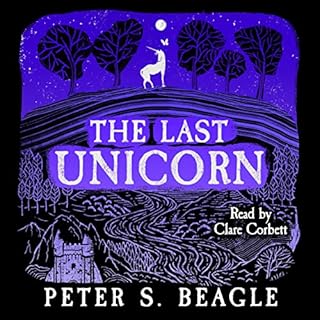
The Last Unicorn
- De: Peter S. Beagle
- Narrado por: Christopher Ragland, Clare Corbett
- Duración: 7 h y 10 m
- Versión completa
-
General6
-
Narración:4
-
Historia4
"If men no longer know what they are looking at, there may well be unicorns in the world yet, unknown and glad of it." Living in peace in her lilac wood, the Unicorn didn't know the world had changed, or that anything had happened to the rest of her kind. Overhearing a chance conversation, she...
-
-
Thank You Peter S. Beagle
- De Josie G. en 30-09-22
De: Peter S. Beagle
-
The Princess Bride
- S. Morgenstern's Classic Tale of True Love and High Adventure (The "Good Parts" Version)
- De: William Goldman
- Narrado por: Rob Reiner
- Duración: 2 h y 32 m
- Versión resumida
-
General4,859
-
Narración:4,147
-
Historia4,148
This adventure story has everything you could want: a handsome good guy, a pretty heroine, some bad guys, sword fighting, revenge, romance, and of course a happy ending, along with "rodents of unusual size." Join Westley (the plucky farm boy), Buttercup (the beautiful young maiden), Inigo Montoya (the driven, embittered swordsman), Prince Humperdinck (the scheming villain), and many other strange and unusual characters in this swashbuckling tale of good-natured silliness. Read by Rob Reiner, who directed the motion picture based on this fairy tale adventure.
-
-
Way Too Abridged
- De rachel en 19-07-10
De: William Goldman
-
Stardust
- De: Neil Gaiman
- Narrado por: Neil Gaiman
- Duración: 6 h y 23 m
- Versión completa
-
General11,574
-
Narración:9,180
-
Historia9,159
Catch a fallen star . . . Tristran thorn promised to bring back a fallen star. So he sets out on a journey to fulfill the request of his beloved, the hauntingly beautiful Victoria Forester—and stumbles into the enchanted realm that lies beyond the wall of his English country town. Rich with...
-
-
This is an ADULT fairytale
- De Rebecca en 25-01-08
De: Neil Gaiman
-
Howl's Moving Castle
- De: Diana Wynne Jones
- Narrado por: Jenny Sterlin
- Duración: 8 h y 34 m
- Versión completa
-
General13,984
-
Narración:12,461
-
Historia12,462
A Boston Globe-Horn Book Honor Book and ALA Notable and Best of the Year in Young Adult Fiction, Howl's Moving Castle is by acclaimed fantasy writer Diane Wynne Jones and was transformed into an Academy Award nominated animated motion picture by Hayao Miyazaki. On a rare venture out from her step-mother's hat shop, Sophie attracts the attention of a witch, who casts a terrible spell transforming the young girl into an old crone.
-
-
Howl's Moving Castle is Amazing!
- De Elisa en 23-10-09
-
The Last Unicorn
- De: Peter S. Beagle
- Narrado por: Christopher Ragland, Clare Corbett
- Duración: 7 h y 10 m
- Versión completa
-
General6
-
Narración:4
-
Historia4
"If men no longer know what they are looking at, there may well be unicorns in the world yet, unknown and glad of it." Living in peace in her lilac wood, the Unicorn didn't know the world had changed, or that anything had happened to the rest of her kind. Overhearing a chance conversation, she...
-
-
Thank You Peter S. Beagle
- De Josie G. en 30-09-22
De: Peter S. Beagle
The Princess Bride by William Goldman delivers exactly that kind of joy. This tale of true love and high adventure follows Buttercup and Westley through sword fights, giants, and impossible odds. Goldman frames it as an abridgement of a classic tale, but the real magic is how it balances swashbuckling action with genuine heart. By the end, you believe in the power of love again, and you close the story with a smile that lingers for days.
Stardust by Neil Gaiman takes you across a wall into a realm where fallen stars are living beings and promises carry real weight. Tristran Thorn ventures into Faerie to retrieve a fallen star for the woman he loves, only to discover the star is a person with her own fierce will. The journey transforms him from a lovesick boy into someone worthy of true affection. The ending rewards you with the kind of happiness that feels earned, not given.
Howl's Moving Castle by Diana Wynne Jones follows Sophie Hatter after a witch's curse transforms her into an old woman. She takes refuge in the wandering castle of the wizard Howl, a vain and mysterious figure rumored to eat hearts. What unfolds is a story about breaking curses, both magical and self-imposed, and finding your own power. The resolution brings warmth and satisfaction, proving that sometimes the best magic is simply becoming yourself.
The Last Unicorn by Peter S. Beagle tells of the last of her kind searching for what happened to all the other unicorns. Her quest leads her through a world that has forgotten magic, accompanied by a bumbling magician and a woman seeking her own freedom. The story aches with melancholy beauty, but it also offers hope. The ending is bittersweet yet affirming, leaving you with the sense that some things are worth preserving, even at great cost.
Fantasy rooted in non-Western traditions

-
The Poppy War
- A Novel
- De: R. F. Kuang
- Narrado por: Emily Woo Zeller
- Duración: 19 h y 27 m
- Versión completa
-
General5,411
-
Narración:4,655
-
Historia4,645
An AudioFile Magazine Best Audiobook of 2018! Read by Audiofile Golden Voice Narrator, Emily Woo Zeller A Library Journal, Paste Magazine, and ENTROPY Best Books of 2018 pick! Washington Post "5 Best Science Fiction and Fantasy Novel of 2018" pick! A Bustle "30 Best Fiction Books of 2018" pick!...
-
-
Wow. Just... wow.
- De superstardrifter en 01-07-18
De: R. F. Kuang

-
Children of Blood and Bone
- De: Tomi Adeyemi
- Narrado por: Bahni Turpin
- Duración: 17 h y 56 m
- Versión completa
-
General17,126
-
Narración:15,597
-
Historia15,567
*Winner of the Audie Award for Audiobook of the Year* *This program is narrated by acclaimed reader Bahni Turpin, whose past work includes The Hate U Give and The Underground Railroad* "Bahni Turpin's breathtaking narration of this exhilarating novel will keep listeners rooted to their seats...
-
-
Beautifully Written
- De Samantha en 09-03-18
De: Tomi Adeyemi

-
The City of Brass
- A Novel
- De: S. A. Chakraborty
- Narrado por: Soneela Nankani
- Duración: 20 h y 1 m
- Versión completa
-
General3,907
-
Narración:3,436
-
Historia3,426
NAMED ONE OF THE BEST BOOKS OF THE YEAR BY Library Journal | Vulture | The Verge | SYFYWire Read by Audiofile Golden Voice Narrator, Soneela Nankani Step into The City of Brass, the spellbinding debut from S. A. Chakraborty perfect for fans of The Golem and the Jinni, The Grace of Kings, and...
-
-
it's a love/hate thing
- De Zahai en 28-02-18

-
She Who Became the Sun
- The Number One Sunday Times Bestseller
- De: Shelley Parker-Chan
- Narrado por: Natalie Naudus
- Duración: 14 h y 36 m
- Versión completa
-
General26
-
Narración:21
-
Historia21
THE NUMBER ONE SUNDAY TIMES BESTSELLER An absorbing historical fantasy, She Who Became the Sun by Shelley Parker-Chan reimagines the rise to power of the Ming Dynasty’s founding emperor. ‘This audacious, brilliant debut is a vivid, original reimagining . . . immersive storytelling at its...
-
-
I liked it but not enough to bother with the rest
- De Sharon en 13-02-22
-
The Poppy War
- A Novel
- De: R. F. Kuang
- Narrado por: Emily Woo Zeller
- Duración: 19 h y 27 m
- Versión completa
-
General5,411
-
Narración:4,655
-
Historia4,645
An AudioFile Magazine Best Audiobook of 2018! Read by Audiofile Golden Voice Narrator, Emily Woo Zeller A Library Journal, Paste Magazine, and ENTROPY Best Books of 2018 pick! Washington Post "5 Best Science Fiction and Fantasy Novel of 2018" pick! A Bustle "30 Best Fiction Books of 2018" pick!...
-
-
Wow. Just... wow.
- De superstardrifter en 01-07-18
De: R. F. Kuang
-
Children of Blood and Bone
- De: Tomi Adeyemi
- Narrado por: Bahni Turpin
- Duración: 17 h y 56 m
- Versión completa
-
General17,126
-
Narración:15,597
-
Historia15,567
*Winner of the Audie Award for Audiobook of the Year* *This program is narrated by acclaimed reader Bahni Turpin, whose past work includes The Hate U Give and The Underground Railroad* "Bahni Turpin's breathtaking narration of this exhilarating novel will keep listeners rooted to their seats...
-
-
Beautifully Written
- De Samantha en 09-03-18
De: Tomi Adeyemi
-
The City of Brass
- A Novel
- De: S. A. Chakraborty
- Narrado por: Soneela Nankani
- Duración: 20 h y 1 m
- Versión completa
-
General3,907
-
Narración:3,436
-
Historia3,426
NAMED ONE OF THE BEST BOOKS OF THE YEAR BY Library Journal | Vulture | The Verge | SYFYWire Read by Audiofile Golden Voice Narrator, Soneela Nankani Step into The City of Brass, the spellbinding debut from S. A. Chakraborty perfect for fans of The Golem and the Jinni, The Grace of Kings, and...
-
-
it's a love/hate thing
- De Zahai en 28-02-18
-
She Who Became the Sun
- The Number One Sunday Times Bestseller
- De: Shelley Parker-Chan
- Narrado por: Natalie Naudus
- Duración: 14 h y 36 m
- Versión completa
-
General26
-
Narración:21
-
Historia21
THE NUMBER ONE SUNDAY TIMES BESTSELLER An absorbing historical fantasy, She Who Became the Sun by Shelley Parker-Chan reimagines the rise to power of the Ming Dynasty’s founding emperor. ‘This audacious, brilliant debut is a vivid, original reimagining . . . immersive storytelling at its...
-
-
I liked it but not enough to bother with the rest
- De Sharon en 13-02-22
The Poppy War by R.F. Kuang draws from Chinese history and mythology to tell the story of Rin, a war orphan who aces the empire's entrance exam and earns a place at an elite military academy. As she trains, she discovers a talent for shamanism, a power that connects her to ancient gods. When war erupts, Rin must decide how far she'll go to protect her people. The novel blends the Sino-Japanese conflicts of the twentieth century with a magic system rooted in Chinese spiritual traditions.
Children of Blood and Bone by Tomi Adeyemi builds its world from West African mythology and Yoruba culture. Zélie lives in a kingdom where magic was violently suppressed and her mother was killed for being a maji. When she meets a rogue princess, Zélie gets the chance to restore magic and strike back against the monarchy that destroyed her family. The story weaves Orisha deities and spiritual practices into an adventure about resistance, grief, and the cost of power.
The City of Brass by S.A. Chakraborty, the first book in the Daevabad Trilogy, immerses readers in a world inspired by Middle Eastern folklore and Islamic history. Nahri is a con artist in eighteenth-century Cairo who accidentally summons a djinn warrior and learns she has magical heritage. He takes her to Daevabad, a hidden city of brass where djinn politics, ancient feuds, and religious tensions collide. The novel draws on tales from across the Islamic world to create a richly detailed setting.
She Who Became the Sun by Shelley Parker-Chan reimagines the founding of the Ming Dynasty through a queer lens. When her brother dies, a peasant girl takes his identity and his destiny, determined to claim the greatness a fortune teller once predicted for him. She joins a monastery, then an army, navigating a world of rebellion and war while hiding her true self. The book blends Chinese history with Buddhist philosophy and explores fate, identity, and ambition.
Stories that make you question reality

-
Piranesi
- WINNER OF THE AUDIES AUDIOBOOK OF THE YEAR
- De: Susanna Clarke
- Narrado por: Chiwetel Ejiofor
- Duración: 6 h y 58 m
- Versión completa
-
General12,314
-
Narración:10,847
-
Historia10,823
Bloomsbury presents Piranesi by Susanna Clarke, read by Chiwetel Ejiofor. WINNER OF THE WOMEN'S PRIZE 2021 WINNER OF THE KITSCHIES' 2021 SHORTLISTED FOR THE COSTA NOVEL OF THE YEAR AWARD A SUNDAY TIMES BESTSELLER A NEW YORK TIMES BESTSELLER CHOSEN AS A BOOK OF THE YEAR BY THE THE TIMES, GUARDIAN...
-
-
Fascinating Social Study
- De Henry V en 26-02-21
De: Susanna Clarke

-
The Traitor Baru Cormorant
- De: Seth Dickinson
- Narrado por: Christine Marshall
- Duración: 14 h
- Versión completa
-
General781
-
Narración:679
-
Historia676
In Seth Dickinson's highly-anticipated debut The Traitor Baru Cormorant, a young woman from a conquered people tries to transform an empire in this richly imagined geopolitical fantasy. Baru Cormorant believes any price is worth paying to liberate her people-even her soul. When the Empire of...
-
-
Read for detail explainations, skip otherwise
- De Nathan en 19-10-15
De: Seth Dickinson

-
The Drowning Girl
- De: Caitlin R. Kiernan
- Narrado por: Suzy Jackson
- Duración: 13 h y 9 m
- Versión completa
-
General487
-
Narración:441
-
Historia442
India Morgan Phelps - Imp to her friends - is schizophrenic. Struggling with her perceptions of reality, Imp must uncover the truth about her encounters with creatures out of myth - or from something far, far stranger....
-
-
A Modern Haunting
- De Diane en 16-07-12

-
Tigana
- De: Guy Gavriel Kay
- Narrado por: Simon Vance
- Duración: 24 h y 51 m
- Versión completa
-
General671
-
Narración:571
-
Historia569
Eight of the nine Palm provinces of the Peninsula have been overcome by warrior sorcerers Brandin and Alberico. But the sorcerers don't know that a small band of survivors is plotting their removal. With tensions mounting, the sorcerers become increasingly at odds as each decides where his own path - and that of the land - should truly lie.
-
-
A little self-indulgent
- De Diana M. en 31-05-20
De: Guy Gavriel Kay
-
Piranesi
- WINNER OF THE AUDIES AUDIOBOOK OF THE YEAR
- De: Susanna Clarke
- Narrado por: Chiwetel Ejiofor
- Duración: 6 h y 58 m
- Versión completa
-
General12,314
-
Narración:10,847
-
Historia10,823
Bloomsbury presents Piranesi by Susanna Clarke, read by Chiwetel Ejiofor. WINNER OF THE WOMEN'S PRIZE 2021 WINNER OF THE KITSCHIES' 2021 SHORTLISTED FOR THE COSTA NOVEL OF THE YEAR AWARD A SUNDAY TIMES BESTSELLER A NEW YORK TIMES BESTSELLER CHOSEN AS A BOOK OF THE YEAR BY THE THE TIMES, GUARDIAN...
-
-
Fascinating Social Study
- De Henry V en 26-02-21
De: Susanna Clarke
-
The Traitor Baru Cormorant
- De: Seth Dickinson
- Narrado por: Christine Marshall
- Duración: 14 h
- Versión completa
-
General781
-
Narración:679
-
Historia676
In Seth Dickinson's highly-anticipated debut The Traitor Baru Cormorant, a young woman from a conquered people tries to transform an empire in this richly imagined geopolitical fantasy. Baru Cormorant believes any price is worth paying to liberate her people-even her soul. When the Empire of...
-
-
Read for detail explainations, skip otherwise
- De Nathan en 19-10-15
De: Seth Dickinson
-
The Drowning Girl
- De: Caitlin R. Kiernan
- Narrado por: Suzy Jackson
- Duración: 13 h y 9 m
- Versión completa
-
General487
-
Narración:441
-
Historia442
India Morgan Phelps - Imp to her friends - is schizophrenic. Struggling with her perceptions of reality, Imp must uncover the truth about her encounters with creatures out of myth - or from something far, far stranger....
-
-
A Modern Haunting
- De Diane en 16-07-12
-
Tigana
- De: Guy Gavriel Kay
- Narrado por: Simon Vance
- Duración: 24 h y 51 m
- Versión completa
-
General671
-
Narración:571
-
Historia569
Eight of the nine Palm provinces of the Peninsula have been overcome by warrior sorcerers Brandin and Alberico. But the sorcerers don't know that a small band of survivors is plotting their removal. With tensions mounting, the sorcerers become increasingly at odds as each decides where his own path - and that of the land - should truly lie.
-
-
A little self-indulgent
- De Diana M. en 31-05-20
De: Guy Gavriel Kay
Piranesi by Susanna Clarke unfolds through the journal entries of a man who lives alone in an impossible house of endless halls and ocean tides. He believes this is the entire world, and his entries reveal his reality in careful detail. But as you listen, small inconsistencies start to surface. The narrator's understanding of his own life begins to crack, and you realize something is deeply wrong long before he does. The structure makes you complicit in his confusion.
The Traitor Baru Cormorant by Seth Dickinson follows an accountant who joins the empire that conquered her homeland, determined to destroy it from within. Baru's perspective is sharp and calculating, and you see every choice she makes to climb the ranks. But the book withholds her true intentions at key moments, leaving you uncertain whether she's playing a long game or becoming the thing she hates. The final twist recontextualizes everything you thought you understood about her loyalty.
The Drowning Girl by Caitlín R. Kiernan is narrated by a woman with schizophrenia who's trying to write down what happened the year she met a strange girl by the side of the road. She tells you upfront that her memory is unreliable, that she might be lying, that there are two versions of events. The narrative circles back on itself, contradicting and revising. You're left assembling the truth from fragments, never quite sure which details are real and which are delusion.
Tigana by Guy Gavriel Kay takes place in a peninsula where a conquering sorcerer has erased the name of an entire province from memory. Only those born there can still hear it spoken. The book shifts between multiple perspectives, and some characters literally cannot perceive the same reality as others. When someone speaks the forbidden name, certain listeners hear only silence. This creates scenes where you understand more than half the people in the room, watching them stumble around a truth they can't access.