


Born in Harlem, James Arthur Baldwin would become one of the most important writers of the 20th century. No one wrote more beautifully, more poignantly, on the issues of the day, issues that remain relevant to this day—race, class, justice, LGBTQIA+ identity. He wrote it like it was, and spoke it, too.
“Those who say it can’t be done are usually interrupted by others doing it.”
When he wasn’t writing essays, novels, poetry, or plays, Baldwin was captivating audiences with an eloquence that few could match. He walked-the-walk in demonstrations along with other civil rights activists, continuing the work of those who came before while establishing a legacy of his own.
“To be a Negro in this country and to be relatively conscious is to be in a rage almost all the time.”
Baldwin’s characters were often reflective of his own experiences and identity—Black and queer folks enduring through the constant struggle for justice and equality. He also carried on the work of the founders of the Harlem Renaissance. Eventually, though, Baldwin would leave America. He told one interviewer the reason he went to France: “My luck was running out,” Baldwin said. “I was going to go to jail, I was going to kill somebody or be killed. My best friend had [died by] suicide two years earlier.”
“The most dangerous creation of any society is the man who has nothing to lose.”
I had the pleasure of meeting James Baldwin. His brother David worked at a popular jazz club and restaurant, Mikell’s, on Manhattan’s Upper West Side. I was there one night with Miles Davis. Behind me, I heard, “I love this man. I love this man.” There he was. I was speechless—probably intimidated and fearful that I’d have to have a conversation with this person who knew his way around words so beautifully. In retrospect, he may well have given me his number and possibly his friendship had I asked.
(After all, I was, at the time, with a man he loved.)
So many times I’ve wondered what it would have been like to call up James, see James, have a drink with James, and by some magical osmosis, become a great writer like James.
Years later, I was having dinner at La Colombe D’or in Saint Paul de Vence, France. A frisky dog was running around, I think a golden retriever. I assumed he belonged to the owners as he seemed very comfortable there. I followed him with my eyes until he finally calmed down and walked to his owner.
“David!” I yelled. “I can’t believe it’s you.” It was James’s brother, the one who worked at Mikell's. Baldwin, just before he died, was in the process of buying a house not far from La Colombe D’or. David was in Vence for a visit.
If only I had the courage to strike up a conversation with Baldwin all those years ago. I can only imagine the great times I would’ve had with my dear friend James, all over New York and sometimes in Vence.
Nevertheless, he’s left us all an embarrassment of riches. We’d like to share some of them with you.

James Baldwin's timeless, bestselling novel of love and solidarity in the face of injustice—the beloved classic that inspired the major motion picture directed by Barry Jenkins. Tish is 19 years old and in love with Fonny, a young sculptor who is the father of her child. They have pledged to get married, but then Fonny is falsely accused of a terrible crime. In a love story that evokes the blues, James Baldwin gives us two characters so alive and profoundly realized that they are unforgettably ingrained in the American psyche.
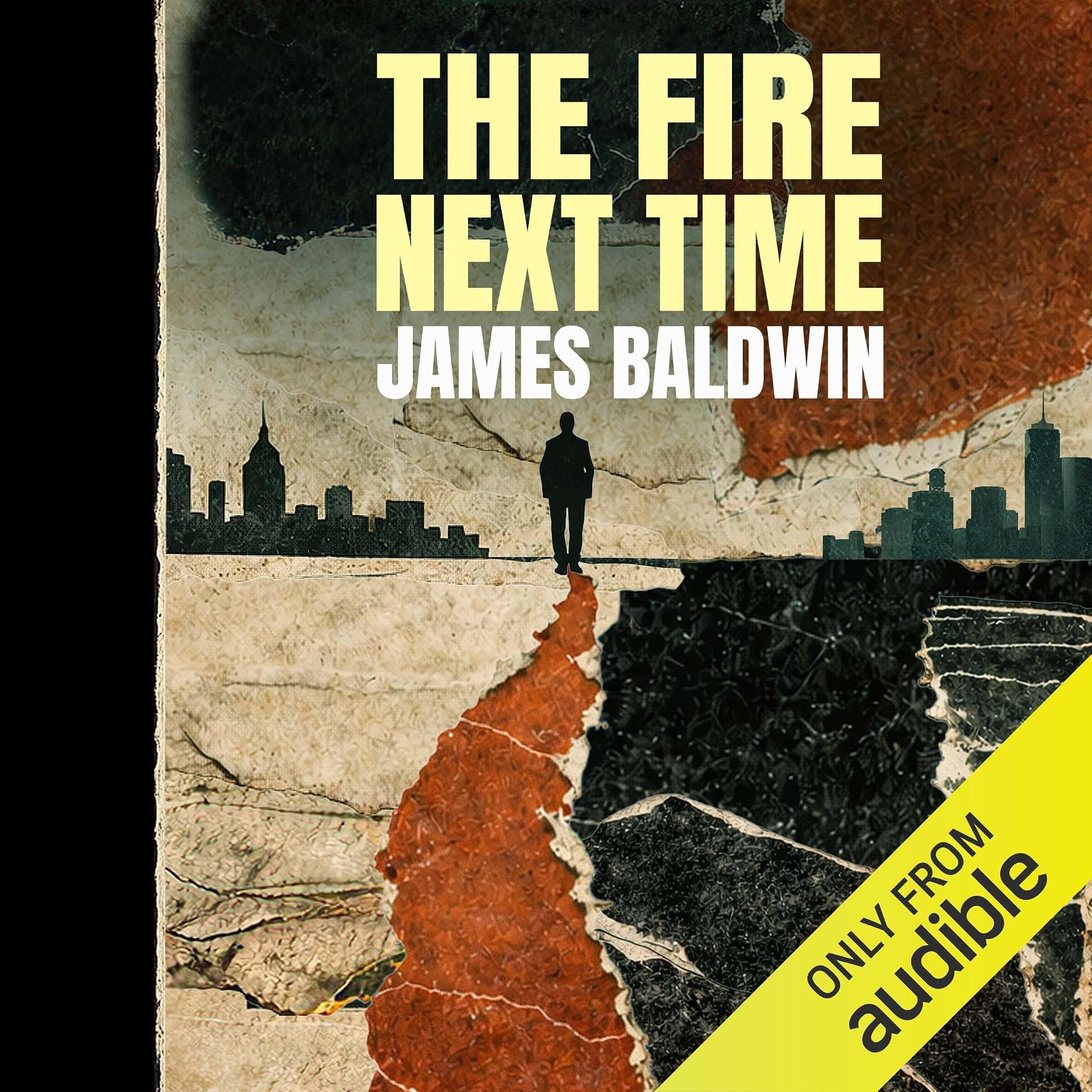
The book that galvanized the nation and gave voice to the emerging civil rights movement in the 1960s—and still lights the way to understanding race in America today. At once a powerful evocation of James Baldwin's early life in Harlem and a disturbing examination of the consequences of racial injustice, the book is an intensely personal and provocative document from the iconic author. The Fire Next Time stands as a classic of literature.

This major collection of short fiction—including the story "Sonny's Blues"—explores the wounds racism leaves in both its victims and its perpetrators. The men and women in these eight short fictions grasp this truth on an elemental level, and their stories detail the ingenious and often desperate ways in which they try to keep their heads above water.

Covering the last months of Baldwin’s 10-year self-exile in Europe, his return to America and to Harlem, and his first trip south at the time of the school integration battles, Nobody Knows My Name includes his controversial and intimate profiles of Norman Mailer, Richard Wright, and Ingmar Bergman. It also explores the relations between Black and white Americans, sexual identity, and the role of writers in society.

In this book-length essay, Baldwin explores and exposes racism in American movies. He challenges the underlying assumptions in films that have shaped our consciousness. Using personal anecdotes and analysis of films such as In the Heat of the Night, Guess Who's Coming to Dinner, and even The Exorcist, he argues that movies promote propaganda and distort the reality of racism in every day life.

The essays collected here create a cohesive sketch of Black America and reveal an intimate portrait of Baldwin’s own search for identity as an artist, as a Black man, and as an American. Baldwin probes the complex condition of being Black in America, examining everything from the significance of the protest novel to the motives and circumstances of the many Black expatriates of the time. Many of his observations have proven almost prophetic. The combination of brazen criticism and unconventional empathy for white readers won Baldwin as much condemnation as praise.

Set in Greenwich Village, Harlem, and France, this is a novel of sex, race, politics, and artistic passions. Stunning for its emotional intensity and haunting sensuality, this book depicts men and women, Blacks and whites, stripped of their masks of gender and race by love and hatred at the most elemental and sublime. It was nominated as one of America’s best-loved novels by PBS’s The Great American Read.


