

Bestsellers

-
Theo of Golden
- A Novel
- By: Allen Levi
- Narrated by: David Morse
- Length: 13 hrs and 12 mins
- Unabridged
-
Overall14,827
-
Performance14,513
-
Story14,513
THE #1 NEW YORK TIMES BESTSELLING PHENONEMON A Katie Couric Book Club Pick A Jen Hatmaker Book Club Pick “[A] word-of-mouth smash hit.” —The New York Times “A treasure.” —Hoda Kotb One spring morning, a stranger named Theo arrives in the small Southern city of Golden. He doesn't...
-
-
Favorite book possibly ever
- By HGVBMomma on 12-14-25
By: Allen Levi
-
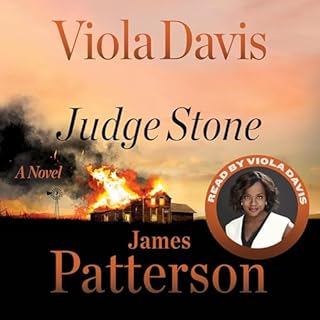
Judge Stone
- A Novel
- By: James Patterson, Viola Davis
- Narrated by: Viola Davis
- Length: 11 hrs and 20 mins
- Unabridged
-
Overall5,262
-
Performance5,183
-
Story5,183
#1 New York Times Bestseller! Read by Academy Award–winning actress Viola Davis. “Davis is a force of nature, and her performance is riveting.” — Kirkus Reviews Viola Davis and the world's #1 bestselling author James Patterson’s Judge Stone "delivers first-class courtroom drama...
-
-
I loved Viola's narration. I can see her as the judge, she is an excellent actress and very distinguished lady. The
- By Denlin in OBS Florida on 03-10-26
By: James Patterson, and others

-
To Kill a Mockingbird
- By: Harper Lee
- Narrated by: Sissy Spacek
- Length: 12 hrs and 17 mins
- Unabridged
-
Overall49,103
-
Performance43,635
-
Story43,489
READ BY SISSY SPACEK Harper Lee's beloved Pulitzer Prize-winning classic of honor and injustice in the deep South—and the heroism of one man in the face of blind and violent hatred One of the most cherished stories of all time, To Kill a Mockingbird has earned many distinctions since its...
-
-
A gift to be treasured
- By David Shear on 07-09-14
By: Harper Lee

-
A Little Life
- A Novel
- By: Hanya Yanagihara
- Narrated by: Matt Bomer
- Length: 28 hrs and 38 mins
- Unabridged
-
Overall1,450
-
Performance1,402
-
Story1,402
NEW YORK TIMES BESTSELLER A stunning “portrait of the enduring grace of friendship” (NPR) about the families we are born into, and those that we make for ourselves. A masterful depiction of love in the twenty-first century. NATIONAL BOOK AWARD FINALIST MAN BOOKER PRIZE FINALIST ...
-
-
Beautifully Tragic
- By Shannon Sanchez on 02-23-25
By: Hanya Yanagihara

-
Pachinko (National Book Award Finalist)
- By: Min Jin Lee
- Narrated by: Sandra Oh, Min Jin Lee
- Length: 17 hrs and 48 mins
- Unabridged
-
Overall1,588
-
Performance1,521
-
Story1,521
In this New York Times bestseller, four generations of a poor Korean immigrant family fight to control their destiny in 20th-century Japan. "Stunning." —The New York Times Book Review In the early 1900s, teenaged Sunja, the adored daughter of a crippled fisherman, falls for a wealthy stranger...
-
-
Incredible. Best audio book I’ve ever listened to. And I’ve listened to many.
- By Amazon Customer on 10-20-24
By: Min Jin Lee

-
Vera Wong's Unsolicited Advice for Murderers
- By: Jesse Q. Sutanto
- Narrated by: Eunice Wong
- Length: 10 hrs and 41 mins
- Unabridged
-
Overall4,026
-
Performance3,675
-
Story3,673
A USA Today bestseller Edgar Award Winner for Best Original Paperback Audie Award Winner for Mystery Libby Award Winner for Best Mystery A lonely shopkeeper takes it upon herself to solve a murder in the most peculiar way in this captivating mystery by Jesse Q. Sutanto, bestselling author of...
-
-
So far,surprisingly charming-OUTSTANDING narration
- By Christine T on 03-20-23
By: Jesse Q. Sutanto
-
Theo of Golden
- A Novel
- By: Allen Levi
- Narrated by: David Morse
- Length: 13 hrs and 12 mins
- Unabridged
-
Overall14,827
-
Performance14,513
-
Story14,513
THE #1 NEW YORK TIMES BESTSELLING PHENONEMON A Katie Couric Book Club Pick A Jen Hatmaker Book Club Pick “[A] word-of-mouth smash hit.” —The New York Times “A treasure.” —Hoda Kotb One spring morning, a stranger named Theo arrives in the small Southern city of Golden. He doesn't...
-
-
Favorite book possibly ever
- By HGVBMomma on 12-14-25
By: Allen Levi
-
Judge Stone
- A Novel
- By: James Patterson, Viola Davis
- Narrated by: Viola Davis
- Length: 11 hrs and 20 mins
- Unabridged
-
Overall5,262
-
Performance5,183
-
Story5,183
#1 New York Times Bestseller! Read by Academy Award–winning actress Viola Davis. “Davis is a force of nature, and her performance is riveting.” — Kirkus Reviews Viola Davis and the world's #1 bestselling author James Patterson’s Judge Stone "delivers first-class courtroom drama...
-
-
I loved Viola's narration. I can see her as the judge, she is an excellent actress and very distinguished lady. The
- By Denlin in OBS Florida on 03-10-26
By: James Patterson, and others
-
To Kill a Mockingbird
- By: Harper Lee
- Narrated by: Sissy Spacek
- Length: 12 hrs and 17 mins
- Unabridged
-
Overall49,103
-
Performance43,635
-
Story43,489
READ BY SISSY SPACEK Harper Lee's beloved Pulitzer Prize-winning classic of honor and injustice in the deep South—and the heroism of one man in the face of blind and violent hatred One of the most cherished stories of all time, To Kill a Mockingbird has earned many distinctions since its...
-
-
A gift to be treasured
- By David Shear on 07-09-14
By: Harper Lee
-
A Little Life
- A Novel
- By: Hanya Yanagihara
- Narrated by: Matt Bomer
- Length: 28 hrs and 38 mins
- Unabridged
-
Overall1,450
-
Performance1,402
-
Story1,402
NEW YORK TIMES BESTSELLER A stunning “portrait of the enduring grace of friendship” (NPR) about the families we are born into, and those that we make for ourselves. A masterful depiction of love in the twenty-first century. NATIONAL BOOK AWARD FINALIST MAN BOOKER PRIZE FINALIST ...
-
-
Beautifully Tragic
- By Shannon Sanchez on 02-23-25
By: Hanya Yanagihara
-
Pachinko (National Book Award Finalist)
- By: Min Jin Lee
- Narrated by: Sandra Oh, Min Jin Lee
- Length: 17 hrs and 48 mins
- Unabridged
-
Overall1,588
-
Performance1,521
-
Story1,521
In this New York Times bestseller, four generations of a poor Korean immigrant family fight to control their destiny in 20th-century Japan. "Stunning." —The New York Times Book Review In the early 1900s, teenaged Sunja, the adored daughter of a crippled fisherman, falls for a wealthy stranger...
-
-
Incredible. Best audio book I’ve ever listened to. And I’ve listened to many.
- By Amazon Customer on 10-20-24
By: Min Jin Lee
-
Vera Wong's Unsolicited Advice for Murderers
- By: Jesse Q. Sutanto
- Narrated by: Eunice Wong
- Length: 10 hrs and 41 mins
- Unabridged
-
Overall4,026
-
Performance3,675
-
Story3,673
A USA Today bestseller Edgar Award Winner for Best Original Paperback Audie Award Winner for Mystery Libby Award Winner for Best Mystery A lonely shopkeeper takes it upon herself to solve a murder in the most peculiar way in this captivating mystery by Jesse Q. Sutanto, bestselling author of...
-
-
So far,surprisingly charming-OUTSTANDING narration
- By Christine T on 03-20-23
By: Jesse Q. Sutanto

-
King of Ashes
- A Novel
- By: S. A. Cosby
- Narrated by: Adam Lazarre-White
- Length: 13 hrs and 19 mins
- Unabridged
-
Overall3,200
-
Performance3,074
-
Story3,074
A 2026 Audie Awards finalist for Audiobook of the Year! “Narrator Adam Lazarre-White masterfully voices a wide range of characters. Listeners will be captivated by the layered storytelling, morally complex characters, and the powerful interpretation of a narrative steeped in pain, violence...
-
-
Brutal, messy, masterpiece
- By chris hughes babb on 06-19-25
By: S. A. Cosby

-
Bad Seeds
- A Lexington, Alabama Novel, Book 6
- By: Mary Monroe
- Narrated by: Shari Peele, Lynnette R. Freeman, Ruffin Prentiss
- Length: 10 hrs and 7 mins
- Unabridged
-
Overall190
-
Performance188
-
Story188
A warm-hearted, generous businesswoman discovers her dark side when she’s betrayed by both the younger man she thought was the love of her life and the best friend she’s always trusted—with shattering consequences.
-
-
Love the Lexington series
- By Shoni on 04-08-26
By: Mary Monroe

-
All the Sinners Bleed
- A Novel
- By: S. A. Cosby
- Narrated by: Adam Lazarre-White
- Length: 13 hrs and 42 mins
- Unabridged
-
Overall3,747
-
Performance3,384
-
Story3,383
Winner of the 2024 Audie Award for Thriller/Suspense! "Lazarre-White masterfully portrays people of multiple races, old and young. He also delivers Cosby's reflections on family, grief, and faith with genuine introspection and without distracting from the tense plotlines...This is a gripping...
-
-
Visceral, gripping, thrilling and entertaining
- By Victor @ theAudiobookBlog dot com on 06-26-23
By: S. A. Cosby

-
Tender is the Flesh
- By: Agustina Bazterrica
- Narrated by: Joseph Balderrama
- Length: 6 hrs and 44 mins
- Unabridged
-
Overall5,249
-
Performance4,684
-
Story4,684
THE RUNAWAY NATIONAL BESTSELLER AND INTERNATIONAL SENSATION Working at the local processing plant, Marcos is in the business of slaughtering humans—though no one calls them that anymore. His wife has left him, his father is sinking into dementia, and Marcos tries not to think too hard about...
-
-
Uhhhhhhh....
- By Josh E. on 12-05-20

-
The Emperor of Gladness
- A Novel
- By: Ocean Vuong
- Narrated by: James Aaron Oh
- Length: 14 hrs and 5 mins
- Unabridged
-
Overall1,325
-
Performance1,250
-
Story1,250
An Audie Award finalist The instant New York Times bestseller Oprah’s Book Club Pick Named a Best Book of 2025 by TIME, The New Yorker, Harper's Bazaar, USA Today, NPR, People, Christian Science Monitor, Scientific American, and Kirkus Reviews A 2026 Andrew Carnegie Medal for...
-
-
This is one of those books you don’t forget
- By Shermeen on 05-23-25
By: Ocean Vuong

-
Jade City
- The Green Bone Saga, Book 1
- By: Fonda Lee
- Narrated by: Andrew Kishino
- Length: 19 hrs and 7 mins
- Unabridged
-
Overall4,133
-
Performance3,604
-
Story3,604
In this World Fantasy Award-winning novel of magic and kungfu, four siblings battle rival clans for honor and power in an Asia-inspired fantasy metropolis. *Named one of TIME's Top 100 Fantasy Books Of All Time* Jade is the lifeblood of the island of Kekon. It has been mined, traded, stolen, and...
-
-
The Truth about the Godfather Connection
- By Harvey on 05-13-20
By: Fonda Lee

-
American Dirt
- A Novel
- By: Jeanine Cummins
- Narrated by: Yareli Arizmendi
- Length: 16 hrs and 43 mins
- Unabridged
-
Overall35,078
-
Performance30,758
-
Story30,573
Number-One New York Times Best Seller Oprah’s Book Club Pick "Extraordinary." (Stephen King) "This book is not simply the great American novel; it’s the great novel of las Americas. It’s the great world novel! This is the international story of our times. Masterful." (Sandra Cisneros)...
-
-
Completely unrealistic
- By Marlene L Marquez on 02-12-20
By: Jeanine Cummins

-
Lady Tan's Circle of Women
- By: Lisa See
- Narrated by: Jennifer Lim, Justin Chien
- Length: 13 hrs and 15 mins
- Unabridged
-
Overall3,052
-
Performance2,568
-
Story2,565
*NEW YORK TIMES BESTSELLER!* From “one of those special writers capable of delivering both poetry and plot” (The New York Times Book Review) an immersive historical novel inspired by the true story of a woman physician in 15th-century China—perfect for fans of Lisa See’s classics Snow...
-
-
Another Beautiful Novel from Lisa See!
- By TuxedoedCorgi95 on 06-06-23
By: Lisa See
-
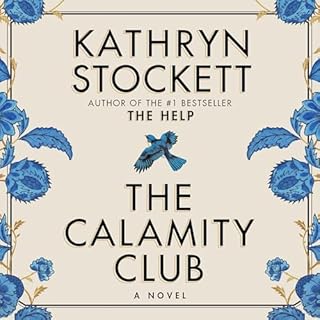
The Calamity Club
- A Novel
- By: Kathryn Stockett
- Narrated by: Jenna Lamia, January LaVoy
- Length: Not Yet Known
- Unabridged
-
Overall0
-
Performance0
-
Story0
The multimillion-copy-selling author of The Help returns with a bold, big-hearted novel about a group of unbreakable women, fighting for what’s rightfully theirs—and the power of friendship to change everything.
By: Kathryn Stockett

-
Moby Dick
- By: Herman Melville
- Narrated by: William Hootkins
- Length: 24 hrs and 49 mins
- Unabridged
-
Overall5,026
-
Performance4,468
-
Story4,449
"Call me Ishmael." Thus starts the greatest American novel....
-
-
Excellent, EXCELLENT reading!
- By Jessica on 02-18-09
By: Herman Melville

-
An American Marriage (Oprah’s Book Club)
- A Novel
- By: Tayari Jones
- Narrated by: Sean Crisden, Eisa Davis
- Length: 8 hrs and 59 mins
- Unabridged
-
Overall24,193
-
Performance21,680
-
Story21,639
Oprah’s Book Club 2018 Selection Newlyweds Celestial and Roy are the embodiment of both the American Dream and the New South. He is a young executive, and she is an artist on the brink of an exciting career. But as they settle into the routine of their life together, they are ripped apart by...
-
-
So many “WTF” moments
- By Kristen R King on 05-04-18
By: Tayari Jones
-
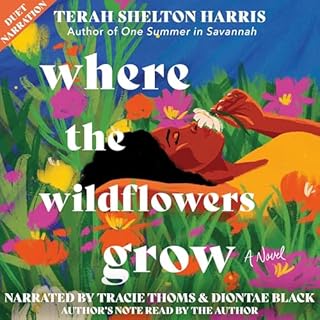
Where the Wildflowers Grow
- By: Terah Shelton Harris
- Narrated by: Tracie Thoms, Diontae Black, Terah Shelton Harris
- Length: 13 hrs and 6 mins
- Unabridged
-
Overall98
-
Performance97
-
Story97
NAMED A MOST ANTICIPATED BOOK OF THE YEAR BY Goodreads, Essence, Sunset Magazine, SheReads, BookBub, and more! From acclaimed author Terah Shelton Harris comes a poignant story of survival and redemption that questions what it means to stop existing and start living. Leigh is the last of the...
-
-
Tear Jerker
- By C. Moore on 04-18-26

-
Yellowface
- A Novel
- By: R. F. Kuang
- Narrated by: Helen Laser
- Length: 8 hrs and 39 mins
- Unabridged
-
Overall5,904
-
Performance5,368
-
Story5,366
INSTANT NEW YORK TIMES BESTSELLER A REESE'S BOOK CLUB PICK “Hard to put down, harder to forget.” — Stephen King, #1 New York Times bestselling author White lies. Dark humor. Deadly consequences… Bestselling sensation Juniper Song is not who she says she is, she didn’t write the...
-
-
I've never hated a character harder
- By ashelyn downs on 07-26-23
By: R. F. Kuang

-
Bent but Not Broken
- A Lexington, Alabama Novel, Book 5
- By: Mary Monroe
- Narrated by: Shari Peele
- Length: 9 hrs and 21 mins
- Unabridged
-
Overall561
-
Performance552
-
Story552
Brimming with unpredictable twists and scandals, the latest Depression-era Alabama novel from award-winning, New York Times bestselling author Mary Monroe tells of a mistreated wife who finally finds the love she's longed for—only to be plunged into deceit, betrayal, and murder . . . As a...
-
-
Authenticity
- By Wandy T. on 02-23-26
By: Mary Monroe

-
The Island of Sea Women
- A Novel
- By: Lisa See
- Narrated by: Jennifer Lim
- Length: 13 hrs and 22 mins
- Unabridged
-
Overall6,577
-
Performance5,761
-
Story5,739
THE NEW YORK TIMES BESTSELLER “A mesmerizing new historical novel” (O, The Oprah Magazine) from Lisa See, the bestselling author of The Tea Girl of Hummingbird Lane, about female friendship and devastating family secrets on a small Korean island. Mi-ja and Young-sook, two girls living on the...
-
-
Overly dramatic read
- By mary krause on 03-28-19
By: Lisa See

-
When Crickets Cry
- A Novel of the Heart
- By: Charles Martin
- Narrated by: Charles Martin, Adam Verner
- Length: 11 hrs and 15 mins
- Unabridged
-
Overall2,287
-
Performance2,010
-
Story2,003
Read by the author | Now featuring new bonus content! Nearly 500,000 copies sold! | A Southern Living Book of the Month Selection From New York Times bestselling author Charles Martin comes the moving story of a heart surgeon who's hiding his own heart, a little girl whose heart won't last much...
-
-
Soooo boring...and preachy.
- By Melanie on 03-05-20
By: Charles Martin

-
All We Thought We Knew
- By: Michelle Shocklee
- Narrated by: Caroline Hewitt
- Length: 10 hrs and 24 mins
- Unabridged
-
Overall172
-
Performance167
-
Story167
1969. When Mattie Taylor’s twin brother was killed in Vietnam, she lost her best friend and the only person who really understood her. Now, news that her mother is dying sends Mattie back home, despite blaming her father for Mark’s death.
-
-
Excellent
- By John on 11-04-24
-
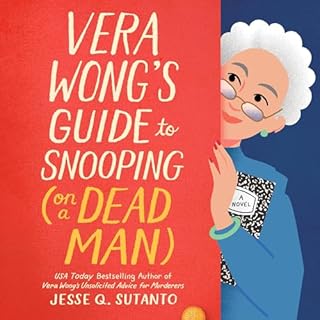
Vera Wong's Guide to Snooping (on a Dead Man)
- By: Jesse Q. Sutanto
- Narrated by: Eunice Wong
- Length: 10 hrs and 35 mins
- Unabridged
-
Overall1,468
-
Performance1,391
-
Story1,391
Vera Wong is back and as meddling as ever in this follow-up to the hit Vera Wong's Unsolicited Advice for Murderers.… A New York Times' Best Mystery Novels of 2025 2026 Edgar's Lilian Jackson Braun Memorial Award Nominee 2026 Audie Award for Best Mystery Finalist Ever since a man was found...
-
-
Wonderful!!!
- By Kirsten on 04-11-25
By: Jesse Q. Sutanto

-
The Prince of Tides
- A Novel
- By: Pat Conroy
- Narrated by: Alan Carlson
- Length: 25 hrs and 55 mins
- Unabridged
-
Overall959
-
Performance887
-
Story887
“A masterpiece that can compare with Steinbeck’s East of Eden. … Some books make you laugh; some make you cry; some make you think. The Prince of Tides is a rarity: It does all three.” — Detroit Free Press A modern American classic and a family saga that spans decades, this is the...
-
-
Narrator terrible with women's voices
- By K. Stark on 02-06-23
By: Pat Conroy
![Theo de Golden [Theo of Golden] (Spanish edition) Audiobook By Allen Levi, Laura Vidal Sanz - translator cover art](https://m.media-amazon.com/images/I/415prItu0tL._SL320_.jpg)
-
Theo de Golden [Theo of Golden] (Spanish edition)
- By: Allen Levi, Laura Vidal Sanz - translator
- Narrated by: Edgar Vivar
- Length: 15 hrs and 59 mins
- Unabridged
-
Overall5
-
Performance5
-
Story5
En la apacible ciudad de Golden la llegada de Theo despierta curiosidad. Nadie sabe de dónde viene, pero su presencia transforma las vidas de quienes lo rodean.
-
-
Todo y la descripción de paisajes muy bonitos.
- By Anonymous on 04-13-26
By: Allen Levi, and others

-
Jade War
- By: Fonda Lee
- Narrated by: Andrew Kishino
- Length: 24 hrs and 4 mins
- Unabridged
-
Overall2,250
-
Performance1,948
-
Story1,946
The Kaul siblings' battle with rival clans reaches new heights in the heart-pounding continuation of the Green Bone Saga, an epic trilogy about family, honor, and those who live and die by the ancient laws of blood and jade. On the island of Kekon, the Kaul family is locked in a violent feud for...
-
-
What’s left after crime and politics?
- By 🔥 Phx17 🔥 on 02-12-23
By: Fonda Lee

-
The House of the Spirits
- A Novel
- By: Isabel Allende
- Narrated by: Thom Rivera, Marisol Ramirez
- Length: 18 hrs and 51 mins
- Unabridged
-
Overall3,006
-
Performance2,652
-
Story2,657
Soon to be an original series on Prime Video! This “spectacular…absorbing and distinguished work…is a unique achievement, both personal witness and possible allegory of the past, present, and future of Latin America” (The New York Times Book Review). The House of the Spirits, which...
-
-
Narrators spoil it
- By Cookie on 09-27-16
By: Isabel Allende
-
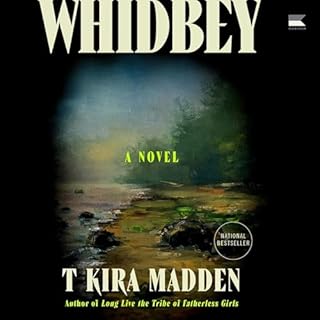
Whidbey
- A Novel
- By: T Kira Madden
- Narrated by: Eunice Wong, Christina Moore, Mia Hutchinson-Shaw, and others
- Length: 13 hrs and 37 mins
- Unabridged
-
Overall40
-
Performance39
-
Story39
“Epic in its scope, intimate in its evocation, Whidbey reads like a thriller, compels like a mystery and regarding the human condition, converses with the classics. This is the book everyone will be talking about.” — Adam Johnson, Pulitzer Prize and National Book Award winning author of...
-
-
Very disapointing
- By KEK on 03-16-26
By: T Kira Madden

-
Ingram
- A Novel
- By: Louis C.K.
- Narrated by: Louis C.K.
- Length: 10 hrs and 3 mins
- Unabridged
-
Overall784
-
Performance762
-
Story762
A suspenseful, often harrowing yet hopeful odyssey through rural America follows a young drifter’s coming of age in an indifferent world, in this debut novel by comedian Louis C.K.
-
-
An homage to Tom Sawyer
- By Jon14 on 11-26-25
By: Louis C.K.
New releases
-
Bad Seeds
- A Lexington, Alabama Novel, Book 6
- By: Mary Monroe
- Narrated by: Shari Peele, Lynnette R. Freeman, Ruffin Prentiss
- Length: 10 hrs and 7 mins
- Unabridged
-
Overall190
-
Performance188
-
Story188
The daughter of a hard-working restaurant owner, Louise Brooks always sees the best in people—and in helping them no matter how difficult her own life gets. She's lived through tragic loss and running the family business on her own, even in the face of a failed marriage. So, she's delighted when she finds a best friend in Della Thornton, a woman struggling with bad breaks and unlucky romances. When Louise's father and her prosperous second husband suddenly pass away, Louise takes Della in and makes her the restaurant’s right-hand woman as it grows more successful than ever . . .
-
-
Love the Lexington series
- By Shoni on 04-08-26
By: Mary Monroe
-
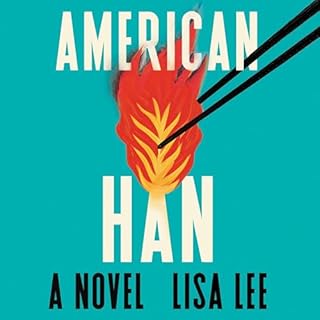
American Han
- A Novel
- By: Lisa Lee
- Narrated by: Katharine Chin
- Length: 8 hrs and 58 mins
- Unabridged
-
Overall3
-
Performance3
-
Story3
In this captivated novel, a young Korean American woman attempts to distance herself from her family in order to forge an authentic future—but a violent act forces her to see that she’ll always be implicated with their actions and they with hers. "A pulsating signal from the liminal zone...
By: Lisa Lee

-
The Take
- By: Kelly Yang
- Narrated by: Emily Woo Zeller
- Length: 10 hrs and 35 mins
- Unabridged
-
Overall1
-
Performance1
-
Story1
A provocative, fast-paced novel about two creative women—a young writer fighting to be heard and an older producer clinging to relevancy—and the age reversal treatment that intertwines both of their lives…from the #1 New York Times bestselling author of the beloved Front Desk series Would...
By: Kelly Yang
-
Theo de Golden [Theo of Golden] (Spanish edition)
- By: Allen Levi, Laura Vidal Sanz - translator
- Narrated by: Edgar Vivar
- Length: 15 hrs and 59 mins
- Unabridged
-
Overall5
-
Performance5
-
Story5
En la apacible ciudad de Golden la llegada de Theo despierta curiosidad. Nadie sabe de dónde viene, pero su presencia transforma las vidas de quienes lo rodean. Una mañana, Theo visita una cafetería local en la que hay colgados noventa y dos retratos de la gente de Golden, hechos por un artista local. Conmocionado, decide comprarlos todos y entregarlos a quienes corresponden. Con cada encuentro va tejiendo amistades, y este generoso gesto llena la comunidad de luz y resalta el poder de las relaciones.
-
-
Todo y la descripción de paisajes muy bonitos.
- By Anonymous on 04-13-26
By: Allen Levi, and others

-
Hopscotch
- A Novel
- By: Julio Cortázar
- Narrated by: Andre Bellido
- Length: 18 hrs and 50 mins
- Unabridged
-
Overall1
-
Performance1
-
Story1
"Cortazar's masterpiece ... The first great novel of Spanish America" (The Times Literary Supplement) Winner of the National Book Award for Translation in 1967, translated by Gregory Rabassa Horacio Oliveira is an Argentinian writer who lives in Paris with his mistress, La Maga, surrounded...
By: Julio Cortázar

-
The Bridge Back to You
- By: Riss M. Neilson
- Narrated by: Art Bautista, Imani Jade Powers
- Length: 10 hrs and 47 mins
- Unabridged
-
Overall4
-
Performance4
-
Story4
INSTANT USA TODAY BESTSELLER "Riss M. Neilson writes tender, vibrant, breath-stealing romance.”—Emily Henry Exes discover they’ve both inherited the restaurant they love in this sparkling, emotional new novel from the USA Today bestselling author of A Love Like the Sun. Olivia owes...
By: Riss M. Neilson
-
Bad Seeds
- A Lexington, Alabama Novel, Book 6
- By: Mary Monroe
- Narrated by: Shari Peele, Lynnette R. Freeman, Ruffin Prentiss
- Length: 10 hrs and 7 mins
- Unabridged
-
Overall190
-
Performance188
-
Story188
The daughter of a hard-working restaurant owner, Louise Brooks always sees the best in people—and in helping them no matter how difficult her own life gets. She's lived through tragic loss and running the family business on her own, even in the face of a failed marriage. So, she's delighted when she finds a best friend in Della Thornton, a woman struggling with bad breaks and unlucky romances. When Louise's father and her prosperous second husband suddenly pass away, Louise takes Della in and makes her the restaurant’s right-hand woman as it grows more successful than ever . . .
-
-
Love the Lexington series
- By Shoni on 04-08-26
By: Mary Monroe
-
American Han
- A Novel
- By: Lisa Lee
- Narrated by: Katharine Chin
- Length: 8 hrs and 58 mins
- Unabridged
-
Overall3
-
Performance3
-
Story3
In this captivated novel, a young Korean American woman attempts to distance herself from her family in order to forge an authentic future—but a violent act forces her to see that she’ll always be implicated with their actions and they with hers. "A pulsating signal from the liminal zone...
By: Lisa Lee
-
The Take
- By: Kelly Yang
- Narrated by: Emily Woo Zeller
- Length: 10 hrs and 35 mins
- Unabridged
-
Overall1
-
Performance1
-
Story1
A provocative, fast-paced novel about two creative women—a young writer fighting to be heard and an older producer clinging to relevancy—and the age reversal treatment that intertwines both of their lives…from the #1 New York Times bestselling author of the beloved Front Desk series Would...
By: Kelly Yang
-
Theo de Golden [Theo of Golden] (Spanish edition)
- By: Allen Levi, Laura Vidal Sanz - translator
- Narrated by: Edgar Vivar
- Length: 15 hrs and 59 mins
- Unabridged
-
Overall5
-
Performance5
-
Story5
En la apacible ciudad de Golden la llegada de Theo despierta curiosidad. Nadie sabe de dónde viene, pero su presencia transforma las vidas de quienes lo rodean. Una mañana, Theo visita una cafetería local en la que hay colgados noventa y dos retratos de la gente de Golden, hechos por un artista local. Conmocionado, decide comprarlos todos y entregarlos a quienes corresponden. Con cada encuentro va tejiendo amistades, y este generoso gesto llena la comunidad de luz y resalta el poder de las relaciones.
-
-
Todo y la descripción de paisajes muy bonitos.
- By Anonymous on 04-13-26
By: Allen Levi, and others
-
Hopscotch
- A Novel
- By: Julio Cortázar
- Narrated by: Andre Bellido
- Length: 18 hrs and 50 mins
- Unabridged
-
Overall1
-
Performance1
-
Story1
"Cortazar's masterpiece ... The first great novel of Spanish America" (The Times Literary Supplement) Winner of the National Book Award for Translation in 1967, translated by Gregory Rabassa Horacio Oliveira is an Argentinian writer who lives in Paris with his mistress, La Maga, surrounded...
By: Julio Cortázar
-
The Bridge Back to You
- By: Riss M. Neilson
- Narrated by: Art Bautista, Imani Jade Powers
- Length: 10 hrs and 47 mins
- Unabridged
-
Overall4
-
Performance4
-
Story4
INSTANT USA TODAY BESTSELLER "Riss M. Neilson writes tender, vibrant, breath-stealing romance.”—Emily Henry Exes discover they’ve both inherited the restaurant they love in this sparkling, emotional new novel from the USA Today bestselling author of A Love Like the Sun. Olivia owes...
By: Riss M. Neilson

-
The Creek, the Crone, and the Crow
- A Novel
- By: Leah Weiss
- Narrated by: Kate Forbes
- Length: 9 hrs and 27 mins
- Unabridged
-
Overall6
-
Performance6
-
Story6
Summer, 1980. Kate Shaw has lived in Baines Creek for ten years, teaching at a one-room schoolhouse on the brink of closure. A skeptic by heart, she rejects superstition and the belief in Appalachian folklore, much to the chagrin of Birdie Rocas, a lively and reclusive witch with a trove of secrets. Yet when Birdie dies and leaves Kate her Book of Truths and a trunk of illuminated manuscripts and journals, Kate is thrown into a mystery, overwhelmed by a collection that spans centuries back to Scotland.
-
-
Magical!
- By Gettysburg Jenny on 04-06-26
By: Leah Weiss

-
Handle with Care
- A Novel
- By: Marybeth Mayhew Whalen
- Narrated by: Jane Oppenheimer
- Length: 8 hrs and 35 mins
- Unabridged
-
Overall0
-
Performance0
-
Story0
A story about finding hope in the face of hardship and connection in the face of crisis, Handle with Care is a novel for our time. "Rich with complex characters, a tightly woven plot and natural suspense." --Belle Burden, author of Strangers: A Memoir of Marriage Three women walk into a post...

-
The Killing Spell
- By: Shay Kauwe
- Narrated by: Barrie Kealoha
- Length: 9 hrs and 49 mins
- Unabridged
-
Overall1
-
Performance1
-
Story1
In this spellbinding fantasy debut set in a future where language magic reigns, a young Hawaiian woman must solve a murder to clear her name. Kea Petrova is dealing with more than her fair share of trouble. At just twenty-five years old, she’s the youngest of five Hawaiian clan leaders living...
-
-
Incredible Fantasy with Unique Perspective of Language
- By Sean Williamson on 04-18-26
By: Shay Kauwe

-
The Lost Girl of Craven County
- By: Emily Matchar
- Narrated by: Kimberly M. Wetherell, Gilli Messer
- Length: 9 hrs and 9 mins
- Unabridged
-
Overall1
-
Performance1
-
Story1
Brought together by chance, bound together by secrets. A decade into the Great Depression, Millicent Green is a twenty-five-year-old "old maid" living with her marriage-obsessed mother and domineering older brother in the stiflingly small Jewish community of New Bern, North Carolina. Smart and...
By: Emily Matchar

-
The Subtle Art of Folding Space
- By: John Chu
- Narrated by: Katharine Chin
- Length: 7 hrs and 24 mins
- Unabridged
-
Overall1
-
Performance1
-
Story1
The Subtle Art of Folding Space, is the exhilarating debut science fiction novel from Nebula and Hugo Award-winning author John Chu channels unhinged physics, generational trauma, and the comfort of really good dim sum. This isn't your usual jaunt through quantum physics. Most Ancipated Books of...
By: John Chu
-
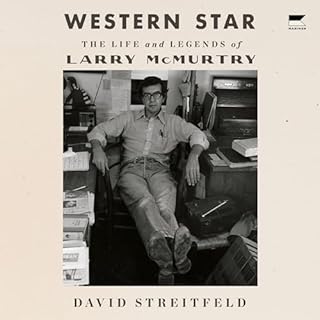
Western Star
- The Life and Legends of Larry McMurtry
- By: David Streitfeld
- Narrated by: Jim Meskimen
- Length: 16 hrs and 25 mins
- Unabridged
-
Overall0
-
Performance0
-
Story0
By his longtime friend and a Pulitzer Prize–winning journalist, the definitive biography of Larry McMurtry, the legendary author and screenwriter of Lonesome Dove, The Last Picture Show, and Brokeback Mountain, who transformed our vision of the West. Before Larry McMurtry became one of the...
By: David Streitfeld

-
El ejército ciego
- By: David Toscana
- Narrated by: Javier Poza
- Length: 5 hrs and 18 mins
- Unabridged
-
Overall2
-
Performance2
-
Story2
Año 1014. Tras derrotar a los búlgaros en la batalla de Klyuch, el emperador bizantino Basilio II ordena arrancar los ojos de los quince mil soldados del ejército enemigo, dejando tuerto a uno de cada cien hombres para que guíen a los ciegos de regreso a casa. Durante semanas, una columna de desarrapados recorre a tientas el largo camino hasta la capital búlgara, donde los recibe el zar Samuel, que ante el terrible espectáculo de sus hombres humillados, cae fulminado por la pena.
By: David Toscana
-
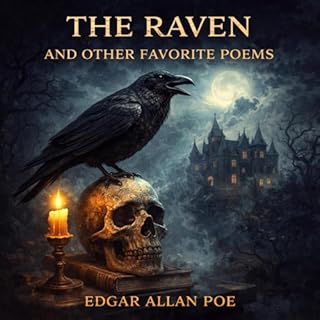
The Raven and Other Favorite Poems
- By: Edgar Allan Poe
- Narrated by: Jeffrey Ito
- Length: 1 hr and 17 mins
- Unabridged
-
Overall2
-
Performance2
-
Story2
The Raven and Other Favorite Poems is a collection of Poe’s most famous and haunting lyrical works. The poems explore themes of loss, beauty, death, memory, longing, and the supernatural, all delivered in Poe’s signature musical, rhythmic style. This collection gathers the poems that made Poe one of the most recognizable voices in American Romanticism and Gothic literature.
By: Edgar Allan Poe
-
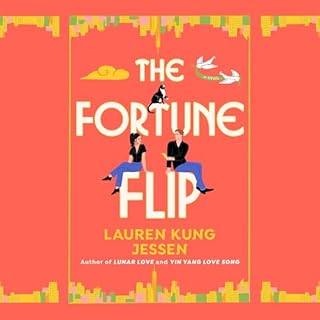
The Fortune Flip
- By: Lauren Kung Jessen
- Narrated by: Katharine Chin, Austin Rising, Lauren Kung Jessen
- Length: 10 hrs and 45 mins
- Unabridged
-
Overall1
-
Performance1
-
Story1
This charming rom-com is filled with Chinese traditions, second chances, and a luck-changing love story that will appeal to readers of Helen Hoang, Jasmine Guillory, and Sarah Adams. "Deeply romantic, real, funny, and heartfelt." —Christina Lauren, New York Times bestselling author of The...
-
-
Soft, Sweet & Healing
- By Bai on 04-07-26

-
A Spell for Saints and Sinners
- By: Emily Carpenter
- Narrated by: Cassandra Campbell
- Length: 14 hrs and 1 min
- Unabridged
-
Overall2
-
Performance2
-
Story2
Like a gender-flipped Saltburn set amidst the moss-draped, haunted beauty of Savannah, this intoxicating blend of Southern suspense and modern witchcraft from bestselling author Emily Carpenter casts a spell of class, power, and possession. In a city where ghosts linger in the moss and money...
By: Emily Carpenter
-
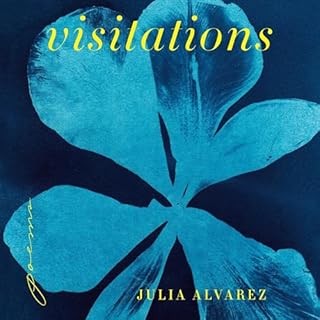
Visitations
- Poems
- By: Julia Alvarez
- Narrated by: Julia Alvarez
- Length: 1 hr and 54 mins
- Unabridged
-
Overall0
-
Performance0
-
Story0
Julia Alvarez returns to her first love, poetry, in her latest collection, with scintillating poems drawn from all the seasons of her life, from childhood to the years of silver. “Visitations is a cause for celebration. The first book of poems by Julia Alvarez in over twenty years braids...
By: Julia Alvarez

-
Die Wandelbarkeit der Literatur, Begräbnisse auf dem Lande
- Das Skizzenbuch, Band 6
- By: Washington Irving
- Narrated by: Friedrich Frieden
- Length: 55 mins
- Unabridged
-
Overall0
-
Performance0
-
Story0
Der amerikanische Prosa-Künstler Washington Irving hat mit seinen Erzählungen einen prägenden Einfluss auf die amerikanische Literatur ausgeübt. Das liegt an seiner sehr angenehmen Sprachgestaltung und dem Realitätsbezug des gewählten Gegenstands. Allerdings ummantelt er seine Geschichten ebenso gerne mit einem Grotesk-Phantastischen Gewand, so dass man zum einen nie weiß was als nächstes kommt und zum anderen immer das Gefühl vermittelt bekommt hautnah dabei zu sein, wobei einem die beschriebenen Szenen sofort an dem geistigen Auge vorüberzuziehen scheinen.

-
The Complete Adventures of Huckleberry Finn and Tom Sawyer (Annotated)
- Four Novels with Two Critical Essays and Author Biography | Mark Twain
- By: Mark Twain
- Narrated by: Virtual Voice
- Length: 26 hrs and 11 mins
- Unabridged
-
Overall0
-
Performance0
-
Story0
The four novels that gave American literature its voice — and two essays that explain why one of them changed everything. Mark Twain invented American literature twice. The first time was The Adventures of Tom Sawyer in 1876 — a boy's world of summer, caves, and the Mississippi River, told with the warmth of a man who remembered childhood as a country you could never return to. The second time was Adventures of Huckleberry Finn in 1884, where the same river becomes a moving argument about freedom, race, and the cost of conscience. Hemingway said all modern American literature comes from...
By: Mark Twain

-
Die Dorfkirche, Die Witwe und ihr Sohn, Die Schenke zum Eberkopfe in Eastcheap
- Das Skizzenbuch, Band 5
- By: Washington Irving
- Narrated by: Friedrich Frieden
- Length: 58 mins
- Unabridged
-
Overall0
-
Performance0
-
Story0
Der amerikanische Prosa-Künstler Washington Irving hat mit seinen Erzählungen einen prägenden Einfluss auf die amerikanische Literatur ausgeübt. Das liegt an seiner sehr angenehmen Sprachgestaltung und dem Realitätsbezug des gewählten Gegenstands. Allerdings ummantelt er seine Geschichten ebenso gerne mit einem Grotesk-Phantastischen Gewand, so dass man zum einen nie weiß was als nächstes kommt und zum anderen immer das Gefühl vermittelt bekommt hautnah dabei zu sein, wobei einem die beschriebenen Szenen sofort vor dem geistigen Auge vorüberzuziehen scheinen.

-
As I Lay Dying
- By: William Faulkner
- Narrated by: Mike Vendetti
- Length: 6 hrs and 48 mins
- Unabridged
-
Overall0
-
Performance0
-
Story0
In the blistering heat of rural Mississippi, the Bundren family loads their dead matriarch, Addie, into a handmade coffin and sets out on a bleak, often darkly comic journey to bury her in her hometown of Jefferson. Each mile of flooded rivers, broken bones, starving mules, and simmering resentments peels back another layer of this family's grief, faith, and desperation, as husband Anse and children Cash, Darl, Jewel, Dewey Dell, and Vardaman tell the story in their own, often clashing voices.
By: William Faulkner

-
Tango del torturador arrepentido
- By: Carlos Salem
- Narrated by: Voz Virtual
- Length: 7 hrs and 11 mins
- Unabridged
-
Overall0
-
Performance0
-
Story0
Buenos Aires, 1978. A dos años del golpe de Estado, miles de personas son recluidas en centros clandestinos de detención. Julio, joven hijo de un poderoso industrial, es uno de ellos, un «desaparecido» más. Madrid, 2000. Julio se llama ahora Jorge Luis. Durante una salida fortuita, se encuentra con Morales y despierta en él la voz de Julio, que exige venganza. Se introduce en la vida del exmilitar para destruirlo, y desarrolla hacia el hombre que debe matar un afecto que no tuvo por su propio padre.
By: Carlos Salem

-
Moby Dick (Annotated)
- Or, The Whale — Critical Edition with Essay and Author Biography | Herman Melville
- By: Herman Melville
- Narrated by: Virtual Voice
- Length: 22 hrs and 59 mins
- Unabridged
-
Overall0
-
Performance0
-
Story0
The greatest American novel ever written about obsession, the sea, and the thing that cannot be caught. This annotated edition includes an original critical essay and a full biography of Herman Melville. Herman Melville published Moby Dick in 1851 to near-total indifference. The reviews were mixed, the sales were poor, and Melville — who had poured everything he knew about whaling, philosophy, the Bible, and the darkness of the human will into 600 pages — spent the rest of his life in obscurity. He died in 1891 almost completely forgotten. Thirty years later, scholars rediscovered the ...
By: Herman Melville
-
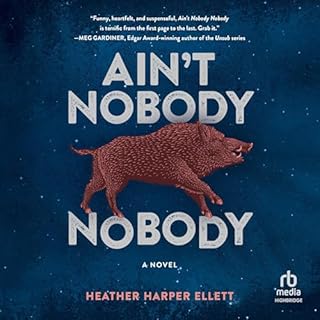
Ain't Nobody, Nobody
- By: Heather Harper Ellett
- Narrated by: Jonathan Strait
- Length: 8 hrs and 13 mins
- Unabridged
-
Overall0
-
Performance0
-
Story0
A riveting, quirky, and authentic tale of a disgraced former Texas sheriff who takes it upon himself to investigate the murder of a hog trapper, and in doing so try to atone for the sins of his past. Still reeling from the scandal that cost him his badge, Randy Mayhill—fallen lawman, dog...

-
Death on the Causeway
- Myrtle Beach Mysteries, Book 4
- By: Caleb Wygal
- Narrated by: Thomas Gloom
- Length: 7 hrs and 53 mins
- Unabridged
-
Overall0
-
Performance0
-
Story0
Clark Thomas has a lot on his plate. A new book. A beautiful woman far from home. A missing fiancé. And a mysterious dead body plunges him headfirst into his latest real-world Myrtle Beach investigation. As he unravels the case involving renowned food bloggers, restaurant reviews, and The Grand Strand, Clark learns that there is more to the story than meets the eye–and more to his wife’s death. And the one dead body may not be the last. With his world turned upside down after uncovering new information about Autumn’s death, Clark must get to the bottom of this mystery while he still can...
By: Caleb Wygal
-
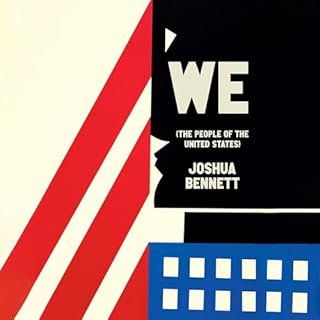
We (the People of the United States)
- By: Joshua Bennett
- Narrated by: Joshua Bennett
- Length: 1 hr and 38 mins
- Unabridged
-
Overall1
-
Performance1
-
Story1
From an award-winning poet praised for his “rhapsodic, rigorous” work (The New Yorker) comes an immersive meditation on kindship, collectivity, and environmental thought We (The People of The United States) is a book-length poem made to the measure of the modern world. Composed of 55...
By: Joshua Bennett

-
Rope Burn
- A Spicy AMBW Single Dad Romance
- By: Jia West
- Narrated by: Virtual Voice
- Length: 1 hr and 50 mins
- Unabridged
-
Overall1
-
Performance1
-
Story1
A Spicy AMBW, Forbidden Single Dad Romance What happens when a professional sex worker falls for a handsome congressman? Nola and David’s arrangement has rules: one night a month and no attachments. But every session, every lingering glance, sparks a forbidden attraction neither can resist, pulling them into a world of secrecy, temptation, and burning passion. As desire threatens to turn into love, Nola must decide whether to risk it all and follow her heart, or walk away before their connection destroys his career, and both of their lives. This novella is a part of the "Single Dads" ...
By: Jia West
-
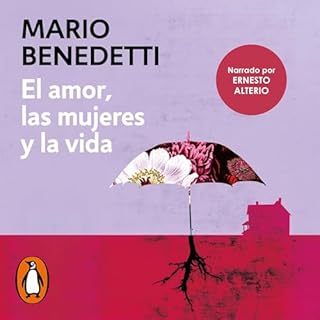
El amor, las mujeres y la vida
- By: Mario Benedetti
- Narrated by: Ernesto Alterio
- Length: 2 hrs and 24 mins
- Unabridged
-
Overall0
-
Performance0
-
Story0
Este libro reúne los mejores poemas de amor escritos por Mario Benedetti, uno de los poetas más innovadores, divertidos, ambiciosos y modernos de la literatura en español.
By: Mario Benedetti
-
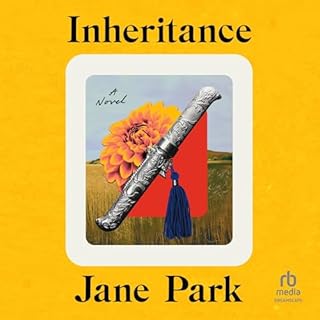
Inheritance
- A Novel
- By: Jane Park
- Narrated by: Da Eun Yoon
- Length: 9 hrs and 46 mins
- Unabridged
-
Overall0
-
Performance0
-
Story0
A young woman returns to the prairies, where she revisits her immigrant childhood and confronts a haunting guilt, in this debut work by a brilliant new talent. Anne Kim is a lawyer in New York, her success built on forgetting the past. When her father dies, she returns to Edmonton for the...
By: Jane Park

-
O Captain! My Captain!
- By: Walt Whitman
- Narrated by: Riley Hix
- Length: 2 mins
- Unabridged
-
Overall0
-
Performance0
-
Story0
Written as a tribute to Abraham Lincoln following his assassination, this poem by Walt Whitman reflects on leadership, sacrifice, and national grief in the wake of tragedy.
By: Walt Whitman