

Biographies & Memoirs
62,628 titlesBestsellers
-
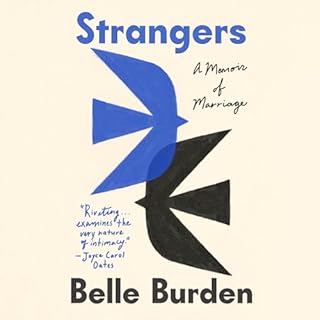
Strangers
- A Memoir of Marriage
- By: Belle Burden
- Narrated by: Belle Burden
- Length: 7 hrs and 3 mins
- Unabridged
-
Overall3,437
-
Performance3,389
-
Story3,389
INSTANT #1 NEW YORK TIMES BESTSELLER “Burden’s searing, probing memoir explores . . . what she learned about intimacy and her own spirit.”—People “A beautifully written instant classic. Strangers is gripping and heartbreaking and a must-read for every wife—and husband...
-
-
Author’s honesty & authenticity.
- By Mary F. on 01-13-26
By: Belle Burden
-
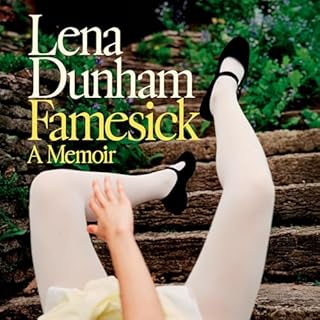
Famesick
- A Memoir
- By: Lena Dunham
- Narrated by: Lena Dunham
- Length: 11 hrs and 46 mins
- Unabridged
-
Overall118
-
Performance117
-
Story117
In this rowdy, frank reflection on illness, fame, sex, and everything in between, the remarkable mind behind the hit series Girls and the bestselling author of Not That Kind of Girl asks whether fulfilling her creative ambitions has been worth the pain. For the last decade, as she’s spent...
-
-
Funny, Familiar and Full of Insight
- By Luke Hansen on 04-16-26
By: Lena Dunham

-
Start With Yourself
- A New Vision for Work & Life
- By: Emma Grede
- Narrated by: Emma Grede
- Length: 9 hrs and 14 mins
- Unabridged
-
Overall15
-
Performance15
-
Story15
“Emma Grede is a modern executive for the influencer age…Start With Yourself makes the case for putting yourself first in work, life, and child-rearing. It’s Lean In for the post-girlboss era.” —The Wall Street Journal As seen on Good Morning America, TODAY, Morning Joe, ABC News Live...
-
-
The Tender-Loving Kick Every Business Mom Needs
- By Irina Iurcisin on 04-15-26
By: Emma Grede

-
You with the Sad Eyes
- A Memoir
- By: Christina Applegate
- Narrated by: Christina Applegate
- Length: 8 hrs and 27 mins
- Unabridged
-
Overall2,129
-
Performance2,088
-
Story2,088
"Funny, furious, and profane." —The New York Times “Not your typical celebrity memoir.” —Jimmy Kimmel Unflinchingly honest and darkly funny, You with the Sad Eyes unveils a side of Christina Applegate we’ve never seen, forever cementing her formidable and iconoclastic legacy. Christina...
-
-
Raw, hilarious, I did not know Christina was so dam funny! Very intelligent writer and progressive thinker. Love love love it
- By Shelley Lannon on 03-07-26

-
48 Laws of Power
- By: Robert Greene
- Narrated by: Richard Poe
- Length: 23 hrs and 6 mins
- Unabridged
-
Overall26,045
-
Performance21,650
-
Story21,528
Amoral, cunning, ruthless, and instructive, this piercing work distills 3,000 years of the history of power into 48 well-explicated laws. This bold volume outlines the laws of power in their unvarnished essence, synthesizing the philosophies of Machiavelli, Sun Tzu, Carl von Clausewitz, and...
-
-
You don't have to be a psychopath to like this.
- By Gaggleframpf on 02-25-16
By: Robert Greene

-
London Falling
- A Mysterious Death in a Gilded City and a Family's Search for Truth
- By: Patrick Radden Keefe
- Narrated by: Patrick Radden Keefe
- Length: 12 hrs and 59 mins
- Unabridged
-
Overall125
-
Performance118
-
Story118
#1 NEW YORK TIMES BESTSELLER From the bestselling, prizewinning author of Say Nothing and Empire of Pain, a spellbinding account of a family devastated by the sudden death of their nineteen-year-old son, only to discover that he had created a secret life which drew him into the dangerous...
-
-
Raddan O’Keefe Does It Again
- By Patricia Fuentez on 04-12-26
-
Strangers
- A Memoir of Marriage
- By: Belle Burden
- Narrated by: Belle Burden
- Length: 7 hrs and 3 mins
- Unabridged
-
Overall3,437
-
Performance3,389
-
Story3,389
INSTANT #1 NEW YORK TIMES BESTSELLER “Burden’s searing, probing memoir explores . . . what she learned about intimacy and her own spirit.”—People “A beautifully written instant classic. Strangers is gripping and heartbreaking and a must-read for every wife—and husband...
-
-
Author’s honesty & authenticity.
- By Mary F. on 01-13-26
By: Belle Burden
-
Famesick
- A Memoir
- By: Lena Dunham
- Narrated by: Lena Dunham
- Length: 11 hrs and 46 mins
- Unabridged
-
Overall118
-
Performance117
-
Story117
In this rowdy, frank reflection on illness, fame, sex, and everything in between, the remarkable mind behind the hit series Girls and the bestselling author of Not That Kind of Girl asks whether fulfilling her creative ambitions has been worth the pain. For the last decade, as she’s spent...
-
-
Funny, Familiar and Full of Insight
- By Luke Hansen on 04-16-26
By: Lena Dunham
-
Start With Yourself
- A New Vision for Work & Life
- By: Emma Grede
- Narrated by: Emma Grede
- Length: 9 hrs and 14 mins
- Unabridged
-
Overall15
-
Performance15
-
Story15
“Emma Grede is a modern executive for the influencer age…Start With Yourself makes the case for putting yourself first in work, life, and child-rearing. It’s Lean In for the post-girlboss era.” —The Wall Street Journal As seen on Good Morning America, TODAY, Morning Joe, ABC News Live...
-
-
The Tender-Loving Kick Every Business Mom Needs
- By Irina Iurcisin on 04-15-26
By: Emma Grede
-
You with the Sad Eyes
- A Memoir
- By: Christina Applegate
- Narrated by: Christina Applegate
- Length: 8 hrs and 27 mins
- Unabridged
-
Overall2,129
-
Performance2,088
-
Story2,088
"Funny, furious, and profane." —The New York Times “Not your typical celebrity memoir.” —Jimmy Kimmel Unflinchingly honest and darkly funny, You with the Sad Eyes unveils a side of Christina Applegate we’ve never seen, forever cementing her formidable and iconoclastic legacy. Christina...
-
-
Raw, hilarious, I did not know Christina was so dam funny! Very intelligent writer and progressive thinker. Love love love it
- By Shelley Lannon on 03-07-26
-
48 Laws of Power
- By: Robert Greene
- Narrated by: Richard Poe
- Length: 23 hrs and 6 mins
- Unabridged
-
Overall26,045
-
Performance21,650
-
Story21,528
Amoral, cunning, ruthless, and instructive, this piercing work distills 3,000 years of the history of power into 48 well-explicated laws. This bold volume outlines the laws of power in their unvarnished essence, synthesizing the philosophies of Machiavelli, Sun Tzu, Carl von Clausewitz, and...
-
-
You don't have to be a psychopath to like this.
- By Gaggleframpf on 02-25-16
By: Robert Greene
-
London Falling
- A Mysterious Death in a Gilded City and a Family's Search for Truth
- By: Patrick Radden Keefe
- Narrated by: Patrick Radden Keefe
- Length: 12 hrs and 59 mins
- Unabridged
-
Overall125
-
Performance118
-
Story118
#1 NEW YORK TIMES BESTSELLER From the bestselling, prizewinning author of Say Nothing and Empire of Pain, a spellbinding account of a family devastated by the sudden death of their nineteen-year-old son, only to discover that he had created a secret life which drew him into the dangerous...
-
-
Raddan O’Keefe Does It Again
- By Patricia Fuentez on 04-12-26

-
Phases
- A Memoir
- By: Brandy
- Narrated by: Brandy
- Length: 12 hrs and 7 mins
- Unabridged
-
Overall696
-
Performance684
-
Story684
AN AUDIBLE MOST ANTICIPATED LISTEN, Read by the Author Herself *AUDIOBOOK READ BY BRANDY!* The iconic, multiplatinum, Grammy Award–winning performer Brandy brings us a raw, intimate portrait of her life, charting her journey from Mississippi churches to Hollywood spotlights From the moment...
-
-
TRUTH & UNCUT
- By Jeffery Miller on 03-31-26
By: Brandy
-
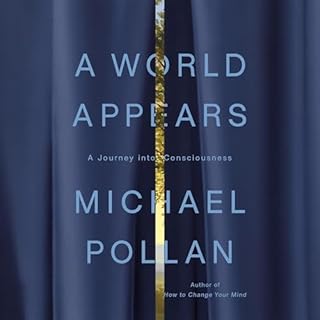
A World Appears
- A Journey into Consciousness
- By: Michael Pollan
- Narrated by: Michael Pollan
- Length: 8 hrs and 46 mins
- Unabridged
-
Overall238
-
Performance219
-
Story219
The Instant New York Times Bestseller "Pollan’s real genius—the word is not too strong—remains intact. That is his uncanny ability to scent the direction in which the culture is headed. He did it with food and psychedelics, and now, though A World Appears focuses on AI only intermittently...
-
-
Deep, Humble, and Thought-Provoking
- By Heather on 03-19-26
By: Michael Pollan

-
Stripped Down
- Unfiltered and Unapologetic
- By: Bunnie Xo
- Narrated by: Bunnie Xo
- Length: 8 hrs and 25 mins
- Unabridged
-
Overall5,964
-
Performance5,924
-
Story5,924
**Narrated by the author!** Unfiltered. Unapologetic. And straight from the source. Get intimate with Bunnie Xo as she narrates her own incredible story. From the trailer parks of Vegas to the mansions of Nashville, Bunnie Xo has lived a lot of lives and seen the darkest sides of humanity. Her...
-
-
Amazing
- By mindy brown on 02-17-26
By: Bunnie Xo

-
Nobody's Girl
- A Memoir of Surviving Abuse and Fighting for Justice
- By: Virginia Roberts Giuffre
- Narrated by: Thérèse Plummer, Gabra Zackman
- Length: 13 hrs and 39 mins
- Unabridged
-
Overall7,967
-
Performance7,705
-
Story7,704
#1 NEW YORK TIMES BESTSELLER The unforgettable memoir by the late Virginia Roberts Giuffre, the woman who dared to take on Jeffrey Epstein and Ghislaine Maxwell “Make no mistake: this is a book about power, corruption, industrial-scale sex abuse and the way in which institutions sided with...
-
-
Devastating
- By Elaine on 10-27-25

-
I Choose Me
- Chasing Joy, Finding Purpose & Embracing Reinvention
- By: Jennie Garth
- Narrated by: Jennie Garth
- Length: 9 hrs and 54 mins
- Unabridged
-
Overall10
-
Performance10
-
Story10
***AUDIOBOOK READ BY JENNIE GARTH*** "An inspiring roadmap to navigating life's challenges with grace, grit, and a refusal to settle for anything less than your worth." –Chelsea Handler, comedian and #1 bestselling author Beloved actress, designer, and entrepreneur Jennie Garth opens up in...
-
-
It was all about self love and advice
- By Anonymous on 04-16-26
By: Jennie Garth

-
Greenlights
- By: Matthew McConaughey
- Narrated by: Matthew McConaughey
- Length: 6 hrs and 51 mins
- Unabridged
-
Overall185,174
-
Performance163,634
-
Story162,611
#1 NEW YORK TIMES BESTSELLER 6 MILLION COPIES SOLD WORLDWIDE! Now with exclusive new content from the paperback edition, the life-changing memoir that has inspired millions of readers through the Academy Award–winning actor’s unflinching honesty, unconventional wisdom, and lessons...
-
-
Love this!
- By Nancy on 10-21-20

-
Betrayal
- Power, Deceit and the Fight for the Future of the Royal Family
- By: Tom Bower
- Narrated by: Andrew Wincott
- Length: 16 hrs and 10 mins
- Unabridged
-
Overall12
-
Performance11
-
Story11
The British Crown is in crisis, with constitutional threats at home and abroad. Since their infamous 'Megxit' split from the Royal Family, Prince Harry and Meghan Markle have dominated global headlines. Ferociously controversial, not least for demanding privacy while seeking the spotlight.
-
-
There’s no ground braking revelations in this book. Not worth the hype
- By Lorenza on 03-30-26
By: Tom Bower

-
I'm Glad My Mom Died
- By: Jennette McCurdy
- Narrated by: Jennette McCurdy
- Length: 6 hrs and 26 mins
- Unabridged
-
Overall125,023
-
Performance110,828
-
Story110,442
* #1 NEW YORK TIMES BESTSELLER * #1 INTERNATIONAL BESTSELLER * MORE THAN 3 MILLION COPIES SOLD! A heartbreaking and hilarious memoir by iCarly and Sam & Cat star Jennette McCurdy about her struggles as a former child actor—including eating disorders, addiction, and a complicated relationship...
-
-
Unexpectedly poor narration
- By Glitchzig on 08-10-22
By: Jennette McCurdy

-
Extreme Ownership
- How U.S. Navy SEALs Lead and Win
- By: Jocko Willink, Leif Babin
- Narrated by: Jocko Willink, Leif Babin
- Length: 8 hrs and 43 mins
- Unabridged
-
Overall76,431
-
Performance66,501
-
Story66,193
"These guys are intense. And they bring that same fire to their narration in the audiobook. Listen to these insanely competent SEAL officers tell you exactly how to make a team successful through their firsthand experiences in business and combat." - The Hustle An updated edition of the...
-
-
I don't read SEAL Books...
- By Amazon Customer on 02-21-17
By: Jocko Willink, and others

-
Born a Crime
- Stories from a South African Childhood
- By: Trevor Noah
- Narrated by: Trevor Noah
- Length: 8 hrs and 44 mins
- Unabridged
-
Overall218,803
-
Performance197,977
-
Story197,011
Comedian Trevor Noah offers listeners a glimpse into his childhood during apartheid in South Africa in this award-winning memoir.
-
-
Great book and perfect narration
- By MarilynArms on 12-15-16
By: Trevor Noah

-
Unreasonable Hospitality
- The Remarkable Power of Giving People More than They Expect
- By: Will Guidara
- Narrated by: Will Guidara
- Length: 8 hrs and 37 mins
- Unabridged
-
Overall4,802
-
Performance4,339
-
Story4,339
The must-read New York Times bestseller that's redefining hospitality and inspiring readers in every industry. - Featured in FX's The Bear and Showtime's Billions - JP Morgan NextList Pick Will Guidara was twenty-six when he took the helm of Eleven Madison Park, a struggling two-star brasserie...
-
-
A Stratification What it Means to Be of Service
- By Amazon Customer on 10-31-22
By: Will Guidara

-
Arsenio
- A Memoir
- By: Arsenio Hall
- Narrated by: Arsenio Hall
- Length: 11 hrs and 19 mins
- Unabridged
-
Overall144
-
Performance143
-
Story143
INSTANT NEW YORK TIMES BESTSELLER Arsenio Hall, America’s beloved late-night TV host, reveals the ups and downs of his remarkable career as a trailblazing pioneer with this “vivid, outrageous” (The New York Times)behind-the-scenes, star-studded, no-holds-barred memoir of celebrity, race...
-
-
He got busy
- By Wendy Faye on 04-06-26
By: Arsenio Hall

-
How to Become a Christian in Seven Days
- By: Russell Brand, Tucker Carlson
- Narrated by: Russell Brand
- Length: Not Yet Known
- Unabridged
-
Overall0
-
Performance0
-
Story0
How to Become a Christian in Seven Days* is New York Times bestselling author Russell Brand’s testimony and guide to a timeless, yet zeitgeist-capturing, grounded, yet psychedelic encounter with Christ.
By: Russell Brand, and others

-
The Infinity Machine
- Demis Hassabis, DeepMind, and the Quest for Superintelligence
- By: Sebastian Mallaby
- Narrated by: Vidish Athavale
- Length: 15 hrs and 6 mins
- Unabridged
-
Overall40
-
Performance37
-
Story37
An Instant New York Times Bestseller From one of our leading chroniclers of the intersection of innovation and capitalism, a landmark reckoning—based on unprecedented access—with one of the world’s most brilliant and driven tech visionaries, and his game-changing company Even by the...
-
-
clear self promotion
- By Weimin Li on 04-18-26

-
Into the Wood Chipper
- A Whistleblower's Account of How the Trump Administration Shredded USAID
- By: Nicholas Enrich, Atul Gawande - introduction
- Narrated by: Nicholas Enrich
- Length: 7 hrs and 28 mins
- Unabridged
-
Overall5
-
Performance5
-
Story5
“Propulsive….When the full history of this moment is ready to be written, Into the Wood Chipper will be a vivid source.” —The New York Times “A gripping page-turner that doubles as both a warning and an inspiration.” —Samantha Power, Pulitzer Prize–winning author of A Problem...
-
-
Timing of the book
- By pam on 04-15-26
By: Nicholas Enrich, and others
-
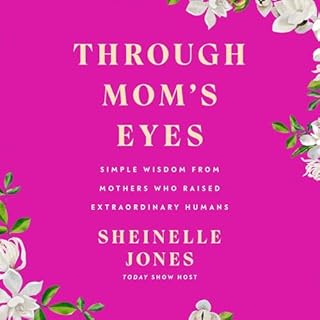
Through Mom's Eyes
- Simple Wisdom From Mothers Who Raised Extraordinary Humans
- By: Sheinelle Jones
- Narrated by: Sheinelle Jones
- Length: 7 hrs and 14 mins
- Unabridged
-
Overall3
-
Performance3
-
Story3
From the beloved Today show host Sheinelle Jones comes an inspiring collection of heartfelt life-lessons from hard working moms who raised some of our favorite celebrities. When Sheinelle Jones launched “Through Mom’s Eyes,” a recurring Today show segment interviewing celebrities’...
-
-
Positive energy for moms
- By Redhead on 04-18-26
By: Sheinelle Jones

-
Birth Vibes
- Stories and Strategies for an Empowered Birth
- By: Jen Hamilton
- Narrated by: Jen Hamilton
- Length: 11 hrs and 15 mins
- Unabridged
-
Overall0
-
Performance0
-
Story0
Read by the author and featuring eight exclusive bonus sections Jen calls “Vaginal Vignettes”: humorous and unforgettable moments from Jen’s real-life experiences in the labor and delivery room. “A refreshingly compassionate roadmap built on boundaries, clarity, and real communication...
By: Jen Hamilton

-
Trump: The Art of the Deal
- By: Donald J. Trump, Tony Schwartz
- Narrated by: Kaleo Griffith, Donald J. Trump
- Length: 9 hrs and 59 mins
- Unabridged
-
Overall13,354
-
Performance11,675
-
Story11,667
#1 NATIONAL BESTSELLER President Donald J. Trump lays out his professional and personal worldview in this classic work—a firsthand account of the rise of America’s foremost businessman. “Donald Trump is a deal maker. He is a deal maker the way lions are carnivores and water is wet...
-
-
The Man Who Would be President
- By Jose on 03-20-17
By: Donald J. Trump, and others

-
Educated
- A Memoir
- By: Tara Westover
- Narrated by: Julia Whelan
- Length: 12 hrs and 10 mins
- Unabridged
-
Overall128,343
-
Performance113,201
-
Story112,814
#1 NEW YORK TIMES, WALL STREET JOURNAL, AND BOSTON GLOBE BESTSELLER One of the most acclaimed books of our time: an unforgettable memoir about a young woman who, kept out of school, leaves her survivalist family and goes on to earn a PhD from Cambridge University “Extraordinary . . . an...
-
-
The Other Side of Idaho's Mountains
- By Darwin8u on 03-28-18
By: Tara Westover

-
Told You So
- By: Mayci Neeley
- Narrated by: Mayci Neeley
- Length: 7 hrs and 3 mins
- Unabridged
-
Overall1,530
-
Performance1,514
-
Story1,514
INSTANT NEW YORK TIMES BESTSELLER From TikTok and The Secret Lives of Mormon Wives star Mayci Neeley, a deeply personal story of love, grief, motherhood, and resilience. Mayci Neeley and the women of MomTok burst into the center of pop culture when Hulu’s The Secret Lives of Mormon Wives took...
-
-
Absolutely amazing
- By Alicia Burns on 10-19-25
By: Mayci Neeley
-
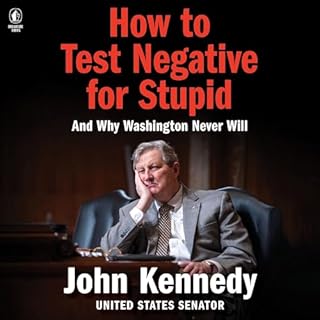
How to Test Negative for Stupid
- And Why Washington Never Will
- By: John Kennedy
- Narrated by: John Kennedy
- Length: 8 hrs and 13 mins
- Unabridged
-
Overall3,157
-
Performance3,023
-
Story3,021
Narrated by John Kennedy himself, this audiobook of “America’s most quotable Senator” offers his perceptive (and hilarious) takes on the ridiculousness of political life in this scathingly witty takedown of Washington and its elite denizens. How to Test Negative for Stupid offers the...
-
-
Wow
- By jason e. on 10-09-25
By: John Kennedy

-
Poor Charlie’s Almanack
- The Essential Wit and Wisdom of Charles T. Munger
- By: Charles T. Munger
- Narrated by: Grover Gardener
- Length: 13 hrs and 9 mins
- Unabridged
-
Overall1,109
-
Performance984
-
Story984
"Spend each day trying to be a little wiser than you were when you woke up," Charles T. Munger advises in Poor Charlie’s Almanack. Originally published in 2005, this compendium of 11 talks, delivered by the legendary Berkshire Hathaway....
-
-
Wisdom from grandpa Charlie
- By J R Cavanaugh on 08-18-24
-
The Algorithm
- The Hypergrowth Formula That Transformed Tesla, Lululemon, General Motors, and SpaceX
- By: Jon McNeill
- Narrated by: Will Damron
- Length: 4 hrs and 23 mins
- Unabridged
-
Overall37
-
Performance36
-
Story36
A USA Today Bestseller From a former President of Tesla comes The Algorithm—the first book written by any of Elon Musk’s direct reports—a transformative guide for leaders, entrepreneurs, and innovators who want to emulate the paradigm-shattering approach Musk used to launch Tesla and...
-
-
The Lean manufacturing philosophy coming back
- By Leonardo Jimenez on 04-08-26
By: Jon McNeill

-
Joyful, Anyway
- By: Kate Bowler
- Narrated by: Kate Bowler
- Length: 5 hrs and 58 mins
- Unabridged
-
Overall17
-
Performance17
-
Story17
NATIONAL BESTSELLER New York Times bestselling author and Duke University professor Kate Bowler offers a profound, funny, and deeply human case for joy that doesn’t depend on everything getting better. “Joyful, Anyway is colorful and layered, unafraid of the occasional gut-punch of raw...
-
-
Outstanding!
- By Traci on 04-11-26
By: Kate Bowler
New releases

-
Finding the Lost Girls
- The Hunt to Solve a Serial Killer's Cold Cases
- By: Paul Holes, Peter McDonnell
- Narrated by: Paul Holes
- Length: 4 hrs and 24 mins
- Original Recording
-
Overall627
-
Performance614
-
Story614
For decades, a father in the Bay Area made his living taking people’s portraits, but he harbored a monstrous secret. When one woman vanished in 1976, the only clue police had was that she’d gone to a restaurant to meet a photographer about a modeling job. Other women who’d gone to get their pictures taken were found murdered in the woods in Marin County. This disconnected series of homicides and disappearances remained stubbornly unsolved. But then in 2010, a probation officer caught a lucky break.
-
-
Quality storytelling
- By aimee on 03-20-26
By: Paul Holes, and others
-
Phases
- A Memoir
- By: Brandy
- Narrated by: Brandy
- Length: 12 hrs and 7 mins
- Unabridged
-
Overall697
-
Performance685
-
Story685
AN AUDIBLE MOST ANTICIPATED LISTEN, Read by the Author Herself *AUDIOBOOK READ BY BRANDY!* The iconic, multiplatinum, Grammy Award–winning performer Brandy brings us a raw, intimate portrait of her life, charting her journey from Mississippi churches to Hollywood spotlights From the moment...
-
-
TRUTH & UNCUT
- By Jeffery Miller on 03-31-26
By: Brandy
-
Famesick
- A Memoir
- By: Lena Dunham
- Narrated by: Lena Dunham
- Length: 11 hrs and 46 mins
- Unabridged
-
Overall117
-
Performance116
-
Story116
In this rowdy, frank reflection on illness, fame, sex, and everything in between, the remarkable mind behind the hit series Girls and the bestselling author of Not That Kind of Girl asks whether fulfilling her creative ambitions has been worth the pain. For the last decade, as she’s spent...
-
-
Funny, Familiar and Full of Insight
- By Luke Hansen on 04-16-26
By: Lena Dunham

-
The Man on the Run
- Words + Music: Vol. 42
- By: Paul McCartney, Morgan Neville
- Narrated by: Paul McCartney, Morgan Neville
- Length: 2 hrs and 55 mins
- Original Recording
-
Overall37
-
Performance31
-
Story31
In the 1970s, Paul McCartney was a man on the run. After the breakup of The Beatles, the biggest and most culturally influential band of the 1960s, Paul McCartney faced an impossible question: Who was he now? At 27 years old, being a Beatle was all he had known since he was a teenager. Now he had to figure out who he was as an artist, as a husband, and as a father. In this Audible Original, hear Paul tell the story of his most transformative decade in his own words.
-
-
Getting To Know Paul
- By Empress Karen on 03-26-26
By: Paul McCartney, and others
-
Arsenio
- A Memoir
- By: Arsenio Hall
- Narrated by: Arsenio Hall
- Length: 11 hrs and 19 mins
- Unabridged
-
Overall143
-
Performance142
-
Story142
INSTANT NEW YORK TIMES BESTSELLER Arsenio Hall, America’s beloved late-night TV host, reveals the ups and downs of his remarkable career as a trailblazing pioneer with this “vivid, outrageous” (The New York Times)behind-the-scenes, star-studded, no-holds-barred memoir of celebrity, race...
-
-
He got busy
- By Wendy Faye on 04-06-26
By: Arsenio Hall
-
London Falling
- A Mysterious Death in a Gilded City and a Family's Search for Truth
- By: Patrick Radden Keefe
- Narrated by: Patrick Radden Keefe
- Length: 12 hrs and 59 mins
- Unabridged
-
Overall124
-
Performance118
-
Story118
#1 NEW YORK TIMES BESTSELLER From the bestselling, prizewinning author of Say Nothing and Empire of Pain, a spellbinding account of a family devastated by the sudden death of their nineteen-year-old son, only to discover that he had created a secret life which drew him into the dangerous...
-
-
Raddan O’Keefe Does It Again
- By Patricia Fuentez on 04-12-26
-
Finding the Lost Girls
- The Hunt to Solve a Serial Killer's Cold Cases
- By: Paul Holes, Peter McDonnell
- Narrated by: Paul Holes
- Length: 4 hrs and 24 mins
- Original Recording
-
Overall627
-
Performance614
-
Story614
For decades, a father in the Bay Area made his living taking people’s portraits, but he harbored a monstrous secret. When one woman vanished in 1976, the only clue police had was that she’d gone to a restaurant to meet a photographer about a modeling job. Other women who’d gone to get their pictures taken were found murdered in the woods in Marin County. This disconnected series of homicides and disappearances remained stubbornly unsolved. But then in 2010, a probation officer caught a lucky break.
-
-
Quality storytelling
- By aimee on 03-20-26
By: Paul Holes, and others
-
Phases
- A Memoir
- By: Brandy
- Narrated by: Brandy
- Length: 12 hrs and 7 mins
- Unabridged
-
Overall697
-
Performance685
-
Story685
AN AUDIBLE MOST ANTICIPATED LISTEN, Read by the Author Herself *AUDIOBOOK READ BY BRANDY!* The iconic, multiplatinum, Grammy Award–winning performer Brandy brings us a raw, intimate portrait of her life, charting her journey from Mississippi churches to Hollywood spotlights From the moment...
-
-
TRUTH & UNCUT
- By Jeffery Miller on 03-31-26
By: Brandy
-
Famesick
- A Memoir
- By: Lena Dunham
- Narrated by: Lena Dunham
- Length: 11 hrs and 46 mins
- Unabridged
-
Overall117
-
Performance116
-
Story116
In this rowdy, frank reflection on illness, fame, sex, and everything in between, the remarkable mind behind the hit series Girls and the bestselling author of Not That Kind of Girl asks whether fulfilling her creative ambitions has been worth the pain. For the last decade, as she’s spent...
-
-
Funny, Familiar and Full of Insight
- By Luke Hansen on 04-16-26
By: Lena Dunham
-
The Man on the Run
- Words + Music: Vol. 42
- By: Paul McCartney, Morgan Neville
- Narrated by: Paul McCartney, Morgan Neville
- Length: 2 hrs and 55 mins
- Original Recording
-
Overall37
-
Performance31
-
Story31
In the 1970s, Paul McCartney was a man on the run. After the breakup of The Beatles, the biggest and most culturally influential band of the 1960s, Paul McCartney faced an impossible question: Who was he now? At 27 years old, being a Beatle was all he had known since he was a teenager. Now he had to figure out who he was as an artist, as a husband, and as a father. In this Audible Original, hear Paul tell the story of his most transformative decade in his own words.
-
-
Getting To Know Paul
- By Empress Karen on 03-26-26
By: Paul McCartney, and others
-
Arsenio
- A Memoir
- By: Arsenio Hall
- Narrated by: Arsenio Hall
- Length: 11 hrs and 19 mins
- Unabridged
-
Overall143
-
Performance142
-
Story142
INSTANT NEW YORK TIMES BESTSELLER Arsenio Hall, America’s beloved late-night TV host, reveals the ups and downs of his remarkable career as a trailblazing pioneer with this “vivid, outrageous” (The New York Times)behind-the-scenes, star-studded, no-holds-barred memoir of celebrity, race...
-
-
He got busy
- By Wendy Faye on 04-06-26
By: Arsenio Hall
-
London Falling
- A Mysterious Death in a Gilded City and a Family's Search for Truth
- By: Patrick Radden Keefe
- Narrated by: Patrick Radden Keefe
- Length: 12 hrs and 59 mins
- Unabridged
-
Overall124
-
Performance118
-
Story118
#1 NEW YORK TIMES BESTSELLER From the bestselling, prizewinning author of Say Nothing and Empire of Pain, a spellbinding account of a family devastated by the sudden death of their nineteen-year-old son, only to discover that he had created a secret life which drew him into the dangerous...
-
-
Raddan O’Keefe Does It Again
- By Patricia Fuentez on 04-12-26
-
Why Does Everybody Hate Me?
- Living and Loving with Rejection Sensitivity Dysphoria
- By: Alex Partridge
- Narrated by: Alex Partridge
- Length: 5 hrs and 52 mins
- Unabridged
-
Overall26
-
Performance25
-
Story25
Your boss asked you for a chat, and you just knew you were going to be fired You didn't sleep all weekend, and you weren't fired Someone answered your message with a thumbs-up emoji and you just knew they hated you. So you stopped talking to them, they eventually stopped texting, and now you...
-
-
so happy This book exists now
- By Landon on 04-13-26
By: Alex Partridge
-
Start With Yourself
- A New Vision for Work & Life
- By: Emma Grede
- Narrated by: Emma Grede
- Length: 9 hrs and 14 mins
- Unabridged
-
Overall15
-
Performance15
-
Story15
“Emma Grede is a modern executive for the influencer age…Start With Yourself makes the case for putting yourself first in work, life, and child-rearing. It’s Lean In for the post-girlboss era.” —The Wall Street Journal As seen on Good Morning America, TODAY, Morning Joe, ABC News Live...
-
-
The Tender-Loving Kick Every Business Mom Needs
- By Irina Iurcisin on 04-15-26
By: Emma Grede

-
How to Be Okay When Nothing Is Okay
- Tips and Tricks That Kept Me Alive, Happy, and Creative in Spite of Myself
- By: Jenny Lawson
- Narrated by: Jenny Lawson
- Length: 5 hrs and 18 mins
- Unabridged
-
Overall89
-
Performance89
-
Story89
INSTANT NEW YORK TIMES BESTSELLER Warm, insightful, and witty, the first book of advice from New York Times bestselling author Jenny Lawson—aka the Bloggess Jenny Lawson is full of contradictions. She’s a celebrated author but battles self-doubt, paralysis, and anxiety. She’s an...
-
-
I am not for everyone
- By Courtney Cook on 03-31-26
By: Jenny Lawson
-
I Choose Me
- Chasing Joy, Finding Purpose & Embracing Reinvention
- By: Jennie Garth
- Narrated by: Jennie Garth
- Length: 9 hrs and 54 mins
- Unabridged
-
Overall10
-
Performance10
-
Story10
***AUDIOBOOK READ BY JENNIE GARTH*** "An inspiring roadmap to navigating life's challenges with grace, grit, and a refusal to settle for anything less than your worth." –Chelsea Handler, comedian and #1 bestselling author Beloved actress, designer, and entrepreneur Jennie Garth opens up in...
-
-
It was all about self love and advice
- By Anonymous on 04-16-26
By: Jennie Garth
-
The Infinity Machine
- Demis Hassabis, DeepMind, and the Quest for Superintelligence
- By: Sebastian Mallaby
- Narrated by: Vidish Athavale
- Length: 15 hrs and 6 mins
- Unabridged
-
Overall40
-
Performance37
-
Story37
An Instant New York Times Bestseller From one of our leading chroniclers of the intersection of innovation and capitalism, a landmark reckoning—based on unprecedented access—with one of the world’s most brilliant and driven tech visionaries, and his game-changing company Even by the...
-
-
clear self promotion
- By Weimin Li on 04-18-26
-
Through Mom's Eyes
- Simple Wisdom From Mothers Who Raised Extraordinary Humans
- By: Sheinelle Jones
- Narrated by: Sheinelle Jones
- Length: 7 hrs and 14 mins
- Unabridged
-
Overall3
-
Performance3
-
Story3
From the beloved Today show host Sheinelle Jones comes an inspiring collection of heartfelt life-lessons from hard working moms who raised some of our favorite celebrities. When Sheinelle Jones launched “Through Mom’s Eyes,” a recurring Today show segment interviewing celebrities’...
-
-
Positive energy for moms
- By Redhead on 04-18-26
By: Sheinelle Jones
-
The Algorithm
- The Hypergrowth Formula That Transformed Tesla, Lululemon, General Motors, and SpaceX
- By: Jon McNeill
- Narrated by: Will Damron
- Length: 4 hrs and 23 mins
- Unabridged
-
Overall37
-
Performance36
-
Story36
A USA Today Bestseller From a former President of Tesla comes The Algorithm—the first book written by any of Elon Musk’s direct reports—a transformative guide for leaders, entrepreneurs, and innovators who want to emulate the paradigm-shattering approach Musk used to launch Tesla and...
-
-
The Lean manufacturing philosophy coming back
- By Leonardo Jimenez on 04-08-26
By: Jon McNeill
-
Joyful, Anyway
- By: Kate Bowler
- Narrated by: Kate Bowler
- Length: 5 hrs and 58 mins
- Unabridged
-
Overall17
-
Performance17
-
Story17
NATIONAL BESTSELLER New York Times bestselling author and Duke University professor Kate Bowler offers a profound, funny, and deeply human case for joy that doesn’t depend on everything getting better. “Joyful, Anyway is colorful and layered, unafraid of the occasional gut-punch of raw...
-
-
Outstanding!
- By Traci on 04-11-26
By: Kate Bowler
-
Open to Work
- How to Get Ahead in the Age of AI
- By: Ryan Roslansky, Aneesh Raman
- Narrated by: Alex Knox
- Length: 5 hrs and 56 mins
- Unabridged
-
Overall9
-
Performance9
-
Story9
AN INSTANT NEW YORK TIMES BESTSELLER Work is changing for everyone, everywhere. Standing still isn't an option. Ryan Roslansky and Aneesh Raman, CEO and Chief Economic Opportunity Officer at LinkedIn, show you how to take control of this moment with clarity and confidence. The future of work is...
-
-
Excellent first steps
- By Amazon Customer on 04-14-26
By: Ryan Roslansky, and others

-
Poisoned Ivies
- The Inside Account of the Academic and Moral Rot at America's Elite Universities
- By: Elise Stefanik
- Narrated by: Elise Stefanik
- Length: 8 hrs and 14 mins
- Unabridged
-
Overall6
-
Performance5
-
Story5
Congresswoman Elise Stefanik reveals how America’s elite universities, once proud symbols of academic excellence, have become centers of far-left indoctrination, division, and moral rot in this riveting, behind-the-scenes inside account. Drawing on her experience as the highest-ranking woman...
-
-
Incredibly detailed overview of academic racism
- By J. Calvin Miller on 04-16-26
By: Elise Stefanik

-
Even the Good Girls Will Cry
- A '90s Rock Memoir
- By: Melissa Auf der Maur
- Narrated by: Melissa Auf der Maur
- Length: 13 hrs and 29 mins
- Unabridged
-
Overall48
-
Performance46
-
Story46
A remarkably open-hearted, clear-eyed memoir of the '90s Alternative era by the bassist of Hole and The Smashing Pumpkins. Even the Good Girls Will Cry begins with Melissa Auf der Maur’s bohemian upbringing in Montreal, where her early, deep connection to art and music gave her entry to the...
-
-
What a Life and Time to Be Alive
- By AD954 on 03-31-26

-
The Long Run
- Steve Prefontaine, Frank Shorter, Joan Benoit, Grete Waitz, and the Decade That Made the Marathon Cool
- By: Martin Dugard
- Narrated by: Matt Godfrey
- Length: 9 hrs and 33 mins
- Unabridged
-
Overall0
-
Performance0
-
Story0
The dramatic story behind the running and marathon boom of the 1970s and early 1980s, featuring the stories of Steve Prefontaine, Frank Shorter, Joan Benoit, Grete Waitz, and many others, about how a generation of runners turned the marathon into a national obsession On September 3, 1970, the...
By: Martin Dugard

-
Homesick Nomad
- Settling into an Untethered Life
- By: Brianna Madia
- Narrated by: Brianna Madia
- Length: 6 hrs and 13 mins
- Unabridged
-
Overall94
-
Performance94
-
Story94
Audiobook narrated by author. “Madia’s adventurous tales transcend their rugged terrain, telling, at the crux of it all, very human stories”—The Source New York Times bestselling author of Nowhere for Very Long and Never Leave the Dogs Behind Brianna Madia considers putting down...
-
-
Refreshingly unique and honest voice
- By Amazon Customer on 04-18-26
By: Brianna Madia

-
Rory
- The Heartache and Triumph of Golf's Most Human Superstar
- By: Alan Shipnuck
- Narrated by: Alan Shipnuck
- Length: 9 hrs and 20 mins
- Unabridged
-
Overall8
-
Performance8
-
Story8
NEW YORK TIMES BESTSELLER The definitive biography of the most important, popular, and confounding golfer of the post-Tiger era, masterfully chronicled by Alan Shipnuck, the bestselling author of Phil and LIV and Let Die. “Shipnuck produces a rich, nuanced picture.” —The Wall Street...
-
-
Interesting
- By JaredMiller33! on 04-17-26
By: Alan Shipnuck

-
Who Needs Friends
- An Unscientific Examination of Male Friendship Across America
- By: Andrew McCarthy
- Narrated by: Andrew McCarthy
- Length: 7 hrs and 2 mins
- Unabridged
-
Overall43
-
Performance43
-
Story43
AN INSTANT NEW YORK TIMES AND USA TODAY BESTSELLER A moving and provocative exploration of male friendship and loneliness, from New York Times bestselling author, filmmaker, and actor Andrew McCarthy as he crisscrosses the country to reconnect with his friends. “You don’t really have any...
-
-
Relatable, even as a woman
- By Helleren G. on 03-27-26
By: Andrew McCarthy

-
Spirit Daughter
- Own Your Power, Change Your Life
- By: Jill Wintersteen
- Narrated by: Jill Wintersteen
- Length: 8 hrs and 33 mins
- Unabridged
-
Overall20
-
Performance19
-
Story19
NATIONAL BESTSELLER From the founder of the online community Spirit Daughter, a chronicle of her journey from academic researcher to spiritual teacher, offering readers a road map through the territory of transformation that begins when life falls apart. Jill Wintersteen’s life—and all...
-
-
Inspiring and supportive
- By Bob on 03-28-26
By: Jill Wintersteen

-
Here Where We Live Is Our Country
- The Story of the Jewish Bund
- By: Molly Crabapple
- Narrated by: Molly Crabapple, Nina Yndis
- Length: 20 hrs
- Unabridged
-
Overall3
-
Performance3
-
Story3
The dramatic story of the Jewish Bund—a revolutionary movement from a vanished world—and its radical vision of solidarity in an age of division. “Molly Crabapple beckons readers through a portal to an irresistible, lost world, one bound together by passion, solidarity, and a burning hunger...
-
-
Narration detracts from experience
- By coffeedrinker on 04-14-26
By: Molly Crabapple
-
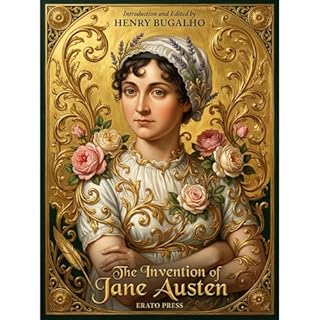
The Invention of Jane Austen (Annotated)
- Biographies, Letters, and Critical Essay | Introduction by Henry Bugalho | Erato Press
- By: Jane Austen, J.E. Austen-Leigh, Mrs. Charles Malden, and others
- Narrated by: Virtual Voice
- Length: 38 hrs and 50 mins
- Unabridged
-
Overall0
-
Performance0
-
Story0
We know Jane Austen's novels almost too well. We know almost nothing about the woman who wrote them. This book explains why — and shows exactly how it happened. Jane Austen's face appears on banknotes. Her plots have been adapted into Bollywood films, zombie novels, and Instagram captions. She is, by almost any measure, the most perpetually consumed English novelist of the past two centuries. And yet the actual person — her thoughts, her inner life, her consciousness — has receded so completely behind layers of biographical construction and cultural mythology that it seems almost ...
By: Jane Austen, and others

-
La palabra mágica
- Una vida escrita
- By: Isabel Allende
- Narrated by: Javiera Gazitua, Isabel Allende
- Length: 4 hrs and 23 mins
- Unabridged
-
Overall2
-
Performance2
-
Story2
La palabra mágica es mucho más que una guía de escritura, es una conversación. Isabel Allende comparte los triunfos, errores y aprendizajes que los desafíos y las alegrías le han brindado a lo largo de los años. A partir de sus propias vivencias, este libro es una clase magistral para todo aquel que desee iniciar su propio viaje literario.
-
-
Hermoso Llore y me inspire
- By fdejesus on 04-16-26
By: Isabel Allende

-
Memoirs of a Gay Shah
- My Story of Family, Fame, and Becoming a King
- By: Reza Farahan
- Narrated by: Reza Farahan
- Length: 6 hrs and 7 mins
- Unabridged
-
Overall31
-
Performance31
-
Story31
At just four years old, Reza Farahan left Iran for what was supposed to be a quick family trip to Los Angeles. But while he was soaking up the California sun, revolution erupted back home, and Reza's short stay turned into permanent exile. Caught between cultures, identities, and expectations, Reza was an outsider in every sense of the word. He was a half-Muslim, half-Jewish, gay Persian kid just trying to survive 1980s America―a place that saw him as a threat, even when all he wanted was to belong. But with an unapologetic spirit and bold personality, Reza was never destined to simply fit in.
-
-
Loved it!
- By TJ on 04-08-26
By: Reza Farahan
-
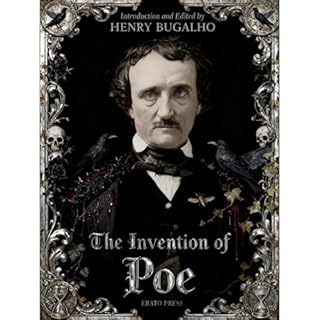
The Invention of Poe (Annotated)
- The Essential Documents of a Literary Fabrication | Edited with Critical Essays by Henry Bugalho | Erato Press
- By: Edgar Allan Poe, Rufus Wilmot Griswold, Charles Baudelaire
- Narrated by: Virtual Voice
- Length: 21 hrs and 38 mins
- Unabridged
-
Overall0
-
Performance0
-
Story0
Edgar Allan Poe died on October 7, 1849. By October 9, he had already been invented. The obituary published two days after his death — signed "Ludwig," later revealed as Rufus Wilmot Griswold, his literary executor and personal enemy — was not biography. It was preemptive mythology. It described a man of "scant virtues" and "numerous vices," a drunk, a madman, a moral failure whose genius was incidental to his depravity. Within weeks, Griswold had gone further: forging letters, altering texts, inserting fabricated passages into documents Poe had actually written. The archive was ...
By: Edgar Allan Poe, and others

-
Ghosts of Sicily
- The True Story of the Naval Intelligence Agents Who Courted the Mob to Fight Nazis in America and the Battlefields of Italy
- By: Mark Harmon, Leon Carroll
- Narrated by: Scott Brick
- Length: 9 hrs and 11 mins
- Unabridged
-
Overall0
-
Performance0
-
Story0
"Absorbing history of an unlikely alliance.” - Kirkus Reviews From the New York Times bestselling authors of Ghosts of Honolulu comes their most harrowing true story yet. It's 1942, and New York City is at war. German U-boats are sinking ships just miles offshore, and Washington, DC, is...
By: Mark Harmon, and others

-
Honest Motherhood
- On Losing My Mind and Finding Myself
- By: Libby Ward
- Narrated by: Libby Ward
- Length: 8 hrs and 13 mins
- Unabridged
-
Overall8
-
Performance8
-
Story8
An unflinchingly honest and disarmingly funny memoir from an exhausted mom who broke under the pressure to do it all, faced her past, found herself—and learned to let go of perfection and just serve the dang chicken nuggets. "Libby is shifting the cultural narrative in a way that will echo for...
-
-
Eye opening in a good way
- By Rose on 04-18-26
By: Libby Ward
-
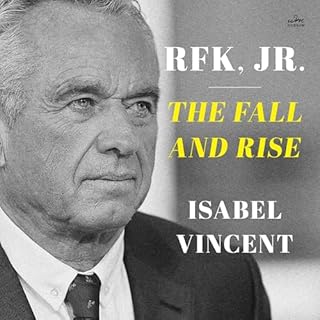
RFK Jr.
- The Fall and Rise
- By: Isabel Vincent
- Narrated by: Robert Petkoff, Gabra Zackman
- Length: 9 hrs and 35 mins
- Unabridged
-
Overall4
-
Performance4
-
Story4
From award-winning journalist and author Isabel Vincent, a revelatory portrait of RFK Jr., tracing his astonishing journey from young socialite to environmental activist, his battles with addiction, and his rise to the Trump administration’s Secretary for Health and Human Services, based on...
-
-
Endless Funerals. Endless Kennedy anecdotes—usually not about the HHS Secretary
- By Julie on 04-18-26
By: Isabel Vincent