Tick Boot Camp Podcast Por Matt Sabatello and Rich Johannesen arte de portada

Tick Boot Camp

Tick Boot Camp

De: Matt Sabatello and Rich Johannesen
Escúchala gratis

The goal of the Tick Boot Camp Podcast is to help people liberate themselves and others from suffering caused by Lyme disease through validation, community building, belief that healing is possible, and modeling success. Listen to our Tick Boot Camp podcast using all major podcast streaming services such as Apple Podcasts, Spotify, and YouTube Music. Our podcast is also integrated with smart home devices, such as Amazon Alexa and Apple TV. Ask your device to "play the Tick Boot Camp Podcast!"Copyright 2025 Enfermedades Físicas Higiene y Vida Saludable Medicina Alternativa y Complementaria
Episodios
  • Episode 561: Healing Chronic Lyme Through Terrain, Stress Physiology & Liquid Intelligence | Frédéric Roscop
    Apr 4 2026
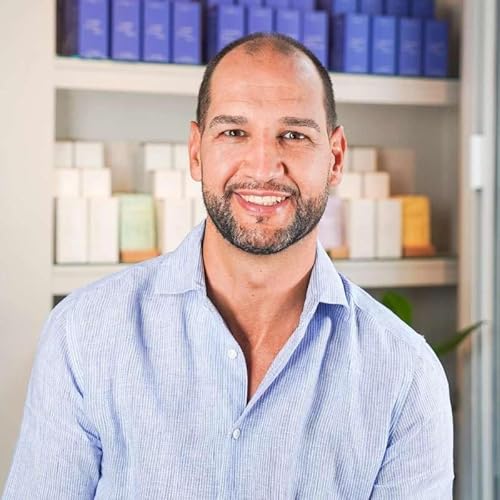
    Frédéric Roscop, French-born osteopath and founder of AEQUIL, joins the Tick Boot Camp Podcast as our first-ever in-studio international guest, flying in from London to Long Island to share his personal battle with chronic Lyme disease—and the breakthrough that reshaped his life and career. After decades of unexplained symptoms, misdiagnoses, heart inflammation, neurological dysfunction, and failed treatment attempts across multiple countries, Frédéric discovered that killing microbes alone wasn’t enough. His recovery began when he shifted focus from chasing pathogens to restoring the body’s foundational terrain—supporting immune regulation, detoxification, cellular function, stress physiology, and energetic balance. In this deeply reflective and technical conversation, Frédéric shares how childhood tick exposure in rural France, years of undiagnosed Borrelia and Bartonella infection, and repeated medical dead-ends ultimately led him to develop a patented biotech system designed to help others reset their foundational wellbeing. What You’ll Learn in This Episode Growing Up in Tick Territory Frédéric describes growing up in rural France, frequently covered in ticks as a child—long before Lyme disease was widely recognized in Europe. Early symptoms included: Chronic insomnia and hyperactivityDigestive dysfunction and blood sugar instabilityVisual disturbances and light sensitivityEmotional instability and neurological symptomsRecurrent inflammation At 16, following general anesthesia for a broken nose, he experienced what he now recognizes as a major Lyme “crash,” leading to cognitive decline, emotional dysregulation, and worsening physical inflammation. Heart Inflammation & Athletic Collapse By age 17–18, Frédéric’s promising volleyball career ended due to inflammatory joint disease and recurring pericarditis (heart inflammation)—which would return six times over the next 15 years. Antibiotics temporarily improved symptoms, but the root cause remained unidentified. “I Didn’t Even Know What Lyme Disease Was” As a young osteopath in practice, Frédéric recalls a patient asking whether her symptoms could be Lyme disease. At the time, he had never been trained on it. Years later, another patient was hospitalized with Lyme-related encephalitis—triggering Frédéric’s realization that Lyme might explain both his patients’ suffering and his own. This episode includes an honest discussion about: Medical training gapsDiagnostic limitationsThe importance of humility in healthcareWhy the doctor–patient relationship must be a partnership Diagnosis: Borrelia, Bartonella & More Specialty testing eventually revealed: BorreliaBartonellaViral findings including Epstein-Barr Virus (EBV)Heavy metal burden (notably elevated mercury) Frédéric began aggressive antibiotic and detox protocols—but experienced severe gut collapse and worsening terrain. Despite trying treatments across Europe, the U.S., China, India, and Switzerland—including antimicrobial, herbal, and integrative approaches—he improved only marginally. The Turning Point: It’s Not Just the Bug — It’s the Terrain Frédéric revisited the foundational debate in medicine: Louis Pasteur: It’s the germ.Claude Bernard: It’s the terrain. His breakthrough came when he shifted focus to rebuilding: Gut functionCellular membranesDetox pathwaysNervous system regulationEmotional and energetic resilience Rather than focusing exclusively on killing microbes, he asked: Does the body have the capacity to self-regulate and self-repair? From that question, AEQUIL was born. What Is AEQUIL? AEQUIL is a biotech wellness system built around a patented technology Frédéric calls Liquid Intelligence — a formulation combining: Structured/dynamised waterBotanicalsVitamins and electrolytesBiochemical and biophysical support The system supports: Brain, heart, gut, liver, and immune foundationsDetoxification and lymphatic flowStress physiologyEmotional and energetic regulation The AEQUIL Deep Reset System Maintain (Foundational Support) A daily liquid formula designed to nourish the body’s core systems and support cellular regulation. Suggested use: ½ teaspoon morning½ teaspoon evening Reset (Deep Reset Protocol) A structured approach to support: Microorganisms (bacteria, viruses, fungi, parasites)Micro-toxins (detox pathways)Micro-traumas (stress and emotional stagnation) The protocol is phased to reduce Herx reactions and build resilience gradually, with many users reporting a noticeable physiological shift around weeks 8–10. Everyday Support Wearable patches and digital wellness tools (affirmations, breathwork) designed to support mood, sleep, energy, and immune balance during recovery. Core Message of This Episode Chronic Lyme recovery is rarely about one silver bullet. It requires: Restoring foundational systemsSupporting detox and immune functionAddressing nervous system and stress patternsRecognizing both ...
    Más Menos
    1 h y 41 m
  • Episode 560: MCAS, Chronic Lyme Disease, GLP-1 Agonists, Biofilms, and the Future of Precision Medicine — Dr. Tania Dempsey, MD
    Mar 28 2026
    GLP-1 Agonists, MCAS, Lyme Disease, and the Future of Precision Medicine In this powerful Tick Boot Camp Podcast interview, Matt Sabatello sits down with Dr. Tania Dempsey, MD, a board-certified internal medicine physician and internationally recognized expert in Mast Cell Activation Syndrome (MCAS), Lyme disease, autoimmune conditions, and complex chronic illness. In this comprehensive conversation, Dr. Dempsey delivers one of the most forward-thinking and in-depth discussions ever featured on the podcast — connecting the dots between persistent symptoms after Lyme, immune dysregulation, biofilms, nervous system dysfunction, and groundbreaking research on GLP-1 receptor agonists as mast-cell stabilizers. This episode offers science, clinical insight, and — most importantly — hope for patients who have tried everything and are still struggling. Lyme Disease, MCAS, and Why Patients Stay Sick Why Treating Lyme Alone Is Often Not Enough Dr. Dempsey explains why many patients continue to experience inflammation, pain, neurological symptoms, and relapses even after treating Lyme disease and co-infections. According to her clinical experience, this is most often due to primary Mast Cell Activation Syndrome, not persistent infection alone. Key insight: > Lyme disease frequently acts as the trigger, but MCAS is often the driver of ongoing symptoms. Dr. Dempsey clarifies the critical difference between: Primary MCAS (pre-existing immune dysfunction worsened by infections)Secondary MCAS (rare; resolves completely once infection is treated) She notes that in decades of clinical practice, she has never seen true secondary MCAS fully resolve without ongoing mast-cell management. SOT Therapy: When, Why, and How It Works Best Dr. Dempsey provides a nuanced and experience-based explanation of Supportive Oligonucleotide Technique (SOT) for Lyme and co-infections. She addresses common criticism: One-time SOT treatments are rarely sufficientChronic Lyme often involves multiple strains of Borrelia , Babesia , and Bartonella Her most successful cases involve: Repeated testingSequential SOT treatments targeting specific strainsImmune system support between roundsAdjunctive therapies such as herbs, antiparasitics, and mast-cell stabilization She shares a remarkable case of a young woman with severe neuropsychiatric symptoms who — after years of persistent SOT treatment combined with MCAS management — is now thriving, off psychiatric medications, and successfully completing college. Biofilms: Why They Matter in Chronic Infection Dr. Dempsey firmly states that biofilms are a critical barrier to recovery in chronically ill patients. Key points: Biofilms exist in the gut, sinuses, blood, and tissuesThey protect microbes from antibiotics, herbs, and immune attackResistant biofilms may involve extracellular DNA (Z-DNA), discussed at ILADS Therapies discussed: Enzymes such as lumbrokinase and nattokinaseOzone therapyTherapeutic Plasma Exchange (TPE) for severe cases Her message is clear: if you cannot reach microbial reservoirs hidden in biofilms, infections cannot be fully controlled. GLP-1 Agonists, Immune Modulation, and Breakthrough MCAS Research GLP-1 Receptor Agonists as Mast-Cell Stabilizers Dr. Dempsey presents groundbreaking findings from her published case series: “The Utility of GLP-1 Receptor Agonists in Mast Cell Activation Syndrome” Key details: 47-patient case seriesMicro-dosing of GLP-1 agonistsPrimary medications used: tirzepatide (Mounjaro / Zepbound) and semaglutide (Ozempic / Wegovy) Unlike weight-loss protocols, Dr. Dempsey uses very low doses to target immune modulation — not appetite suppression. What GLP-1 Therapy Improved in MCAS & Lyme Patients Reported improvements included: Cognitive clarity and brain fogChronic painNeuropsychiatric symptomsAnxiety and depressionGastrointestinal symptomsSystemic inflammationHormonal dysregulation In some cases, patients experienced improvement within one or two doses. Dr. Dempsey explains that mast cells express GLP-1 receptors, and activation sends a signal of safety, reducing inflammatory mediator release. Unexpected Findings: Muscle Mass and Antibody Reduction Contrary to common concerns, Dr. Dempsey observed: Preserved or increased muscle mass in the majority of patientsImproved mitochondrial function and exercise toleranceReduction in chronic antibody production (including Lyme Western Blot bands) She shares a striking case where a patient with long-standing positive Lyme antibodies saw antibody levels decline for the first time in over a decade after GLP-1 therapy — despite infection already being treated. This supports her hypothesis: > MCAS can drive persistent immune activation even when infection is no longer present. Side Effects, Screening & Who Should Not Use GLP-1s Potential side effects (usually mild): NauseaDelayed gastric emptyingOccasional vomiting in sensitive patients Important clinical notes: Some patients respond better to ...
    Más Menos
    2 h y 1 m
  • Episode 559: Restoring and Rebuilding Your Identity: Healing Lyme Disease Beyond the Physical | Live Webinar
    Mar 21 2026
    In this special Tick Boot Camp Podcast conversation recorded for Dr. Bill Rawls’ Vital Plan Network as part of the Cellular Healing Boot Camp Series, Tick Boot Camp co-hosts Matt Sabatello and Rich Johannesen join Liza Blas (Vital Plan Network Community Manager) to unpack one of the most overlooked—but most transformative—parts of chronic illness recovery: rebuilding identity. This episode serves as a follow-up to Lesson 16 in the Boot Camp (watch full lesson) and expands the framework Rich introduced in the lesson—showing how chronic Lyme disease and complex chronic illness can dysregulate not only the body, but also the mind, nervous system, and sense of meaning and connection. Together, they explore the “patterns” they’ve observed through 650+ Tick Boot Camp interviews with patients, doctors, and researchers—and how those patterns point toward a more complete roadmap for healing.https://community.vitalplan.com/ What You’ll Learn in This Episode Why healing from chronic Lyme disease is rarely “just physical”The key recovery patterns observed across 650+ patient interviewsHow identity gets disrupted by chronic illness—and how to rebuild itThe difference between faith vs. doubt as forms of beliefThe “Big Three Lies” that shape a harmful Lyme identityHow the nervous system, stress hormones, and immune dysfunction feed each otherWhy “it’s never just one thing” when it comes to recoveryPractical tools for hard days: breathwork, gratitude, pacing, and nervous system supportA step-by-step “path forward” that includes physical, psychological, and spiritual healing Key Themes and Takeaways 1) The Tick Boot Camp Origin Story (and Why Patterns Matter) Rich shares the moment Tick Boot Camp was born: seeing Matt go from a healthy, high-performing young man to being severely disabled by chronic illness—then watching him fight his way back. That personal crisis, combined with Rich’s own tick bite and lack of competent medical guidance, revealed a hard truth: The real experts are the people who’ve lived the journey. Tick Boot Camp became a platform to capture what actually works in real life—through deep, long-form interviews that expose patterns you don’t see in short appointments or isolated protocols. 2) The Biggest Pattern: Recovery Requires More Than Medicine Matt explains one of the most important—and most triggering—lessons he had to accept: Chronic Lyme is not only a physical illness. It impacts your nervous system, psychology, relationships, and identity. He also highlights two massive recovery truths seen again and again: Believing you can heal matters, because hopelessness prevents action.It’s never one thing. Healing is cumulative—built through layered interventions over time. This isn’t “it’s all in your head.” It’s acknowledging that infection changes brain chemistry, stress responses, and perception—and that those changes must be addressed as part of recovery. 3) Tick Boot Camp's Framework: Three “Immune Systems” That Can Break Down Rich expands the “immune system must win the day” concept from Dr. Bill Rawls’ book Unlocking Lyme, and explains how it applies beyond the body. He argues many people experience a breakdown across three interconnected systems: Physical immune system: fatigue, pain, inflammation, mitochondrial dysfunctionPsychological immune system: stress response, nervous system dysregulation, belief filteringSpiritual immune system: purpose, meaning, connection, and “place in the world” The more systems involved, the more complex and longer the recovery journey can be. 4) Belief: A Two-Sided Coin (Faith vs. Doubt) Rich explains why his early messaging triggered Matt—and what finally clarified it: Belief isn’t something you either “have” or “don’t have”Belief is always presentIt comes in two forms:Faith: belief you’re more likely than not to get the outcome you wantDoubt: belief you’re more likely than not to get the outcome you don’t want People enter the chronic illness journey carrying belief—but often it has been converted into doubt through repeated invalidation, medical dismissal, and prolonged suffering. 5) The Big Three Lies That Create “Lyme Identity” Across hundreds of interviews, Rich says the same three narratives appear repeatedly: “You don’t look sick.”“It’s all in your head.”“You can’t get better.” These lies—coming from doctors, family, society, and even internal self-talk—can form what Rich calls a “lie-dentity”: a false identity built from invalidation and survival-mode thinking. 6) Matt’s Personal Breakdown Across All Three Systems Matt describes how, in hindsight, he was dysregulated in all three systems: Spiritual/meaning: loss of connection, loneliness, relationships collapsing due to cognitive disabilityPsychological: new anxiety, doom, depression, fear, hyper-control while having no controlPhysical: severe neurological symptoms ...
    Más Menos
    1 h
Todavía no hay opiniones