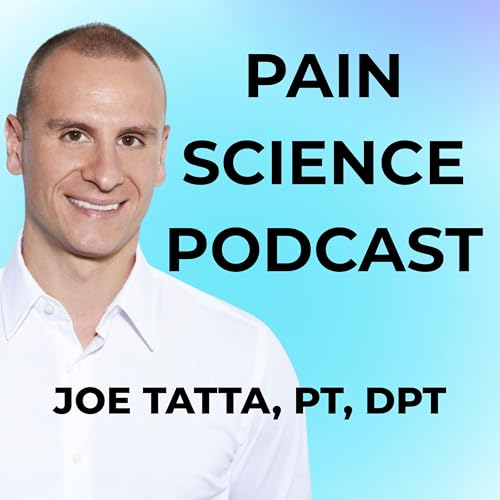
Pain Science Podcast Podcast Por Dr. Joe Tatta arte de portada

Pain Science Podcast

Pain Science Podcast

De: Dr. Joe Tatta
Escúchala gratis

The Pain Science podcast discusses science-backed solutions for chronic pain. Learn how to use the brain, body, mind, and behavior for pain relief and improve both physical and mental well-being. Hosted by Dr. Joe Tatta, a physical therapist and CEO of the Integrative Pain Science Institute, the podcast features a wide range of topics, including pain neuroscience, physical therapy, psychology, exercise, health, and wellness. Work from the Integrative Pain Science Institute has been published in top journals, including Physical Therapy and Rehabilitation Journal and the Journal of Physiotherapy in Mental Health. Dr. Joe Tatta is widely recognized for his contributions to pain science and mental health physical therapy. He developed PRISM—Pain Recovery and Integrative Systems Model, a process-based cognitive-behavioral approach for physical therapy; Pain Resilience Therapy, a strengths-based approach to treating chronic pain; and the Mental Health Physical Therapist Certification Program. Join The Pain Science podcast to discover ways to reduce pain and expand your professional toolkit. Learn more at: https://integrativepainscienceinstitute.com/ Ciencia Enfermedades Físicas Higiene y Vida Saludable
Episodios
  • How Diagnostic Labels Shape Pain with Stephen Martin, PT, MSc
    Mar 30 2026

    In this episode, we explore how the words clinicians use to diagnose musculoskeletal pain can profoundly shape patient beliefs, behaviors, and clinical outcomes. Joined by Stephen Martin, PT, MSc, Senior Lecturer in Physiotherapy at the University of Winchester and PhD researcher on diagnostic language, we unpack emerging evidence showing that diagnostic labels are not neutral—they can act as powerful psychological signals that influence fear, recovery expectations, and even decisions around imaging and surgery.

    We discuss why multiple labels are often used for the same condition and how this inconsistency creates confusion for both clinicians and patients. The conversation dives into the tension between specific and non-specific diagnoses—where specific labels may validate pain but increase fear and medicalization, while non-specific labels may support recovery but reduce patient satisfaction. A central theme is whether the label itself matters most, or the explanation that surrounds it, with growing evidence suggesting that how a diagnosis is communicated may be more impactful than the label alone.

    You'll walk away with practical, evidence-informed insights on how to communicate diagnoses more effectively, reduce unintended harm, and support better outcomes in people living with pain.

    Visit integrativepainscienceinstitute.com for CEU training in integrative, psychologically informed care for physical therapists and other practitioners.

    Thank you for listening,

    Joe Tatta, PT, DPT

    Más Menos
    42 m
  • How To Measure Pain Beliefs with Roland Reezigt, PT, PhD(c)
    Mar 16 2026

    In this episode of the Pain Science Podcast, we explore a key question in modern pain care: how do we measure whether pain science education actually changes the way people think about pain?

    Pain researcher and physiotherapist Roland Reezigt, PT, PhD(c) joins us to discuss the best way to measure pain beliefs and how to assess conceptual change after Pain Science Education. The conversation highlights the shift from simply delivering pain information to facilitating true reconceptualization of pain. We discuss the difference between pain knowledge, beliefs, and attitudes—and why conceptual change, not just learning facts, is the real goal of pain education. Reezigt also raises an important challenge: many commonly used questionnaires may not clearly measure what clinicians think they measure.

    For physical therapists, we explore which assessment tools are practical in busy clinical settings and how shifts in pain understanding translate into outcomes like reduced fear, greater self-efficacy, and meaningful behavior change.

    Visit integrativepainscienceinstitute.com for CEU training in psychologically informed pain care for physical therapists and other practitioners.

    Thank you for listening,

    Joe Tatta, PT, DPT

    Más Menos
    44 m
  • Primary Care Physical Therapy with Justin Carrier, PT, DPT
    Mar 9 2026

    In this episode, Justin Carrier, PT, DPT, explores what "Primary Care Physical Therapy" truly means and why it represents a pivotal shift for the profession. Rather than functioning solely within a referral-based model, primary care physical therapy positions physical therapists as primary care providers for neuromusculoskeletal conditions—capable of evaluation, assessment, diagnosis, differential diagnosis, and management without unnecessary gatekeeping. This model improves timely access, reduces downstream costs, and aligns care with evidence showing that early conservative management leads to better outcomes.

    A central focus of the discussion is APTA Utah's recent legislative victory, which formally strengthened the role of physical therapists as primary care providers. The change removed key barriers that previously limited autonomous practice, allowing patients more direct access to PT services and clarifying the PT's role within the healthcare system. The legislation addressed real problems: delays in care, increased healthcare spending, and unnecessary reliance on imaging, opioids, or specialist referrals for common musculoskeletal issues.

    Visit integrativepainscienceinstitute.com for CEU training in psychologically informed pain care for physical therapists and other practitioners.

    Thank you for listening,

    Joe Tatta, PT, DPT

    Founder, Integrative Pain Science Institute

    Más Menos
    40 m
Todavía no hay opiniones