The PAWsitive Choices Podcast Podcast Por Lindsey Kealey: Social & Emotional Learning Specialist arte de portada

The PAWsitive Choices Podcast

The PAWsitive Choices Podcast

De: Lindsey Kealey: Social & Emotional Learning Specialist
Escúchala gratis

Are you looking for ways to help children make positive choices, solve problems, learn from mistakes, and regulate strong feelings? Whether you're a parent, educator, or someone who loves to learn about relationships, this podcast is for you! In each episode, we explore the latest neuroscience and discuss what it means for how we live, parent, and teach. We give you practical and effective ways to use brain-based strategies to promote resilience in children and strengthen your own relationships with others. Your host, Lindsey Kealey, is a family coach, educational consultant, keynote speaker, university instructor of education, and the creator of PAWsitive Choices Social and Emotional Learning. Join us every Tuesday for new episodes of The PAWsitive Choices Podcast.

© 2026 PAWsitive Choices LLC.
Desarrollo Personal Higiene y Vida Saludable Psicología Psicología y Salud Mental Éxito Personal
Episodios
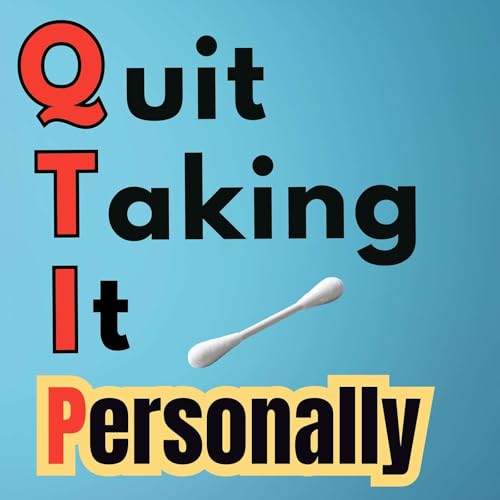
  • Q-TIP: Why Their Behavior Isn't About You (And How to Protect Your Peace)
    Mar 8 2026

    Are you exhausted by your child's public meltdowns, your teenager's attitude, or your partner's sudden bad moods? What if I told you that their behavior has absolutely nothing to do with you?

    In this episode of the PAWsitive Choices Podcast, we're exploring the brain science and psychology behind why we get so triggered by other people's overflow. We are learning how to Q-TIP (Quit Taking It Personally) so we can stop reacting to the person and start responding to the underlying need.

    🎥 Prefer to watch? Catch the full video version of this episode on YouTube: https://youtu.be/ZJtE1osUOvM?si=YIi5AnXkwVaod9dU

    🎁 FREE RESOURCE: Need a reminder in the heat of the moment? Download your free Q-TIP Cheat Sheet to keep on your fridge or save to your phone! 👉 https://www.pawsitivechoices.com/freebies

    Key Takeaways from this Episode:

    • The 18-40-60 Rule: Why you need to let go of the "imaginary audience" and stop worrying about what people think of you
    • The Fundamental Attribution Error: Why we judge others' bad behavior as a character flaw, while excusing our own
    • Q-TIP: How to recognize when a child or adult is operating outside their Window of Tolerance and why you cannot control their dysregulation
    • The Generous Assumption & "Let Them": How to hold emotional boundaries without absorbing someone else's bad mood
    • Bids for Connection: How a simple request for pizza (shoutout to Pizza Mondo in Bend!) was a profound relationship test
    • Enduring Vulnerabilities & The Golden Question: Why trauma pioneer Pete Walker's concept of asking "WHEN are you?" will change how you view your partner's triggers

    Resources & Mentions in this Episode:

    • Dr. Daniel Amen (The 18-40-60 Rule)
    • Mr. Chazz (Parenting Educator)
    • Brené Brown (The Most Generous Assumption)
    • Mel Robbins (The "Let Them" Theory)
    • Dr. John Gottman (Bids for Connection & Enduring Vulnerabilities)
    • Find all our SEL curriculum and resources at https://www.pawsitivechoices.com

    Next Time on the Podcast: Now that you know how to stop taking it personally... what do you actually do in the middle of a meltdown? Tune in next time as we dive into the 3 C's: Connect, Calm, and Collaborate!

    Más Menos
    18 m
  • You Aren't Failing, Your Brain is Just Full (The Pom-Pom Jar)
    Feb 26 2026

    Are you beating yourself up for dropping your New Year's resolutions? Are you losing your patience over tiny things and feeling guilty about it? It’s not because you're failing—it’s because your brain is at capacity.

    In this episode, we are talking about self-compassion, cognitive capacity, and how to give yourself (and your kids) grace when the demands of your environment exceed what you feel like you can handle. I’m introducing the "Brain Capacity Jar" and sharing how you can apply these practical SEL tools to your own life and classroom.

    📺 WATCH THE VIDEO: Want to see the "Brain Capacity Jar" and the pom-pom demonstration in action? Watch the full video version of this episode on YouTube here: https://youtu.be/f4c5skw1ktk?si=8RzCkGExiQBhKl7e

    🎁 FREE RESOURCE: Download your printable Pawsitive Choices "Brain Check-In" Guide here: https://www.pawsitivechoices.com/freebies

    In this episode, we cover:

    • The mid-February slump & Dr. Kristin Neff’s 3 components of Self-Compassion
    • Dr. Ross Greene’s capacity equation: Why we (and our kids!) do well if we can
    • The Glitter Brain (State) vs. The Pom-Pom Jar (Capacity)
    • Real-life scripts to use out loud when your brain feels "mixed up"
    • How to ask for help and offload your pom-poms

    Mentioned in this episode:

    • Thank you to 4th-grade teacher Ryan Brazil for the jar inspiration
    • Dr. Kristin Neff’s Self-Compassion Research
    • Dr. Ross Greene’s Collaborative & Proactive Solutions
    • Find all our SEL curriculum and resources at https://www.pawsitivechoices.com/


    Más Menos
    20 m
  • The Heart of Resilience: Trauma-Responsive Lessons from Paper Tigers with Jim Sporleder
    Jan 1 2026

    Resilience is not just a buzzword; it is a life-changing practice rooted in the power of human connection. In 2015, the documentary Paper Tigers changed the conversation about education and childhood trauma forever, and today, those lessons are more vital than ever.

    📺 Watch the full video version on YouTube!

    In this special episode of the PAWsitive Choices Podcast, I am joined by Jim Sporleder—the visionary principal featured in the film—for a deep dive into the heart of resilience and trauma-responsive leadership.

    Jim shares the moving story of how he led a revolution in school culture at Lincoln High School. After realizing the fundamental truth that "stressed brains can't learn," Jim and his team implemented trauma-responsive practices that led to a 75% decrease in fights and a five-fold increase in graduation rates. This interview captures Jim's unwavering belief that every child is just one caring adult away from a different future.

    In this episode, we explore:

    • The Power of One: Jim’s core philosophy that a single, stable, and caring relationship is one of the most powerful tools we have to build resilience in the face of adversity.
    • From Informed to Responsive: Practical insights on moving beyond "trauma-informed" theory to creating a school culture that prioritizes safety and student relationships.
    • Restorative Practices in Action: How to handle discipline in a way that maintains a student's sense of belonging and dignity while fostering learning and accountability.
    • Student Achievement through Connection: Why focusing on a child's emotional well-being is one of the most effective ways to unlock their academic potential.

    Key Takeaways from Jim:

    • Safety First: Learning cannot happen if a student does not feel physically and emotionally safe.
    • The Behavior is a Symptom: Looking past the "acting out" to see the toxic stress or trauma that is driving the reaction.
    • Never Give Up: The importance of being the "one" who refuses to walk away from a struggling student.

    Resources & Links:

    • Watch the Film: Paper Tigers Documentary on Amazon
    • Read the Book: The Trauma-Informed School: A Step-by-Step Implementation Guide by Jim Sporleder
    • Connect with Jim: Jim Sporleder Consulting Official Website
    Más Menos
    34 m
Todavía no hay opiniones