

Why Minivans Are Winning Again, AI Won’t Replace Seatbelts Yet, and Elevators Cost a Fortune
No se pudo agregar al carrito
Add to Cart failed.
Error al Agregar a Lista de Deseos.
Error al eliminar de la lista de deseos.
Error al añadir a tu biblioteca
Error al seguir el podcast
Error al dejar de seguir el podcast

Why Minivans Are Winning Again, AI Won’t Replace Seatbelts Yet, and Elevators Cost a Fortune
-
Narrado por:
-
De:
Drop me a text and let me know what you think of this episode!
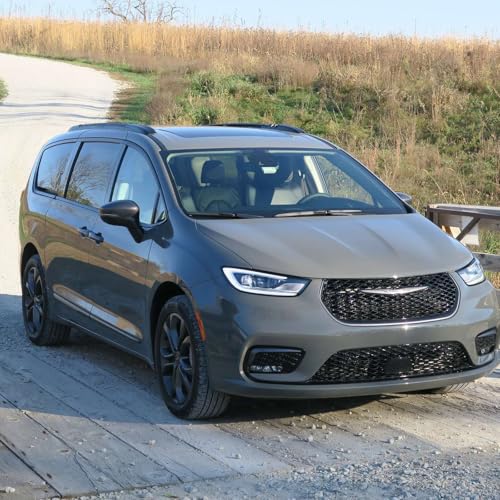
Forget the hype cycle—let’s talk about what actually moves people and markets. We start with a comeback story no one saw coming: minivans. After years of SUV dominance, buyers are rediscovering why sliding doors and low floors beat lifted ride heights and tiny cargo openings. We break down the latest sales spikes in the U.S. and Canada, explain why Toyota’s hybrid Sienna and Chrysler’s Pacifica are leading, and show how the core use cases—grandparents on long road trips, gig workers stacking deliveries, DIYers loading 4x8 sheets—are fueling new demand. Practical wins when they make daily life easier.
From there, we stress-test a headline claim: that AI will reduce crashes more than the seat belt. We examine where advanced driver-assistance systems still fall short—poor speed-limit readings, nagging monitoring, and inconsistent lane logic—and why even great software faces slow adoption in a 250 million-vehicle fleet. Add regulatory gray areas, cybersecurity risk, and the need for a consistent human in the loop, and bold predictions look premature. AI can absolutely augment safer driving, but we separate measurable gains from marketing gloss and explain what it will take to earn trust on real roads.
We close by taking an elevator into a cost puzzle. Why does installing one in North America cost three to four times as much as in peer countries? The answer lies in fragmented codes, larger mandated car sizes, a concentrated vendor landscape, and a tight, highly unionized technician pipeline. The downstream effect is fewer elevators in small and mid-rise buildings, reduced accessibility, and higher construction costs. We map the incentives at play and point to fixes—standard harmonization, talent pipelines, and performance-based regulation—that lower costs without sacrificing safety.
If you care about mobility that works—from family hauling to safer streets to accessible buildings—this conversation offers data, trade insights, and field experience you won’t find in headlines. Subscribe to The TechMobility Podcast, share it with a friend who loves practical design, and leave a review with your take: minivan, SUV, or wagon—and why?
Support the show
Be sure to tell your friends to tune in to The TechMobility Podcast!