"Why Do They Hate Us?" CNN's Bianna Golodryga on Fighting Antisemitism in Schools Podcast Por  arte de portada

"Why Do They Hate Us?" CNN's Bianna Golodryga on Fighting Antisemitism in Schools

"Why Do They Hate Us?" CNN's Bianna Golodryga on Fighting Antisemitism in Schools

Escúchala gratis

Ver detalles del espectáculo
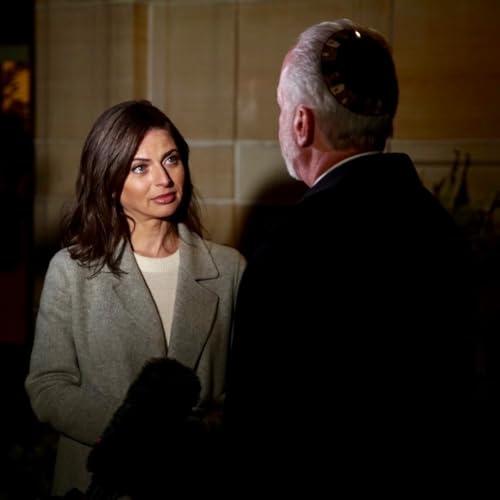
In this special episode, host Manya Brachear Pashman welcomes a co-host: her 11-year-old son, Max. Together, they sit down with Emmy-winning CNN anchor Bianna Golodryga to discuss her new novel, Don't Feed the Lion. Co-written with Yonit Levy, the book tackles the viral contagion of antisemitism in schools. From the pressure of being the only Jewish kid in class to the stress of Bar Mitzvah prep, this multi-generational conversation explores the void in modern education and the power of empathy. A rare, heartwarming, and urgent bridge between the newsroom and the classroom, this discussion is a must-listen for parents, educators, and anyone looking to understand the next generation's fight against hate. A Note to Our Listeners: As we head into 2026, People of the Pod will be taking a pause. After eight years of sharing your stories, we are contemplating our next chapter. Thank you for being part of this journey. *The views and opinions expressed by guests do not necessarily reflect the views or position of AJC. Key Resources: AJC's Center for Education Advocacy Confronting Antisemitism In Our Schools: A Toolkit for Parents of Jewish K-12 Students FAQs for Parents of K-12 Jewish Students Listen – AJC Podcasts: Architects of Peace The Forgotten Exodus People of the Pod Follow People of the Pod on your favorite podcast app, and learn more at AJC.org/PeopleofthePod You can reach us at: peopleofthepod@ajc.org If you've appreciated this episode, please be sure to tell your friends, and rate and review us on Apple Podcasts or Spotify. Transcript of the Interview: Manya Brachear Pashman: Bianna Golodryga is an Emmy award winning news anchor for CNN, who has reported extensively on the October 7 Hamas terror attack on Israel and Russia's invasion of Ukraine. She is a mother and she is now a published novelist. Co-written with leading Israeli news anchor Yonit Levy, Don't Feed the Lion is about how the rise of antisemitism affects Theo, his sister Annie, and their friends Gabe and Connor, all students in a Chicago middle school, and it was written with middle schoolers in mind. Bianna is with us now to discuss the book, along with my co-anchor this week, my son Max, a middle schooler who read the book as well and has a few questions of his own. I will let Max do the honors. Max Pashman: Bianna, welcome to People of the Pod. Bianna Golodryga: Well, it is a joy to be with you Manya, and especially you, Max. We wrote the book for you, for you and your peers especially. So really excited to hear your thoughts on the book. Manya Brachear Pashman: Well, I want to know, Bianna, what prompted you to write this book? Was it the mother in you or the journalist or a little bit of both? Bianna Golodryga: It was definitely a little bit of both. It was the mother in me, initially, where the idea was first launched and the seed planted even before October 7. You know, sadly, antisemitism has been with us for millennia, but I never thought that I would be having these conversations with my own kids in the city, with the largest Jewish community and population outside of Israel. But you'll recall that there were a few high profile antisemitic social media posts and controversies surrounding Kanye West and then Kyrie Irving, who's a famous NBA player at the time, and my son, who was 10 at the time, a huge sports fan, and was very upset about the fact that not only were these comments made and these posts made, but there was really no accountability for them. There was no consequence. Ultimately, Kyrie Irving was suspended for a few games, but there was just a deluge of news surrounding this. People apologizing for him, but not him apologizing for himself. So my son asked as we were on our way to a basketball game to watch Kyrie play. Asked, why do they hate us? Can I not even go to the game? Does he not want me there? And I really was dumbfounded. I didn't know how to respond. And I said, you know, I don't have the answer for that, but I'm going to reach out to your school, because I'm sure this is something that they're addressing and dealing with and have the resources for. This was after the murder of George Floyd, and so we had already witnessed all of the investments, thankfully, into resources for our kids, and conversations, both at schools and the workforce, about racism, how to deal with racism, how to spot and identify it, other forms of hate. And I just assumed that that would include antisemitism. But when I reached out to the school and asked, you know, what are they doing on antisemitism, the response stunned me. I mean, it's basically nothing. And so as I said, the seed was planted that we really need to do something about this. There's a real void here. And then, of course, when the attacks of October 7 happened, you know, Yonit and I were on the phone and messaging every single day right after. And it was pretty quick, maybe two weeks later, when, you know, we'd already started seeing an uptick in ...
Todavía no hay opiniones