

Volkswagen ID. Buzz Stalls, Polestar 3 Shines, Foxconn Scales Up, and Mitsubishi Searches for Relevance
No se pudo agregar al carrito
Add to Cart failed.
Error al Agregar a Lista de Deseos.
Error al eliminar de la lista de deseos.
Error al añadir a tu biblioteca
Error al seguir el podcast
Error al dejar de seguir el podcast

Volkswagen ID. Buzz Stalls, Polestar 3 Shines, Foxconn Scales Up, and Mitsubishi Searches for Relevance
-
Narrado por:
-
De:
Drop me a text and let me know what you think of this episode!
A cult icon priced out of reach, a luxury EV that thrills and frustrates, and a contract manufacturing giant betting big on batteries—this one threads the real story of where electric mobility stands right now. We start with the Volkswagen ID Buzz, a vehicle that should have owned family EV nostalgia but ran into U.S. pricing, tariffs, and demand headwinds. Skipping the 2026 model year isn’t surrender; it’s a hard reset that only works if VW aligns content and cost with the $40–50K sweet spot and clears dealer inventory without draining brand heat.
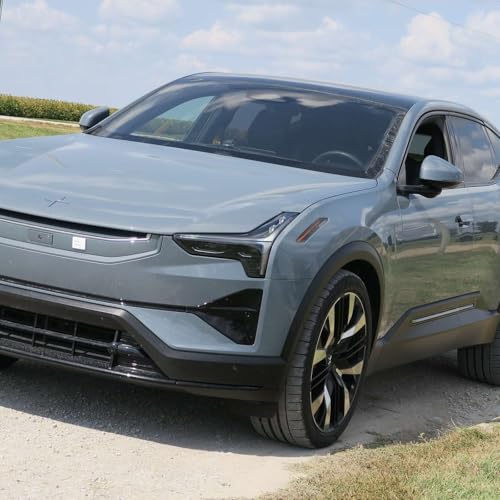
From there, we jump into a full review of the Polestar 3. It’s quick, planted, and comfortable on long drives, with one-pedal grace and a minimalist cabin that feels genuinely premium. Yet living with it isn’t as effortless as the badge suggests: start-up quirks, menu-heavy controls, uneven speed-limit data, and no spare tire undercut daily confidence. The good news is meaningful price cuts, a strong range for the class, serious towing for an EV SUV, and over-the-air updates that can smooth the edges. If Polestar streamlines UX, this becomes a segment benchmark.
Then we widen the lens. GM’s multi-nameplate EV strategy shows why scale matters: costs fall, ranges rise, and the lineup stays credible while others pull back. Ford’s pause on a pure EV truck might save cash now but risks long-term leadership with innovation-first buyers. And quietly, Foxconn is assembling the most intriguing play in the room—homologating a U.S.-bound EV, standardizing battery plants on four-year timelines, and offering turnkey platforms that legacy brands can badge and sell. That’s the smartphone supply chain model coming to the auto industry.
We close with Mitsubishi: a brand with a history, dealers under strain, and a path forward only if its product, pricing, and partnerships align. A credible sub-$25K entry, a modern compact SUV, and a smart plug-in strategy could reintroduce the brand to buyers who barely know it’s here. The EV transition isn’t a cliff; it’s a climb. The winner's prize for reality, design for daily life, and keep building even when the headlines wobble.
If this breakdown sharpened your view of where mobility is headed, follow The TechMobility Show, share it with a friend, and drop your take—who’s making the smartest bet right now?
Support the show
Be sure to tell your friends to tune in to The TechMobility Podcast!