Episodios

  • 037 - Chap 12 - From Magic to Chemistry and Physics - Section 2
    Feb 14 2026
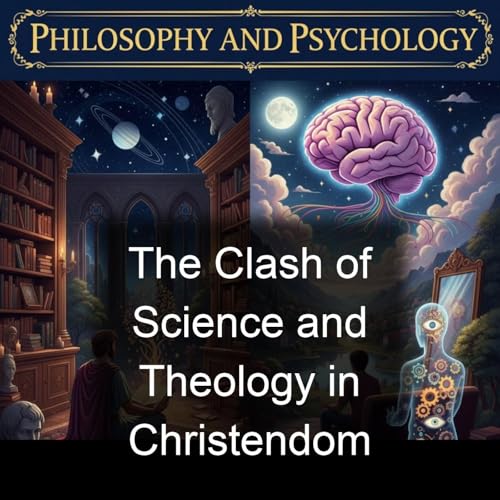
    In the 21st Century, weve witnessed a significant resurgence of skepticism towards science, particularly among Evangelicals. However, this conflict between science and religion is far from new. In the late 1800s, author Andrew Dickson White asserted that any interference with science in the name of religion, regardless of intent, has historically led to dire consequences for both realms. Conversely, he argued that unimpeded scientific inquiry, even when seemingly threatening to religious beliefs, ultimately fosters the greatest advancements for both science and faith. In this volume, White chronicles the gradual liberation of science from theological constraints across various fields. Yet, his work has faced criticism from modern scholars. Historian Ronald Numbers has pointed out that Whites narratives often lean more towards propaganda than accurate history. Notably, Mark Twain regarded this book highly, marking his personal copy with extensive notes, as he found it illuminating how earlier theologians often lacked sound reasoning. This recording omits Whites extensive reference notes, which are available in the original transcription at the Gutenberg Project link https//www.gutenberg.org/ebooks/505
    Más Menos
    27 m
  • 036 - Chap 12 - From Magic to Chemistry and Physics - Section 1
    Feb 13 2026
    In the 21st Century, weve witnessed a significant resurgence of skepticism towards science, particularly among Evangelicals. However, this conflict between science and religion is far from new. In the late 1800s, author Andrew Dickson White asserted that any interference with science in the name of religion, regardless of intent, has historically led to dire consequences for both realms. Conversely, he argued that unimpeded scientific inquiry, even when seemingly threatening to religious beliefs, ultimately fosters the greatest advancements for both science and faith. In this volume, White chronicles the gradual liberation of science from theological constraints across various fields. Yet, his work has faced criticism from modern scholars. Historian Ronald Numbers has pointed out that Whites narratives often lean more towards propaganda than accurate history. Notably, Mark Twain regarded this book highly, marking his personal copy with extensive notes, as he found it illuminating how earlier theologians often lacked sound reasoning. This recording omits Whites extensive reference notes, which are available in the original transcription at the Gutenberg Project link https//www.gutenberg.org/ebooks/505
    Más Menos
    1 h y 13 m
  • 035 - Chap 11 - Section 4 - Franklin's Lightning Rod
    Feb 12 2026
    In the 21st Century, weve witnessed a significant resurgence of skepticism towards science, particularly among Evangelicals. However, this conflict between science and religion is far from new. In the late 1800s, author Andrew Dickson White asserted that any interference with science in the name of religion, regardless of intent, has historically led to dire consequences for both realms. Conversely, he argued that unimpeded scientific inquiry, even when seemingly threatening to religious beliefs, ultimately fosters the greatest advancements for both science and faith. In this volume, White chronicles the gradual liberation of science from theological constraints across various fields. Yet, his work has faced criticism from modern scholars. Historian Ronald Numbers has pointed out that Whites narratives often lean more towards propaganda than accurate history. Notably, Mark Twain regarded this book highly, marking his personal copy with extensive notes, as he found it illuminating how earlier theologians often lacked sound reasoning. This recording omits Whites extensive reference notes, which are available in the original transcription at the Gutenberg Project link https//www.gutenberg.org/ebooks/505
    Más Menos
    23 m
  • 034 - Chap 11 - Section 3 - The Agency of Witches
    Feb 11 2026
    In the 21st Century, weve witnessed a significant resurgence of skepticism towards science, particularly among Evangelicals. However, this conflict between science and religion is far from new. In the late 1800s, author Andrew Dickson White asserted that any interference with science in the name of religion, regardless of intent, has historically led to dire consequences for both realms. Conversely, he argued that unimpeded scientific inquiry, even when seemingly threatening to religious beliefs, ultimately fosters the greatest advancements for both science and faith. In this volume, White chronicles the gradual liberation of science from theological constraints across various fields. Yet, his work has faced criticism from modern scholars. Historian Ronald Numbers has pointed out that Whites narratives often lean more towards propaganda than accurate history. Notably, Mark Twain regarded this book highly, marking his personal copy with extensive notes, as he found it illuminating how earlier theologians often lacked sound reasoning. This recording omits Whites extensive reference notes, which are available in the original transcription at the Gutenberg Project link https//www.gutenberg.org/ebooks/505
    Más Menos
    31 m
  • 033 - Chap 11 - Section 2 - Diabolical Agency in Storms
    Feb 10 2026
    In the 21st Century, weve witnessed a significant resurgence of skepticism towards science, particularly among Evangelicals. However, this conflict between science and religion is far from new. In the late 1800s, author Andrew Dickson White asserted that any interference with science in the name of religion, regardless of intent, has historically led to dire consequences for both realms. Conversely, he argued that unimpeded scientific inquiry, even when seemingly threatening to religious beliefs, ultimately fosters the greatest advancements for both science and faith. In this volume, White chronicles the gradual liberation of science from theological constraints across various fields. Yet, his work has faced criticism from modern scholars. Historian Ronald Numbers has pointed out that Whites narratives often lean more towards propaganda than accurate history. Notably, Mark Twain regarded this book highly, marking his personal copy with extensive notes, as he found it illuminating how earlier theologians often lacked sound reasoning. This recording omits Whites extensive reference notes, which are available in the original transcription at the Gutenberg Project link https//www.gutenberg.org/ebooks/505
    Más Menos
    33 m
  • 032 - Chap 11 - From The Prince of the Power of the Air to Meteorology - Section 1 - Growth of a Theologic
    Feb 9 2026
    In the 21st Century, weve witnessed a significant resurgence of skepticism towards science, particularly among Evangelicals. However, this conflict between science and religion is far from new. In the late 1800s, author Andrew Dickson White asserted that any interference with science in the name of religion, regardless of intent, has historically led to dire consequences for both realms. Conversely, he argued that unimpeded scientific inquiry, even when seemingly threatening to religious beliefs, ultimately fosters the greatest advancements for both science and faith. In this volume, White chronicles the gradual liberation of science from theological constraints across various fields. Yet, his work has faced criticism from modern scholars. Historian Ronald Numbers has pointed out that Whites narratives often lean more towards propaganda than accurate history. Notably, Mark Twain regarded this book highly, marking his personal copy with extensive notes, as he found it illuminating how earlier theologians often lacked sound reasoning. This recording omits Whites extensive reference notes, which are available in the original transcription at the Gutenberg Project link https//www.gutenberg.org/ebooks/505
    Más Menos
    32 m
  • 031 - Chap 10 - The Fall of Man and History
    Feb 9 2026
    In the 21st Century, weve witnessed a significant resurgence of skepticism towards science, particularly among Evangelicals. However, this conflict between science and religion is far from new. In the late 1800s, author Andrew Dickson White asserted that any interference with science in the name of religion, regardless of intent, has historically led to dire consequences for both realms. Conversely, he argued that unimpeded scientific inquiry, even when seemingly threatening to religious beliefs, ultimately fosters the greatest advancements for both science and faith. In this volume, White chronicles the gradual liberation of science from theological constraints across various fields. Yet, his work has faced criticism from modern scholars. Historian Ronald Numbers has pointed out that Whites narratives often lean more towards propaganda than accurate history. Notably, Mark Twain regarded this book highly, marking his personal copy with extensive notes, as he found it illuminating how earlier theologians often lacked sound reasoning. This recording omits Whites extensive reference notes, which are available in the original transcription at the Gutenberg Project link https//www.gutenberg.org/ebooks/505
    Más Menos
    32 m
  • 030 - Chap 9 - The Fall of Man and Ethnology
    Feb 9 2026
    In the 21st Century, weve witnessed a significant resurgence of skepticism towards science, particularly among Evangelicals. However, this conflict between science and religion is far from new. In the late 1800s, author Andrew Dickson White asserted that any interference with science in the name of religion, regardless of intent, has historically led to dire consequences for both realms. Conversely, he argued that unimpeded scientific inquiry, even when seemingly threatening to religious beliefs, ultimately fosters the greatest advancements for both science and faith. In this volume, White chronicles the gradual liberation of science from theological constraints across various fields. Yet, his work has faced criticism from modern scholars. Historian Ronald Numbers has pointed out that Whites narratives often lean more towards propaganda than accurate history. Notably, Mark Twain regarded this book highly, marking his personal copy with extensive notes, as he found it illuminating how earlier theologians often lacked sound reasoning. This recording omits Whites extensive reference notes, which are available in the original transcription at the Gutenberg Project link https//www.gutenberg.org/ebooks/505
    Más Menos
    16 m