


The Bill Board, a Numismatic Journey with Banknotes
No se pudo agregar al carrito
Solo puedes tener X títulos en el carrito para realizar el pago.
Add to Cart failed.
Por favor prueba de nuevo más tarde
Error al Agregar a Lista de Deseos.
Por favor prueba de nuevo más tarde
Error al eliminar de la lista de deseos.
Por favor prueba de nuevo más tarde
Error al añadir a tu biblioteca
Por favor intenta de nuevo
Error al seguir el podcast
Intenta nuevamente
Error al dejar de seguir el podcast
Intenta nuevamente

The Bill Board, a Numismatic Journey with Banknotes
-
Narrado por:
-
De:
-
Tim Baker
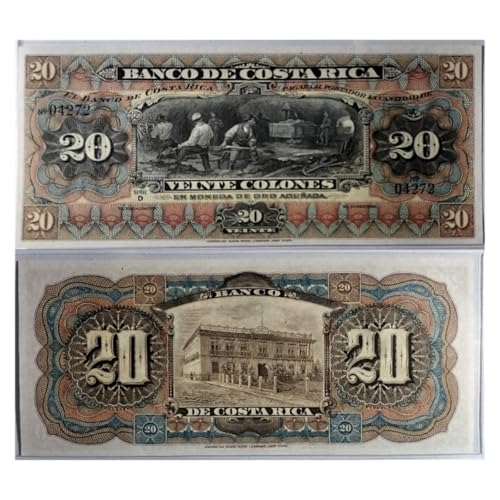
We will explore a wide number of topics, all dealing with banknotes. For individual banknotes, we will explore the history around the issuance of the banknote, including the series it belongs to, the images on the obverse and reverse, and their history, social, and numismatic implications. We will review all the key numismatic information, including the security details, the composition, serial and other identification numbers, and the latest market information. The goal is to appreciate what each banknote means and represents, not just the collecting value.
Episodios
-
 36 m
36 mNo se pudo agregar al carrito
Solo puedes tener X títulos en el carrito para realizar el pago.Add to Cart failed.
Por favor prueba de nuevo más tardeError al Agregar a Lista de Deseos.
Por favor prueba de nuevo más tardeError al eliminar de la lista de deseos.
Por favor prueba de nuevo más tardeError al añadir a tu biblioteca
Por favor intenta de nuevoError al seguir el podcast
Intenta nuevamenteError al dejar de seguir el podcast
Intenta nuevamente -
 25 m
25 mNo se pudo agregar al carrito
Solo puedes tener X títulos en el carrito para realizar el pago.Add to Cart failed.
Por favor prueba de nuevo más tardeError al Agregar a Lista de Deseos.
Por favor prueba de nuevo más tardeError al eliminar de la lista de deseos.
Por favor prueba de nuevo más tardeError al añadir a tu biblioteca
Por favor intenta de nuevoError al seguir el podcast
Intenta nuevamenteError al dejar de seguir el podcast
Intenta nuevamente -
 30 m
30 mNo se pudo agregar al carrito
Solo puedes tener X títulos en el carrito para realizar el pago.Add to Cart failed.
Por favor prueba de nuevo más tardeError al Agregar a Lista de Deseos.
Por favor prueba de nuevo más tardeError al eliminar de la lista de deseos.
Por favor prueba de nuevo más tardeError al añadir a tu biblioteca
Por favor intenta de nuevoError al seguir el podcast
Intenta nuevamenteError al dejar de seguir el podcast
Intenta nuevamente
Todavía no hay opiniones