Episodios

  • King’s Counsel Andrew Pilgrim: The Case That Forced Barbados to Record Interrogations
    Dec 30 2025
    King’s Counsel Andrew Pilgrim breaks down how Barbados nearly railroaded an innocent man — even after the victims said police arrested the wrong suspect. Pilgrim has spent 32 years defending the accused and challenging convictions built on shaky confessions. He tells the unbelievable story of Derrick Crawford: two tourist victims went to police and court to say the man charged was not their attacker, yet the case kept moving and Crawford stayed locked up. Pilgrim explains why this happens in small Caribbean states—pressure to “solve” high-profile crimes fast, overreliance on confession evidence, and a culture that treats police narratives as truth. He also walks through Haynes and Edwards, a murder case where the only real evidence was a disputed, unrecorded confession. That case reached the Caribbean Court of Justice and helped force a major shift: Barbados finally moved toward mandatory audio-video recording of interrogations in serious cases, cutting down the space for coercion, fabrication, and “he said, they said” convictions. Key Themes ➤ How confession-driven policing fuels wrongful convictions ➤ Why “solve it fast” pressure leads to bad arrests and prosecutions ➤ The Derrick Crawford case: victims tried to free the accused ➤ Haynes & Edwards and the CCJ’s warning on confession-only cases ➤ Why recording interrogations changes everything ➤ Judge-alone trials, jury reform, and shrinking bail in the region ➤ Remand time credit, plea deals, and the push for real evidence Chapter Breakdown 00:00 — Victims Say “Wrong Man” 03:49 — Confessions Ran the System 07:09 — How Crawford Became the Target 10:31 — Why the Case Kept Going 14:11 — Rare Exoneration: Child Returns 15:46 — CCJ: False Confessions Are Real 16:21 — Haynes & Edwards Explained 18:49 — CCJ Raises the Evidence Bar 20:28 — Barbados Finally Records Interviews 21:48 — Juries, Bail, and Backlog Fights Brought to you by⁠⁠⁠⁠⁠ ⁠⁠⁠⁠⁠⁠The Wave⁠⁠⁠⁠⁠⁠⁠⁠⁠⁠⁠ on⁠⁠⁠⁠⁠ ⁠⁠⁠⁠⁠⁠The Frequency Network⁠⁠⁠⁠⁠⁠⁠⁠⁠⁠⁠. Connect with Andrew Pilgrim https://kctchambers.com/our-team-2/ https://dm.linkedin.com/in/andrew-pilgrim-b962855b More About Andrew Wildes Explore the work of⁠⁠⁠⁠⁠ ⁠⁠⁠⁠⁠⁠Andrew Wildes⁠⁠⁠⁠⁠⁠⁠⁠⁠⁠⁠—Jamaican lawyer, journalist, and host of Stuck: Wrongful Convictions in Jamaica. His mission is to expose systemic injustice, amplify the voices of the wrongfully imprisoned, and drive meaningful legal reform through storytelling and advocacy. ⁠⁠⁠⁠⁠⁠⁠⁠⁠⁠⁠Website⁠⁠⁠⁠⁠⁠⁠ ⁠⁠⁠⁠⁠⁠⁠⁠⁠⁠⁠Instagram⁠⁠⁠⁠⁠⁠⁠⁠⁠⁠⁠ ⁠⁠⁠⁠⁠⁠⁠⁠⁠⁠⁠LinkedIn⁠⁠⁠⁠⁠⁠⁠⁠⁠⁠⁠ ⁠⁠⁠⁠⁠⁠⁠⁠⁠⁠⁠Facebook⁠⁠⁠⁠⁠⁠⁠⁠⁠⁠⁠ ⁠⁠⁠⁠⁠⁠⁠⁠⁠⁠⁠YouTube⁠⁠⁠⁠⁠⁠⁠⁠⁠⁠⁠ For updates, insights, and behind-the-scenes content, follow Andrew across platforms and join the conversation on justice in Jamaica. Production, Distribution, and Marketing Produced by⁠⁠⁠⁠⁠ ⁠⁠⁠⁠⁠⁠Massif Studio & Production⁠⁠⁠⁠⁠⁠⁠⁠⁠⁠⁠ and⁠⁠⁠⁠⁠ ⁠⁠⁠⁠⁠⁠The Tallawah Group⁠⁠⁠⁠⁠⁠⁠⁠⁠⁠⁠. ⁠⁠⁠⁠⁠⁠⁠⁠⁠⁠⁠Massif Studio Website⁠⁠⁠⁠⁠⁠⁠ ⁠⁠⁠⁠⁠⁠⁠⁠⁠⁠⁠Massif on LinkedIn⁠⁠⁠⁠⁠⁠⁠ ⁠⁠⁠⁠⁠⁠⁠⁠⁠⁠⁠Tallawah Website⁠⁠⁠⁠⁠⁠⁠⁠⁠ For inquiries/sponsoring: email ⁠⁠⁠⁠⁠hello@MassifKroo.com Learn more about your ad choices. Visit megaphone.fm/adchoices
    Más Menos
    38 m
  • Bonus: Krista Mason-Smith on the Privy Council Reversal and Custody Reform in the Bahamas
    Nov 25 2025
    Bonus episode today: Bahamian defense lawyer Krista Mason-Smith breaks down a landmark Privy Council wrongful-conviction reversal. She explains how custody abuse and inconsistent confession evidence derailed justice, why prosecutors dropped related charges, and how recordings and early access to counsel are shifting Caribbean policing. A must-listen on reform and accountability. Learn more about your ad choices. Visit megaphone.fm/adchoices
    Más Menos
    29 m
  • He Confessed to a Murder He Didn’t Commit | The Vincent Ariste Case
    Oct 30 2025
    When veteran Jamaican journalist Lloyd B. Smith admitted he once pled guilty to a traffic offense he didn’t commit, it sparked a deeper question: why would anyone confess to something they didn’t do? That question sits at the heart of a shocking case from the Bahamas—one that exposed how false confessions can destroy lives. In July 2010, 20-year-old Vincent Ariste was arrested—not because he was a suspect, but because police couldn’t find his brother. Days later, without a lawyer and while in custody, he confessed to multiple serious crimes, including robbery and murder. There was no evidence against him except his own words. Those “confessions” led to 12 lost years behind bars—until Bahamian attorney Krista Mason-Smith fought to have his conviction overturned before the UK’s Privy Council. In this episode, host Andrew Wildes unpacks how a system built to protect can instead coerce, how the absence of legal counsel and recording safeguards can lead to devastating injustice, and how one lawyer’s persistence changed the trajectory of Caribbean jurisprudence on wrongful convictions. Content Note: References to police violence, coerced confessions, imprisonment, and wrongful conviction. Key Themes ➤ Why people confess to crimes they didn’t commit➤ How lack of legal representation enables false confessions➤ The significance of the Privy Council’s ruling in Ariste’s case➤ The shift in the Bahamas toward recording police interrogations➤ The role of defense counsel in protecting human rights Chapters (00:00) Would You Lie on Yourself? (02:00) The Arrest of Vincent Ariste (04:00) Confessions Without Evidence (06:00) The Voir Dire and Legal Oversight (09:00) The Court of Appeal’s Three-Paragraph Ruling (12:00) The Privy Council Steps In (16:00) Krista Mason-Smith Joins the Case (20:00) Police Culture and Reform in the Bahamas (24:00) The Fight for Representation and Accountability (28:00) What This Means for Justice in the Caribbean Brought to you by⁠⁠⁠⁠ ⁠⁠⁠⁠⁠⁠The Wave⁠⁠⁠⁠⁠⁠⁠⁠⁠⁠ on⁠⁠⁠⁠ ⁠⁠⁠⁠⁠⁠The Frequency Network⁠⁠⁠⁠⁠⁠⁠⁠⁠⁠. Connect with Krista Mason-Smith Krista Mason-Smith | Managing Partner, Murio Dusseel & Co More About Andrew Wildes Explore the work of⁠⁠⁠⁠ ⁠⁠⁠⁠⁠⁠Andrew Wildes⁠⁠⁠⁠⁠⁠⁠⁠⁠⁠—Jamaican lawyer, journalist, and host of Stuck: Wrongful Convictions in Jamaica. His mission is to expose systemic injustice, amplify the voices of the wrongfully imprisoned, and drive meaningful legal reform through storytelling and advocacy. ⁠⁠⁠⁠⁠⁠⁠⁠⁠⁠Website⁠⁠⁠⁠⁠⁠ ⁠⁠⁠⁠⁠⁠⁠⁠⁠⁠Instagram⁠⁠⁠⁠⁠⁠⁠⁠⁠⁠ ⁠⁠⁠⁠⁠⁠⁠⁠⁠⁠LinkedIn⁠⁠⁠⁠⁠⁠⁠⁠⁠⁠ ⁠⁠⁠⁠⁠⁠⁠⁠⁠⁠Facebook⁠⁠⁠⁠⁠⁠⁠⁠⁠⁠ ⁠⁠⁠⁠⁠⁠⁠⁠⁠⁠YouTube⁠⁠⁠⁠⁠⁠⁠⁠⁠⁠ For updates, insights, and behind-the-scenes content, follow Andrew across platforms and join the conversation on justice in Jamaica. Production, Distribution, and Marketing Produced by⁠⁠⁠⁠ ⁠⁠⁠⁠⁠⁠Massif Studio & Production⁠⁠⁠⁠⁠⁠⁠⁠⁠⁠ and⁠⁠⁠⁠ ⁠⁠⁠⁠⁠⁠The Tallawah Group⁠⁠⁠⁠⁠⁠⁠⁠⁠⁠. ⁠⁠⁠⁠⁠⁠⁠⁠⁠⁠Massif Studio Website⁠⁠⁠⁠⁠⁠ ⁠⁠⁠⁠⁠⁠⁠⁠⁠⁠Massif on LinkedIn⁠⁠⁠⁠⁠⁠ ⁠⁠⁠⁠⁠⁠⁠⁠⁠⁠Tallawah Website⁠⁠⁠⁠⁠⁠⁠⁠ For inquiries/sponsoring: email ⁠⁠⁠⁠hello@MassifKroo.com Learn more about your ad choices. Visit megaphone.fm/adchoices
    Más Menos
    1 h y 16 m
  • Death Penalty on Trial: Trinidad’s Brent Winter on Wrongful Convictions
    Sep 29 2025
    A Trinidad attorney raised alarms after a simple conversation sparked a national question: what if innocent people are behind bars? Brent Winter began his career as a prison officer, spent a decade prosecuting cases, and now defends the accused. In 2020, after a friend in Jamaica asked him about Netflix’s The Innocence Files, he wrote to the Trinidad and Tobago Newsday warning that “police can kill a man in more ways than by placing a knee on his neck.” Winter’s experience revealed a troubling truth: wrongful convictions are almost invisible in the Caribbean. Existing legal avenues are narrow, reliant on recanted eyewitness testimony, and rarely successful. Without independent bodies like the UK’s Criminal Cases Review Commission, the system leaves innocent people with no real chance at justice—even as the death penalty remains on the books. Host Andrew Wildes examines how public indifference, political will, and systemic failures collide in Trinidad and the wider Caribbean, why wrongful convictions undermine true crime prevention, and why the debate on capital punishment cannot be separated from the risk of executing the innocent. Content note: References to wrongful conviction, imprisonment, police misconduct, prosecutorial misconduct, and the death penalty. Key Themes ➤ Why wrongful convictions in the Caribbean remain invisible ➤ The dangers of eyewitness testimony and recanted evidence ➤ The political and cultural barriers to reform in Trinidad and beyond ➤ How wrongful convictions undermine crime prevention ➤ The death penalty debate when innocence is not guaranteed Chapters 00:00 — Letter That Sparked a Debate 03:00 — From Prison Guard to Prosecutor 05:00 — Public Pushback on Innocence 08:00 — Why Appeals Rarely Succeed 11:30 — Lessons from the UK Model 13:30 — Crime, Politics, and Injustice 16:00 — Death Penalty and Wrongful Convictions 19:30 — Police Pressure and False IDs 22:00 — Need for Independent Review 24:30 — Disclosure Failures and Bias 28:00 — Plea Deals and Long Remand Times 30:00 — Call to Action for Reform Brought to you by⁠⁠⁠ ⁠⁠⁠⁠⁠⁠The Wave⁠⁠⁠⁠⁠⁠⁠⁠⁠ on⁠⁠⁠ ⁠⁠⁠⁠⁠⁠The Frequency Network⁠⁠⁠⁠⁠⁠⁠⁠⁠. Connect with Brent Winter Brent David Winter | LL.B, LEC, LLM Brent D. Winter - Attorney-at-Law in Private Practice More About Andrew Wildes Explore the work of⁠⁠⁠ ⁠⁠⁠⁠⁠⁠Andrew Wildes⁠⁠⁠⁠⁠⁠⁠⁠⁠—Jamaican lawyer, journalist, and host of Stuck: Wrongful Convictions in Jamaica. His mission is to expose systemic injustice, amplify the voices of the wrongfully imprisoned, and drive meaningful legal reform through storytelling and advocacy. ⁠⁠⁠⁠⁠⁠⁠⁠⁠Website⁠⁠⁠⁠⁠⁠⁠⁠⁠ ⁠⁠⁠⁠⁠⁠⁠⁠⁠Instagram⁠⁠⁠⁠⁠⁠⁠⁠⁠ ⁠⁠⁠⁠⁠⁠⁠⁠⁠LinkedIn⁠⁠⁠⁠⁠⁠⁠⁠⁠ ⁠⁠⁠⁠⁠⁠⁠⁠⁠Facebook⁠⁠⁠⁠⁠⁠⁠⁠⁠ ⁠⁠⁠⁠⁠⁠⁠⁠⁠YouTube⁠⁠⁠⁠⁠⁠⁠⁠⁠ For updates, insights, and behind-the-scenes content, follow Andrew across platforms and join the conversation on justice in Jamaica. Production, Distribution, and Marketing Produced by⁠⁠⁠ ⁠⁠⁠⁠⁠⁠Massif Studio & Production⁠⁠⁠⁠⁠⁠⁠⁠⁠ and⁠⁠⁠ ⁠⁠⁠⁠⁠⁠The Tallawah Group⁠⁠⁠⁠⁠⁠⁠⁠⁠. ⁠⁠⁠⁠⁠⁠⁠⁠⁠Massif Studio Website⁠⁠⁠⁠⁠⁠⁠⁠⁠ ⁠⁠⁠⁠⁠⁠⁠⁠⁠Massif on LinkedIn⁠⁠⁠⁠⁠⁠⁠⁠⁠ ⁠⁠⁠⁠⁠⁠⁠⁠⁠Tallawah Website⁠⁠⁠⁠⁠⁠⁠ For inquiries/sponsoring: email ⁠⁠⁠hello@MassifKroo.com Learn more about your ad choices. Visit megaphone.fm/adchoices
    Más Menos
    35 m
  • Dr. Dan Krane Explains How DNA Evidence Misleads Juries
    Sep 16 2025
    A Bermuda murder case unraveled under scrutiny. Julian Washington was convicted of killing Stefan Burgess, jurors persuaded that DNA on bullets was more reliable than any eyewitness. Prosecutors told them the odds were “1 in 46 million” that the DNA belonged to anyone else. With no defense expert to question the analysis, Washington was sentenced to life in prison. He spent ten years behind bars before outside intervention revealed the truth: the DNA interpretation was deeply flawed. Independent expert Dr. Dan Krane uncovered eight major errors, from “suspect-centric” testing to statistical misuse. His findings persuaded the UK’s Privy Council to overturn the conviction and force Bermuda to review more than 400 other cases tied to the same forensic lab. Host Andrew Wildes explores how flawed science and unchecked authority led to a decade lost, the systemic risks wrongful convictions pose in the Caribbean, and why access to independent expertise is essential to protect justice. Content note: References to gun violence, wrongful conviction, imprisonment, and systemic failures in access to justice. Key Themes ➤ DNA evidence as courtroom gold—and why it failed ➤ “Suspect-centric” interpretation and painting the bullseye ➤ Why courts defer to experts, even when they’re wrong ➤ The ripple effect: 400+ cases under review in Bermuda ➤ Access to experts as a safeguard, not a privilege Chapter Breakdown 00:00 — Case opens: Bermuda, Burgess shooting, and arrests 02:30 — DNA emerges as the decisive evidence 05:00 — Prosecution’s claim: 1 in 46 million odds 08:15 — Jury convicts, Washington gets life 11:00 — Appeal court calls the DNA “rock-solid” 13:30 — A decade served before new scrutiny 15:00 — Dr. Dan Krane steps in: eight fatal flaws 17:00 — “Suspect-centric” testing and confirmation bias 19:30 — Privy Council overturns conviction, orders release 21:00 — Lessons for the Caribbean: experts, access, and justice Brought to you by⁠⁠ ⁠⁠⁠⁠⁠⁠The Wave⁠⁠⁠⁠⁠⁠⁠⁠ on⁠⁠ ⁠⁠⁠⁠⁠⁠The Frequency Network⁠⁠⁠⁠⁠⁠⁠⁠. Connect with Dr. Dan Krane Dan E. Krane, Ph.D. Dan Krane - Interim Dean, Wright State University More About Andrew Wildes Explore the work of⁠⁠ ⁠⁠⁠⁠⁠⁠Andrew Wildes⁠⁠⁠⁠⁠⁠⁠⁠—Jamaican lawyer, journalist, and host of Stuck: Wrongful Convictions in Jamaica. His mission is to expose systemic injustice, amplify the voices of the wrongfully imprisoned, and drive meaningful legal reform through storytelling and advocacy. ⁠⁠⁠⁠⁠⁠⁠⁠Website⁠⁠⁠⁠⁠⁠⁠⁠ ⁠⁠⁠⁠⁠⁠⁠⁠Instagram⁠⁠⁠⁠⁠⁠⁠⁠ ⁠⁠⁠⁠⁠⁠⁠⁠LinkedIn⁠⁠⁠⁠⁠⁠⁠⁠ ⁠⁠⁠⁠⁠⁠⁠⁠Facebook⁠⁠⁠⁠⁠⁠⁠⁠ ⁠⁠⁠⁠⁠⁠⁠⁠YouTube⁠⁠⁠⁠⁠⁠⁠⁠ For updates, insights, and behind-the-scenes content, follow Andrew across platforms and join the conversation on justice in Jamaica. Production, Distribution, and Marketing Produced by⁠⁠ ⁠⁠⁠⁠⁠⁠Massif Studio & Production⁠⁠⁠⁠⁠⁠⁠⁠ and⁠⁠ ⁠⁠⁠⁠⁠⁠The Tallawah Group⁠⁠⁠⁠⁠⁠⁠⁠. ⁠⁠⁠⁠⁠⁠⁠⁠Massif Studio Website⁠⁠⁠⁠⁠⁠⁠⁠ ⁠⁠⁠⁠⁠⁠⁠⁠Massif on LinkedIn⁠⁠⁠⁠⁠⁠⁠⁠ ⁠⁠⁠⁠⁠⁠⁠⁠Tallawah Website⁠⁠⁠⁠⁠⁠ For inquiries/sponsoring: email ⁠⁠hello@MassifKroo.com Learn more about your ad choices. Visit megaphone.fm/adchoices
    Más Menos
    30 m
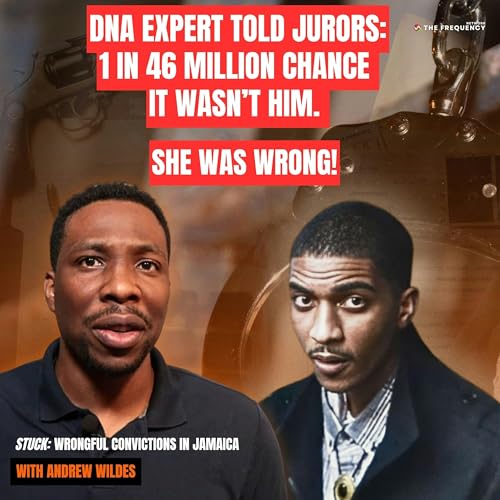
  • DNA Expert Told Jurors: 1 in 46 Million Chance It Wasn’t Him. She Was Wrong—Julian Washington Served 10 Years.
    Sep 5 2025
    A Bermuda shooting turned a young man into a convicted killer overnight. Jurors were told the DNA evidence was stronger than an eyewitness: a 1 in 46 million chance the bullets could have been touched by anyone but Julian Washington. With no defense expert to challenge the science, the prosecution’s narrative prevailed. Washington was sentenced to life, serving ten years before independent review exposed serious flaws in the DNA interpretation and forced his release. Host Andrew Wildes unpacks how a single expert’s testimony led to a decade lost, why “suspect-centric” DNA analysis undermined objectivity, the role of the Death Penalty Project in correcting injustice, and why access to independent experts is essential if the Caribbean is to prevent future wrongful convictions. Content note: References to gun violence, wrongful conviction, imprisonment, and systemic failures in access to justice. Key Themes ➤ DNA evidence as “bullet-proof” testimony—and why it wasn’t ➤ Suspect-centric interpretation and statistical misuse ➤ Appeals courts’ deference to expert authority ➤ The Death Penalty Project’s role in exoneration ➤ Access to experts as an issue of justice, not luxury Chapter Breakdown 00:00 — Bermuda, bullets, and the shooting of Stefan Burgess 02:30 — DNA at the scene; suspects rounded up 05:00 — Expert testimony: “1 in 46 million” odds 08:15 — Jury verdicts and a life sentence 11:00 — Court of Appeal calls DNA “rock-solid” 13:30 — Ten years in prison, then outside help 15:00 — Dr. Dan Krane reviews the case: eight flaws 17:00 — “Suspect-centric” testing and painting the bullseye 19:30 — Privy Council, immediate release, official reckoning 21:00 — Lessons: experts, imbalance, and access to justice Brought to you by⁠ ⁠⁠⁠⁠⁠⁠The Wave⁠⁠⁠⁠⁠⁠⁠ on⁠ ⁠⁠⁠⁠⁠⁠The Frequency Network⁠⁠⁠⁠⁠⁠⁠. More About Andrew Wildes Explore the work of⁠ ⁠⁠⁠⁠⁠⁠Andrew Wildes⁠⁠⁠⁠⁠⁠⁠—Jamaican lawyer, journalist, and host of Stuck: Wrongful Convictions in Jamaica. His mission is to expose systemic injustice, amplify the voices of the wrongfully imprisoned, and drive meaningful legal reform through storytelling and advocacy. ⁠⁠⁠⁠⁠⁠⁠Website⁠⁠⁠⁠⁠⁠⁠ ⁠⁠⁠⁠⁠⁠⁠Instagram⁠⁠⁠⁠⁠⁠⁠ ⁠⁠⁠⁠⁠⁠⁠LinkedIn⁠⁠⁠⁠⁠⁠⁠ ⁠⁠⁠⁠⁠⁠⁠Facebook⁠⁠⁠⁠⁠⁠⁠ ⁠⁠⁠⁠⁠⁠⁠YouTube⁠⁠⁠⁠⁠⁠⁠ For updates, insights, and behind-the-scenes content, follow Andrew across platforms and join the conversation on justice in Jamaica. Production, Distribution, and Marketing Produced by⁠ ⁠⁠⁠⁠⁠⁠Massif Studio & Production⁠⁠⁠⁠⁠⁠⁠ and⁠ ⁠⁠⁠⁠⁠⁠The Tallawah Group⁠⁠⁠⁠⁠⁠⁠. ⁠⁠⁠⁠⁠⁠⁠Massif Studio Website⁠⁠⁠⁠⁠⁠⁠ ⁠⁠⁠⁠⁠⁠⁠Massif on LinkedIn⁠⁠⁠⁠⁠⁠⁠ ⁠⁠⁠⁠⁠⁠⁠Tallawah Website⁠⁠⁠⁠⁠ For inquiries/sponsoring: email ⁠hello@MassifKroo.com Learn more about your ad choices. Visit megaphone.fm/adchoices
    Más Menos
    26 m
  • ACCUSED of the worst crime, they proved their innocence. Jamaica refuses to pay
    Aug 22 2025
    A notorious St. James case turned two young men into pariahs overnight. Lawyers wouldn’t touch it, judges hesitated on bail, and even after DNA excluded them, the stigma stuck. Defense attorney Lambert Johnson took the case, pushed for DNA testing, and watched the prosecution’s narrative unravel—yet more than a decade later, the brothers are still awaiting compensation while the state prepares to contest their civil claim at trial. Host Andrew Wildes sits down with Johnson to unpack why defense counsel matters in preventing wrongful convictions, how identification evidence can be compromised, what the DPP’s obligations are when DNA excludes defendants, and why “justice” delayed through years of administrative and legal resistance remains justice denied. Content note: References to sexual assault, detention, custodial violence, and prolonged legal proceedings. Key Themes ➤ Defense counsel’s duty—taking the “unpopular” case ➤ DNA as exculpatory evidence and prosecutorial obligations ➤ Bail decisions under public pressure and media heat ➤ ID parades, photo contamination, and witness fallibility ➤ Compensation, aggravated damages, and state accountability Chapter Breakdown 00:00 — Stigma After Bail 00:15 — Case & Guest Intro 02:40 — Civil Suit; DNA Finds Culprit 04:15 — DPP Duties After DNA 05:30 — Bail Battles Amid Outrage 07:00 — Why Johnson Took the Case 07:58 — ID Parade Falls Apart 10:15 — Due Process vs. Jungle Justice 11:30 — 2013 Flaws: Photos & Mismatched IDs 15:20 — Accountability, Damages, Next Steps Brought to you by ⁠⁠⁠⁠⁠⁠The Wave⁠⁠⁠⁠⁠⁠ on ⁠⁠⁠⁠⁠⁠The Frequency Network⁠⁠⁠⁠⁠⁠. More About Andrew Wildes Explore the work of ⁠⁠⁠⁠⁠⁠Andrew Wildes⁠⁠⁠⁠⁠⁠—Jamaican lawyer, journalist, and host of Stuck: Wrongful Convictions in Jamaica. His mission is to expose systemic injustice, amplify the voices of the wrongfully imprisoned, and drive meaningful legal reform through storytelling and advocacy. ⁠⁠⁠⁠⁠⁠Website⁠⁠⁠⁠⁠⁠ ⁠⁠⁠⁠⁠⁠Instagram⁠⁠⁠⁠⁠⁠ ⁠⁠⁠⁠⁠⁠LinkedIn⁠⁠⁠⁠⁠⁠ ⁠⁠⁠⁠⁠⁠Facebook⁠⁠⁠⁠⁠⁠ ⁠⁠⁠⁠⁠⁠YouTube⁠⁠⁠⁠⁠⁠ For updates, insights, and behind-the-scenes content, follow Andrew across platforms and join the conversation on justice in Jamaica. Production, Distribution, and Marketing Produced by ⁠⁠⁠⁠⁠⁠Massif Studio & Production⁠⁠⁠⁠⁠⁠ and ⁠⁠⁠⁠⁠⁠The Tallawah Group⁠⁠⁠⁠⁠⁠. ⁠⁠⁠⁠⁠⁠Massif Studio Website⁠⁠⁠⁠⁠⁠ ⁠⁠⁠⁠⁠⁠Massif on LinkedIn⁠⁠⁠⁠⁠⁠ ⁠⁠⁠⁠⁠⁠Tallawah Website⁠⁠⁠⁠ For inquiries/sponsoring: email hello@MassifKroo.com Learn more about your ad choices. Visit megaphone.fm/adchoices
    Más Menos
    25 m
  • He was a victim. Jamaican police saw a killer.
    Aug 12 2025
    A young Jamaican mechanic—“R.C.”—is caught in the crossfire of a nighttime gunfight. Shot and near death, he’s rescued by a Good Samaritan, taken to the hospital, and wakes up to learn his right leg has been amputated. Instead of care and due process, he’s handcuffed to a bed, charged with multiple gun offenses, and held for weeks before seeing a judge. What follows: years of grueling bail conditions, over a thousand mandatory police check-ins, and a six-day trial that collapses under a “no case” submission. He’s acquitted—then inexplicably processed again—before suing the state and winning exemplary damages years later. Host Andrew Wildes explores how tunnel vision, bail conditions, and prosecutorial discretion can turn a victim into a defendant—and what “justice” looks like when it arrives too late. Content note: Contains descriptions of gun violence, amputation, detention, and legal process. Key Themes ➤Tunnel vision and wrongful prosecution ➤Bail conditions that function like punishment ➤The human cost of slow trials and administrative delay ➤Exemplary damages as a signal to the state ➤Systems accountability vs. individual rights Chapter Breakdown 00:00 — The question: “How much is a leg worth?” 01:15 — May 16, 2000: A walk down Jakes Road 03:05 — Shot, rescued, and rushed to hospital 04:15 — Amputation and immediate arrest 06:10 — Charges filed; no gun, no residue 08:00 — Days in lockup; no court appearance 10:00 — Half-Way-Tree Court: humiliation without mobility aids 11:30 — Bail granted—daily reporting condition 14:00 — 1,000+ check-ins over nearly five years 16:30 — Trial opens; prosecution’s case frays 18:10 — “No case to answer”: full acquittal 19:15 — Post-acquittal processing and fingerprints 20:10 — The lawsuit: malicious prosecution and exemplary damages 22:30 — Appeal upholds award; what the judges said 24:00 — Did R.C. receive justice? System lessons and the cost of delay 25:30 — Closing: Why these stories matter Brought to you by ⁠⁠⁠⁠⁠⁠The Wave⁠⁠⁠⁠⁠⁠ on ⁠⁠⁠⁠⁠⁠The Frequency Network⁠⁠⁠⁠⁠⁠. More About Andrew Wildes Explore the work of ⁠⁠⁠⁠⁠⁠Andrew Wildes⁠⁠⁠⁠⁠⁠—Jamaican lawyer, journalist, and host of Stuck: Wrongful Convictions in Jamaica. His mission is to expose systemic injustice, amplify the voices of the wrongfully imprisoned, and drive meaningful legal reform through storytelling and advocacy. ⁠⁠⁠⁠⁠⁠Website⁠⁠⁠⁠⁠⁠ ⁠⁠⁠⁠⁠⁠Instagram⁠⁠⁠⁠⁠⁠ ⁠⁠⁠⁠⁠⁠LinkedIn⁠⁠⁠⁠⁠⁠ ⁠⁠⁠⁠⁠⁠Facebook⁠⁠⁠⁠⁠⁠ ⁠⁠⁠⁠⁠⁠YouTube⁠⁠⁠⁠⁠⁠ For updates, insights, and behind-the-scenes content, follow Andrew across platforms and join the conversation on justice in Jamaica. Production, Distribution, and Marketing Produced by ⁠⁠⁠⁠⁠⁠Massif Studio & Production⁠⁠⁠⁠⁠⁠ and ⁠⁠⁠⁠⁠⁠The Tallawah Group⁠⁠⁠⁠⁠⁠. ⁠⁠⁠⁠⁠⁠Massif Studio Website⁠⁠⁠⁠⁠⁠ ⁠⁠⁠⁠⁠⁠Massif on LinkedIn⁠⁠⁠⁠⁠⁠ ⁠⁠⁠⁠⁠⁠Tallawah Website⁠⁠⁠⁠ For inquiries/sponsoring: email hello@MassifKroo.com Learn more about your ad choices. Visit megaphone.fm/adchoices
    Más Menos
    38 m