

MIT Supply Chain Frontiers
No se pudo agregar al carrito
Solo puedes tener X títulos en el carrito para realizar el pago.
Add to Cart failed.
Por favor prueba de nuevo más tarde
Error al Agregar a Lista de Deseos.
Por favor prueba de nuevo más tarde
Error al eliminar de la lista de deseos.
Por favor prueba de nuevo más tarde
Error al añadir a tu biblioteca
Por favor intenta de nuevo
Error al seguir el podcast
Intenta nuevamente
Error al dejar de seguir el podcast
Intenta nuevamente

MIT Supply Chain Frontiers
-
Narrado por:
Thought leadership on all things supply chain from the MIT Center for Transportation and Logistics.
Copyright 2020-2022 All rights reserved.
Episodios
-
Feb 18 202640 m
No se pudo agregar al carrito
Solo puedes tener X títulos en el carrito para realizar el pago.Add to Cart failed.
Por favor prueba de nuevo más tardeError al Agregar a Lista de Deseos.
Por favor prueba de nuevo más tardeError al eliminar de la lista de deseos.
Por favor prueba de nuevo más tardeError al añadir a tu biblioteca
Por favor intenta de nuevoError al seguir el podcast
Intenta nuevamenteError al dejar de seguir el podcast
Intenta nuevamente -
Jan 20 202644 m
No se pudo agregar al carrito
Solo puedes tener X títulos en el carrito para realizar el pago.Add to Cart failed.
Por favor prueba de nuevo más tardeError al Agregar a Lista de Deseos.
Por favor prueba de nuevo más tardeError al eliminar de la lista de deseos.
Por favor prueba de nuevo más tardeError al añadir a tu biblioteca
Por favor intenta de nuevoError al seguir el podcast
Intenta nuevamenteError al dejar de seguir el podcast
Intenta nuevamente -
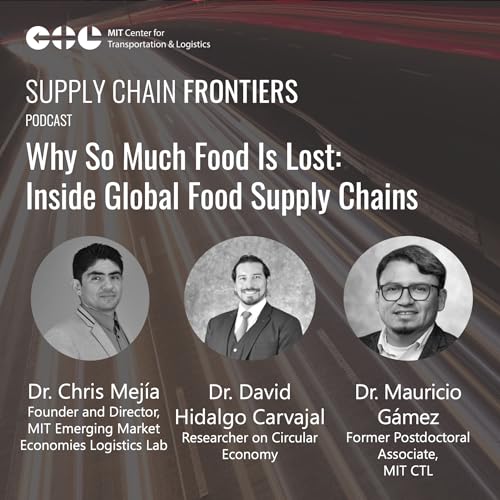 54 m
54 mNo se pudo agregar al carrito
Solo puedes tener X títulos en el carrito para realizar el pago.Add to Cart failed.
Por favor prueba de nuevo más tardeError al Agregar a Lista de Deseos.
Por favor prueba de nuevo más tardeError al eliminar de la lista de deseos.
Por favor prueba de nuevo más tardeError al añadir a tu biblioteca
Por favor intenta de nuevoError al seguir el podcast
Intenta nuevamenteError al dejar de seguir el podcast
Intenta nuevamente
Love the academic perspective of Supply Chain value
Se ha producido un error. Vuelve a intentarlo dentro de unos minutos.