It Happened To Me: A Rare Disease and Medical Challenges Podcast Podcast Por Cathy Gildenhorn Beth Glassman and Kira Dineen (DNA Today) arte de portada

It Happened To Me: A Rare Disease and Medical Challenges Podcast

It Happened To Me: A Rare Disease and Medical Challenges Podcast

De: Cathy Gildenhorn Beth Glassman and Kira Dineen (DNA Today)
Escúchala gratis

The mission of our podcast is to support you, our listeners and to create community, as you confront the toughest challenges in life. All of us will experience health hardships. The real question is how we adapt. That is the focus of It Happened To Me, which wants to help you overcome limitations and live a full and satisfying life. Drawing on their own health challenges, hosts Cathy Gildenhorn and Beth Glassman interview guests who share stories and research to help you succeed in the face of difficult health obstacles. It happened to me…I’m not alone and neither are you. We encourage you to learn more at ItHappenedToMePod.com. Please use the contact form on our website to submit your guest suggestions, comments, questions, ideas, and feedback for the show, you can also email us directly at ItHappenedToMePod@gmail.com. It Happened To Me is created and hosted by Cathy Gildenhorn and Beth Glassman. Steve Holsonback is our media engineer and co-producer. DNA Today’s Kira Dineen is our ...All rights reserved to the team: Cathy Gildenhorn, Beth Glassman, & Kira Dineen (DNA Today) Ciencia
Episodios
  • #80 The Expert's Guide to Autism: Diagnosis, Red Flags, and Evidence-Based Care
    Mar 16 2026

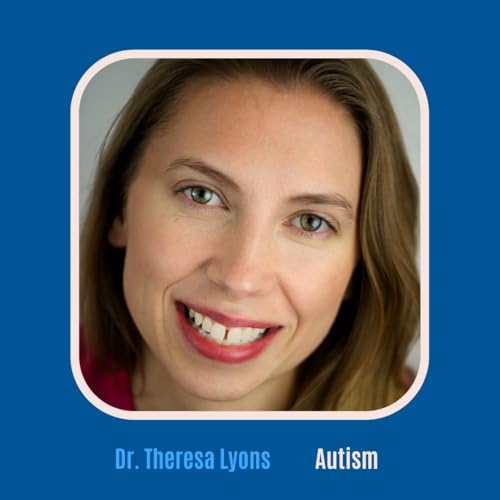
    In this episode we explore the complex world of autism spectrum disorder (ASD) in children, featuring practical guidance from Dr. Teresa Lyons, an autism expert, scientist, and parent of a child with autism.

    Dr. Theresa Lyons is an international autism educator, Ivy League-trained scientist, and autism parent. Dr. Lyons holds a Ph.D. from Yale and is the founder and CEO of Navigating AWEtism, a platform designed to turn complex autism science into clear, practical guidance for families.

    Dr. Lyons’ perspective is so powerful. She brings both rigorous scientific training and lived experience as the parent of a child with autism. She’s worked with families in more than 21 countries, helping parents move from fear and confusion to confidence and clarity.

    Key Topics Discussed:

    • What autism is and how it is diagnosed through observation on a spectrum
    • The influence of changing diagnostic criteria and rising awareness
    • Early signs and red flags for autism in infants and toddlers
    • The importance of differentiating misinformation from evidence-based practices
    • How families can prioritize support strategies tailored to their child's strengths
    • The role of collaboration between parents, professionals, and educators
    • Myths about autism, including misconceptions about listening and cognition
    • The connection between vaccines and autism, and how to approach medical decisions
    • Supporting parental mental health and managing emotional regulation
    • Scientific advances in identifying biomarkers and personalized interventions
    • Practical at-home steps for fostering communication and emotional stability

    Resources:

    Dr. Thersea Lyons’ LinkedIn

    Navigating AWEtism's Website

    Navigating AWEtism's YouTube Page

    Psychology Today

    Autism Speaks

    Connect With Us:

    Stay tuned for the next new episode of “It Happened To Me”! In the meantime, you can listen to our previous episodes on Apple Podcasts, Spotify, streaming on the website, or any other podcast player by searching, “It Happened To Me”.

    “It Happened To Me” is created and hosted by Cathy Gildenhorn and Beth Glassman. DNA Today’s Kira Dineen is our executive producer and marketing lead. Amanda Andreoli is our associate producer. Ashlyn Enokian is our graphic designer.

    See what else we are up to on Twitter, Instagram, Facebook, YouTube and our website, ItHappenedToMePod.com. Questions/inquiries can be sent to ItHappenedToMePod@gmail.com.

    Más Menos
    50 m
  • #79 How Acupuncture Can Support Fertility
    Mar 2 2026

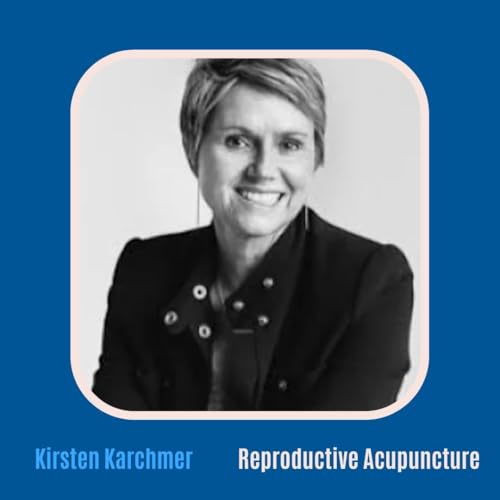
    Discover how acupuncture, traditionally rooted in Chinese medicine, is transforming fertility care today. Join us as Kirsten Karshmer, a pioneer with over 20 years of experience, shares insights into how integrative practices and AI technology are making fertility treatment more accessible, personalized, and effective.

    In This Episode:

    • The science and philosophy behind reproductive acupuncture
    • How acupuncture can enhance ovulation and IVF outcomes
    • The emotional toll of infertility and managing stress
    • Innovations in fertility tech: AI-driven platforms for personalized care
    • Common misconceptions about fertility treatments
    • Practical tips for young girls to foster a healthy relationship with their bodies
    • The importance of shifting narratives: treating overall health, not just infertility

    Resources:

    Conceivable Technologies

    ABORM - a reproductive acupuncture resource

    “If Men Could Menstruate" By Gloria Steinem

    Connect With Us:

    Stay tuned for the next new episode of “It Happened To Me”! In the meantime, you can listen to our previous episodes on Apple Podcasts, Spotify, streaming on the website, or any other podcast player by searching, “It Happened To Me”.

    “It Happened To Me” is created and hosted by Cathy Gildenhorn and Beth Glassman. DNA Today’s Kira Dineen is our executive producer and marketing lead. Amanda Andreoli is our associate producer. Ashlyn Enokian is our graphic designer.

    See what else we are up to on Twitter, Instagram, Facebook, YouTube and our website, ItHappenedToMePod.com. Questions/inquiries can be sent to ItHappenedToMePod@gmail.com.

    Más Menos
    33 m
  • #78 Sudden Vision Loss and Giant Cell Arteritis: When “Healthy” Changes Overnight
    Feb 16 2026

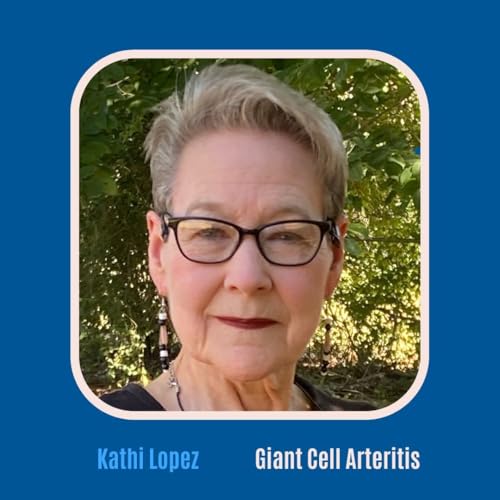
    In this episode of It Happened To Me, we share a story that underscores how quickly life can change, even when everything seems perfectly healthy.

    Our guest, Kathi Lopez, was a retired business owner who felt active, well, and thriving when she suddenly lost vision in one eye. What began as a frightening visual disturbance quickly escalated into a medical emergency and led to a diagnosis of Giant Cell Arteritis (GCA), a serious inflammatory condition that can cause permanent vision loss if not treated immediately. Kathi was also diagnosed with Polymyalgia Rheumatica (PMR), a related autoimmune disease that causes widespread pain, stiffness, and fatigue.

    Kathi has permanently lost vision in her right eye, but she has not lost her voice. In this powerful conversation, she shares what it’s like to go from “healthy” to navigating chronic autoimmune illness, how quickly symptoms can be missed or dismissed, and why awareness of GCA can be life- and vision-saving.

    This episode is an important reminder that listening to your body, and acting quickly, can make all the difference.

    In This Episode, We Discuss:
    • The moment Kathi first noticed something was wrong with her vision
    • Early warning signs of Giant Cell Arteritis, including headaches, jaw pain, fatigue, and body aches
    • How rapidly GCA can progress from subtle symptoms to permanent vision loss
    • Receiving a life-altering diagnosis and processing irreversible vision loss
    • The emotional, psychological, and physical impact of losing sight in one eye
    • Adapting to monocular vision and changes in daily independence
    • Living with both Giant Cell Arteritis and Polymyalgia Rheumatica
    • Treatment approaches and how Kathi’s body responded
    • Where the healthcare system succeeds, and where it can fail patients with rare autoimmune diseases
    • Advice for newly diagnosed patients and what Kathi wishes providers understood
    • A message for anyone who believes, “This could never happen to me”
    Resources Shared by Kathi

    Kathi wanted to share the following practical, evidence-informed strategies for adapting to vision loss in one eye. These resources do not replace medical care but may help support rehabilitation and daily functioning.

    1. Structured Low-Vision Rehabilitation
    • Work with a Certified Vision Rehabilitation Therapist (CVRT) or low-vision occupational therapist
    • Learn techniques for reading, mobility, depth perception, and hand-eye coordination
    • Eccentric viewing training may help maximize use of stronger retinal areas
    1. Monocular Vision Therapy Exercises (Performed with the affected eye covered)
    • Monocular push-ups for focus and accommodation
    • Near-far focusing to improve visual flexibility
    • Brock string or Hart chart exercises for eye movement and coordination
    • Figure-8 eye tracing and directional eye glides
    1. Adaptive Skills Training
    • Tossing and catching a ball to improve spatial judgment
    • Motion-parallax head movements to aid depth perception
    • Practicing scanning toward the blind side when walking or navigating spaces
    1. Assistive Tools
    • Enhanced lighting, contrast markings, magnifiers, and large print
    • Electronic aids such as CCTVs or adaptive visual technology
    1. Expectations & Consistency
    • Adaptation often takes 6–9 months
    • Daily practice (10–20 minutes per exercise) is most effective
    • Patience and self-compassion are essential

    Important: Always consult your ophthalmologist or low-vision specialist before starting any new therapy, especially after GCA.

    Connect With Us

    Stay tuned for the next new episode of “It Happened To Me”! In the meantime, you can listen to our previous episodes on Apple Podcasts, Spotify, streaming on the website, or any other podcast player by searching, “It Happened To Me”.

    “It Happened To Me” is created and hosted by Cathy Gildenhorn and Beth Glassman. DNA Today’s Kira Dineen is our executive producer and marketing lead. Amanda Andreoli is our associate producer. Ashlyn Enokian is our graphic designer.

    See what else we are up to on Twitter, Instagram, Facebook, YouTube and our website, ItHappenedToMePod.com. Questions/inquiries can be sent to ItHappenedToMePod@gmail.com.

    Más Menos
    38 m
Todavía no hay opiniones