Episodios

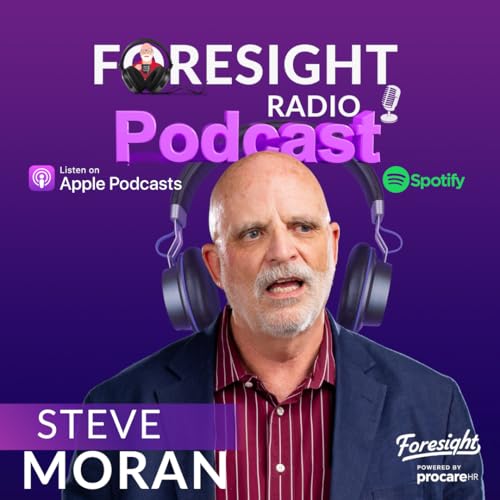
  • Steve Moran on Building Foresight, Senior Living Leadership, Content Creation, and Legacy
    Apr 1 2026
    In this episode of Foresight Radio, Steve Moran sits down for a candid conversation about the journey behind Senior Living Foresight, how he went from a shy writer to one of the most recognized voices in senior living, and why storytelling, persistence, and community still matter more than ever. Steve shares how content creation first took off, what gave him the confidence to keep going, and why some of the industry's biggest opportunities are still being overlooked, especially when it comes to supporting frontline workers and engaging family members more intentionally. The conversation also dives into the acquisition of Foresight by ProCare HR, what that transition has looked like behind the scenes, and how Steve is thinking about leadership, editorial independence, innovation, and the future of the brand. This episode is full of insight for anyone in senior living leadership, marketing, operations, content creation, entrepreneurship, or anyone trying to make a bigger impact through their work. In this episode, you'll hear about:
    • How Steve Moran started creating content in senior living
    • Why persistence matters more than perfection
    • The role of storytelling in senior living marketing
    • Supporting frontline workers and family members better
    • Why the industry needs to take more creative risks
    • What the ProCare HR acquisition means for Foresight
    • Steve's thoughts on leadership, legacy, and making a difference
    • Why asking for help may be one of the most powerful leadership skills of all
    Listen now on Spotify and Apple Podcasts and subscribe for more conversations shaping the future of senior living.
    Más Menos
    39 m
  • Dementia Training, CDP Certification, and Better Senior Living
    Mar 18 2026
    What happens when someone enters senior living with zero industry background — and discovers a mission worth staying for? In this episode of Foresight Radio, we sit down with Rebecca Barker, VP of Business Development at the National Council of Certified Dementia Practitioners (NCCDP), to talk about her journey from HR software sales into the heart of dementia care education. We explore:
    • Why senior living conferences feel like the "new kid in school" — and why that's a good thing
    • The surprising passion that keeps professionals in aging services
    • The dangerous gap in dementia education for frontline caregivers
    • How live dementia training improves retention, confidence, and census
    • Why CDP (Certified Dementia Practitioner) certification builds pride and professionalism
    • The connection between training, family satisfaction, and occupancy growth
    • What it really means to set a national standard in dementia care
    Rebecca shares how NCCDP's live, instructor-led dementia certification differs from "click-through" compliance training — and why investing in education directly impacts staff retention, fall rates, deficiencies, and family trust. If you're a senior living operator, executive director, HR leader, or memory care professional, this conversation will challenge how you think about workforce development, dementia care standards, and long-term sustainability.
    Más Menos
    Aún no se conoce
  • Stop Selling Buildings: How Storytelling Drives Occupancy, Retention & ROI
    Mar 4 2026
    What if senior living stopped selling buildings … and started selling connection? In this episode of Foresight Radio, we sit down with storytelling strategist and documentary filmmaker Peter Murphy Lewis to unpack why storytelling isn't just a marketing buzzword — it's a competitive advantage. From the Peloton comeback strategy to frontline caregiver stories that drive recruitment and retention, Peter shares how senior living operators can: Move from commodity marketing to emotional connection Improve occupancy and retention through authentic storytelling Empower frontline staff to become brand ambassadors Replace polished corporate videos with vulnerable, human moments Build long-term ROI by telling stories that stick Peter is the creator of the documentary series "People Worth Caring About," now streaming on major platforms, where he captures the real stories of caregivers and residents across senior living communities. If you're a CEO, marketer, operator, or frontline leader wondering how culture impacts revenue — this conversation will change how you think about storytelling forever. Key Takeaways: Why storytelling builds a "moat" around your brand The simple 3-step framework to tell powerful stories How frontline caregivers can drive recruitment marketing Why senior living marketing is underutilizing emotion How vulnerability builds trust in today's digital landscape Listen now and rethink how you market senior living. #SeniorLiving #SeniorLivingMarketing #HealthcareLeadership #Storytelling #Occupancy #Retention #ForesightRadio
    Más Menos
    33 m
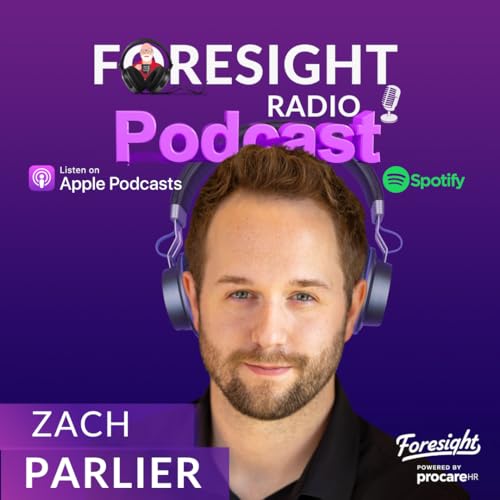
  • Beyond 'Behaviors': Seeing Dementia as a Human Condition with Zach Parlier
    Dec 10 2025

    What if we stopped trying to be dementia "experts" and started being dementia enthusiasts instead?

    In this episode of Foresight Radio, host Rachel Hill sits down with Zach Parlier, administrator and self-described dementia enthusiast at English Rose in Edina, Minnesota. English Rose operates small, residential homes with just six residents and a 1:3 staffing ratio, built around relationship-based dementia care and genuine normalcy — not just private suites and long hallways.

    Zach shares how caring for his grandfather with Alzheimer's in his family's farmhouse from the age of 12 shaped his view of what home and good care really mean. He walks us through English Rose's five-dimension well-being model (purposeful, social, spiritual, cognitive, and physical) and explains why "behaviors" are not a symptom of dementia but usually a form of communication we're missing.

    We also explore:

    • Why he rejects the title "dementia expert" and embraces curiosity instead

    • How a 1:3 ratio changes everything — especially the quality of relationships

    • Why large, beautiful suites can unintentionally fuel isolation

    • How the famous "Nun Study" influences English Rose's approach to daily life and engagement

    • Why dementia must be seen as a human condition as much as a medical condition

    Whether you're a leader, clinician, caregiver, or family member, this episode will challenge how you think about dementia, "behaviors," and what it means to protect someone's sense of self all the way to the end of life.

    👉 Learn more about English Rose and their dementia navigation and home care services at Luxury Assisted Living, Memory Care, Parkinson's Homes Minneapolis

    Más Menos
    56 m
  • More Than Just Fun: How Meaningful Connection Fuels Cognitive Wellness
    Nov 26 2025

    In this Tech Tuesday episode of Foresight Radio, Steve Moran sits down with Sharon, a leader from "Connect," a research-backed engagement platform that's been 25+ years in the making. What begins as a conversation about dementia technology quickly reveals something deeper: connection is the most essential ingredient in cognitive wellness — and in many ways, the very heart of caregiving.

    Sharon unpacked why human beings — especially those living with dementia — rely on meaningful social interaction to maintain cognitive strength, confidence, and quality of life. She shared how traditional "keep them busy" activities fall short, and how purposeful engagement built around opinions, preferences, and advice unlocks dignity, joy, and real human connection.

    Steve brought the topic home with personal stories about his stepfather, Gary, highlighting the emotional weight caregivers carry when familiar conversations fade, questions repeat, and meaningful engagement becomes harder to spark. Sharon explained how Connect's science-backed approach helps caregivers (family and professional) rediscover connection, reduce anxiety, create shared moments, and help individuals with dementia feel seen, valued, and capable.

    As we enter Thanksgiving — a season built on gratitude and togetherness — this conversation is a powerful reminder:

    Connection isn't just nice to have. It's cognitive medicine. It's emotional nourishment. And it's at the core of truly human care.

    Top Takeaways

    1. Connection = Cognitive Wellness

    Dementia care isn't just about safety or activity calendars — it's about belonging, purpose, and shared moments. Social connection is as essential to brain health as nutrition or sleep.

    2. Stop quizzing. Start connecting.

    People with dementia don't want to be tested. Instead, use OPA questions:

    1. Opinions

    2. Preferences

    3. Advice

      These spark pride, memory, creativity, and dignity.

    3. The "looping" technique builds deeper conversations.

    Start with an engaging question, discover a spark, and continue the theme through stories, images, or activities. Each moment becomes a bridge to the next.

    4. Technology can elevate human connection — not replace it.

    Tools like Connect guide caregivers toward meaningful conversation, help build trust, and uncover capabilities you may not have known were still possible.

    5. Purpose beats entertainment.

    People living with dementia don't just need to be occupied. They need roles, contribution, and identity — just like all of us.

    6. AI will play a growing role in combating loneliness.

    While human-to-human interaction is ideal, AI's infinite patience and ability to spark conversation may become a meaningful supplement in the future.

    7. Thanksgiving reminder: being seen is the ultimate gift.

    Whether you're a family caregiver or a senior living professional, one small moment of connection can change someone's entire day — and yours.

    Más Menos
    31 m
  • From Pessimism to Potential: Designing Senior Living for Legacy, Health, and Hope with Ben Lytle
    Nov 12 2025

    Live from the Senior Living Innovation Forum's Fall Conference, Steve Moran sits down with entrepreneur and former public-company CEO Ben Lytle to rethink aging through the lens of human potential. They dig into why perspective is the beginning of wisdom, how the "tension of opposites" unlocks better decisions, and how communities can become places where older adults live their best lives and leave a legacy. Ben lays out practical plays: behavior-change ecosystems (beyond apps), incentive-aligned healthcare, gamified and personalized wellness, intergenerational engagement—and even AI "alter egos" that preserve residents' stories while supporting daily well-being. If you're building tomorrow's senior living, this conversation is your blueprint.

    They cover:
    1. Perspective > pessimism: By most measures we're in the best time in history; wisdom starts with context and proportion.

    2. Tension of opposites: Leaders who hold and integrate conflicting viewpoints create more innovative, workable solutions.

    3. Human potential as a value proposition: Market your community as a place to live your best life and leave a legacy.

    4. Legacy tech: Offer residents AI "alter egos" to capture stories, wisdom, and family history—and even support daily wellness checks.

    5. Behavior change needs an ecosystem: App + clinical endorsement + coaching + community = real, sustained health improvements.

    6. Gamified, personalized health: Give residents clear "optimal health scores," daily actions, and peer comparisons to drive engagement.

    7. Realignment of incentives: Pay providers for improving outcomes, not volume—primary care and aging services benefit first.

    8. Democratizing senior living: Use scalable tech and redesigned services to deliver quality experiences at a lower cost and to more people.

    Más Menos
    30 m
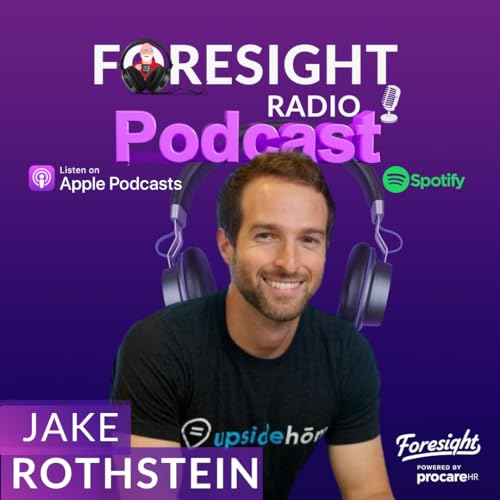
  • Housing Is Healthcare: Jake Rothstein of Upside on ROI, and Aging-in-the-Right-Place
    Oct 29 2025

    On this Foresight Radio recording of Tech Tuesday, host Steve Moran sits down with Jake Rothstein, founder of Papa and now Upside (formerly UpsideHom), to rethink what "aging in place" really means. Starting from his grandparents' journey, Jake shares how Upside became a "housing easy button" for health plans — matching vulnerable members to safe, affordable apartments and support without laying a single brick. We cover the 5 D's trigger events, why case managers are pivotal, how flex funds unlock moves (deposits, movers, utilities, furniture), and why housing stability delivers a clear ROI for insurers. Jake also gets candid about early failures (hello, Golden Girls co-living) and tells a powerful success story about Joanna, who went from an unsafe unit to long-term stability. If you're a senior living operator, hear how Upside can fill your buildings by transitioning the right residents from SNFs and the community. Plus: Steve teases a big announcement coming later this week…

    Top Takeaways
    1. Aging-in-the-right-place > aging-in-place: Most older adults want to stay home—until a trigger (the 5 D's: Death, Disaster, Divorce, Disability, and Downsizing) makes it unsafe or unsustainable.

    2. Housing as healthcare: Upside partners with Medicare Advantage/Medicaid plans; stable housing cuts risk and cost, creating measurable insurer ROI.

    3. The "easy button" for case managers: Health plans refer members with housing instability; Upside rapidly matches them via a national network (multifamily, single-family, rooms, Section 8).

    4. Resources many seniors miss: Upside helps unlock SNAP, benefits, and plan flex funds (deposits, movers, utilities, furniture) to make moves possible.

    5. What didn't work (and why): Early "Golden Girls" co-living in single-family homes didn't scale—apartment partnerships and tech to track real-time inventory did.

    6. Operators benefit: Upside transitions qualified members from SNFs to IL/AL/MC, helping communities increase occupancy—including private-pay options from unlocked assets.

    7. Advocacy + access wins: Beyond units, families need navigation; the right advocate turns a confusing system into sustainable stability.

    Más Menos
    32 m
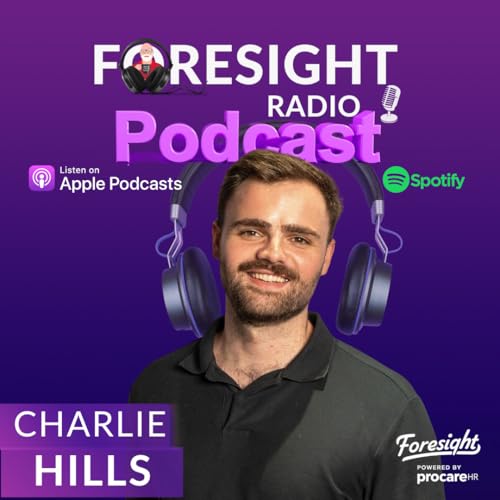
  • How to be Human while Using AI: Charlie Hills' Playbook for 2K → 160K and What It Means for Senior Living
    Oct 15 2025

    AI feels like a boogeyman to many operators and marketers — but it doesn't have to be. In this episode, we talk with Charlie Hills, a marketer who studied AI at university and then used it to scale his LinkedIn presence from 2,000 to 160,000 followers in under two years—while working a full-time job.

    We break down actionable, senior-living-ready tactics:

    • The Human–AI Sandwich: capture ideas with voice-to-text, turn them into a design brief, collaborate with a designer, then use AI to refine—publish fast without losing authenticity.

    • From "How-To" to "How-I": why personal stories and lived results outperform generic tips (and stick with prospects months later).

    • Consistency that fits real life: why ~3 posts/week can work—and how comments & DMs multiply reach.

    • Hooks & visuals that stop the scroll: bold first lines, clear benefits, and distinctive covers/graphics.

    • Reddit & "parasite SEO": show up where Gen Z/Millennial adult-children are already asking for advice—and influence what AI answers about your market.

    Whether you manage one community or a multi-site portfolio, you'll learn how to pair heart with horsepower—be human, use AI—to attract families, build trust, and grow faster.

    🎧 Available on Apple Podcasts & Spotify.
    👉 Follow Charlie on LinkedIn and learn about his done-for-you content agency, coaching community, and new DIY graphics tool in beta.

    Más Menos
    30 m