

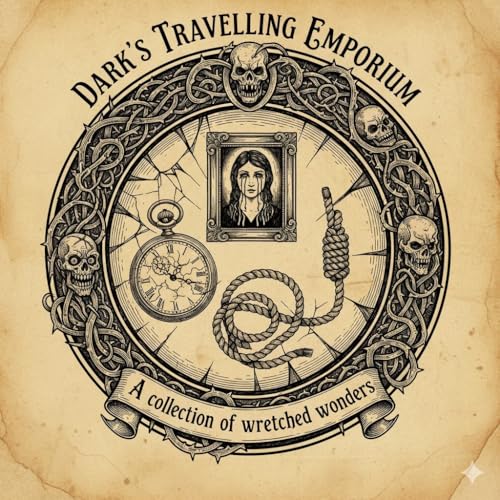
Exhibit V: The Silence of the Asylum Keys
No se pudo agregar al carrito
Add to Cart failed.
Error al Agregar a Lista de Deseos.
Error al eliminar de la lista de deseos.
Error al añadir a tu biblioteca
Error al seguir el podcast
Error al dejar de seguir el podcast

Exhibit V: The Silence of the Asylum Keys
-
Narrado por:
-
De:
You've come deeper now. The air changes here—thinner, colder, like a room that's been closed for decades. Step carefully. The floor is worn smooth by feet that paced but never found an exit.
Do you see them? There, on that rusted hook. A ring of iron keys, teeth worn soft by a million turns in a million locks. The tag reads: Ward 7, Willard Asylum, New York. 1898–1944.
They look ordinary. Tools of order. But look closer at the largest key. See how it's polished? Not from use, but from the touch of women who asked to hold it. Just for a moment. They wanted to feel what it was like to be the one on the outside.
This is Eleanor Vance's story. She came to Willard in 1898. Her daughter had died, and she refused to stop grieving. Her husband called it hysteria. The doctors called it insanity. So these keys turned, and for forty-six years, she walked these halls.
Forty-six years. For the crime of loving her child too loudly.
They tried to cure her. Ice baths. Shock treatments. Restraints. All the kindness a confident century could offer. Because back then, a woman who felt too much was dangerous. A woman who refused to be small, who refused to be quiet, who refused to stop aching—she needed to be locked away. The message was simple: This is what happens to those who won't behave.
But Eleanor was not broken. When she died, they found a book beneath her mattress. Handmade from scraps. A story for her dead daughter, written in secret, about a castle with high walls and kindly giants who held the keys. She had taken her imprisonment and turned it into a lullaby.
These keys locked away thousands like her. Women who grieved. Who questioned. Who were inconvenient. Women whose only crime was existing too loudly in a world that wanted them silent.
Look at them now. Cold iron. Heavy. And yet, if you listen, you might hear a woman's voice, still telling her child a story. Still loving. Still here.
The story is told. Carry it with you, but mind you do not mistake grief for madness. The world has always been clumsy in telling them apart.
This museum... and its Keeper... will be here when you return.