Episodios

  • Sharab-Bandi se Mafia aur NASCAR tak
    Mar 29 2026

    Kya aapne kabhi socha hai ki ek single law se pure desh mein mafia, secret bars (speakeasies) aur yahan tak ki NASCAR racing kaise shuru ho gayi?

    Is episode mein hum le aaye hain Bill McCoy ki mazedaar kahani, jo 1920s ke US Prohibition era (jab USA mein alcohol ban tha) ka sabse famous smuggler tha. Bill ne badi chalaki se international waters mein reh kar pure America mein top-quality whisky supply ki, jiske pure pure hone ki wajah se log isey 'The Real McCoy' bulate the.

    Par yeh podcast sirf smuggling ya history ke baare mein nahi hai. Yeh story hai "Law of Second-Order Effects" ki. Jab US lawmakers ne alcohol ban kiya, toh unhone iske unintended consequences bilkul nahi soche the—jaise crime networks ka bada hona, corrupt doctors ka patients ko 'medicinal alcohol' prescribe karna, aur bootleggers ka aana.

    Sath hi, hum is episode mein discuss karenge ki yeh Second-Order Effects finance aur investing ki duniya mein kaise apply hote hain, aur famous billionaire investor Ray Dalio is concept ko itna important kyun maante hain.

    Jaanne ke liye abhi sunein yeh episode aur seekhein har action ke chhupe hue reactions ko pehchaanna!

    • Credits & Sources: The core research and insights for this episode were adapted from Groww Digest. We are grateful for their deep-dive reporting, which makes these parables possible. Read the original article here: ⁠⁠⁠⁠⁠⁠⁠⁠⁠https://digest.groww.in/p/why-us-lawmakers-used-smugglers
    • Note: This episode features an AI-generated discussion designed to bring these parables to life in an engaging, conversational format.
    • Disclaimer: This podcast is for educational and entertainment purposes only and does not constitute financial advice. Always perform your own due diligence.
    Más Menos
    21 m
  • Andhadhundh Note Chhapne ka Bhayanak Anjaam
    Mar 27 2026

    Kya aapne kabhi socha hai ki ek Mercedes car ko gadhon (donkeys) se kyu kheecha ja raha tha, ya phir log dhoodh aur groceries khareedne ke liye wheelbarrow mein cash bhar kar kyu le jaate the?

    Is episode mein hum dive karenge Zimbabwe ke us shocking financial crisis mein, jahan 'Hyperinflation' ne poori economy ko hila kar rakh diya tha. Jab inflation ek maheene mein 50% se zyada badh jaye, toh use hyperinflation kehte hain. Par Zimbabwe mein 2008 mein yeh rate 79,000,000,000% (79 billion percent) per month tak pahunch gaya tha! Aise mein unki currency ki value bilkul khatam ho gayi thi aur prices kuch hi ghanton mein double ho jaate the.

    Hum discuss karenge ki aakhir aisa kyu hua—kaise wahan ki government aur central bank ne apne kharche poore karne ke liye out-of-control paise chhaape (printing money), jiski wajah se cycle of inflation shuru ho gaya. Iske kya nateeje hue, aur kaise Limpopo River mein khatarnak crocodiles hone ke bawajood log South Africa se washing powder, cars aur khane-peene ka saaman smuggle karne lage.

    Sath hi hum compare karenge ki kaise India ke RBI aur USA ke Federal Reserve ne 2020 ke pandemic ke baad economy ko handle kiya, aur kyu India mein inflation baaki deshon ke mukable control mein raha.

    Tune in kijiye is fascinating episode mein aur jaaniye kyu Central Banks ke paas note chhapne ki power hone ke bawajood, "printing money" kabhi free money nahi hota!


    • Credits & Sources: The core research and insights for this episode were adapted from Groww Digest. We are grateful for their deep-dive reporting, which makes these parables possible. Read the original article here: ⁠⁠⁠⁠⁠⁠⁠⁠⁠https://digest.groww.in/p/govt-can-print-money-but-doesnt
    • Note: This episode features an AI-generated discussion designed to bring these parables to life in an engaging, conversational format.
    • Disclaimer: This podcast is for educational and entertainment purposes only and does not constitute financial advice. Always perform your own due diligence.
    Más Menos
    15 m
  • Average ka Mathematical Dhokha Jaanlewa Hai
    Mar 25 2026

    Kya aapko lagta hai ki 'average' numbers hamesha sahi picture dikhate hain? Is episode mein hum ek shocking true story explore karenge—Michigan ka Flint Water Crisis.

    Janiye kaise authorities ki ek choti si galti ne—paani mein lead ki 'average' testing par bharosa karna—pure shahar ki health ko danger mein daal diya.

    Hum author NN Taleb ke famous rule ke baare mein bhi baat karenge: “Never cross a river that is 4 feet deep on average”. Nadi chahe average 4 feet deep ho, par uska maximum depth 7 feet bhi ho sakta hai jo kisi ko bhi dubane ke liye kafi hai.

    Lekin iska aapki zindagi se kya connection hai? Hum is life-saving concept ko aapke Personal Finance aur investments se jodkar dekhenge. Janiye kyun apni financial planning mein sirf 'average inflation' (jaise 5-6%) par depend rehna aapke future goals, jaise bachon ki education ya medical expenses, ko puri tarah se barbad kar sakta hai.

    Agar aap apne paise aur future ko secure rakhna chahte hain, toh ye episode aapke liye hai. Suniye aur janiye ki life aur finance ke critical situations mein hume average nahi, balki maximum risk ke liye kyun plan karna chahiye.


    • Credits & Sources: The core research and insights for this episode were adapted from Groww Digest. We are grateful for their deep-dive reporting, which makes these parables possible. Read the original article here: ⁠⁠⁠⁠⁠⁠⁠⁠⁠https://digest.groww.in/p/how-bad-maths-led-to-hair-loss-for
    • Note: This episode features an AI-generated discussion designed to bring these parables to life in an engaging, conversational format.
    • Disclaimer: This podcast is for educational and entertainment purposes only and does not constitute financial advice. Always perform your own due diligence.
    Más Menos
    14 m
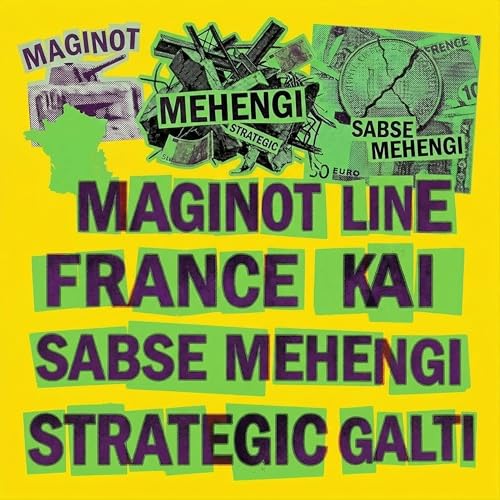
  • Maginot Line France ki Sabse Mehengi Strategic Galti
    Mar 23 2026

    Kya aapko lagta hai history hamesha repeat hoti hai?

    World War 1 ke devastation ke baad, France ne Germany se future attacks se bachne ke liye ek massive aur highly advanced underground defense network banaya jise The Maginot Line kehte hain. Is project par 7 billion francs kharch kiye gaye, yeh sochkar ki future wars past patterns ko hi follow karengi. France ko laga ki Ardennes forest itna dense hai ki wahan se koi army cross hi nahi kar sakti, isliye unhone wahan defenses aur fortifications bahut kam rakhi. Par jab World War 2 shuru hua, toh Germany ne unhe completely surprise kar diya! Unhone naye modern vehicles (tanks aur trucks) ka use karke usi "impossible" Ardennes forest se attack kar diya jiske liye France bilkul ready nahi tha. The Maginot Line border attack rokne mein toh successful rahi, par France ko defend karne mein fail ho gayi.

    Is episode mein hum janenge Maginot Line ki fascinating history, unki planning, aur ek bahut bada lesson: Past patterns aur cycles par blindly rely karna kitna bada mistake ho sakta hai, especially aaj ke rapidly changing world mein.

    Suniye puri kahani aur janiye kyun past is not always the best teacher for the future!


    • Credits & Sources: The core research and insights for this episode were adapted from Groww Digest. We are grateful for their deep-dive reporting, which makes these parables possible. Read the original article here: ⁠⁠⁠⁠https://digest.groww.in/p/why-france-made-a-450-km-wall
    • Note: This episode features an AI-generated discussion designed to bring these parables to life in an engaging, conversational format.
    • Disclaimer: This podcast is for educational and entertainment purposes only and does not constitute financial advice. Always perform your own due diligence.
    Más Menos
    19 m
  • Radio se Google tak Vigyapanon (Ads) ka Asli Khel
    Mar 21 2026

    Kya aapne kabhi socha hai ki aapke favourite free apps aur 100 saal purane radio stations mein kya common hai?

    Is episode mein, hum "Advertising Business Model" ke evolution ki kahani explore karenge. Jaanie kaise 1906 mein pehli baar morse code ki jagah human voice radio par suni gayi, aur kaise Westinghouse ne duniya ka pehla commercial radio channel, KDKA, sirf isliye shuru kiya taaki wo aur zyada radio sets bech sakein.

    Lekin jab market saturate ho gaya aur radio sets ki sales down ho gayi, tab in channels ne kaise survive kiya? Yahin se entry hui Ads ki, aur inka business model puri tarah pivot ho gaya.

    Sabse interesting baat toh yeh hai ki Google, YouTube, Facebook, aur yahan tak ki Spotify jaisi modern tech companies, jo itne badiya tech services bilkul free mein offer karti hain, unhone shuru mein kabhi ads se paise kamane ka plan nahi kiya tha! Par aaj in cutting-edge tech companies ka aur saikdon saal purane newspapers aur radio ka business model bilkul same hai.

    Jaanne ke liye ki kaise ads ne aaj ki sabse badi tech giants ki foundation rakhi, suniye humara yeh naya episode. Tune in now!

    Más Menos
    19 m
  • Oil Supply aur Adrishya Rukaawaton ka Khel
    Mar 19 2026

    Kya aapne kabhi socha hai ki duniya bhar mein crude oil ki supply kaise control hoti hai aur iske peeche kaunsi power dynamics kaam karti hain?

    Is episode mein hum un sabhi major 'choke points' ko explore karenge jo global oil supply ko hila sakte hain. Hum baat karenge Strait of Hormuz, Strait of Malacca, aur Suez Canal jaise critical sea routes ki, jahan se duniya ka sabse zyada oil aur trade pass hota hai.

    Lekin baat sirf geography ki nahi hai! Janiye kaise powerful insurance companies, OPEC+ cartel, US Shale oil aur Saudi Arabia ki spare capacity oil prices ko control karte hain. Saath hi, hum samjhenge financial choke points jaise 'Petrodollar' pact aur SWIFT system ka role, jiske zariye US doosre deshon (jaise Iran aur Venezuela) ke oil supply par ban ya sanctions lagata hai.

    Current geopolitical tensions aur Middle-East conflict ke beech, aage kya hone wala hai?

    Janne ke liye abhi play button dabayein aur is eye-opening discussion ko sunein! Spotify par humein follow karna na bhoolein.

    Más Menos
    16 m
  • Katrina mein Walmart Sarkar se Bhi Tez Nikla
    Mar 17 2026

    Kya aapne kabhi socha hai ki ek retail store ek natural disaster ke time par government se bhi zyada fast aur helpful kaise ho sakta hai?

    Is episode mein hum deep dive karenge Walmart ke 2005 Hurricane Katrina response par. Jaaniye kaise hurricane ke guzarne ke turant baad, Walmart ne 1,500 trucks free essential supplies (jaise water, food, aur batteries) ke sath affected areas mein bheje. Unhone is relief effort par $20 million spend kiye, aur badle mein unmatched public love aur brand recognition hasil kiya.

    Hum is retail giant ke business model aur supply chain network ko bhi decode karenge. Aapko pata chalega ki kaise 'cross-docking' (items ko bina warehouse mein store kiye ek truck se dusre truck mein move karna) aur giant fridges ki heat ko sardiyon mein stores ko garm rakhne ke liye reuse karne jaise innovative ideas se Walmart massive costs save karta hai.

    Sath hi, hum India ke famous retail store, D-Mart ki economics ke bare mein bhi baat karenge. Samjhiye unki extreme cost-saving strategies—jaise stores ko rent karne ke bajaye own karna aur proper residential locations choose karna—taaki wo apne customers ko rock-bottom prices offer kar sakein.

    Agar aap retail economics, business strategy, aur supply chain ki power ko samajhna chahte hain, toh yeh episode bilkul miss mat kijiye. Tune in now!

    Más Menos
    21 m
  • German Cars American Culture ki Pehchaan Kaise Bani
    Mar 15 2026

    Kya aapne kabhi socha hai ki cars hamari zindagi ka itna bada hissa kaise ban gayi? Iss episode mein hum explore karenge global car culture ki kahani, jahan car ka mass production USA mein Ford Model T ke sath shuru hua.

    Janiye kaise World War 2 ke baad America ne apne massive highway network ko expand kiya—jiska ek secret reason nuclear attack ke time sheharon ko evacuate karna bhi tha. Inhi highways ki wajah se shehar ke bahar 'suburbs' develop hue, jahan bade ghar aur sasti zameen thi. Aise hi USA mein car ek luxury se badalkar ek zaroorat (necessity) ban gayi aur families ke beech 'road trips' ka naya trend shuru hua.

    Hum yeh bhi discuss karenge ki kaise drive-ins aur auto-washes jaise American inventions ne poori duniya ke lifestyle aur habits ko influence kiya. Saath hi, hum dekhenge ki kaise cars local needs ke hisaab se adapt hoti hain—jaise America ki badi SUVs ke comparison mein Japan ki chhoti aur aasaani se park hone wali 'Kei cars'.

    Aur sabse bada sawal: India ka future kya hai? USA mein jahan 91% households ke paas car hai, India mein yeh number abhi sirf 7.5% hai. India ki massive population (jo US se 4 guna zyada hai) aur kam space ko dekhte hue, kya hum kabhi America jaisi car ownership dekh payenge, ya traffic aur parking hamara rasta rok lenge?

    In sabhi interesting facts ko jaanne ke liye is episode ko zaroor sunein!


    • Credits & Sources: The core research and insights for this episode were adapted from Groww Digest. We are grateful for their deep-dive reporting, which makes these parables possible. Read the original article here: ⁠⁠⁠⁠⁠⁠⁠⁠⁠⁠⁠⁠⁠⁠⁠⁠⁠https://digest.groww.in/p/how-will-cars-change-india
    • Note: This episode features an AI-generated discussion designed to bring these parables to life in an engaging, conversational format.
    • Disclaimer: This podcast is for educational and entertainment purposes only and does not constitute financial advice. Always perform your own due diligence.
    Más Menos
    14 m