

If You Stop Counting Lives, Air Pollution Gets Cheaper
No se pudo agregar al carrito
Add to Cart failed.
Error al Agregar a Lista de Deseos.
Error al eliminar de la lista de deseos.
Error al añadir a tu biblioteca
Error al seguir el podcast
Error al dejar de seguir el podcast

If You Stop Counting Lives, Air Pollution Gets Cheaper
-
Narrado por:
-
De:
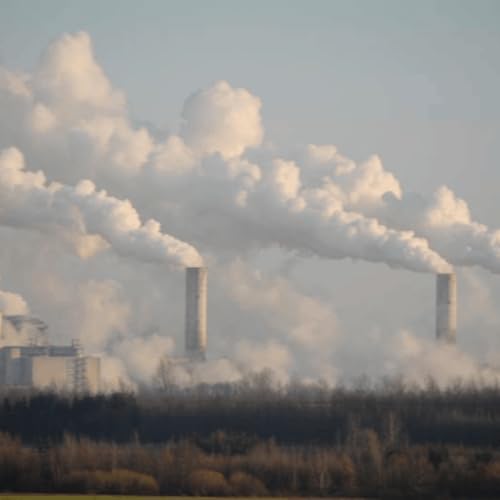
In this episode, we examine a proposed shift at the Environmental Protection Agency that would change how the costs and benefits of air pollution rules are calculated—specifically by excluding or minimizing key health benefits such as avoided asthma attacks, hospitalizations, and premature deaths tied to fine particulate matter (PM2.5) and ozone exposure.
Change the math, and you change the outcome. If the financial value of protecting human health is excluded from regulatory analysis, pollution appears cheaper to tolerate. The likely result: weaker standards, dirtier air, and heavier burdens on communities living near highways, ports, and industrial facilities.
We explore how cost-benefit methodology shapes environmental policy, why measurement frameworks matter as much as the rule itself, and what it means when economic models sideline human impact.
Methodologies can evolve. Transparency can improve. But zeroing out the value of human life is not innovation. Technology should reduce harm—and policy should measure that harm honestly.