


-
The Warmth of Other Suns
- The Epic Story of America's Great Migration
- Narrated by: Robin Miles
- Length: 22 hrs and 40 mins
Failed to add items
Add to Cart failed.
Add to Wish List failed.
Remove from wishlist failed.
Adding to library failed
Follow podcast failed
Unfollow podcast failed
 Prime members: New to Audible?
Get 2 free audiobooks during trial.

The Warmth of Other Suns
Buy for $38.00
No default payment method selected.
We are sorry. We are not allowed to sell this product with the selected payment method

Listeners also enjoyed...

-
Caste (Oprah's Book Club)
- The Origins of Our Discontents
- By: Isabel Wilkerson
- Narrated by: Robin Miles
- Length: 15 hrs and 10 mins
- Unabridged
-
Overall5 out of 5 stars 20,211
-
Performance5 out of 5 stars 17,566
-
Story5 out of 5 stars 17,432
In this brilliant book, Isabel Wilkerson gives us a masterful portrait of an unseen phenomenon in America as she explores, through an immersive, deeply researched narrative and stories about real people, how America today and throughout its history has been shaped by a hidden caste system, a rigid hierarchy of human rankings. Beautifully written, original, and revealing, Caste: The Origins of Our Discontents is an eye-opening story of people and history, and a reexamination of what lies under the surface of ordinary lives and of American life today.
-
5 out of 5 stars
-
Brilliant, articulate, highly listenable.
- By GM on 08-05-20
By: Isabel Wilkerson

-
The 1619 Project
- A New Origin Story
- By: Nikole Hannah-Jones, The New York Times Magazine, Caitlin Roper - editor, and others
- Narrated by: Nikole Hannah-Jones, Full Cast
- Length: 18 hrs and 57 mins
- Unabridged
-
Overall5 out of 5 stars 4,352
-
Performance5 out of 5 stars 3,794
-
Story5 out of 5 stars 3,777
The New York Times Magazine’s award-winning “1619 Project” issue reframed our understanding of American history by placing slavery and its continuing legacy at the center of our national narrative. This new book substantially expands on that work, weaving together 18 essays that explore the legacy of slavery in present-day America with 36 poems and works of fiction that illuminate key moments of oppression, struggle, and resistance.
-
4 out of 5 stars
-
Comprehensive and Cutting
- By Thomas Ray on 12-30-21
By: Nikole Hannah-Jones, and others

-
Black AF History
- The Un-Whitewashed Story of America
- By: Michael Harriot
- Narrated by: Michael Harriot
- Length: 15 hrs and 42 mins
- Unabridged
-
Overall5 out of 5 stars 716
-
Performance5 out of 5 stars 665
-
Story5 out of 5 stars 665
America’s backstory is a whitewashed mythology implanted in our collective memory. It should come as no surprise that the dominant narrative of American history is blighted with errors and oversights—after all, history books were written by white men with their perspectives at the forefront. It could even be said that the devaluation and erasure of the Black experience is as American as apple pie. In Black AF History, Michael Harriot presents a more accurate version of American history.
-
5 out of 5 stars
-
LOVE It!
- By KMB on 09-29-23
By: Michael Harriot

-
Between the World and Me
- By: Ta-Nehisi Coates
- Narrated by: Ta-Nehisi Coates
- Length: 3 hrs and 35 mins
- Unabridged
-
Overall5 out of 5 stars 30,935
-
Performance5 out of 5 stars 27,310
-
Story5 out of 5 stars 27,124
Americans have built an empire on the idea of “race”, a falsehood that damages us all but falls most heavily on the bodies of Black women and men - bodies exploited through slavery and segregation and, today, threatened, locked up, and murdered out of all proportion. What is it like to inhabit a Black body and find a way to live within it? And how can we all honestly reckon with this fraught history and free ourselves from its burden? Between the World and Me is Ta-Nehisi Coates’ attempt to answer these questions in a letter to his adolescent son.
-
5 out of 5 stars
-
A Heartfelt Self-aware Literary Masterpiece
- By T Spencer on 07-30-15
By: Ta-Nehisi Coates

-
Killers of the Flower Moon
- The Osage Murders and the Birth of the FBI
- By: David Grann
- Narrated by: Will Patton, Ann Marie Lee, Danny Campbell
- Length: 9 hrs and 4 mins
- Unabridged
-
Overall4.5 out of 5 stars 21,759
-
Performance4.5 out of 5 stars 19,140
-
Story4.5 out of 5 stars 19,095
In the 1920s, the richest people per capita in the world were members of the Osage Nation in Oklahoma. After oil was discovered beneath their land, the Osage rode in chauffeured automobiles, built mansions, and sent their children to study in Europe.
-
5 out of 5 stars
-
An outstanding story, highly recommended
- By S. Blakely on 06-22-17
By: David Grann

-
Cuba (Winner of the Pulitzer Prize)
- An American History
- By: Ada Ferrer
- Narrated by: Alma Cuervo, Ada Ferrer - prologue
- Length: 23 hrs and 13 mins
- Unabridged
-
Overall4.5 out of 5 stars 834
-
Performance5 out of 5 stars 723
-
Story4.5 out of 5 stars 722
In 1961, at the height of the Cold War, the United States severed diplomatic relations with Cuba, where a momentous revolution had taken power three years earlier. For more than half a century, the stand-off continued—through the tenure of ten American presidents and the fifty-year rule of Fidel Castro. His death in 2016, and the retirement of his brother and successor Raúl Castro in 2021, have spurred questions about the country’s future. Spanning more than five centuries, Cuba provides us with a front-row seat as we witness the evolution of the modern nation.
-
1 out of 5 stars
-
US Bash Job
- By Derek & Amber Witt on 04-14-22
By: Ada Ferrer
-
Caste (Oprah's Book Club)
- The Origins of Our Discontents
- By: Isabel Wilkerson
- Narrated by: Robin Miles
- Length: 15 hrs and 10 mins
- Unabridged
-
Overall5 out of 5 stars 20,211
-
Performance5 out of 5 stars 17,566
-
Story5 out of 5 stars 17,432
In this brilliant book, Isabel Wilkerson gives us a masterful portrait of an unseen phenomenon in America as she explores, through an immersive, deeply researched narrative and stories about real people, how America today and throughout its history has been shaped by a hidden caste system, a rigid hierarchy of human rankings. Beautifully written, original, and revealing, Caste: The Origins of Our Discontents is an eye-opening story of people and history, and a reexamination of what lies under the surface of ordinary lives and of American life today.
-
5 out of 5 stars
-
Brilliant, articulate, highly listenable.
- By GM on 08-05-20
By: Isabel Wilkerson
-
The 1619 Project
- A New Origin Story
- By: Nikole Hannah-Jones, The New York Times Magazine, Caitlin Roper - editor, and others
- Narrated by: Nikole Hannah-Jones, Full Cast
- Length: 18 hrs and 57 mins
- Unabridged
-
Overall5 out of 5 stars 4,352
-
Performance5 out of 5 stars 3,794
-
Story5 out of 5 stars 3,777
The New York Times Magazine’s award-winning “1619 Project” issue reframed our understanding of American history by placing slavery and its continuing legacy at the center of our national narrative. This new book substantially expands on that work, weaving together 18 essays that explore the legacy of slavery in present-day America with 36 poems and works of fiction that illuminate key moments of oppression, struggle, and resistance.
-
4 out of 5 stars
-
Comprehensive and Cutting
- By Thomas Ray on 12-30-21
By: Nikole Hannah-Jones, and others
-
Black AF History
- The Un-Whitewashed Story of America
- By: Michael Harriot
- Narrated by: Michael Harriot
- Length: 15 hrs and 42 mins
- Unabridged
-
Overall5 out of 5 stars 716
-
Performance5 out of 5 stars 665
-
Story5 out of 5 stars 665
America’s backstory is a whitewashed mythology implanted in our collective memory. It should come as no surprise that the dominant narrative of American history is blighted with errors and oversights—after all, history books were written by white men with their perspectives at the forefront. It could even be said that the devaluation and erasure of the Black experience is as American as apple pie. In Black AF History, Michael Harriot presents a more accurate version of American history.
-
5 out of 5 stars
-
LOVE It!
- By KMB on 09-29-23
By: Michael Harriot
-
Between the World and Me
- By: Ta-Nehisi Coates
- Narrated by: Ta-Nehisi Coates
- Length: 3 hrs and 35 mins
- Unabridged
-
Overall5 out of 5 stars 30,935
-
Performance5 out of 5 stars 27,310
-
Story5 out of 5 stars 27,124
Americans have built an empire on the idea of “race”, a falsehood that damages us all but falls most heavily on the bodies of Black women and men - bodies exploited through slavery and segregation and, today, threatened, locked up, and murdered out of all proportion. What is it like to inhabit a Black body and find a way to live within it? And how can we all honestly reckon with this fraught history and free ourselves from its burden? Between the World and Me is Ta-Nehisi Coates’ attempt to answer these questions in a letter to his adolescent son.
-
5 out of 5 stars
-
A Heartfelt Self-aware Literary Masterpiece
- By T Spencer on 07-30-15
By: Ta-Nehisi Coates
-
Killers of the Flower Moon
- The Osage Murders and the Birth of the FBI
- By: David Grann
- Narrated by: Will Patton, Ann Marie Lee, Danny Campbell
- Length: 9 hrs and 4 mins
- Unabridged
-
Overall4.5 out of 5 stars 21,759
-
Performance4.5 out of 5 stars 19,140
-
Story4.5 out of 5 stars 19,095
In the 1920s, the richest people per capita in the world were members of the Osage Nation in Oklahoma. After oil was discovered beneath their land, the Osage rode in chauffeured automobiles, built mansions, and sent their children to study in Europe.
-
5 out of 5 stars
-
An outstanding story, highly recommended
- By S. Blakely on 06-22-17
By: David Grann
-
Cuba (Winner of the Pulitzer Prize)
- An American History
- By: Ada Ferrer
- Narrated by: Alma Cuervo, Ada Ferrer - prologue
- Length: 23 hrs and 13 mins
- Unabridged
-
Overall4.5 out of 5 stars 834
-
Performance5 out of 5 stars 723
-
Story4.5 out of 5 stars 722
In 1961, at the height of the Cold War, the United States severed diplomatic relations with Cuba, where a momentous revolution had taken power three years earlier. For more than half a century, the stand-off continued—through the tenure of ten American presidents and the fifty-year rule of Fidel Castro. His death in 2016, and the retirement of his brother and successor Raúl Castro in 2021, have spurred questions about the country’s future. Spanning more than five centuries, Cuba provides us with a front-row seat as we witness the evolution of the modern nation.
-
1 out of 5 stars
-
US Bash Job
- By Derek & Amber Witt on 04-14-22
By: Ada Ferrer

-
Prequel
- An American Fight Against Fascism
- By: Rachel Maddow
- Narrated by: Rachel Maddow
- Length: 13 hrs and 9 mins
- Unabridged
-
Overall5 out of 5 stars 2,420
-
Performance5 out of 5 stars 2,219
-
Story5 out of 5 stars 2,216
Inspired by her research for the hit podcast Ultra, Rachel Maddow charts the rise of a wild American strain of authoritarianism that has been alive on the far-right edge of our politics for the better part of a century. Before and even after our troops had begun fighting abroad in World War II, a clandestine network flooded the country with disinformation aimed at sapping the strength of the U.S. war effort and persuading Americans that our natural alliance was with the Axis, not against it.
-
5 out of 5 stars
-
The fight to keep democracy alive
- By Rex on 10-19-23
By: Rachel Maddow

-
The Autobiography of Malcolm X
- As Told to Alex Haley
- By: Malcolm X, Alex Haley
- Narrated by: Laurence Fishburne
- Length: 16 hrs and 52 mins
- Unabridged
-
Overall5 out of 5 stars 12,056
-
Performance5 out of 5 stars 10,719
-
Story5 out of 5 stars 10,659
Experience a bold take on this classic autobiography as it’s performed by Oscar-nominated Laurence Fishburne. In this searing classic autobiography, originally published in 1965, Malcolm X, the Muslim leader, firebrand, and Black empowerment activist, tells the extraordinary story of his life and the growth of the Human Rights movement. His fascinating perspective on the lies and limitations of the American dream and the inherent racism in a society that denies its non-White citizens the opportunity to dream, gives extraordinary insight into the most urgent issues of our own time.
-
5 out of 5 stars
-
Audible Masterpiece
- By Phoenician on 09-10-20
By: Malcolm X, and others

-
Four Hundred Souls
- A Community History of African America, 1619-2019
- By: Ibram X. Kendi - editor, Keisha N. Blain - editor
- Narrated by: full cast
- Length: 14 hrs and 2 mins
- Unabridged
-
Overall5 out of 5 stars 1,231
-
Performance5 out of 5 stars 1,088
-
Story5 out of 5 stars 1,081
A chorus of extraordinary voices comes together to tell one of history’s great epics: the 400-year journey of African Americans from 1619 to the present - edited by Ibram X. Kendi, author of How to Be an Antiracist, and Keisha N. Blain, author of Set the World on Fire.
-
5 out of 5 stars
-
History never taught
- By Scott P ODonnell on 02-16-21
By: Ibram X. Kendi - editor, and others

-
Homegoing
- A Novel
- By: Yaa Gyasi
- Narrated by: Dominic Hoffman
- Length: 13 hrs and 11 mins
- Unabridged
-
Overall4.5 out of 5 stars 10,324
-
Performance5 out of 5 stars 9,205
-
Story4.5 out of 5 stars 9,203
Two half sisters, Effia and Esi, unknown to each other, are born into different villages in 18th-century Ghana. Effia is married off to an Englishman and will live in comfort in the palatial rooms of Cape Coast Castle, raising children who will be sent abroad to be educated before returning to the Gold Coast to serve as administrators of the empire. Esi, imprisoned beneath Effia in the castle's women's dungeon and then shipped off on a boat bound for America, will be sold into slavery.
-
4 out of 5 stars
-
A Novel in Stories
- By Daryl on 06-19-16
By: Yaa Gyasi

-
Evicted
- Poverty and Profit in the American City
- By: Matthew Desmond
- Narrated by: Dion Graham
- Length: 11 hrs and 3 mins
- Unabridged
-
Overall4.5 out of 5 stars 5,919
-
Performance5 out of 5 stars 5,250
-
Story4.5 out of 5 stars 5,233
In Evicted, Princeton sociologist and MacArthur “Genius” Matthew Desmond follows eight families in Milwaukee as they each struggle to keep a roof over their heads. Hailed as “wrenching and revelatory” (The Nation), “vivid and unsettling” (New York Review of Books), Evicted transforms our understanding of poverty and economic exploitation while providing fresh ideas for solving one of twenty-first-century America’s most devastating problems. Its unforgettable scenes of hope and loss remind us of the centrality of home, without which nothing else is possible.
-
5 out of 5 stars
-
Former Property Manager
- By Charla on 05-18-16
By: Matthew Desmond

-
White Fragility
- Why It's So Hard for White People to Talk About Racism
- By: Dr. Robin DiAngelo, Michael Eric Dyson - foreword
- Narrated by: Amy Landon
- Length: 6 hrs and 21 mins
- Unabridged
-
Overall4.5 out of 5 stars 21,948
-
Performance4.5 out of 5 stars 18,389
-
Story4.5 out of 5 stars 18,159
In this “vital, necessary, and beautiful book” (Michael Eric Dyson), antiracist educator Robin DiAngelo deftly illuminates the phenomenon of white fragility and “allows us to understand racism as a practice not restricted to 'bad people'" (Claudia Rankine). Referring to the defensive moves white people make when challenged racially, white fragility is characterized by emotions such as anger, fear, and guilt and by behaviors including argumentation and silence. These behaviors, in turn, function to reinstate white racial equilibrium and prevent meaningful cross-racial dialogue.
-
1 out of 5 stars
-
Word salad
- By Eric on 03-10-20
By: Dr. Robin DiAngelo, and others

-
The Covenant of Water
- By: Abraham Verghese
- Narrated by: Abraham Verghese
- Length: 31 hrs and 16 mins
- Unabridged
-
Overall4.5 out of 5 stars 6,575
-
Performance4.5 out of 5 stars 5,754
-
Story4.5 out of 5 stars 5,743
Spanning the years 1900 to 1977, The Covenant of Water is set in Kerala, on South India’s Malabar Coast, and follows three generations of a family that suffers a peculiar affliction: in every generation, at least one person dies by drowning—and in Kerala, water is everywhere. At the turn of the century, a twelve-year-old girl from Kerala’s long-existing Christian community, grieving the death of her father, is sent by boat to her wedding, where she will meet her forty-year-old husband for the first time.
-
5 out of 5 stars
-
Story Telling At Its Best
- By Regina on 05-06-23
By: Abraham Verghese

-
The Love Songs of W.E.B. Du Bois
- An Oprah’s Book Club Novel
- By: Honoree Fanonne Jeffers
- Narrated by: Adenrele Ojo, Karen Chilton, Prentice Onayemi
- Length: 29 hrs and 49 mins
- Unabridged
-
Overall4.5 out of 5 stars 2,655
-
Performance5 out of 5 stars 2,363
-
Story5 out of 5 stars 2,349
The great scholar, W. E. B. Du Bois, once wrote about the problem of race in America, and what he called “Double Consciousness,” a sensitivity that every African American possesses in order to survive. Since childhood, Ailey Pearl Garfield has understood Du Bois’s words all too well. Bearing the names of two formidable Black Americans—the revered choreographer Alvin Ailey and her great grandmother Pearl, the descendant of enslaved Georgians and tenant farmers—Ailey carries Du Bois’s problem on her shoulders.
-
5 out of 5 stars
-
The Great American Novel is finally inclusive.
- By Margaret on 12-28-21

-
Thicker than Water
- A Memoir
- By: Kerry Washington
- Narrated by: Kerry Washington
- Length: 8 hrs and 59 mins
- Unabridged
-
Overall4.5 out of 5 stars 1,744
-
Performance5 out of 5 stars 1,676
-
Story4.5 out of 5 stars 1,675
While on a drive in Los Angeles, on a seemingly average afternoon, Kerry Washington received a text message that would send her on a life-changing journey of self-discovery. In an instant, her very identity was torn apart, with everything she thought she knew about herself thrown into question.
-
1 out of 5 stars
-
Technical issues are ruining an otherwise good story
- By Lindsay on 09-27-23
By: Kerry Washington

-
The Immortal Life of Henrietta Lacks
- By: Rebecca Skloot
- Narrated by: Cassandra Campbell, Bahni Turpin
- Length: 12 hrs and 30 mins
- Unabridged
-
Overall4.5 out of 5 stars 16,544
-
Performance4.5 out of 5 stars 13,567
-
Story4.5 out of 5 stars 13,608
Her name was Henrietta Lacks, but scientists know her as HeLa. She was a poor Southern tobacco farmer who worked the same land as her slave ancestors, yet her cells - taken without her knowledge - became one of the most important tools in medicine: The first “immortal” human cells grown in culture, which are still alive today, though she has been dead for more than 60 years. HeLa cells were vital for developing the polio vaccine; uncovered secrets of cancer, viruses, and the atom bomb’s effects.
-
5 out of 5 stars
-
The Secret Life of an American Cancer Cell
- By Cynthia on 08-10-13
By: Rebecca Skloot

-
How the Word Is Passed
- A Reckoning with the History of Slavery Across America
- By: Clint Smith
- Narrated by: Clint Smith
- Length: 10 hrs and 6 mins
- Unabridged
-
Overall5 out of 5 stars 3,512
-
Performance5 out of 5 stars 3,142
-
Story5 out of 5 stars 3,128
Beginning in his hometown of New Orleans, Clint Smith leads the listener on an unforgettable tour of monuments and landmarks—those that are honest about the past and those that are not—that offer an intergenerational story of how slavery has been central in shaping our nation's collective history, and ourselves.
-
5 out of 5 stars
-
Sincerely grateful read
- By Kelvin Dixon on 06-08-21
By: Clint Smith

-
Empire of the Summer Moon
- Quanah Parker and the Rise and Fall of the Comanches, the Most Powerful Indian Tribe in American History
- By: S. C. Gwynne
- Narrated by: David Drummond
- Length: 15 hrs and 9 mins
- Unabridged
-
Overall5 out of 5 stars 14,587
-
Performance4.5 out of 5 stars 12,379
-
Story5 out of 5 stars 12,354
Empire of the Summer Moon spans two astonishing stories. The first traces the rise and fall of the Comanches, the most powerful Indian tribe in American history. The second entails one of the most remarkable narratives ever to come out of the Old West: the epic saga of the pioneer woman Cynthia Ann Parker and her mixed-blood son, Quanah, who became the last and greatest chief of the Comanches.
-
4 out of 5 stars
-
Difficult to endure narrator
- By fowler on 12-21-19
By: S. C. Gwynne
Editorial reviews
Narrator Robin Miles has a heroic task at hand as she performs The Warmth of Other Suns by Pulitzer Prize-winner Isabel Wilkerson. Part oral history, part scholarly analysis, and part the author’s own family experience, the book tells in unsparing, vivid detail why African-Americans migrated in huge numbers from the southern states to points north and west during the years 1915 to 1970. Recalling what can only be labeled a shameful period in American history, The Warmth of Other Suns chronicles the racist bondage under which African-Americans lived, years after being legally emancipated.
Miles lets us hear the anger, exasperation, fear, and extraordinary nobility of three individuals whose stories serve as the narrative of the book. Ida May Gladney, George Starling, and Dr. Robert Foster were not players on the national Civil Rights scene, but their stories typify the lives of millions of African-Americans who found themselves virtually, if not literally, imprisoned in the American South. Terror is palpable as Miles recounts how young Mrs. Gladney defiantly challenged a night-time lynch mob at her family’s door. George Starling’s anger after 50 years is clipped, short, and intense as Miles relates the ludicrous travel protocols African-Americans had to abide by when simply trying to enjoy their right to travel freely. Finally, it is Dr. Robert Foster’s soul-crushing drive across the Southwest, attempting to flee the encumbrances of Southern racism and merely wanting a place to sleep after a long day’s drive, where Miles triumphs in capturing the staggering weight that racism layered on perpetrators and victims alike. She depicts Dr. Foster’s exhausted, emotional breakdown with compassion and, it seems, the weariness of all fellow travelers on this particular road.
Wilkerson offers her family’s personal experiences as illustrations of the hold that the South maintained on so many people, no matter how ill-treated they were. Miles captures the joyous midnight revelries of Wilkerson’s grandmother and her neighbors, who would gather on warm Georgia summer nights to await the once-a-season blooming of the grandmother’s highly-prized cereus flowers.
Miles also leads listeners through the roughest of Wilkerson’s scenes, allowing all to grasp the absolute horror that could develop during a simple errand, a normal work day, or a hoped-for family outing. She crisply and coolly recounts the laws written and unwritten that kept African-Americans bound to servitude in the South. It is American history unvarnished, needing to be told, heard, and understood. The depth and breadth of Wilkerson’s research and her ability to tell stories, while also relating facts and figures, makes The Warmth of Other Suns a compelling experience. Miles lends a talented voice to Wilkerson’s words, imbuing Gladney, Starling, Foster, and many others described in the book with the respect and dignity they have long deserved. Carole Chouinard
Publisher's summary
In this epic, beautifully written masterwork, Pulitzer Prize-winning author Isabel Wilkerson chronicles one of the great untold stories of American history: the decades-long migration of Black citizens who fled the South for northern and western cities, in search of a better life.
NATIONAL BOOK CRITICS CIRCLE AWARD WINNER
LYNTON HISTORY PRIZE WINNER
HEARTLAND AWARD WINNER
DAYTON LITERARY PEACE PRIZE FINALIST
NAMED ONE OF THE TEN BEST BOOKS OF THE YEAR BY
The New York Times • USA Today • O: The Oprah Magazine • Amazon • Publishers Weekly • Salon • Newsday • The Daily Beast
NAMED ONE OF THE BEST BOOKS OF THE YEAR BY
The New Yorker • The Washington Post • The Economist • Boston Globe • San Francisco Chronicle • Chicago Tribune • Entertainment Weekly • Philadelphia Inquirer • The Guardian • The Seattle Times • St. Louis Post-Dispatch • The Christian Science Monitor
From 1915 to 1970, this exodus of almost six million people changed the face of America. Wilkerson compares this epic migration to the migrations of other peoples in history. She interviewed more than a thousand people, and gained access to new data and official records, to write this definitive and vividly dramatic account of how these American journeys unfolded, altering our cities, our country, and ourselves.
With stunning historical detail, Wilkerson tells this story through the lives of three unique individuals: Ida Mae Gladney, who in 1937 left sharecropping and prejudice in Mississippi for Chicago, where she achieved quiet blue-collar success and, in old age, voted for Barack Obama when he ran for an Illinois Senate seat; sharp and quick-tempered George Starling, who in 1945 fled Florida for Harlem, where he endangered his job fighting for civil rights, saw his family fall, and finally found peace in God; and Robert Foster, who left Louisiana in 1953 to pursue a medical career, the personal physician to Ray Charles as part of a glitteringly successful medical career, which allowed him to purchase a grand home where he often threw exuberant parties.
Wilkerson brilliantly captures their first treacherous and exhausting cross-country trips by car and train and their new lives in colonies that grew into ghettos, as well as how they changed these cities with southern food, faith, and culture and improved them with discipline, drive, and hard work. Both a riveting microcosm and a major assessment, The Warmth of Other Suns is a bold, remarkable, and riveting work, a superb account of an “unrecognized immigration” within our own land. Through the breadth of its narrative, the beauty of the writing, the depth of its research, and the fullness of the people and lives portrayed herein, this book is destined to become a classic.
Critic reviews
Featured Article: Celebrate and Honor Juneteenth with These Important Listens
On June 19, 1865, Union general Gordon Granger issued General Order No. 3 to announce the news of the Emancipation Proclamation to the residents of the state of Texas—finally freeing all remaining enslaved people, nearly two and a half years after President Lincoln’s original proclamation. Juneteenth is an opportunity for the African American community to honor their history, achievements, and important contributions to America. Here are outstanding Juneteenth audiobooks in recognition of our newest federal holiday.

More from the same
Related to this topic

-
The Song and the Silence
- A Story About Family, Race, and What Was Revealed in a Small Town in the Mississippi Delta While Searching for Booker Wright
- By: Yvette Johnson
- Narrated by: Robin Miles
- Length: 9 hrs and 42 mins
- Unabridged
-
Overall4.5 out of 5 stars 204
-
Performance5 out of 5 stars 184
-
Story4.5 out of 5 stars 183
"Have to keep that smile", said Booker Wright in the 1966 NBC documentary Mississippi: A Self-Portrait. At the time Wright was a waiter in a Whites-only restaurant and a local business owner who would become an unwitting icon of the civil rights movement. For he did the unthinkable: Before a national audience, he described what life was truly like for the Black people of Greenwood, Mississippi.
-
5 out of 5 stars
-
Exceeded every expectation
- By ZeeJ84 on 05-23-21
By: Yvette Johnson

-
Blood Done Sign My Name
- A True Story
- By: Timothy B. Tyson
- Narrated by: Robertson Dean
- Length: 11 hrs and 54 mins
- Unabridged
-
Overall4.5 out of 5 stars 192
-
Performance4.5 out of 5 stars 139
-
Story4.5 out of 5 stars 141
On May 11, 1970, Henry Marrow, a 23-year-old Black veteran, walked into a crossroads store owned by Robert Teel and came out running. Teel and two of his sons chased and beat Marrow, then killed him in public as he pleaded for his life. Like many small Southern towns, Oxford had barely been touched by the civil rights movement. But in the wake of the killing, young African Americans took to the streets. While lawyers battled in the courthouse, the Klan raged in the shadows and Black Vietnam veterans torched the town’s tobacco warehouses.
-
5 out of 5 stars
-
This Is A Very Good Book
- By Caleb on 03-22-05
By: Timothy B. Tyson

-
Dreams from My Father
- A Story of Race and Inheritance
- By: Barack Obama
- Narrated by: Barack Obama
- Length: 14 hrs and 4 mins
- Unabridged
-
Overall5 out of 5 stars 526
-
Performance5 out of 5 stars 455
-
Story5 out of 5 stars 451
In this lyrical, unsentimental, and compelling memoir, the son of a Black African father and a White American mother searches for a workable meaning to his life as a Black American. It begins in New York, where Barack Obama learns that his father - a figure he knows more as a myth than as a man - has been killed in a car accident. This sudden death inspires an emotional odyssey - first to a small town in Kansas, from which he retraces the migration of his mother’s family to Hawaii, and then to Kenya, where he meets the African side of his family.
-
5 out of 5 stars
-
Powerful
- By Gene R. on 10-26-21
By: Barack Obama

-
Claudette Colvin
- Twice Toward Justice
- By: Phillip Hoose
- Narrated by: Channie Waites
- Length: 3 hrs and 38 mins
- Unabridged
-
Overall4.5 out of 5 stars 145
-
Performance4.5 out of 5 stars 115
-
Story4.5 out of 5 stars 115
On March 2, 1955, a slim, bespectacled teenager refused to give up her seat to a white woman on a segregated bus in Mont-gomery, Alabama. Shouting "It's my constitutional right!" as police dragged her off to jail, Claudette Colvin decided she'd had enough of the Jim Crow segregation laws that had angered and puzzled her since she was a young child.
-
4 out of 5 stars
-
The funny yet touching story of women leders!
- By Talia on 02-06-12
By: Phillip Hoose

-
The Ditchdigger's Daughters
- A Black Family's Astonishing Success Story
- By: Yvonne S. Thornton M.D., Jo Coudert
- Narrated by: Fran L. Washington
- Length: 9 hrs and 20 mins
- Unabridged
-
Overall4.5 out of 5 stars 114
-
Performance4.5 out of 5 stars 86
-
Story4.5 out of 5 stars 87
Donald Thornton was a ditchdigger who wanted more for his six daughters. "I love you better than I love life," he assured his children. "But I'm not always gonna be around to look after you, and no man's gonna come along and offer to take care of you, because you ain't light-skinned. That's why you gotta be able to look after yourselves. And for that you gotta be smart."
-
5 out of 5 stars
-
Excellent
- By Matt on 04-11-24
By: Yvonne S. Thornton M.D., and others

-
The Mansion
- By: William Faulkner
- Narrated by: Joe Barrett
- Length: 15 hrs and 18 mins
- Unabridged
-
Overall4.5 out of 5 stars 117
-
Performance4.5 out of 5 stars 93
-
Story4.5 out of 5 stars 92
The Mansion tells of Mink Snopes, whose archaic sense of honor brings about the downfall of his cousin, Flem. "For all his concern with the South, Faulkner was actually seeking out the nature of man," noted Ralph Ellison. "Thus we must turn to him for that continuity of moral purpose which made for the greatness of our classics." This volume includes a new introduction to the trilogy by acclaimed novelist George Garrett, author of Death of the Fox and The Succession.
-
4 out of 5 stars
-
Mink Cometh
- By daniel fam on 11-01-12
By: William Faulkner
-
The Song and the Silence
- A Story About Family, Race, and What Was Revealed in a Small Town in the Mississippi Delta While Searching for Booker Wright
- By: Yvette Johnson
- Narrated by: Robin Miles
- Length: 9 hrs and 42 mins
- Unabridged
-
Overall4.5 out of 5 stars 204
-
Performance5 out of 5 stars 184
-
Story4.5 out of 5 stars 183
"Have to keep that smile", said Booker Wright in the 1966 NBC documentary Mississippi: A Self-Portrait. At the time Wright was a waiter in a Whites-only restaurant and a local business owner who would become an unwitting icon of the civil rights movement. For he did the unthinkable: Before a national audience, he described what life was truly like for the Black people of Greenwood, Mississippi.
-
5 out of 5 stars
-
Exceeded every expectation
- By ZeeJ84 on 05-23-21
By: Yvette Johnson
-
Blood Done Sign My Name
- A True Story
- By: Timothy B. Tyson
- Narrated by: Robertson Dean
- Length: 11 hrs and 54 mins
- Unabridged
-
Overall4.5 out of 5 stars 192
-
Performance4.5 out of 5 stars 139
-
Story4.5 out of 5 stars 141
On May 11, 1970, Henry Marrow, a 23-year-old Black veteran, walked into a crossroads store owned by Robert Teel and came out running. Teel and two of his sons chased and beat Marrow, then killed him in public as he pleaded for his life. Like many small Southern towns, Oxford had barely been touched by the civil rights movement. But in the wake of the killing, young African Americans took to the streets. While lawyers battled in the courthouse, the Klan raged in the shadows and Black Vietnam veterans torched the town’s tobacco warehouses.
-
5 out of 5 stars
-
This Is A Very Good Book
- By Caleb on 03-22-05
By: Timothy B. Tyson
-
Dreams from My Father
- A Story of Race and Inheritance
- By: Barack Obama
- Narrated by: Barack Obama
- Length: 14 hrs and 4 mins
- Unabridged
-
Overall5 out of 5 stars 526
-
Performance5 out of 5 stars 455
-
Story5 out of 5 stars 451
In this lyrical, unsentimental, and compelling memoir, the son of a Black African father and a White American mother searches for a workable meaning to his life as a Black American. It begins in New York, where Barack Obama learns that his father - a figure he knows more as a myth than as a man - has been killed in a car accident. This sudden death inspires an emotional odyssey - first to a small town in Kansas, from which he retraces the migration of his mother’s family to Hawaii, and then to Kenya, where he meets the African side of his family.
-
5 out of 5 stars
-
Powerful
- By Gene R. on 10-26-21
By: Barack Obama
-
Claudette Colvin
- Twice Toward Justice
- By: Phillip Hoose
- Narrated by: Channie Waites
- Length: 3 hrs and 38 mins
- Unabridged
-
Overall4.5 out of 5 stars 145
-
Performance4.5 out of 5 stars 115
-
Story4.5 out of 5 stars 115
On March 2, 1955, a slim, bespectacled teenager refused to give up her seat to a white woman on a segregated bus in Mont-gomery, Alabama. Shouting "It's my constitutional right!" as police dragged her off to jail, Claudette Colvin decided she'd had enough of the Jim Crow segregation laws that had angered and puzzled her since she was a young child.
-
4 out of 5 stars
-
The funny yet touching story of women leders!
- By Talia on 02-06-12
By: Phillip Hoose
-
The Ditchdigger's Daughters
- A Black Family's Astonishing Success Story
- By: Yvonne S. Thornton M.D., Jo Coudert
- Narrated by: Fran L. Washington
- Length: 9 hrs and 20 mins
- Unabridged
-
Overall4.5 out of 5 stars 114
-
Performance4.5 out of 5 stars 86
-
Story4.5 out of 5 stars 87
Donald Thornton was a ditchdigger who wanted more for his six daughters. "I love you better than I love life," he assured his children. "But I'm not always gonna be around to look after you, and no man's gonna come along and offer to take care of you, because you ain't light-skinned. That's why you gotta be able to look after yourselves. And for that you gotta be smart."
-
5 out of 5 stars
-
Excellent
- By Matt on 04-11-24
By: Yvonne S. Thornton M.D., and others
-
The Mansion
- By: William Faulkner
- Narrated by: Joe Barrett
- Length: 15 hrs and 18 mins
- Unabridged
-
Overall4.5 out of 5 stars 117
-
Performance4.5 out of 5 stars 93
-
Story4.5 out of 5 stars 92
The Mansion tells of Mink Snopes, whose archaic sense of honor brings about the downfall of his cousin, Flem. "For all his concern with the South, Faulkner was actually seeking out the nature of man," noted Ralph Ellison. "Thus we must turn to him for that continuity of moral purpose which made for the greatness of our classics." This volume includes a new introduction to the trilogy by acclaimed novelist George Garrett, author of Death of the Fox and The Succession.
-
4 out of 5 stars
-
Mink Cometh
- By daniel fam on 11-01-12
By: William Faulkner

-
Slaves in the Family
- By: Edward Ball
- Narrated by: Edward Ball
- Length: 20 hrs and 16 mins
- Unabridged
-
Overall5 out of 5 stars 177
-
Performance4.5 out of 5 stars 157
-
Story5 out of 5 stars 157
The Ball family hails from South Carolina - Charleston and thereabouts. Their plantations were among the oldest and longest-standing plantations in the South. Between 1698 and 1865, close to 4,000 Black people were born into slavery under the Balls or were bought by them. In Slaves in the Family, Edward Ball recounts his efforts to track down and meet the descendants of his family's slaves.
-
5 out of 5 stars
-
Gives a good insight for moving forward today
- By Wendy Wood on 05-05-19
By: Edward Ball

-
A Mighty Long Way
- My Journey to Justice at Little Rock Central High School
- By: Carlotta Walls LaNier, Lisa Frazier Page, Bill Clinton - foreword
- Narrated by: Carlotta Walls LaNier
- Length: 12 hrs and 11 mins
- Unabridged
-
Overall4.5 out of 5 stars 42
-
Performance4.5 out of 5 stars 35
-
Story4.5 out of 5 stars 36
When 14-year-old Carlotta Walls walked up the stairs of Little Rock Central High School on September 25, 1957, she and eight other Black students only wanted to make it to class. But the journey of the “Little Rock Nine”, as they came to be known, would lead the nation on an even longer and much more turbulent path, one that would challenge prevailing attitudes, break down barriers, and forever change the landscape of America.
-
5 out of 5 stars
-
must be told
- By Marilyn Peters on 03-15-24
By: Carlotta Walls LaNier, and others

-
While the World Watched
- A Birmingham Bombing Survivor Comes of Age During the Civil Rights Movement
- By: Carolyn Maull McKinstry
- Narrated by: Felicia Bullock
- Length: 7 hrs and 53 mins
- Unabridged
-
Overall5 out of 5 stars 74
-
Performance4.5 out of 5 stars 64
-
Story5 out of 5 stars 67
Fifteen-year-old Carolyn Maull McKinstry was just a few feet away when the Klan - planted bomb that killed four of her friends exploded in the Sixteenth Street Baptist Church in Birmingham, Alabama. It was one of the seminal moments in the Civil Rights movement, a sad day in American history…and the turning point in a young girl's life.
-
5 out of 5 stars
-
Outstanding!
- By juanita browder on 09-03-21

-
The King of California
- J.G. Boswell and the Making of a Secret American Empire
- By: Mark Arax, Rick Wartzman
- Narrated by: James Patrick Cronin
- Length: 19 hrs and 29 mins
- Unabridged
-
Overall4.5 out of 5 stars 162
-
Performance4.5 out of 5 stars 136
-
Story4.5 out of 5 stars 138
J. G. Boswell was the biggest farmer in America. He built a secret empire while thumbing his nose at nature, politicians, labor unions, and every journalist who ever tried to lift the veil on the ultimate "factory in the fields". The King of California is the previously untold account of how a Georgia slave-owning family migrated to California in the early 1920s, drained one of America 's biggest lakes in an act of incredible hubris and carved out the richest cotton empire in the world.
-
5 out of 5 stars
-
Interesting story of California Ag history
- By Jean on 08-11-14
By: Mark Arax, and others

-
Let Justice Roll Down
- By: John M. Perkins, Shane Claiborne - foreword
- Narrated by: John M. Perkins, Shane Claiborne
- Length: 5 hrs and 56 mins
- Unabridged
-
Overall5 out of 5 stars 194
-
Performance5 out of 5 stars 180
-
Story5 out of 5 stars 181
John Perkins, founder of Voice of Calvary ministries, was born in New Hebron, Mississippi, in 1930. His family was made up of sharecroppers, and he grew up in grinding poverty, part of a system that preserved prejudice and racism. After his brother was killed, Perkins left Mississippi for California, where he found job opportunities, racism of another kind, and faith in Jesus Christ. He returned to Mississippi to share the gospel and help his own people find equality, justice, and economic independence.
-
4 out of 5 stars
-
Struggle against Racism and Oppression
- By Jean on 02-21-17
By: John M. Perkins, and others

-
The World According to Fannie Davis
- My Mother's Life in the Detroit Numbers
- By: Bridgett M. Davis
- Narrated by: Bridgett M. Davis
- Length: 10 hrs and 14 mins
- Unabridged
-
Overall4.5 out of 5 stars 280
-
Performance4.5 out of 5 stars 235
-
Story4.5 out of 5 stars 233
A daughter's moving homage to an extraordinary parent, The World According to Fannie Davis is also the suspenseful, unforgettable story about the lengths to which a mother will go to "make a way out of no way" to provide a prosperous life for her family - and how those sacrifices resonate over time. This original, timely, and deeply relatable portrait of one American family is essential listening.
-
5 out of 5 stars
-
Fantastic
- By BK on 02-15-19

-
The Town
- A Novel of the Snopes Family
- By: William Faulkner
- Narrated by: Joe Barrett
- Length: 13 hrs and 42 mins
- Unabridged
-
Overall4.5 out of 5 stars 141
-
Performance4.5 out of 5 stars 120
-
Story4.5 out of 5 stars 120
The story of Flem Snopes' ruthless struggle to take over the town of Jefferson, Mississippi, this is the second volume of Faulkner's trilogy about the Snopes family, his symbol for the grasping, destructive element in the post-bellum South.
-
4 out of 5 stars
-
Accessible Faulkner
- By Doug on 03-28-11
By: William Faulkner

-
The Boys in the Bunkhouse
- Servitude and Salvation in the Heartland
- By: Dan Barry
- Narrated by: Fred Sanders
- Length: 9 hrs and 44 mins
- Unabridged
-
Overall4.5 out of 5 stars 84
-
Performance4.5 out of 5 stars 72
-
Story4.5 out of 5 stars 73
In the tiny Iowa farm town of Atalissa, dozens of men, all with intellectual disabilities and all from Texas, lived in an old schoolhouse. Before dawn each morning, they were bussed to a nearby processing plant, where they eviscerated turkeys in return for food, lodging, and $65 a month. They lived in near servitude for more than 30 years, enduring increasing neglect, exploitation, and physical and emotional abuse.
-
5 out of 5 stars
-
Our Brothers' Keepers?
- By Gillian on 12-01-16
By: Dan Barry

-
The Pursuit of Happyness (Abridged)
- By: Chris Gardner
- Narrated by: Andre Blake
- Length: 5 hrs and 42 mins
- Abridged
-
Overall4.5 out of 5 stars 418
-
Performance4.5 out of 5 stars 256
-
Story4.5 out of 5 stars 256
At the age of 20, Chris Gardner arrived in San Francisco to pursue a promising career in medicine. However, he surprised everyone and himself by setting his sights on the competitive world of high finance. Yet no sooner had he landed an entry-level position at a prestigious firm, Gardner found himself caught in a web of incredibly challenging circumstances that left him part of the city's working homeless with his toddler son.
-
5 out of 5 stars
-
Very Good Story!
- By Lito Da Critic on 06-02-06
By: Chris Gardner
-
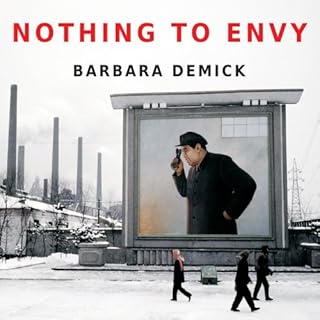
Nothing to Envy
- Ordinary Lives in North Korea
- By: Barbara Demick
- Narrated by: Karen White
- Length: 12 hrs and 29 mins
- Unabridged
-
Overall4.5 out of 5 stars 4,065
-
Performance4.5 out of 5 stars 3,169
-
Story4.5 out of 5 stars 3,165
Barbara Demick's Nothing to Envy follows the lives of six North Koreans over fifteen years - a chaotic period that saw the death of Kim Il-sung and the unchallenged rise to power of his son, Kim Jong-il, and the devastation of a far-ranging famine that killed one-fifth of the population. Taking us into a landscape never before seen, Demick brings to life what it means to be an average Korean citizen, living under the most repressive totalitarian regime today.
-
4 out of 5 stars
-
The man who wants to be GOD
- By Gohar on 05-08-10
By: Barbara Demick

-
I Know Why the Caged Bird Sings
- By: Maya Angelou
- Narrated by: Maya Angelou
- Length: 10 hrs and 11 mins
- Unabridged
-
Overall4.5 out of 5 stars 9,351
-
Performance4.5 out of 5 stars 8,232
-
Story4.5 out of 5 stars 8,200
Sent by their mother to live with their devout, self-sufficient grandmother in a small Southern town, Maya and her brother, Bailey, endure the ache of abandonment and the prejudice of the local “powhitetrash.” At eight years old, Maya is attacked by a man many times her age - and has to live with the consequences for a lifetime. But years later, she learns about love for herself and the kindness of others, her own strong spirit, and the ideas of great authors.
-
5 out of 5 stars
-
Emotional & Powerful
- By Miss Toni on 06-30-13
By: Maya Angelou

-
Mighty Be Our Powers
- How Sisterhood, Prayer, and Sex Changed a Nation at War; a Memoir
- By: Leymah Gbowee, Carol Mithers
- Narrated by: Kimberly Scott
- Length: 9 hrs and 6 mins
- Unabridged
-
Overall4.5 out of 5 stars 235
-
Performance5 out of 5 stars 187
-
Story4.5 out of 5 stars 191
As a young woman growing up in Africa, 17-year-old Leymah Gbowee was crushed by a savage war when violence reached her native Monrovia, depriving her of the education she yearned for and claiming the lives of relatives and friends. As war continued to ravage Liberia, Gbowee’s bitterness turned to rage-fueled action as she realized that women bear the greatest burden in prolonged conflicts.
-
5 out of 5 stars
-
Mighty Be Our Powers: How Sisterhood, Prayer, and
- By Kathy on 10-07-11
By: Leymah Gbowee, and others
People who viewed this also viewed...
-
Caste (Oprah's Book Club)
- The Origins of Our Discontents
- By: Isabel Wilkerson
- Narrated by: Robin Miles
- Length: 15 hrs and 10 mins
- Unabridged
-
Overall5 out of 5 stars 20,211
-
Performance5 out of 5 stars 17,566
-
Story5 out of 5 stars 17,432
In this brilliant book, Isabel Wilkerson gives us a masterful portrait of an unseen phenomenon in America as she explores, through an immersive, deeply researched narrative and stories about real people, how America today and throughout its history has been shaped by a hidden caste system, a rigid hierarchy of human rankings. Beautifully written, original, and revealing, Caste: The Origins of Our Discontents is an eye-opening story of people and history, and a reexamination of what lies under the surface of ordinary lives and of American life today.
-
5 out of 5 stars
-
Brilliant, articulate, highly listenable.
- By GM on 08-05-20
By: Isabel Wilkerson

-
Caste (Adapted for Young Adults)
- By: Isabel Wilkerson
- Narrated by: Robin Miles
- Length: 10 hrs and 15 mins
- Unabridged
-
Overall5 out of 5 stars 2
-
Performance5 out of 5 stars 2
-
Story5 out of 5 stars 2
Listeners will be fascinated by this young adult adaptation of the New York Times bestselling nonfiction work as they follow masterful narratives about real people that reveal an insidious phenomenon in the United States: a hidden caste system. Caste is not only about race or class; it is about power—which groups have it and which do not. Isabel Wilkerson explores historical social hierarchies, including those in India and Nazi Germany, and explains how perpetuating these rankings dehumanizes vast sections of society.
By: Isabel Wilkerson
-
The 1619 Project
- A New Origin Story
- By: Nikole Hannah-Jones, The New York Times Magazine, Caitlin Roper - editor, and others
- Narrated by: Nikole Hannah-Jones, Full Cast
- Length: 18 hrs and 57 mins
- Unabridged
-
Overall5 out of 5 stars 4,352
-
Performance5 out of 5 stars 3,794
-
Story5 out of 5 stars 3,777
The New York Times Magazine’s award-winning “1619 Project” issue reframed our understanding of American history by placing slavery and its continuing legacy at the center of our national narrative. This new book substantially expands on that work, weaving together 18 essays that explore the legacy of slavery in present-day America with 36 poems and works of fiction that illuminate key moments of oppression, struggle, and resistance.
-
4 out of 5 stars
-
Comprehensive and Cutting
- By Thomas Ray on 12-30-21
By: Nikole Hannah-Jones, and others

-
A Fever in the Heartland
- The Ku Klux Klan's Plot to Take Over America, and the Woman Who Stopped Them
- By: Timothy Egan
- Narrated by: Timothy Egan
- Length: 10 hrs and 29 mins
- Unabridged
-
Overall5 out of 5 stars 899
-
Performance4.5 out of 5 stars 817
-
Story5 out of 5 stars 816
The Roaring Twenties—the Jazz Age—has been characterized as a time of Gatsby frivolity. But it was also the height of the uniquely American hate group, the Ku Klux Klan. Their domain was not the old Confederacy, but the Heartland and the West. They hated Blacks, Jews, Catholics and immigrants in equal measure, and took radical steps to keep these people from the American promise. And the man who set in motion their takeover of great swaths of America was a charismatic charlatan named D.C. Stephenson.
-
5 out of 5 stars
-
This is a must read!
- By V. Richmond on 04-14-23
By: Timothy Egan

-
Stamped from the Beginning
- The Definitive History of Racist Ideas in America
- By: Ibram X. Kendi
- Narrated by: Christopher Dontrell Piper
- Length: 19 hrs and 8 mins
- Unabridged
-
Overall5 out of 5 stars 4,063
-
Performance4.5 out of 5 stars 3,550
-
Story5 out of 5 stars 3,518
Some Americans cling desperately to the myth that we are living in a post-racial society, that the election of the first Black president spelled the doom of racism. In fact, racist thought is alive and well in America - more sophisticated and more insidious than ever. And as award-winning historian Ibram X. Kendi argues in Stamped from the Beginning, if we have any hope of grappling with this stark reality, we must first understand how racist ideas were developed, disseminated, and enshrined in American society.
-
4 out of 5 stars
-
Fabulous book, poor reader
- By EBMason on 11-15-17
By: Ibram X. Kendi
-
Black AF History
- The Un-Whitewashed Story of America
- By: Michael Harriot
- Narrated by: Michael Harriot
- Length: 15 hrs and 42 mins
- Unabridged
-
Overall5 out of 5 stars 716
-
Performance5 out of 5 stars 665
-
Story5 out of 5 stars 665
America’s backstory is a whitewashed mythology implanted in our collective memory. It should come as no surprise that the dominant narrative of American history is blighted with errors and oversights—after all, history books were written by white men with their perspectives at the forefront. It could even be said that the devaluation and erasure of the Black experience is as American as apple pie. In Black AF History, Michael Harriot presents a more accurate version of American history.
-
5 out of 5 stars
-
LOVE It!
- By KMB on 09-29-23
By: Michael Harriot
-
Caste (Oprah's Book Club)
- The Origins of Our Discontents
- By: Isabel Wilkerson
- Narrated by: Robin Miles
- Length: 15 hrs and 10 mins
- Unabridged
-
Overall5 out of 5 stars 20,211
-
Performance5 out of 5 stars 17,566
-
Story5 out of 5 stars 17,432
In this brilliant book, Isabel Wilkerson gives us a masterful portrait of an unseen phenomenon in America as she explores, through an immersive, deeply researched narrative and stories about real people, how America today and throughout its history has been shaped by a hidden caste system, a rigid hierarchy of human rankings. Beautifully written, original, and revealing, Caste: The Origins of Our Discontents is an eye-opening story of people and history, and a reexamination of what lies under the surface of ordinary lives and of American life today.
-
5 out of 5 stars
-
Brilliant, articulate, highly listenable.
- By GM on 08-05-20
By: Isabel Wilkerson
-
Caste (Adapted for Young Adults)
- By: Isabel Wilkerson
- Narrated by: Robin Miles
- Length: 10 hrs and 15 mins
- Unabridged
-
Overall5 out of 5 stars 2
-
Performance5 out of 5 stars 2
-
Story5 out of 5 stars 2
Listeners will be fascinated by this young adult adaptation of the New York Times bestselling nonfiction work as they follow masterful narratives about real people that reveal an insidious phenomenon in the United States: a hidden caste system. Caste is not only about race or class; it is about power—which groups have it and which do not. Isabel Wilkerson explores historical social hierarchies, including those in India and Nazi Germany, and explains how perpetuating these rankings dehumanizes vast sections of society.
By: Isabel Wilkerson
-
The 1619 Project
- A New Origin Story
- By: Nikole Hannah-Jones, The New York Times Magazine, Caitlin Roper - editor, and others
- Narrated by: Nikole Hannah-Jones, Full Cast
- Length: 18 hrs and 57 mins
- Unabridged
-
Overall5 out of 5 stars 4,352
-
Performance5 out of 5 stars 3,794
-
Story5 out of 5 stars 3,777
The New York Times Magazine’s award-winning “1619 Project” issue reframed our understanding of American history by placing slavery and its continuing legacy at the center of our national narrative. This new book substantially expands on that work, weaving together 18 essays that explore the legacy of slavery in present-day America with 36 poems and works of fiction that illuminate key moments of oppression, struggle, and resistance.
-
4 out of 5 stars
-
Comprehensive and Cutting
- By Thomas Ray on 12-30-21
By: Nikole Hannah-Jones, and others
-
A Fever in the Heartland
- The Ku Klux Klan's Plot to Take Over America, and the Woman Who Stopped Them
- By: Timothy Egan
- Narrated by: Timothy Egan
- Length: 10 hrs and 29 mins
- Unabridged
-
Overall5 out of 5 stars 899
-
Performance4.5 out of 5 stars 817
-
Story5 out of 5 stars 816
The Roaring Twenties—the Jazz Age—has been characterized as a time of Gatsby frivolity. But it was also the height of the uniquely American hate group, the Ku Klux Klan. Their domain was not the old Confederacy, but the Heartland and the West. They hated Blacks, Jews, Catholics and immigrants in equal measure, and took radical steps to keep these people from the American promise. And the man who set in motion their takeover of great swaths of America was a charismatic charlatan named D.C. Stephenson.
-
5 out of 5 stars
-
This is a must read!
- By V. Richmond on 04-14-23
By: Timothy Egan
-
Stamped from the Beginning
- The Definitive History of Racist Ideas in America
- By: Ibram X. Kendi
- Narrated by: Christopher Dontrell Piper
- Length: 19 hrs and 8 mins
- Unabridged
-
Overall5 out of 5 stars 4,063
-
Performance4.5 out of 5 stars 3,550
-
Story5 out of 5 stars 3,518
Some Americans cling desperately to the myth that we are living in a post-racial society, that the election of the first Black president spelled the doom of racism. In fact, racist thought is alive and well in America - more sophisticated and more insidious than ever. And as award-winning historian Ibram X. Kendi argues in Stamped from the Beginning, if we have any hope of grappling with this stark reality, we must first understand how racist ideas were developed, disseminated, and enshrined in American society.
-
4 out of 5 stars
-
Fabulous book, poor reader
- By EBMason on 11-15-17
By: Ibram X. Kendi
-
Black AF History
- The Un-Whitewashed Story of America
- By: Michael Harriot
- Narrated by: Michael Harriot
- Length: 15 hrs and 42 mins
- Unabridged
-
Overall5 out of 5 stars 716
-
Performance5 out of 5 stars 665
-
Story5 out of 5 stars 665
America’s backstory is a whitewashed mythology implanted in our collective memory. It should come as no surprise that the dominant narrative of American history is blighted with errors and oversights—after all, history books were written by white men with their perspectives at the forefront. It could even be said that the devaluation and erasure of the Black experience is as American as apple pie. In Black AF History, Michael Harriot presents a more accurate version of American history.
-
5 out of 5 stars
-
LOVE It!
- By KMB on 09-29-23
By: Michael Harriot

-
Study Guide: Caste: The Origins of Our Discontents by Isabel Wilkerson
- SuperSummary
- By: SuperSummary
- Narrated by: Molly Gallegos
- Length: 3 hrs and 40 mins
- Unabridged
-
Overall5 out of 5 stars 1
-
Performance5 out of 5 stars 1
-
Story5 out of 5 stars 1
This audio study guide for Caste: The Origins of Our Discontents by Isabel Wilkerson includes detailed summary and analysis of each chapter and an in-depth exploration of the book’s multiple symbols, motifs, and themes such as the invisibility of power and physical and emotional violence as a key to caste. Featured content also includes commentary on major characters, 25 important quotes, essay questions, and discussion topics.
By: SuperSummary

-
The Beloved Vision
- A History of Nineteenth Century Music
- By: Stephen Walsh
- Narrated by: Michael Page
- Length: 15 hrs and 53 mins
- Unabridged
-
Overall0 out of 5 stars 0
-
Performance0 out of 5 stars 0
-
Story0 out of 5 stars 0
The Beloved Vision links the music history of this singular epoch to the ideas that lay behind Romanticism in all its manifestations. In this account, we come to understand the phase in music history that has become the mainstay of the twentieth and twenty-first century concert and operatic repertoire.
By: Stephen Walsh

-
The History of the Ancient World
- From the Earliest Accounts to the Fall of Rome
- By: Susan Wise Bauer
- Narrated by: John Lee
- Length: 26 hrs and 20 mins
- Unabridged
-
Overall4.5 out of 5 stars 5,483
-
Performance4.5 out of 5 stars 4,799
-
Story4.5 out of 5 stars 4,772
This is the first volume in a bold new series that tells the stories of all peoples, connecting historical events from Europe to the Middle East to the far coast of China, while still giving weight to the characteristics of each country. Susan Wise Bauer provides both sweeping scope and vivid attention to the individual lives that give flesh to abstract assertions about human history. This narrative history employs the methods of "history from beneath" - literature, epic traditions, private letters, and accounts - to connect kings and leaders with the lives of those they ruled.
-
5 out of 5 stars
-
An Historic Achievement
- By Ellen S. Wilds on 04-25-14
By: Susan Wise Bauer

-
Slavery by Another Name
- The Re-Enslavement of Black Americans from the Civil War to World War II
- By: Douglas A. Blackmon
- Narrated by: Dennis Boutsikaris
- Length: 15 hrs and 53 mins
- Unabridged
-
Overall4.5 out of 5 stars 1,987
-
Performance4.5 out of 5 stars 1,691
-
Story5 out of 5 stars 1,682
In this groundbreaking historical expose, Douglas A. Blackmon brings to light one of the most shameful chapters in American history - an Age of Neoslavery that thrived from the aftermath of the Civil War through the dawn of World War II.
-
5 out of 5 stars
-
Steel Yourself
- By Mark on 05-23-14

-
Lost Fatherland
- Europeans between Empire and Nation-States, 1867-1939
- By: Iryna Vushko
- Narrated by: Angela Juarez
- Length: 12 hrs and 38 mins
- Unabridged
-
Overall0 out of 5 stars 0
-
Performance0 out of 5 stars 0
-
Story0 out of 5 stars 0
How the demise of the Habsburg Empire, postwar sovereignty, and new diplomatic frontiers shaped the nature of citizenship, identity, and belonging across Europe.
By: Iryna Vushko
-
Cuba (Winner of the Pulitzer Prize)
- An American History
- By: Ada Ferrer
- Narrated by: Alma Cuervo, Ada Ferrer - prologue
- Length: 23 hrs and 13 mins
- Unabridged
-
Overall4.5 out of 5 stars 834
-
Performance5 out of 5 stars 723
-
Story4.5 out of 5 stars 722
In 1961, at the height of the Cold War, the United States severed diplomatic relations with Cuba, where a momentous revolution had taken power three years earlier. For more than half a century, the stand-off continued—through the tenure of ten American presidents and the fifty-year rule of Fidel Castro. His death in 2016, and the retirement of his brother and successor Raúl Castro in 2021, have spurred questions about the country’s future. Spanning more than five centuries, Cuba provides us with a front-row seat as we witness the evolution of the modern nation.
-
1 out of 5 stars
-
US Bash Job
- By Derek & Amber Witt on 04-14-22
By: Ada Ferrer

-
A People's History of the United States
- By: Howard Zinn
- Narrated by: Jeff Zinn
- Length: 34 hrs and 8 mins
- Unabridged
-
Overall4.5 out of 5 stars 8,936
-
Performance4.5 out of 5 stars 7,524
-
Story4.5 out of 5 stars 7,539
For much of his life, historian Howard Zinn chronicled American history from the bottom up, throwing out the official version taught in schools - with its emphasis on great men in high places - to focus on the street, the home, and the workplace. Known for its lively, clear prose as well as its scholarly research, A People's History of the United States is the only volume to tell America's story from the point of view of - and in the words of - America's women, factory workers, African-Americans, Native Americans, the working poor, and immigrant laborers.
-
2 out of 5 stars
-
Amateur hour in the production booth
- By Thomas on 11-09-10
By: Howard Zinn

-
Study Guide: The Warmth of Other Suns by Isabel Wilkerson
- By: SuperSummary
- Narrated by: Nia Watenza
- Length: 1 hr and 33 mins
- Unabridged
-
Overall5 out of 5 stars 1
-
Performance5 out of 5 stars 1
-
Story5 out of 5 stars 1
SuperSummary, a modern alternative to SparkNotes and CliffsNotes, offers high-quality instructional study guides for challenging works of literature. This audio study guide for The Warmth of Other Suns by Isabel Wilkerson includes detailed summary and analysis of each chapter and an in-depth exploration of the book’s multiple symbols, motifs, and themes such as segregation and "separate but equal", the generational divide, and community obligation. Featured content also includes commentary on major characters, 25 important quotes, essay questions, and discussion topics.
By: SuperSummary

-
Kaste
- Die Ursprünge unseres Unbehagens
- By: Isabel Wilkerson
- Narrated by: Maya Alban-Zapata
- Length: 14 hrs and 24 mins
- Unabridged
-
Overall0 out of 5 stars 0
-
Performance0 out of 5 stars 0
-
Story0 out of 5 stars 0
Rassismus, Sexismus, Klassismus sind Sprachen der Unterdrückung. Die Grammatik, die ihnen unsichtbar zugrunde liegt, ist das System der Kaste. In ihrer augenöffnenden Analyse legt die Historikerin und Journalistin Isabel Wilkerson den Blick frei auf eben dieses Regelwerk, nach dem wir entscheiden, wem in einer Gesellschaft Ressourcen und Respekt zugestanden werden – und wem nicht. Wilkerson betrachtet neben den USA die Kastensysteme Indiens und des Dritten Reichs.
By: Isabel Wilkerson

-
Summary of The Warmth of Other Suns: Includes Key Takeaways & Analysis
- By: FastReads
- Narrated by: L.K. Negron
- Length: 1 hr and 43 mins
- Unabridged
-
Overall4.5 out of 5 stars 21
-
Performance4 out of 5 stars 19
-
Story4 out of 5 stars 17
This FastReads summary offers supplementary material to The Warmth of Other Suns to help you distill the key takeaways, review the book's content, and further understand the writing style and overall themes from an editorial perspective. Whether you'd like to deepen your understanding, refresh your memory, or simply decide whether or not this book is for you, FastReads is here to help. Absorb everything you need to know quickly!
By: FastReads
-
The Song and the Silence
- A Story About Family, Race, and What Was Revealed in a Small Town in the Mississippi Delta While Searching for Booker Wright
- By: Yvette Johnson
- Narrated by: Robin Miles
- Length: 9 hrs and 42 mins
- Unabridged
-
Overall4.5 out of 5 stars 204
-
Performance5 out of 5 stars 184
-
Story4.5 out of 5 stars 183
"Have to keep that smile", said Booker Wright in the 1966 NBC documentary Mississippi: A Self-Portrait. At the time Wright was a waiter in a Whites-only restaurant and a local business owner who would become an unwitting icon of the civil rights movement. For he did the unthinkable: Before a national audience, he described what life was truly like for the Black people of Greenwood, Mississippi.
-
5 out of 5 stars
-
Exceeded every expectation
- By ZeeJ84 on 05-23-21
By: Yvette Johnson
-
Between the World and Me
- By: Ta-Nehisi Coates
- Narrated by: Ta-Nehisi Coates
- Length: 3 hrs and 35 mins
- Unabridged
-
Overall5 out of 5 stars 30,935
-
Performance5 out of 5 stars 27,310
-
Story5 out of 5 stars 27,124
Americans have built an empire on the idea of “race”, a falsehood that damages us all but falls most heavily on the bodies of Black women and men - bodies exploited through slavery and segregation and, today, threatened, locked up, and murdered out of all proportion. What is it like to inhabit a Black body and find a way to live within it? And how can we all honestly reckon with this fraught history and free ourselves from its burden? Between the World and Me is Ta-Nehisi Coates’ attempt to answer these questions in a letter to his adolescent son.
-
5 out of 5 stars
-
A Heartfelt Self-aware Literary Masterpiece
- By T Spencer on 07-30-15
By: Ta-Nehisi Coates
What listeners say about The Warmth of Other Suns
Average customer ratingsReviews - Please select the tabs below to change the source of reviews.
-
Overall4 out of 5 stars
-
Performance4 out of 5 stars
-
Story4 out of 5 stars

- Rebecca
- 10-23-11
Great storytelling and history
Excellent book about the Jim Crow south, and civil rights movement as told through statistics, historical events and also the intimate story of three individuals, Robert Pershing Foster (Louisiana to Los Angeles), George Starling (Florida to New York), Ida Mae Gladney (Mississippi to Chicago). Definitely a labor of love as it helped Isabel better understand her parents.
If "The Help", opened the door a bit, this is an excellent follow-up to kick that door down. I have a better inkling now. While I can't totally understand, Ms. Wilkerson helped bring it home.
Something went wrong. Please try again in a few minutes.
You voted on this review!
You reported this review!
2 people found this helpful
-
Overall5 out of 5 stars
-
Performance4 out of 5 stars
-
Story5 out of 5 stars
- eedgirl
- 11-22-13
Roots Left Off, The Warmth Of Other Suns Picks Up
Would you recommend this audiobook to a friend? If so, why?
Already have! The stories are a rich tapestry of the Black American migration to the north following the development of Jim Crow laws in the south. I had never considered the "how or why" so many blacks live in the cities of Detroit, St. Louis, Milwaukee, or Los Angeles. This book opened my eyes to yet another chapter in the American experience. It reminded me of the phrase "Those who cannot remember the past are condemned to repeat it". The strength and perserverance of some people amaze and humble me when I read a story like The Warmth of Other Suns.
Something went wrong. Please try again in a few minutes.
You voted on this review!
You reported this review!
2 people found this helpful
-
Overall5 out of 5 stars
-
Performance5 out of 5 stars
-
Story5 out of 5 stars
- Rick
- 03-29-23
Best listen in a long time.
I loved this book. I taught US History for 20 years and knew of the Great MIgration, I only wish I had read this book long ago as a resource. It looks at the event both in a broad picture analysis of the migration as a whole, and narrows focus to the experiences of three individuals who made the move from South to North. I liked the many comparisons she made to the immigration process that my ancestors would have experienced coming from Europe and how similar they were to African Americans moving north. The use of three particpants biographies really personalizes the listen as you come to like and respect them to varying degrees. The stories of these three ordinary people taking part in an extraordinary event draws you into the story completely. The author writes so well of them that it proves a biography does not have to focus on the lives of great men to be interesting if it is so well written. You celebrate with them when they experience success and may shed a tear when they experience loss or hardship. The book is particulaly enlightening on the African American experience in the South and North. The biographys are broken down into three eras. Life in the South and what drove people to leave. The move to a new life in the North and the early struggles to assimilate into a new culture and finally the long term establishment of a life in the new land. She makes many persuasive arguments about the stereotypes developed and how the migration changed both the North and the South and the people involved. The reader was new to me, but she has a great voice to listen to that drew you into the text even more. A perfect match of book to reader.
Something went wrong. Please try again in a few minutes.
You voted on this review!
You reported this review!
2 people found this helpful
-
Overall5 out of 5 stars
-
Performance5 out of 5 stars
-
Story5 out of 5 stars
- Skip
- 05-11-14
EXCELLENT
Would you consider the audio edition of The Warmth of Other Suns to be better than the print version?
Did not read the print version
What other book might you compare The Warmth of Other Suns to and why?
"The Worst Hard Time" by Timothy Egan
Any additional comments?
This book should be required reading in all High Schools.
Something went wrong. Please try again in a few minutes.
You voted on this review!
You reported this review!
1 person found this helpful
-
Overall5 out of 5 stars
-
Performance5 out of 5 stars
-
Story5 out of 5 stars
- KTS
- 03-01-18
Let us always remember and understand.
I recommend that everyone read "The Warmth of Other Suns" a history of the America's Great Migration on southern blacks to norther and western states to escape Jim Crow, the Klan, and share cropping. It is important now more than ever. It is clear that we again slide backwards. The stories in this book should instill shame in every American white, and fear and pride in every American of African heritage. many of the tales are sad and horrifying as those of the Holocaust or any genocide, yet critically important to hear and remember. Others are heartwarming and speak to the resilience of human spirit. Those who forget the past are doomed to repeat it.
Something went wrong. Please try again in a few minutes.
You voted on this review!
You reported this review!
1 person found this helpful
-
Overall4 out of 5 stars
-
Performance4 out of 5 stars
-
Story3 out of 5 stars
- Richard
- 09-15-12
History never to be forgotten
Would you listen to The Warmth of Other Suns again? Why?
Maybe not this particular book--it's a narrative based on facts from interviews and memories, very vivid. More vivid than Stockett's The Help with the horror of Jim Crow dominated lives. But once heard, I would turn to additional literature or memoir about the lives of black people in the US.
Something went wrong. Please try again in a few minutes.
You voted on this review!
You reported this review!
-
Overall5 out of 5 stars
-
Performance5 out of 5 stars
-
Story5 out of 5 stars
- lina
- 06-05-15
Breathtaking.
So beautiful and simply required reading for all Americans. It is the best sort of popular history, and so well performed.
Something went wrong. Please try again in a few minutes.
You voted on this review!
You reported this review!
-
Overall5 out of 5 stars
-
Performance4 out of 5 stars
-
Story5 out of 5 stars
- Morgan Wilson
- 12-12-15
Easy-To-Follow Migration Experience
Loved the audiobook! It made the story much easier to follow than reading the physical book. (Just a personal thing for me.) I actually started the beginning of the physical book for a school assignment and remembered only a few things, such as Ida Mae's culture shock with the big city of Detroit and Robert's drive to California. Still interested in this work, I started over with the audiobook and picked up lots of things that I missed before. (I didn't know George was a train conductor! I love trains!)
I'm docking one star from "Performance" because Robin Miles mispronounced a word or two toward the beginning of the book (e.g. adding an "s" to a singular word). Otherwise, she was a great narrator, as she brought motion and life to the story and even used an authentic southern accent to the dialogues.
Something went wrong. Please try again in a few minutes.
You voted on this review!
You reported this review!
-
Overall4 out of 5 stars
-
Performance5 out of 5 stars
-
Story5 out of 5 stars
- Martina
- 02-26-16
Brilliant
This is a topic that should be covered in every high school history class. It tied things together and gave a timeline to individual things I have already known. It was nice to pick people that took very different routes/directions and follow their lives. The audio narrator (Robin Miles) was a gifted storyteller. Gave an overall rating of 4 stars because it could have been shorter if somethings were edited out since they were covered in previous chapters.
Something went wrong. Please try again in a few minutes.
You voted on this review!
You reported this review!
-
Overall5 out of 5 stars
-
Performance5 out of 5 stars
-
Story5 out of 5 stars
- Amazon Customer
- 08-10-15
Moving. Enlightening.
so much about recent times that I never knew or understood, described in vivid ways I could feel, smell, taste, and remember. this book will likely change any listener... for the better.
Something went wrong. Please try again in a few minutes.
You voted on this review!
You reported this review!