

Bestsellers
Looking for your next great listen? Start with Audible’s Top 100 Best Sellers. For a focused search, click on the name of your favorite fiction genre—e.g., Mysteries, Romance, Sci-Fi—or any topic from History to Sports. You’ll get a list of the top 100 best sellers in that category. With 24 categories to choose from, you’re sure to find content to meet your needs, stories to match your mood, and insights to open your mind.All Categories
Top 100-

-
The Women
- A Novel
- By: Kristin Hannah
- Narrated by: Julia Whelan, Kristin Hannah
- Length: 14 hrs and 57 mins
- Unabridged
-
Overall5 out of 5 stars 16,366
-
Performance5 out of 5 stars 15,847
-
Story5 out of 5 stars 15,848
From the celebrated author of The Nightingale and The Four Winds comes Kristin Hannah's The Women—at once an intimate portrait of coming of age in a dangerous time and an epic tale of a nation divided....
-
5 out of 5 stars
-
Kristin Hannah Knocked it Out of the Park
- By Danielle Dugdale on 02-09-24
-
1. The Women
- A Novel
- Narrated by: Julia Whelan, Kristin Hannah
- Length: 14 hrs and 57 mins
- Release date: 02-06-24
- Language: English
Failed to add items
Sorry, we are unable to add the item because your shopping cart is already at capacity.Add to Cart failed.
Please try again laterAdd to Wish List failed.
Please try again laterRemove from wishlist failed.
Please try again laterAdding to library failed
Please try againFollow podcast failed
Please try againUnfollow podcast failed
Please try againRegular price: $24.74 or 1 credit
Sale price: $24.74 or 1 credit
-
-

-
Funny Story
- By: Emily Henry
- Narrated by: Julia Whelan
- Length: 11 hrs and 23 mins
- Unabridged
-
Overall5 out of 5 stars 73
-
Performance5 out of 5 stars 73
-
Story4.5 out of 5 stars 73
A shimmering, joyful new novel about a pair of opposites with the wrong thing in common, from #1 New York Times bestselling author Emily Henry....
-
5 out of 5 stars
-
In love with these characters
- By Jacqueline Cortez on 04-24-24
-
2. Funny Story
- Narrated by: Julia Whelan
- Length: 11 hrs and 23 mins
- Release date: 04-23-24
- Language: English
Failed to add items
Sorry, we are unable to add the item because your shopping cart is already at capacity.Add to Cart failed.
Please try again laterAdd to Wish List failed.
Please try again laterRemove from wishlist failed.
Please try again laterAdding to library failed
Please try againFollow podcast failed
Please try againUnfollow podcast failed
Please try againRegular price: $20.25 or 1 credit
Sale price: $20.25 or 1 credit
-
-

-
The Anxious Generation
- How the Great Rewiring of Childhood Is Causing an Epidemic of Mental Illness
- By: Jonathan Haidt
- Narrated by: Sean Pratt, Jonathan Haidt
- Length: 10 hrs and 32 mins
- Unabridged
-
Overall5 out of 5 stars 301
-
Performance5 out of 5 stars 293
-
Story5 out of 5 stars 293
From New York Times bestselling co-author of The Coddling of the American Mind, an essential investigation into the collapse in youth mental health—and a scientifically proven path to health and strength....
-
5 out of 5 stars
-
Empowering Information for Parents
- By Jeffrey on 04-13-24
-
3. The Anxious Generation
- How the Great Rewiring of Childhood Is Causing an Epidemic of Mental Illness
- Narrated by: Sean Pratt, Jonathan Haidt
- Length: 10 hrs and 32 mins
- Release date: 03-26-24
- Language: English
Failed to add items
Sorry, we are unable to add the item because your shopping cart is already at capacity.Add to Cart failed.
Please try again laterAdd to Wish List failed.
Please try again laterRemove from wishlist failed.
Please try again laterAdding to library failed
Please try againFollow podcast failed
Please try againUnfollow podcast failed
Please try againRegular price: $20.25 or 1 credit
Sale price: $20.25 or 1 credit
-
-

-
Just for the Summer
- By: Abby Jimenez
- Narrated by: Christine Lakin, Zachary Webber, Abby Jimenez
- Length: 11 hrs and 43 mins
- Unabridged
-
Overall5 out of 5 stars 1,832
-
Performance5 out of 5 stars 1,773
-
Story5 out of 5 stars 1,773
Justin has a curse, and thanks to a Reddit thread, it's now all over the internet. Every woman he dates goes on to find their soul mate the second they break up. When a woman slides into his DMs with the same problem, they come up with a plan: They'll date each other and break up....
-
5 out of 5 stars
-
*fans face to hold back tears of joy*
- By Leesavee on 04-10-24
-
4. Just for the Summer
- Narrated by: Christine Lakin, Zachary Webber, Abby Jimenez
- Length: 11 hrs and 43 mins
- Release date: 04-02-24
- Language: English
Failed to add items
Sorry, we are unable to add the item because your shopping cart is already at capacity.Add to Cart failed.
Please try again laterAdd to Wish List failed.
Please try again laterRemove from wishlist failed.
Please try again laterAdding to library failed
Please try againFollow podcast failed
Please try againUnfollow podcast failed
Please try againRegular price: $21.83 or 1 credit
Sale price: $21.83 or 1 credit
-
-

-
Iron Flame
- Empyrean, Book 2
- By: Rebecca Yarros
- Narrated by: Rebecca Soler, Teddy Hamilton
- Length: 28 hrs and 16 mins
- Unabridged
-
Overall4.5 out of 5 stars 18,743
-
Performance4.5 out of 5 stars 17,741
-
Story4.5 out of 5 stars 17,738
Everyone expected Violet Sorrengail to die during her first year at Basgiath War College―Violet included. But Threshing was only the first impossible test meant to weed out the weak-willed, the unworthy, and the unlucky....
-
2 out of 5 stars
-
I wish I could throw this book off a cliff.
- By Rebekah L Johnson on 11-10-23
-
5. Iron Flame
- Empyrean, Book 2
- Narrated by: Rebecca Soler, Teddy Hamilton
- Series: Empyrean, Book 2
- Length: 28 hrs and 16 mins
- Release date: 11-07-23
- Language: English
Failed to add items
Sorry, we are unable to add the item because your shopping cart is already at capacity.Add to Cart failed.
Please try again laterAdd to Wish List failed.
Please try again laterRemove from wishlist failed.
Please try again laterAdding to library failed
Please try againFollow podcast failed
Please try againUnfollow podcast failed
Please try againRegular price: $30.09 or 1 credit
Sale price: $30.09 or 1 credit
-
-
-
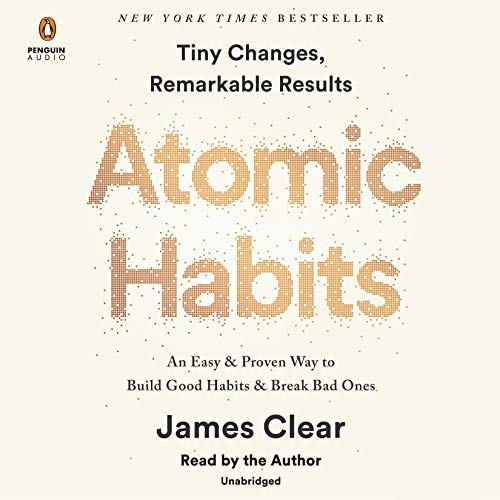
Atomic Habits
- An Easy & Proven Way to Build Good Habits & Break Bad Ones
- By: James Clear
- Narrated by: James Clear
- Length: 5 hrs and 35 mins
- Unabridged
-
Overall5 out of 5 stars 134,084
-
Performance5 out of 5 stars 109,484
-
Story5 out of 5 stars 108,431
No matter your goals, Atomic Habits offers a proven framework for improving - every day. James Clear, one of the world's leading experts on habit formation, reveals practical strategies that will teach you exactly how to form good habits, break bad ones....
-
2 out of 5 stars
-
Author went overboard hawking his site
- By CHughes on 06-25-19
-
6. Atomic Habits
- An Easy & Proven Way to Build Good Habits & Break Bad Ones
- Narrated by: James Clear
- Length: 5 hrs and 35 mins
- Release date: 10-16-18
- Language: English
Failed to add items
Sorry, we are unable to add the item because your shopping cart is already at capacity.Add to Cart failed.
Please try again laterAdd to Wish List failed.
Please try again laterRemove from wishlist failed.
Please try again laterAdding to library failed
Please try againFollow podcast failed
Please try againUnfollow podcast failed
Please try againRegular price: $18.00 or 1 credit
Sale price: $18.00 or 1 credit
-
-

-
The Covenant of Water
- By: Abraham Verghese
- Narrated by: Abraham Verghese
- Length: 31 hrs and 16 mins
- Unabridged
-
Overall4.5 out of 5 stars 6,540
-
Performance4.5 out of 5 stars 5,724
-
Story4.5 out of 5 stars 5,713
Spanning the years 1900 to 1977, The Covenant of Water is set in Kerala, on South India’s Malabar Coast, and follows three generations of a family that suffers a peculiar affliction: in every generation, at least one person dies by drowning—and in Kerala, water is everywhere....
-
5 out of 5 stars
-
Story Telling At Its Best
- By Regina on 05-06-23
-
7. The Covenant of Water
- Narrated by: Abraham Verghese
- Length: 31 hrs and 16 mins
- Release date: 05-02-23
- Language: English
Failed to add items
Sorry, we are unable to add the item because your shopping cart is already at capacity.Add to Cart failed.
Please try again laterAdd to Wish List failed.
Please try again laterRemove from wishlist failed.
Please try again laterAdding to library failed
Please try againFollow podcast failed
Please try againUnfollow podcast failed
Please try againRegular price: $30.09 or 1 credit
Sale price: $30.09 or 1 credit
-
-

-
Fourth Wing
- Empyrean, Book 1
- By: Rebecca Yarros
- Narrated by: Rebecca Soler, Teddy Hamilton
- Length: 21 hrs and 22 mins
- Unabridged
-
Overall4.5 out of 5 stars 28,989
-
Performance4.5 out of 5 stars 26,997
-
Story4.5 out of 5 stars 27,001
Enter the brutal and elite world of a war college for dragon riders from USA Today bestselling author Rebecca Yarros....
-
3 out of 5 stars
-
Erotica with Dragons
- By Trev on 05-13-23
-
8. Fourth Wing
- Empyrean, Book 1
- Narrated by: Rebecca Soler, Teddy Hamilton
- Series: Empyrean, Book 1
- Length: 21 hrs and 22 mins
- Release date: 05-02-23
- Language: English
Failed to add items
Sorry, we are unable to add the item because your shopping cart is already at capacity.Add to Cart failed.
Please try again laterAdd to Wish List failed.
Please try again laterRemove from wishlist failed.
Please try again laterAdding to library failed
Please try againFollow podcast failed
Please try againUnfollow podcast failed
Please try againRegular price: $24.24 or 1 credit
Sale price: $24.24 or 1 credit
-
-

-
Supercommunicators
- How to Unlock the Secret Language of Connection
- By: Charles Duhigg
- Narrated by: Charles Duhigg
- Length: 7 hrs and 28 mins
- Unabridged
-
Overall4.5 out of 5 stars 482
-
Performance4.5 out of 5 stars 465
-
Story4.5 out of 5 stars 465
Come inside a jury room as one juror leads a starkly divided room to consensus. Join a young CIA officer as he recruits a reluctant foreign agent....
-
2 out of 5 stars
-
Nothing groundbreaking.
- By Fratelli Companies on 02-24-24
-
9. Supercommunicators
- How to Unlock the Secret Language of Connection
- Narrated by: Charles Duhigg
- Length: 7 hrs and 28 mins
- Release date: 02-20-24
- Language: English
Failed to add items
Sorry, we are unable to add the item because your shopping cart is already at capacity.Add to Cart failed.
Please try again laterAdd to Wish List failed.
Please try again laterRemove from wishlist failed.
Please try again laterAdding to library failed
Please try againFollow podcast failed
Please try againUnfollow podcast failed
Please try againRegular price: $20.25 or 1 credit
Sale price: $20.25 or 1 credit
-
-

-
Restless Stars
- Zodiac Academy 9
- By: Caroline Peckham, Susanne Valenti
- Narrated by: Bridget Bordeaux, Jake Bordeaux
- Length: 34 hrs and 26 mins
- Unabridged
-
Overall5 out of 5 stars 11
-
Performance5 out of 5 stars 11
-
Story5 out of 5 stars 11
We are all and nothing now, our fate weighed on the scales of the stars and counterbalanced by the forces that oppose us. The shadow of the false king spreads as thick as oil across the kingdom we were born to rule, and none remain untouched by its darkness.
-
5 out of 5 stars
-
The True Queens and the End of an Era
- By ➷➹➸❥HFB🔹🔹🔹 on 04-23-24
-
10. Restless Stars
- Zodiac Academy 9
- Narrated by: Bridget Bordeaux, Jake Bordeaux
- Series: Zodiac Academy, Book 9
- Length: 34 hrs and 26 mins
- Release date: 04-23-24
- Language: English
Failed to add items
Sorry, we are unable to add the item because your shopping cart is already at capacity.Add to Cart failed.
Please try again laterAdd to Wish List failed.
Please try again laterRemove from wishlist failed.
Please try again laterAdding to library failed
Please try againFollow podcast failed
Please try againUnfollow podcast failed
Please try againRegular price: $29.95 or 1 credit
Sale price: $29.95 or 1 credit
-
-

-
A Calamity of Souls
- By: David Baldacci
- Narrated by: David Baldacci, MacLeod Andrews, Sisi Aisha Johnson, and others
- Length: 14 hrs and 28 mins
- Unabridged
-
Overall5 out of 5 stars 206
-
Performance5 out of 5 stars 192
-
Story4.5 out of 5 stars 192
Set in the tumultuous year of 1968 in southern Virginia, a racially-charged murder case sets a duo of white and Black lawyers against a deeply unfair system as they work to defend their wrongfully-accused Black defendants in this courtroom drama from author David Baldacci....
-
5 out of 5 stars
-
Loved this book!!!!
- By shelley on 04-17-24
-
11. A Calamity of Souls
- Narrated by: David Baldacci, MacLeod Andrews, Sisi Aisha Johnson, Kiiri Sandy, Cary Hite
- Length: 14 hrs and 28 mins
- Release date: 04-16-24
- Language: English
Failed to add items
Sorry, we are unable to add the item because your shopping cart is already at capacity.Add to Cart failed.
Please try again laterAdd to Wish List failed.
Please try again laterRemove from wishlist failed.
Please try again laterAdding to library failed
Please try againFollow podcast failed
Please try againUnfollow podcast failed
Please try againRegular price: $24.95 or 1 credit
Sale price: $24.95 or 1 credit
-
-

-
First Lie Wins
- A Novel
- By: Ashley Elston
- Narrated by: Saskia Maarleveld
- Length: 9 hrs and 16 mins
- Unabridged
-
Overall4.5 out of 5 stars 11,135
-
Performance4.5 out of 5 stars 10,762
-
Story4.5 out of 5 stars 10,760
Evie Porter has everything a nice, Southern girl could want: a perfect, doting boyfriend, a house with a white picket fence and a garden, a fancy group of friends. The only catch: Evie Porter doesn’t exist....
-
5 out of 5 stars
-
What’s The lie?
- By Luke Schafer on 01-13-24
-
12. First Lie Wins
- A Novel
- Narrated by: Saskia Maarleveld
- Length: 9 hrs and 16 mins
- Release date: 01-02-24
- Language: English
Failed to add items
Sorry, we are unable to add the item because your shopping cart is already at capacity.Add to Cart failed.
Please try again laterAdd to Wish List failed.
Please try again laterRemove from wishlist failed.
Please try again laterAdding to library failed
Please try againFollow podcast failed
Please try againUnfollow podcast failed
Please try againRegular price: $22.28 or 1 credit
Sale price: $22.28 or 1 credit
-
-

-
Harry Potter and the Philosopher's Stone (Narrated by Stephen Fry)
- By: J.K. Rowling
- Narrated by: Stephen Fry
- Length: 8 hrs and 25 mins
- Unabridged
-
Overall5 out of 5 stars 94
-
Performance5 out of 5 stars 93
-
Story5 out of 5 stars 93
Stephen Fry brings the richness of these magical stories to life in the original British recordings, available for the first time in the United States and Canada.
-
4 out of 5 stars
-
The same great story, but with British flavor
- By t on 04-18-24
-
13. Harry Potter and the Philosopher's Stone (Narrated by Stephen Fry)
- Narrated by: Stephen Fry
- Series: Harry Potter (Narrated by Stephen Fry), Book 1
- Length: 8 hrs and 25 mins
- Release date: 04-18-24
- Language: English
Failed to add items
Sorry, we are unable to add the item because your shopping cart is already at capacity.Add to Cart failed.
Please try again laterAdd to Wish List failed.
Please try again laterRemove from wishlist failed.
Please try again laterAdding to library failed
Please try againFollow podcast failed
Please try againUnfollow podcast failed
Please try againRegular price: $29.99 or 1 credit
Sale price: $29.99 or 1 credit
-
-

-
The Heaven & Earth Grocery Store
- A Novel
- By: James McBride
- Narrated by: Dominic Hoffman
- Length: 12 hrs and 21 mins
- Unabridged
-
Overall4.5 out of 5 stars 6,343
-
Performance5 out of 5 stars 5,957
-
Story4.5 out of 5 stars 5,955
In 1972, when workers in Pottstown, Pennsylvania, were digging the foundations for a new development, the last thing they expected to find was a skeleton at the bottom of a well....
-
3 out of 5 stars
-
Multiple Stories Obfuscate Narrative
- By Stephnsea on 08-12-23
-
14. The Heaven & Earth Grocery Store
- A Novel
- Narrated by: Dominic Hoffman
- Length: 12 hrs and 21 mins
- Release date: 08-08-23
- Language: English
Failed to add items
Sorry, we are unable to add the item because your shopping cart is already at capacity.Add to Cart failed.
Please try again laterAdd to Wish List failed.
Please try again laterRemove from wishlist failed.
Please try again laterAdding to library failed
Please try againFollow podcast failed
Please try againUnfollow podcast failed
Please try againRegular price: $22.50 or 1 credit
Sale price: $22.50 or 1 credit
-
-

-
Tress of the Emerald Sea
- A Cosmere Novel
- By: Brandon Sanderson
- Narrated by: Michael Kramer
- Length: 12 hrs and 27 mins
- Unabridged
-
Overall5 out of 5 stars 1
-
Performance5 out of 5 stars 1
-
Story5 out of 5 stars 1
The only life Tress has known on her island home in an emerald-green ocean has been a simple one, with the simple pleasures of collecting cups brought by sailors from faraway lands and listening to stories told by her friend Charlie.
-
15. Tress of the Emerald Sea
- A Cosmere Novel
- Narrated by: Michael Kramer
- Series: Secret Projects, Book 1
- Length: 12 hrs and 27 mins
- Release date: 04-23-24
- Language: English
Failed to add items
Sorry, we are unable to add the item because your shopping cart is already at capacity.Add to Cart failed.
Please try again laterAdd to Wish List failed.
Please try again laterRemove from wishlist failed.
Please try again laterAdding to library failed
Please try againFollow podcast failed
Please try againUnfollow podcast failed
Please try againRegular price: $20.99 or 1 credit
Sale price: $20.99 or 1 credit
-
-

-
Dune
- By: Frank Herbert
- Narrated by: Scott Brick, Orlagh Cassidy, Euan Morton, and others
- Length: 21 hrs and 2 mins
- Unabridged
-
Overall4.5 out of 5 stars 120,115
-
Performance4.5 out of 5 stars 103,575
-
Story4.5 out of 5 stars 103,464
Paul Atreides avenges the traitorous plot against his noble family - and brings to fruition humankind's most ancient, unattainable dream.
-
1 out of 5 stars
-
This classic deserves better
- By Matthew Salvo on 07-01-21
-
16. Dune
- Narrated by: Scott Brick, Orlagh Cassidy, Euan Morton, Simon Vance, Ilyana Kadushin, Byron Jennings, David R. Gordon, Jason Culp, Kent Broadhurst, Oliver Wyman, Patricia Kilgarriff, Scott Sowers
- Series: Dune Saga, Book 12, Dune, Book 1
- Length: 21 hrs and 2 mins
- Release date: 12-31-06
- Language: English
Failed to add items
Sorry, we are unable to add the item because your shopping cart is already at capacity.Add to Cart failed.
Please try again laterAdd to Wish List failed.
Please try again laterRemove from wishlist failed.
Please try again laterAdding to library failed
Please try againFollow podcast failed
Please try againUnfollow podcast failed
Please try againRegular price: $33.74 or 1 credit
Sale price: $33.74 or 1 credit
-
-

-
The Algebra of Wealth
- A Simple Formula for Financial Security
- By: Scott Galloway
- Narrated by: Scott Galloway
- Length: 8 hrs and 29 mins
- Unabridged
-
Overall5 out of 5 stars 4
-
Performance5 out of 5 stars 4
-
Story5 out of 5 stars 4
Bestselling author, NYU professor and co-host of the Pivot podcast Scott Galloway lays bare the rules of financial success in today's economy, explaining you what you need to know in order to better your chances for economic security no matter what....
-
5 out of 5 stars
-
Perfect for all generation but specifically Gen-Z
- By Anonymous User on 04-24-24
-
17. The Algebra of Wealth
- A Simple Formula for Financial Security
- Narrated by: Scott Galloway
- Length: 8 hrs and 29 mins
- Release date: 04-23-24
- Language: English
Failed to add items
Sorry, we are unable to add the item because your shopping cart is already at capacity.Add to Cart failed.
Please try again laterAdd to Wish List failed.
Please try again laterRemove from wishlist failed.
Please try again laterAdding to library failed
Please try againFollow podcast failed
Please try againUnfollow podcast failed
Please try againRegular price: $20.25 or 1 credit
Sale price: $20.25 or 1 credit
-
-

-
Prophet Song
- By: Paul Lynch
- Narrated by: Gerry O'Brien
- Length: 8 hrs and 32 mins
- Unabridged
-
Overall4.5 out of 5 stars 325
-
Performance4.5 out of 5 stars 298
-
Story4.5 out of 5 stars 298
On a dark, wet evening in Dublin, scientist and mother of four Eilish Stack answers her front door to find the GNSB on her step. Two officers from Ireland’s newly formed secret police are here to interrogate her husband, a trade unionist....
-
4 out of 5 stars
-
Painfully powerful Tale.
- By Tom on 01-30-24
-
18. Prophet Song
- Narrated by: Gerry O'Brien
- Length: 8 hrs and 32 mins
- Release date: 12-07-23
- Language: English
Failed to add items
Sorry, we are unable to add the item because your shopping cart is already at capacity.Add to Cart failed.
Please try again laterAdd to Wish List failed.
Please try again laterRemove from wishlist failed.
Please try again laterAdding to library failed
Please try againFollow podcast failed
Please try againUnfollow podcast failed
Please try againRegular price: $19.49 or 1 credit
Sale price: $19.49 or 1 credit
-
-

-
Throne of Glass
- Throne of Glass, Book 1
- By: Sarah J. Maas
- Narrated by: Elizabeth Evans
- Length: 13 hrs and 3 mins
- Unabridged
-
Overall4.5 out of 5 stars 13,950
-
Performance4.5 out of 5 stars 12,273
-
Story4.5 out of 5 stars 12,259
Enter the realm. Unleash the darkness. Live the legend. Discover the legendary fantasy series and the epic tale of Celaena Sardothien.
-
5 out of 5 stars
-
Young adult, sure
- By Amazon Customer on 05-24-21
-
19. Throne of Glass
- Throne of Glass, Book 1
- Narrated by: Elizabeth Evans
- Series: Throne of Glass, Book 1
- Length: 13 hrs and 3 mins
- Release date: 01-28-21
- Language: English
Failed to add items
Sorry, we are unable to add the item because your shopping cart is already at capacity.Add to Cart failed.
Please try again laterAdd to Wish List failed.
Please try again laterRemove from wishlist failed.
Please try again laterAdding to library failed
Please try againFollow podcast failed
Please try againUnfollow podcast failed
Please try againRegular price: $22.07 or 1 credit
Sale price: $22.07 or 1 credit
-
-
-
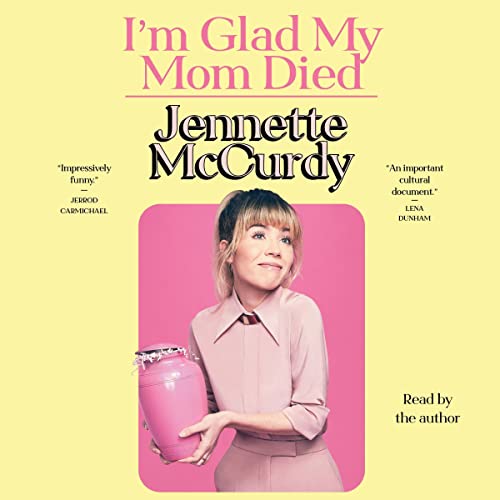
I'm Glad My Mom Died
- By: Jennette McCurdy
- Narrated by: Jennette McCurdy
- Length: 6 hrs and 26 mins
- Unabridged
-
Overall5 out of 5 stars 110,271
-
Performance5 out of 5 stars 97,143
-
Story5 out of 5 stars 96,756
A heartbreaking and hilarious memoir by iCarly and Sam & Cat star Jennette McCurdy about her struggles as a former child actor—including eating disorders, addiction, and a complicated relationship with her overbearing mother—and how she retook control of her life....
-
4 out of 5 stars
-
Unexpectedly poor narration
- By Blurryface on 08-10-22
-
20. I'm Glad My Mom Died
- Narrated by: Jennette McCurdy
- Length: 6 hrs and 26 mins
- Release date: 08-09-22
- Language: English
Failed to add items
Sorry, we are unable to add the item because your shopping cart is already at capacity.Add to Cart failed.
Please try again laterAdd to Wish List failed.
Please try again laterRemove from wishlist failed.
Please try again laterAdding to library failed
Please try againFollow podcast failed
Please try againUnfollow podcast failed
Please try againRegular price: $13.49 or 1 credit
Sale price: $13.49 or 1 credit
-